


- 173 Views
- 10 Min Read
- (0) Comment
TL;DR:
- Location proximity to park gates is crucial for a better gorilla trekking experience.
- Community-owned lodges support local conservation and offer authentic cultural experiences.
- Balancing luxury and eco-lodges depends on traveler preferences for comfort versus authenticity.
Many travelers dream of an epic safari in Uganda, but choosing the right lodge—balancing comfort, budget, and prime gorilla trekking access—can feel overwhelming. With options ranging from ultra-luxury retreats perched above mist-shrouded rainforests to community-owned ecolodges that put money directly into local hands, the choices are genuinely exciting but also complex. This guide walks you through every step, from picking your national park to verifying what’s included in your rate, so you can book with confidence and focus on what matters most: unforgettable wildlife encounters in the Pearl of Africa.
Table of Contents
- What to consider before booking your safari lodge
- Step-by-step: How to choose the best safari lodge for you
- Where to stay for gorilla trekking and wildlife in Uganda
- Luxury touches vs. authentic experiences: Making the right choice
- An insider’s perspective: What most travelers miss about safari lodge choices
- Ready for your Uganda safari adventure?
- Frequently asked questions
Key Takeaways
| Point | Details |
|---|---|
| Location is critical | Stay close to park gates or trekking trailheads for best access to wildlife experiences. |
| Balance luxury and authenticity | Combining different lodge types often gives you both comfort and deeper cultural immersion. |
| Book early for gorilla trekking | Top lodges near Bwindi fill quickly, so reserve 6-12 months in advance for best choice. |
| Community lodges offer value | Midrange and eco-lodges can be just as comfortable as luxury, while benefiting local communities. |
What to consider before booking your safari lodge
The lodge you choose does far more than provide a bed for the night. It shapes how close you are to gorilla trekking trailheads, how well you sleep after a long day in the forest, and whether your money supports the communities living alongside Uganda’s wildlife. Before you start browsing options, it helps to evaluate a few core criteria.
Location and park access are the most important factors. A lodge that sits 10 minutes from the Buhoma or Rushaga sector gates saves you precious morning time and reduces fatigue before a demanding trek. Proximity to wildlife corridors also means better chances of spotting forest elephants, chimpanzees, and rare birds right from your veranda.
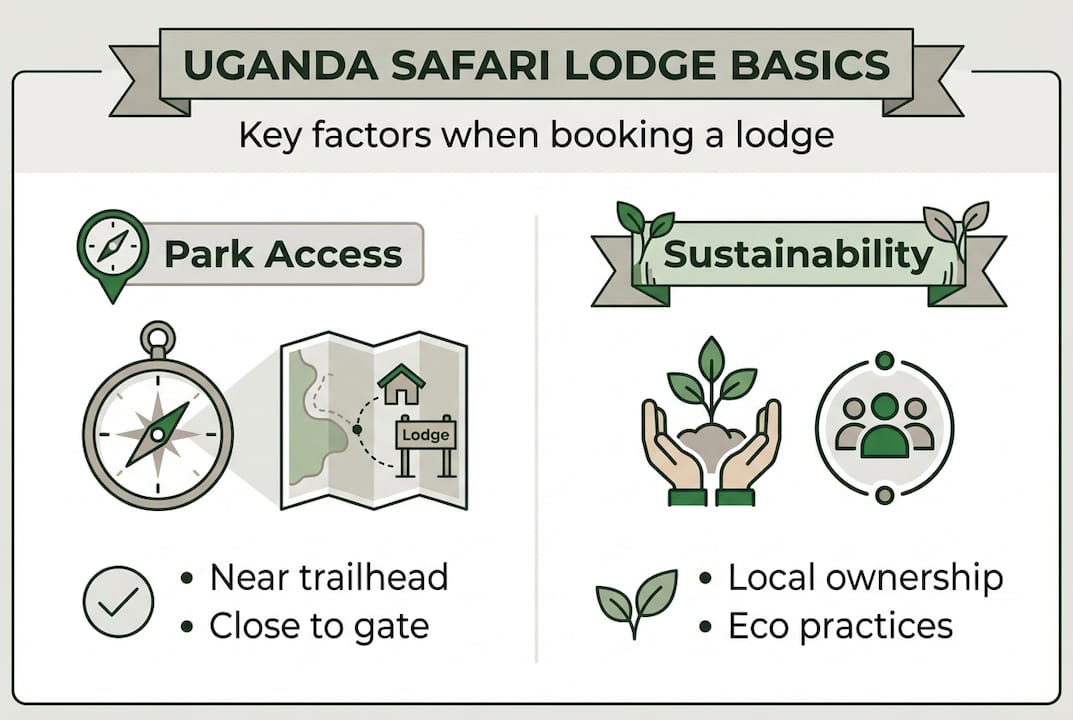
Explore the full range of safari lodge features before narrowing your shortlist, because amenities vary widely across Uganda’s regions.
Key criteria to evaluate:
- Location: Distance to park gates, trailheads, and wildlife viewing areas
- Amenities: Meal plans, hot showers, Wi-Fi, guided nature walks, and vehicle transfers
- Sustainability: Community ownership, eco-certifications, and conservation contributions
- Budget fit: What each price tier realistically delivers
- Group size: Family rooms, shared dormitories, or private cottages
Sustainability matters more than most travelers realize. Community-owned lodges reinvest revenue into schools, health clinics, and water infrastructure. Midrange eco-options such as Bakiga Lodge in Ruhija charge $150-250 per person per night and actively support local water projects, making your stay a direct contribution to the region.
Here is a quick overview of what different budget tiers typically offer across Uganda’s top safari destinations:
| Budget tier | Typical price per night | What’s usually included | Best suited for |
|---|---|---|---|
| Budget | $100-180 | Basic meals, shared facilities | Solo travelers, backpackers |
| Midrange/ecolodge | $150-300 | Full board, guided walks, community impact | Couples, eco-conscious travelers |
| Luxury | $400-800+ | All-inclusive, private guides, spa | Honeymooners, high-end travelers |
Pro Tip: Prioritize a lodge within 30 minutes of your gorilla trekking sector gate. The trek itself can last 2-8 hours, so starting rested and nearby makes a genuine difference to your experience.
Step-by-step: How to choose the best safari lodge for you
Once you know what matters most for your experience, here is a step-by-step approach to zero in on your ideal lodge.
Plan Your Uganda Safari with Local Experts
 WhatsApp Us
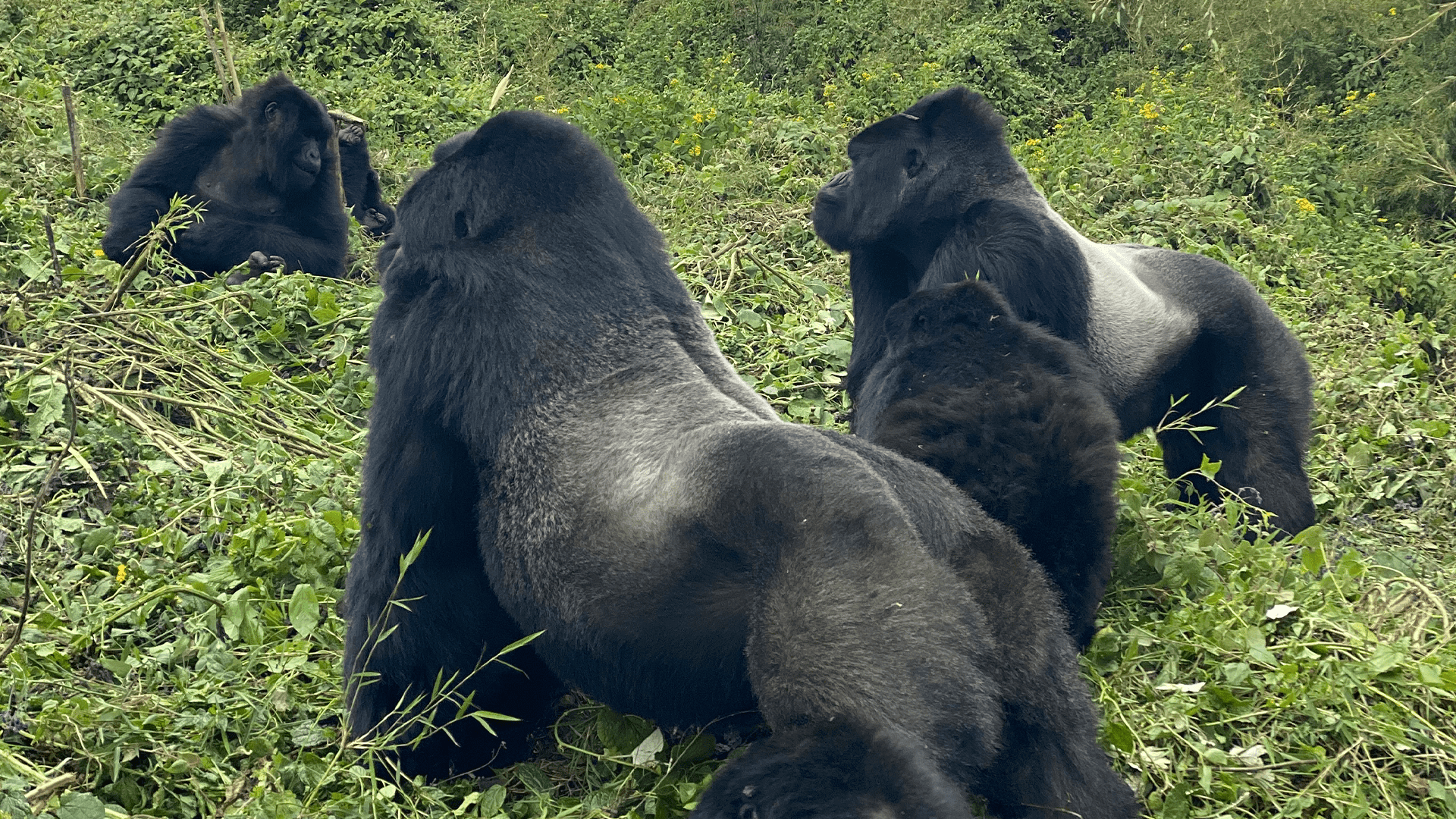
Step 1: Choose your national park first. Your park choice drives everything else. Bwindi Impenetrable Forest is the top pick for gorilla trekking, with four sectors: Buhoma, Ruhija, Rushaga, and Nkuringo. Queen Elizabeth National Park suits classic game drives and boat safaris. Murchison Falls is ideal for the dramatic Nile and large predator sightings. Kibale Forest is the best option for chimpanzee tracking. Consult a detailed safari planning guide to map out which parks align with your wildlife priorities.
Step 2: Set a realistic budget. Decide your per-night ceiling before you browse. Remember that full-board rates (meals included) often represent better value than they first appear, especially in remote areas where dining alternatives don’t exist.
Step 3: Research reviews on TripAdvisor and Google. Look specifically for comments about staff responsiveness, food quality, transfer reliability, and Wi-Fi. Recent reviews from 2025 and 2026 are most relevant.
Step 4: Cross-check sustainability and community impact. Ask directly whether the lodge is community-owned, what percentage of staff are local, and whether any revenue goes to conservation or social projects.
Step 5: Verify transfers and logistics. Confirm whether airport or town transfers are included, what vehicle type is used, and whether the lodge coordinates gorilla permit collection.
Here is a side-by-side comparison of lodge types to help you decide:
| Type | Price per night | Best for | Example |
|---|---|---|---|
| Budget | ~$100 | Groups, solo travelers | QENP budget camps |
| Midrange/ecolodge | ~$200 | Eco-conscious families | Bweza Gorilla Lodge, Rushaga |
| Luxury | ~$500+ | Honeymooners, VIP travelers | Premium Bwindi lodges |
| Family-friendly | ~$200 | Kids and multi-gen groups | Kibale forest tents |
Noting that Bweza Gorilla Lodge in Rushaga offers eco-midrange comfort with scenic valley views, it is a strong choice for travelers who want quality without paying top-tier prices.
Pro Tip: Book popular gorilla trekking lodges at least 6-12 months in advance. Gorilla permits and lodge rooms in Bwindi sell out quickly, especially between June and September and December to February.
Where to stay for gorilla trekking and wildlife in Uganda
With your process in hand, let’s look at some of Uganda’s best lodges mapped to gorilla trekking and classic wildlife regions.
Top regions and standout lodges:
- Bwindi Buhoma sector: Closest to the original trekking zone, with a range of lodges from budget bandas to mid-luxury options. Great for first-time trekkers.
- Bwindi Ruhija sector: Higher altitude, cooler temperatures, and excellent birding alongside gorilla trekking. Bakiga Lodge is a standout here, offering community-owned comfort at $150-250 per person per night while supporting vital water infrastructure for surrounding villages.
- Bwindi Rushaga sector: Access to multiple habituated gorilla families, making it popular for back-to-back trekking days. Bweza Gorilla Lodge provides eco-midrange comfort with panoramic views of the Virunga volcanoes.
- Queen Elizabeth National Park: Best for game drives, tree-climbing lions, and Kazinga Channel boat trips. Budget and midrange camps are plentiful here.
- Murchison Falls National Park: Ideal for Nile-based boat safaris and large mammal sightings. Lodges range from riverside tented camps to comfortable midrange properties.
For detailed gorilla trekking logistics including permit booking and sector selection, planning ahead is essential.
“Staying at a community-owned lodge uplifts the local region while bringing you closer to authentic Ugandan culture.”
This is not just a feel-good statement. Bakiga Lodge supports water projects and employs local guides, cooks, and porters, meaning your accommodation budget circulates within the community rather than leaving Uganda entirely. Browse curated gorilla trekking packages to see how lodge choices integrate with permit costs and full itineraries.
Luxury touches vs. authentic experiences: Making the right choice
Having reviewed top regions and lodge options, a crucial decision is settling your balance between luxury, authenticity, or a mix of both.
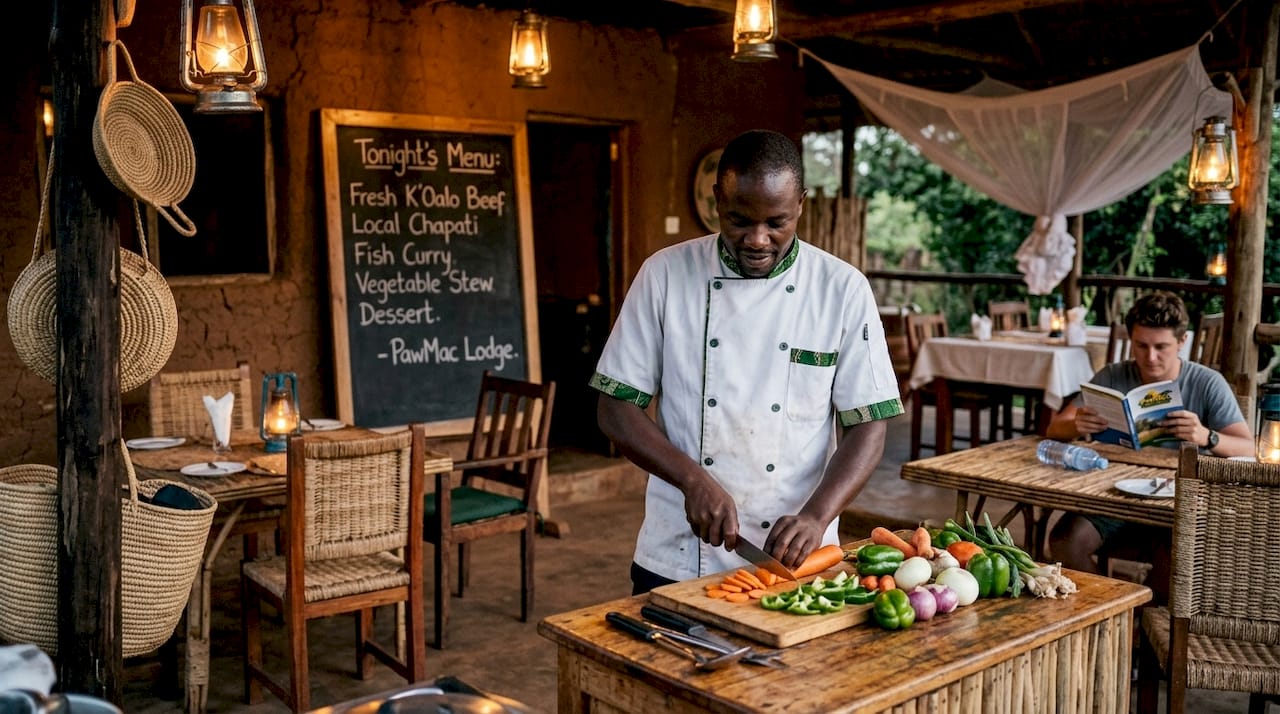
What luxury lodges deliver:
Top-end properties near Bwindi offer spa treatments, gourmet multi-course dinners, private game drives, and dedicated naturalist guides who brief you each evening. The rooms are spacious, the bedding is hotel-quality, and every detail is managed for you. For honeymooners or travelers who want zero friction after a physically demanding trek, this level of comfort is genuinely worth the premium. Explore luxury safari insights for a closer look at what the top tier actually includes.
What community and ecolodges offer:
Authenticity is not a code word for roughing it. Many community lodges deliver warm showers, excellent local cuisine, and knowledgeable guides who grew up in the forest. Community lodges like Bakiga Lodge provide unique access to local projects and sustainable tourism that no luxury property can replicate. You eat with the staff, hear stories from the rangers, and leave with a richer understanding of Uganda.
Who should choose what:
- Choose luxury if: You want maximum comfort after trekking, you’re celebrating a milestone, or you prefer a fully managed itinerary
- Choose community/ecolodge if: Cultural immersion matters to you, you want your money to support conservation directly, or you’re traveling on a midrange budget
- Blend both if: Your itinerary spans multiple parks, you want variety, or you’re on a longer trip of 10 days or more
For travelers considering select luxury camps alongside community stays, mixing lodge types across different park sectors is increasingly popular and genuinely rewarding.
Pro Tip: If your itinerary covers Bwindi and Queen Elizabeth, consider staying at a luxury lodge in Bwindi (where the trek is most demanding) and a quality midrange camp in QENP. You get the best of both worlds without stretching your budget across the board.
An insider’s perspective: What most travelers miss about safari lodge choices
Here is something worth saying plainly: price does not always equal quality in Uganda’s safari lodge market. Some of the most memorable stays we hear about come from midrange community lodges where a ranger shared stories around a fire, not from properties with infinity pools.
The ownership model of a lodge tells you more about your likely experience than its star rating. A locally owned property has staff who genuinely care about the land, the wildlife, and the guests who come to see both. That investment shows in small ways, from the accuracy of a wildlife briefing to the warmth of a meal prepared with local ingredients.
Many travelers arrive focused on amenities and leave wishing they had spent more time in lodges that connected them to Uganda’s people. Authenticity is not less comfortable. It is more meaningful. And sometimes, a community lodge surprises you with a level of personal attention that a large luxury property simply cannot match. Read more about this safari perspective and how to reframe what value really means on a wildlife trip.
Look beyond the photos on booking platforms. Ask who owns the lodge, who guides you, and where your money goes. That question alone will lead you to the most rewarding stay.
Ready for your Uganda safari adventure?
Choosing the right lodge is the foundation of a safari that exceeds every expectation. Whether you’re drawn to a luxury retreat above Bwindi’s canopy or a community ecolodge where your stay funds real conservation work, Uganda has exactly what you need.

At PawMac Safaris, we specialize in matching travelers to lodges that fit their budget, group size, and wildlife goals. Browse our full range of Uganda safari options and explore tailored gorilla trekking packages designed around the best lodge combinations. For a clear breakdown of what each tier costs, our Uganda safari pricing page gives you honest, transparent numbers. Reach out to our team for personalized planning and we will handle every detail from permits to transfers.
Frequently asked questions
What’s the average cost per night for a top Uganda safari lodge?
Luxury lodges generally start around $400-800 per person per night, while excellent midrange options like Bakiga Lodge cost $150-250 per person, making quality stays accessible across budgets.
How far in advance should I book my safari lodge for gorilla trekking?
Book lodges near Bwindi at least 6-12 months ahead, especially for peak seasons between June and September, when gorilla permits and rooms fill up fast.
Are community and eco-lodges comfortable for international travelers?
Yes, properties like Bakiga Lodge and Bweza Gorilla Lodge offer solid comfort standards including hot water, full board meals, and knowledgeable local guides, alongside meaningful community impact.
Should I split my stay across different lodge types?
Splitting your stay across lodge types works especially well on itineraries of 8 days or more, letting you enjoy luxury comfort near Bwindi and authentic community stays in other parks like Queen Elizabeth or Murchison Falls.
Recommended
- Must-See National Parks in Uganda for Wildlife 2026
- African wildlife photography tour guide Uganda safaris 2026
- Top advantages of guided safaris in Uganda for 2026
- Uganda Safari Guide 2026: Gorilla Permits & Logistics


