


- 109 Views
- 11 Min Read
- (0) Comment
TL;DR:
- The gorilla habituation experience offers up to four hours with semi-habituated gorillas, unlike standard one-hour treks.
- Preparation includes securing permits months in advance, physical training for demanding terrain, and proper gear.
- Ethical guidelines and strict protocols protect gorilla health and ensure a responsible, memorable encounter.
Somewhere in the mist-shrouded forests of Bwindi Impenetrable National Park, a semi-habituated gorilla family is going about its morning routine, largely indifferent to the small group of humans watching quietly from a respectful distance. For travelers who want more than a fleeting one-hour encounter, the gorilla habituation experience (GHE) offers something genuinely rare: up to four hours alongside gorillas still in the process of adjusting to human presence. But that depth comes with real ethical weight. This guide walks you through everything you need to plan a responsible, well-prepared, and deeply rewarding gorilla habituation adventure in Uganda.
Table of Contents
- Understanding the gorilla habituation experience
- How to prepare: Permits, fitness, and gear essentials
- Ethical considerations: Impact, protocols, and conservation
- What to expect on the day: Step-by-step experience
- Our perspective: What most guides don’t tell you about gorilla habituation
- Plan your unforgettable gorilla adventure with PawMac Safaris
- Frequently asked questions
Key Takeaways
| Point | Details |
|---|---|
| Unique immersive encounter | Gorilla habituation lets you spend up to four hours with semi-habituated gorillas for a deeper understanding of their behavior. |
| Strict preparation required | Permits, fitness, and ethical packing are crucial to ensure participant safety and gorilla welfare. |
| Ethics matter | Responsible behavior and following protocols help protect both gorillas and local communities. |
| Expert guides enhance experience | Skilled guides provide safety, education, and a richer, more responsible adventure. |
Understanding the gorilla habituation experience
The gorilla habituation experience is fundamentally different from standard gorilla trekking, and understanding that difference shapes every decision you’ll make as a traveler. In a regular trek, you spend one hour with a fully habituated gorilla family, meaning the gorillas are already comfortable around humans. Habituation, by contrast, involves spending up to four hours with a gorilla family that is still in the multi-year process of learning to tolerate human proximity. Researchers, rangers, and a small group of tourists accompany these gorillas daily, gradually building trust over months and years.
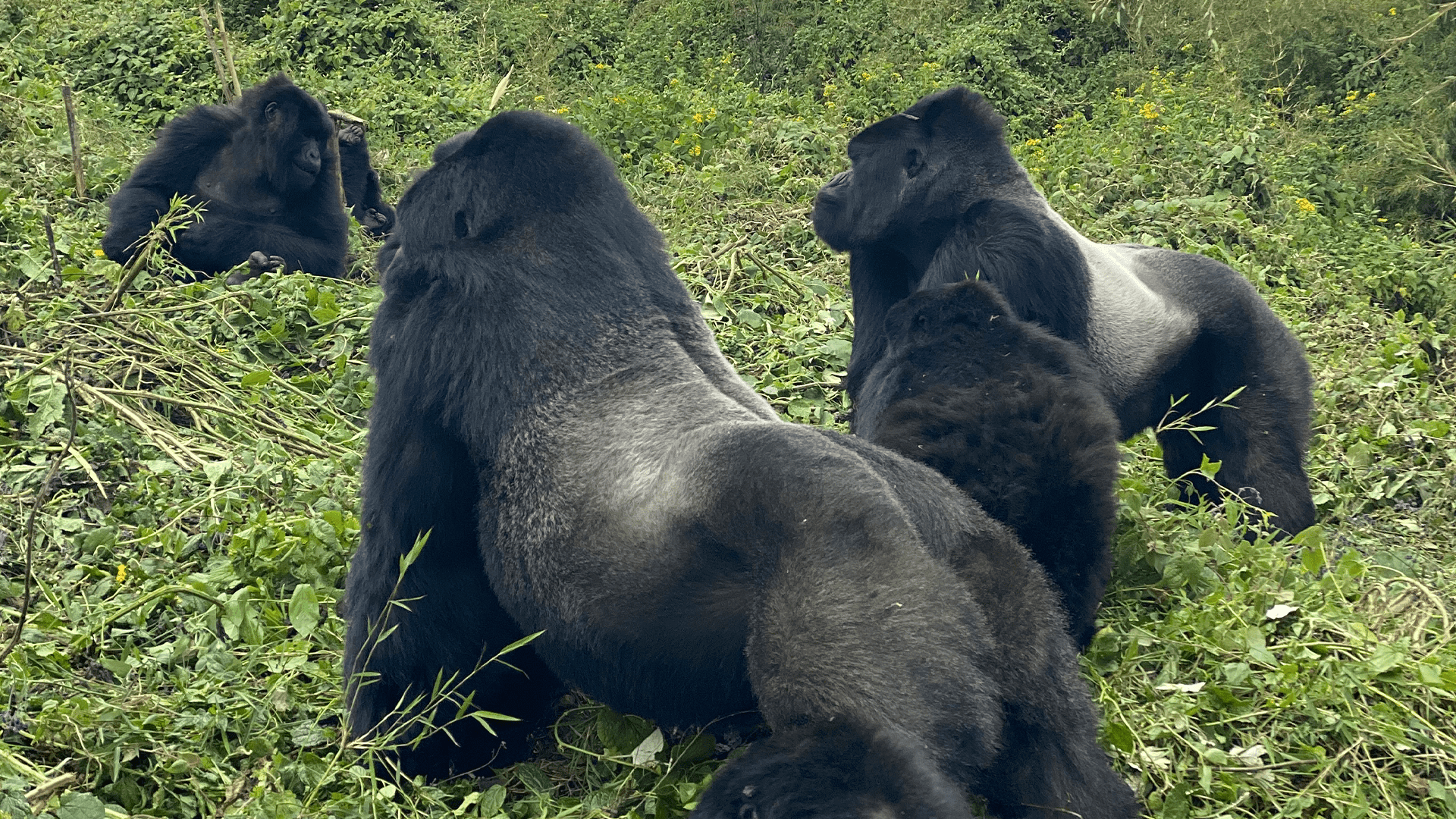
This extended time creates a profoundly immersive experience. You observe natural feeding, play, social hierarchies, and communication in ways that a one-hour visit simply cannot replicate. You may watch a silverback settle a dispute, see juveniles tumble through the undergrowth, or observe a mother nursing her infant. The depth of observation is extraordinary.
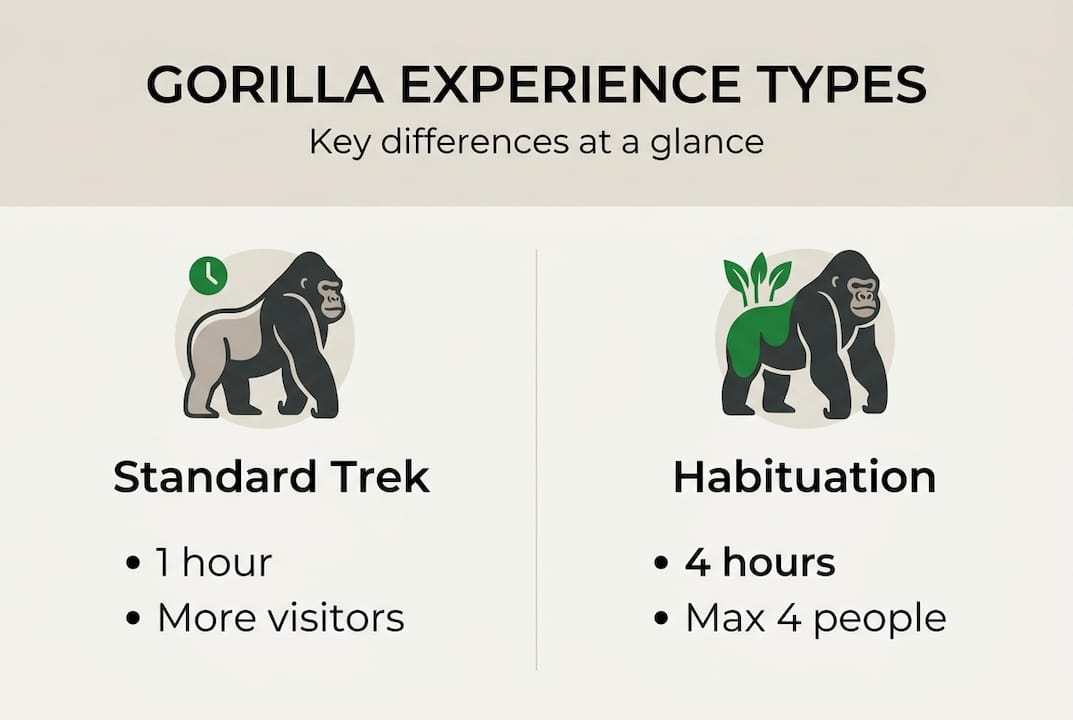
Uganda is the only country in the world to offer the gorilla habituation experience to tourists, making it a truly exclusive opportunity. The experience takes place in Bwindi Impenetrable Forest, home to roughly half of the world’s remaining mountain gorillas. For context on Uganda’s broader wildlife offering, the Uganda safari guide provides excellent background on what makes this destination so exceptional.
Key differences: Habituation vs. standard trekking
| Feature | Standard trekking | Gorilla habituation |
|---|---|---|
| Time with gorillas | 1 hour | Up to 4 hours |
| Gorilla familiarity | Fully habituated | Semi-habituated |
| Group size | 8 visitors max | 4 visitors max |
| Permit cost (2026) | $800 | $1,500 |
| Physical demand | Moderate to high | High |
| Location | Bwindi or Mgahinga | Bwindi only |
Participants must meet specific requirements. Age 15 and above is mandatory, along with high physical fitness, since the trek through Bwindi’s steep, dense terrain can be genuinely demanding. Health checks are conducted before departure, and anyone showing signs of illness, particularly respiratory symptoms, will not be permitted to proceed. These protocols exist to protect gorillas, who share roughly 98% of human DNA and are highly susceptible to human diseases.
The briefing starts early, typically between 6:00 and 7:00 a.m., and covers safety rules, minimum distance requirements, and behavioral guidelines. Attending the full briefing is not optional. It sets the tone for the entire day and ensures every participant understands their role in protecting the gorillas and each other. You can explore the full range of gorilla trekking experiences in Uganda to understand how habituation fits within the broader gorilla tourism landscape.
How to prepare: Permits, fitness, and gear essentials
Preparation is where most travelers either set themselves up for an incredible day or find themselves underprepared in the forest. There are three pillars to get right: permits, physical fitness, and gear.
Securing your permit
Plan Your Uganda Safari with Local Experts
 WhatsApp Us
Permits must be secured in advance, and availability is limited to just four visitors per gorilla family per day. The 2026 gorilla habituation permit costs $1,500 per person, compared to $800 for a standard trekking permit. Demand is high, especially during peak seasons from June to September and December to February. Booking three to six months ahead is strongly recommended. Work with a licensed operator who can handle the Uganda Wildlife Authority booking process on your behalf and confirm your slot before you finalize flights.
Step-by-step permit process:
- Choose your preferred date and gorilla family (your operator will advise on availability).
- Submit your booking request through a licensed Uganda-based tour operator.
- Pay the permit fee in full to secure your slot.
- Receive confirmation and permit documentation before travel.
- Carry your permit on the day; it will be checked at the park gate.
Physical preparation
The trek to locate a semi-habituated gorilla family can take anywhere from one to five hours each way, depending on where the gorillas have moved overnight. Terrain is steep, muddy, and often dense with vegetation. Start conditioning at least eight weeks before your trip. Focus on cardiovascular endurance, leg strength, and balance. Hill walking, stair climbing, and trail running are all effective preparation activities.
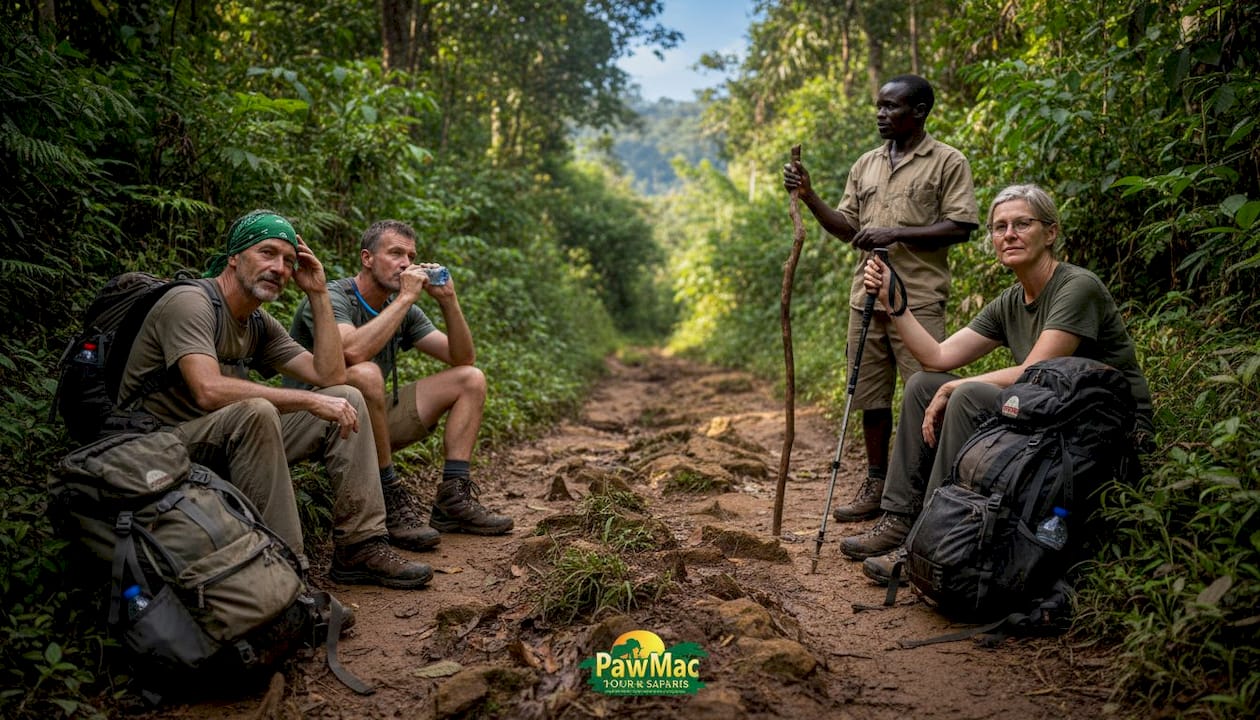
Pro Tip: Practice hiking with a loaded daypack on uneven terrain. Bwindi’s slopes are unforgiving, and simulating the conditions at home will significantly improve your stamina and confidence on the day.
For a broader itinerary that includes the habituation experience alongside other Uganda highlights, the Uganda safari itinerary is a useful planning resource.
Essential gear checklist:
- Footwear: Sturdy, waterproof hiking boots with ankle support
- Clothing: Long-sleeved shirts and long trousers to protect against nettles and insects
- Rain gear: A lightweight, packable rain jacket is non-negotiable
- Gloves: Gardening-style gloves for gripping vegetation
- Gaiters: To keep mud and debris out of your boots
- Daypack: Comfortable, with a rain cover
- Water: At least 2 liters; dehydration is a real risk
- Snacks: High-energy food for sustained effort
- Camera: No flash permitted; a camera with good low-light capability is ideal
For detailed advice on photography equipment and permits, the photography permits and gear guide covers everything you need to capture the experience responsibly.
Ethical considerations: Impact, protocols, and conservation
Once you’re prepared logistically, it’s essential to approach the experience with an awareness of the broader ethical and conservation context. Gorilla habituation is not without controversy, and informed travelers are better equipped to participate responsibly.
On the positive side, permit revenue directly funds gorilla conservation, anti-poaching patrols, ranger salaries, and community development programs around Bwindi. The financial model has been central to Uganda’s gorilla population recovery, which has seen numbers grow steadily over recent decades. Habituation also supports ongoing behavioral research that deepens scientific understanding of mountain gorilla social structures and health.
However, habituation carries real risks for the animals involved, including elevated stress levels and increased exposure to human-borne diseases. Semi-habituated gorillas are in a particularly vulnerable phase because they have not yet fully normalized human presence. The research is clear: rigorous protocols are not bureaucratic formality. They are the difference between a sustainable experience and a harmful one.
“Strict visitor protocols, such as a minimum 7-meter distance, no flash photography, and pre-trek health screening, are enforced to limit disease transmission and minimize disturbance to the gorilla family.” — Uganda National Parks
How to be an ethical participant:
- Follow every instruction from your guide without question or delay
- Maintain the 7-meter minimum distance at all times, even when gorillas approach
- Never eat, drink, or smoke within sight of the gorillas
- Keep your voice low and avoid sudden movements
- Do not attempt to touch the gorillas under any circumstances
- Wear a face mask if you feel unwell, or voluntarily withdraw from the trek
- Choose operators who prioritize small group sizes and conservation compliance
The role of safari guides in managing visitor behavior is critical. Experienced guides read gorilla body language in real time and adjust group positioning accordingly. Their judgment protects both the animals and the visitors.
Pro Tip: Ask your operator specifically how they vet guides for gorilla habituation assignments. Guides with dedicated habituation experience, not just general trekking experience, make a measurable difference to both safety and the quality of observation.
What to expect on the day: Step-by-step experience
Armed with your understanding of the ethics and preparation, here’s how the actual day unfolds.
1. Arrival and health screening (5:30 to 6:00 a.m.)
You’ll arrive at the park headquarters or designated meeting point before sunrise. Rangers conduct a health screening, checking for fever, coughs, and other symptoms. Anyone unwell is not permitted to proceed. This is non-negotiable and applies to guides as well as visitors.
2. Briefing (6:00 to 7:00 a.m.)
A senior ranger leads a mandatory briefing covering safety protocols, behavioral rules, emergency procedures, and what to expect during the encounter. Group assignments are confirmed here. Listen carefully. The briefing is where you learn the specific behavioral quirks of your assigned gorilla family.
3. The trek (variable duration)
Trackers who have been monitoring the gorilla family since dawn radio in their location. The hike is strenuous, moving through dense forest, across steep ridges, and sometimes through thick undergrowth. Pace yourself. Your guide will set a manageable rhythm, but the terrain demands steady effort. The forest itself is extraordinary, filled with birdsong, ancient trees, and the occasional glimpse of other wildlife.
4. The encounter (up to 4 hours)
When you reach the gorilla family, the experience shifts entirely. Movement slows. Voices drop. You observe at close range as the gorillas feed, rest, play, and interact. Juveniles are often the most active, and silverbacks command attention simply by their presence. The four-hour window allows you to witness behavioral sequences that reveal genuine personality and social complexity. This is the moment most travelers describe as life-changing.
5. Debrief and departure
After the encounter, your guide leads the group out of the forest. Back at the meeting point, rangers conduct a brief debrief, sharing observations about the gorilla family’s behavior and answering questions. Certificates of participation are typically issued. The 5-day gorilla wildlife safari is a well-structured option that incorporates the habituation experience into a broader Uganda itinerary.
Our perspective: What most guides don’t tell you about gorilla habituation
After years of arranging gorilla habituation experiences for travelers from around the world, we’ve observed a consistent pattern that most articles overlook. The emotional arc of the day is not simply excitement followed by awe. It’s more layered than that. There’s genuine physical exhaustion, moments of uncertainty during the trek, and then a quiet, almost disorienting intensity when you’re finally sitting in the forest watching a gorilla family at rest. Many travelers describe a sense of humility that they didn’t expect.
Here’s what we want you to understand: habituation is not a passive experience. Your behavior, your stillness, your patience, and your willingness to follow expert guidance all shape the quality of the encounter for you and for the gorillas. Travelers who treat the rules as suggestions rather than requirements consistently have shorter, less intimate encounters because guides must manage the group more actively.
The best experiences we’ve seen come from travelers who book tailor-made Uganda safaris, arrive physically prepared, and genuinely listen to their guides. If cost is a consideration, it’s worth knowing that discounted gorilla safaris are available through strategic booking, without compromising on ethics or guide quality.
Plan your unforgettable gorilla adventure with PawMac Safaris
Planning a gorilla habituation experience involves more moving parts than a standard safari, and having a trusted, Uganda-based expert in your corner makes a genuine difference. From securing your permit at the right time to selecting guides with dedicated habituation experience, every detail matters.

At PawMac Safaris, we specialize in ethical, personalized gorilla trekking in Uganda that prioritizes both visitor experience and gorilla welfare. Browse our range of gorilla trekking experiences to find the right fit, or explore our full portfolio of Uganda wildlife tours for inspiration. Contact us directly for custom advice tailored to your travel dates, fitness level, and budget. We’re here to make your experience as seamless and responsible as possible.
Frequently asked questions
What is the difference between gorilla habituation and regular gorilla trekking?
Habituation involves gorillas less accustomed to human presence and allows up to four hours of observation, while regular trekking offers a one-hour encounter with fully habituated gorillas. The habituation experience is more immersive but also more demanding.
How difficult is the gorilla habituation trek?
The hike is demanding, starting early and covering steep, often muddy forest terrain for several hours. Good cardiovascular fitness and proper hiking boots are essential before you attempt this trek.
Are there age restrictions for the gorilla habituation experience?
Yes, participants must be 15 years of age or older. This policy exists to ensure the safety of both visitors and the gorilla family during the extended encounter.
What protocols must I follow during habituation?
You must maintain a minimum 7-meter distance, avoid flash photography, keep noise to a minimum, and pass a health screening before the trek begins to prevent disease transmission to the gorillas.
Recommended
- Combining Gorillas and Chimpanzees | PawMac Safaris
- Prepare for Gorilla Trekking in Uganda (2026) Checklist
- Uganda primate tracking: gorillas, chimps & golden monkeys
- How to book a discounted gorilla safari in Uganda 2026


