


- 8 Views
- 17 Min Read
- (0) Comment
If you are asking for the best time to go on an Africa safari, Uganda gives a refreshingly practical answer: choose the season that matches the experience you want most. For many travelers, the easiest safari windows are June to September and December to February, when trails are generally drier, wildlife viewing is strong, and logistics are smoother.
But Uganda is not a one-season destination. Because it combines mountain gorilla trekking, chimpanzee tracking, classic savannah game drives, Nile and Kazinga Channel boat safaris, birding, crater lakes, and rich cultural encounters, the right month depends on your priorities, budget, and comfort level. A premium gorilla trek in Bwindi, a family safari in Murchison Falls, and a photography-focused green season journey may all point to different ideal dates.
Table of Contents
- The short answer: Uganda's two best safari windows
- Why Uganda changes the Africa safari timing question
- Uganda safari seasons at a glance
- December to February: dry, warm, and excellent for mixed safaris
- March to May: green season for value, lush scenery, and fewer travelers
- June to September: prime dry season for gorillas, chimpanzees, and big game
- October to November: short rains with strong photography and birding potential
- Best time by safari experience in Uganda
- Gorilla trekking in Bwindi and Mgahinga
- Chimpanzee tracking in Kibale and Queen Elizabeth
- Savannah game drives and boat safaris
- Birding, photography, and landscapes
- Crowd levels, permits, and 2026 cost expectations
- Month-by-month planner for your Uganda safari
- Suggested Uganda safari timing by traveler profile
- Practical booking tips for choosing your dates
- Frequently Asked Questions
- Plan your Uganda safari with PawMac Safaris
The short answer: Uganda's two best safari windows
For most first-time visitors, the best time to go on a Uganda safari is June to September or December to February. These are Uganda's drier periods, although rain can still fall in forest and mountain areas. The benefit is not guaranteed sunshine every hour. The real advantage is easier road travel, firmer forest trails, better visibility on game drives, and a smoother overall itinerary.
June to September is the classic prime season. It suits travelers who want gorilla trekking, chimpanzee tracking, Murchison Falls, Queen Elizabeth National Park, Kidepo Valley, or a full Uganda circuit with minimal compromise. December to February is also excellent, particularly for guests who want a warm winter escape, festive-season travel, or a shorter safari built around gorillas and savannah wildlife.
The green seasons, March to May and October to November, should not be dismissed. They can reward travelers with dramatic skies, lush landscapes, fewer vehicles in the parks, and better availability at some lodges. If you are flexible, physically prepared, and interested in photography or birding, these months may be more appealing than standard safari advice suggests.
For a deeper seasonal breakdown, PawMac Safaris also explains how Uganda's seasons shape your safari experience across trekking, game drives, birding, and lodge planning.
Why Uganda changes the Africa safari timing question
Many travelers search broadly for Africa safari timing and expect a single perfect month. Uganda works differently. Instead of depending on one wildlife spectacle or one dry-season formula, Uganda offers multiple safari layers across different ecosystems.
In one well-planned itinerary, you can trek mountain gorillas in Bwindi Impenetrable National Park, track chimpanzees in Kibale Forest, watch elephants and buffalo along the Nile in Murchison Falls National Park, search for tree-climbing lions in the Ishasha sector of Queen Elizabeth National Park, take a boat safari on the Kazinga Channel, and end with relaxed wildlife viewing around Lake Mburo. That variety makes Uganda unusually flexible.
The country also sits near the equator, with altitude playing a major role. Bwindi, Mgahinga, and parts of Kibale are cooler and wetter than the savannah parks. Murchison Falls and Kidepo can feel much hotter and drier. This means a single date can produce different conditions in different regions, which is exactly why a locally planned itinerary matters.
Uganda is especially compelling for travelers who want both primates and savannah wildlife in one journey. If that is your priority, this guide to the best safari in Africa for primates and big game explains why Uganda deserves serious consideration.
Uganda safari seasons at a glance
Uganda generally has two drier periods and two wetter periods. The timing can vary by region and year, but the pattern below is a useful planning framework for 2026 safari decisions.
Plan Your Uganda Safari with Local Experts
 WhatsApp Us
| Season | Typical months | Best for | Planning note |
|---|---|---|---|
| Short dry season | December to February | Gorilla trekking, chimpanzees, savannah game drives, festive travel | Book early for late December and early January |
| Long rains or green season | March to May | Photography, lush scenery, fewer travelers, possible lodge value | April can be the wettest and most logistically demanding month |
| Long dry season | June to September | Premium first safaris, gorillas, chimpanzees, big game, family travel | Highest demand for permits and top lodges |
| Short rains | October to November | Birding, green landscapes, quieter parks, flexible travelers | Rain is possible, but many safaris still run very well |
December to February: dry, warm, and excellent for mixed safaris
December to February is one of Uganda's most attractive safari windows. Trails in Bwindi and Mgahinga are often easier than during wetter months, while savannah parks can deliver productive game drives as animals use more predictable water sources and vegetation is less dense.
This period works well for travelers combining gorilla trekking with Queen Elizabeth National Park, Kibale Forest, and Murchison Falls. It is also popular with couples and families escaping winter in the northern hemisphere. The festive period, especially late December into early January, should be treated as premium season. Gorilla permits, chimpanzee permits, and high-demand lodges can sell out months in advance.
For 2026 planning, December to February is an excellent choice if you want comfort and reliability but cannot travel in the June to September peak window.
March to May: green season for value, lush scenery, and fewer travelers
March to May is Uganda's long green season. It is wetter, and forest trails can be muddy. This is not the easiest period for travelers with mobility concerns or those who want the most predictable road conditions. Yet it can be deeply rewarding when planned properly.
The landscape is rich and vivid, the light is beautiful for photography, and the parks generally feel quieter. Some lodges may offer more attractive availability or seasonal value, although gorilla and chimpanzee permit prices are set by the relevant authorities and should not be assumed to drop because of the weather.
April is usually the month that requires the most flexibility. If you travel then, choose a realistic route, avoid overpacking the itinerary, and work with a team that understands road conditions between forest, crater lake, and savannah regions.
June to September: prime dry season for gorillas, chimpanzees, and big game
June to September is the most popular answer for premium travelers asking when to visit Uganda. It is the long dry season and arguably the strongest all-round safari period. Trekking conditions are generally better, game viewing is productive, and road travel is typically smoother than in heavy-rain months.
This is a strong season for Bwindi, Mgahinga, Kibale, Murchison Falls, Queen Elizabeth, Kidepo Valley, and Lake Mburo. It is also the period when top lodges and the most convenient gorilla sectors can be fully booked early. If you want a specific lodge style, private guide, or seamless routing, plan 6 to 12 months ahead.
July and August are especially busy because they align with international school holidays. September often gives an excellent balance of dry-season quality with slightly less peak pressure than August, although availability still needs to be secured early.
October to November: short rains with strong photography and birding potential
October and November bring shorter rains, greener views, and a quieter safari atmosphere. These months can be excellent for travelers who want a more intimate experience and are comfortable with occasional weather interruptions.
For photographers, the skies can be dramatic and the vegetation fresh. For birders, migratory activity begins to strengthen toward this period and continues into the early months of the year. Gorilla and chimpanzee trekking remain possible, but waterproof gear, gaiters, and patient expectations are essential.
This is also a useful shoulder period for travelers who want to avoid the highest-season feel while still enjoying a well-rounded Uganda itinerary.
Best time by safari experience in Uganda
The best month depends on whether your safari is built around primates, big game, birding, photography, or a premium lodge circuit. Uganda lets you combine these interests, but each has its own ideal timing.
Gorilla trekking in Bwindi and Mgahinga
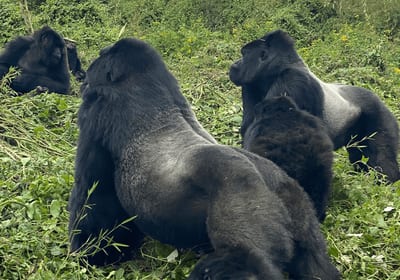
Gorilla trekking is available all year in Uganda, but the drier months of June to September and December to February are usually easiest for walking. Bwindi's terrain is steep and forested, and treks can range from a relatively moderate walk to a demanding several-hour hike depending on the gorilla family's location that day.
In green months, the forest is spectacular, but trails may be slippery. The experience can still be exceptional with the right footwear, a porter, rain protection, and a realistic pace. Porters are strongly recommended, not only for comfort but also because porter fees support local communities around the parks.
For 2026, foreign non-resident gorilla trekking permits are commonly planned at about $800 per person, based on Uganda Wildlife Authority tariff guidance in effect for the current period. Gorilla habituation experiences, where available, are significantly more expensive and limited, commonly planned at about $1,500 per person for foreign non-residents. Always confirm the latest tariff before final payment, as conservation fees can change.
Chimpanzee tracking in Kibale and Queen Elizabeth
Kibale Forest is Uganda's premier chimpanzee tracking destination. Dry months generally make walking easier, but chimpanzee activity is not limited to dry weather. The forest can feel more alive in wet periods, and serious primate enthusiasts often enjoy the atmosphere of a green-season visit.
For 2026 planning, Kibale chimpanzee tracking permits for foreign non-residents are commonly budgeted at about $250 per person. Other chimpanzee locations may be lower in cost, but the experience, terrain, group size, and sighting reliability can differ.
If chimpanzees are a major reason for your trip, avoid leaving the permit as an afterthought. Your safari route should be built around confirmed primate permit times before lodges and transfer days are finalized.
Savannah game drives and boat safaris
Uganda's savannah parks are strongest in the drier months, especially for visibility. In Murchison Falls National Park, animals often concentrate around water sources and open tracks are easier to navigate. In Queen Elizabeth National Park, the Kasenyi plains, Ishasha sector, and Kazinga Channel offer a mix of big game, predator potential, and relaxed boat-based viewing. Kidepo Valley can be superb in dry months for travelers who want a more remote safari experience.
Boat safaris are one of Uganda's great advantages. The Nile in Murchison Falls and the Kazinga Channel in Queen Elizabeth are productive in many seasons because wildlife depends on these waterways. Even when vegetation thickens after rain, boat excursions can still deliver close views of hippos, crocodiles, elephants, buffalo, and prolific birdlife.
For travelers hoping to experience a Uganda Big Five-style itinerary, the usual approach is to combine national parks with rhino tracking at Ziwa Rhino Sanctuary. Dry months generally make this style of itinerary easier, but the right route design matters more than chasing a single month.
Birding, photography, and landscapes
Birding in Uganda is excellent year-round, but November to April can be especially attractive because migratory species add to the country's already remarkable resident birdlife. Wet and shoulder months can also be outstanding for landscape photography, with green hills, reflective crater lakes, and dramatic skies.
If your dream safari album includes mist over Bwindi, green savannah, and moody light rather than only golden dry grass, October to November or March to May may be ideal. The tradeoff is simple: more weather flexibility is required, and you should avoid schedules that depend on long daily drives with no buffer.

Crowd levels, permits, and 2026 cost expectations
Safari timing affects more than weather. It changes availability, lodge selection, routing, guide allocation, and the final budget. In Uganda, government conservation permits usually remain fixed by tariff rather than becoming cheaper in the green season, but lodge rates and availability can vary.
High season, especially June to September and late December, often means stronger demand and less room for last-minute changes. Green and shoulder periods can create opportunities for better lodge availability, more flexible routing, and a quieter park experience.
| Cost item | 2026 planning figure for foreign non-residents | Notes |
|---|---|---|
| Gorilla trekking permit | About $800 per person | Applies to Bwindi and Mgahinga under current tariff planning |
| Gorilla habituation permit | About $1,500 per person | Limited availability and typically booked far in advance |
| Kibale chimpanzee tracking permit | About $250 per person | Popular time slots should be secured early |
| National park entrance | Often about $40 to $45 per adult per 24 hours | Varies by park category and traveler residency status |
| Comfortable midrange lodge | Roughly $180 to $350+ per person per night | Depends on location, board basis, season, and room type |
| Luxury safari lodge | Roughly $500 to $1,500+ per person per night | Top gorilla and wilderness properties can exceed this |
A private Uganda safari budget depends on the number of travelers, lodge category, vehicle type, route distance, guide level, park fees, and whether internal flights are used. The ranges below are practical starting points, not fixed package prices.
| Safari style | Typical length | Indicative per-person budget | Best suited for |
|---|---|---|---|
| Essential gorilla and wildlife safari | 5 to 6 days | $2,200 to $4,200 | Travelers short on time who want Bwindi plus one savannah area |
| Classic Uganda primates and big game safari | 8 to 10 days | $3,800 to $7,500 | First-time Uganda travelers wanting gorillas, chimps, and major parks |
| Premium Uganda safari circuit | 10 to 12+ days | $7,500 to $15,000+ | Guests prioritizing luxury lodges, slower pacing, and refined logistics |
These estimates generally exclude international flights, visas, travel insurance, premium alcoholic drinks, personal spending, and gratuities. Single travelers should also budget for single supplements and private vehicle costs spread across fewer guests.
Month-by-month planner for your Uganda safari
Uganda does not force travelers into one narrow safari calendar. Use this month-by-month guide to match your comfort level, budget expectations, and experience priorities.
| Month | Safari conditions | Best fit | Booking advice |
|---|---|---|---|
| January | Dry, warm, strong wildlife viewing | Gorillas, chimps, Murchison Falls, Queen Elizabeth | Book festive overflow early |
| February | Dry and often excellent for mixed routes | Couples, photographers, primate-focused safaris | Good alternative to peak holiday dates |
| March | Rains begin, landscapes turn green | Flexible travelers and photographers | Avoid overly tight road schedules |
| April | Often one of the wettest months | Value seekers with patience | Choose routes conservatively |
| May | Green, quieter, improving conditions late in month | Birding, scenery, fewer crowds | Good for flexible premium travelers |
| June | Dry season strengthens | Gorilla trekking and classic circuits | Secure permits early |
| July | Peak dry season and high demand | Families, first-time safari travelers | Plan 6 to 12 months ahead |
| August | Peak season, strong all-round conditions | Premium lodge circuits and school holidays | Expect limited availability at top lodges |
| September | Excellent dry-season balance | Gorillas, chimps, big game, fewer crowds than August | One of the best all-round choices |
| October | Short rains begin in many areas | Photography and quieter parks | Build in flexible timing |
| November | Green, birding improves, fewer travelers | Birders, repeat visitors, privacy-focused guests | Good shoulder-season option |
| December | Drying conditions, festive demand rises | Holiday safaris and warm winter escapes | Book very early for late month |
Suggested Uganda safari timing by traveler profile
Your best safari date is not only a weather decision. It should reflect how you travel, who is joining you, and what would make the journey feel successful.
| Traveler profile | Best months to consider | Why it works |
|---|---|---|
| First-time safari traveler | June to September, December to February | Easiest balance of trekking, wildlife, and road logistics |
| Luxury honeymoon couple | January, February, June, September, October | Strong lodge experience with options for privacy and atmosphere |
| Family with school-age children | July, August, late December | Matches school calendars, but must be booked early |
| Serious primate enthusiast | June to September, December to February, flexible green months | Gorilla and chimpanzee tracking are possible year-round |
| Photographer | March to May, October to November, September | Green landscapes, dramatic skies, and softer shoulder-season crowds |
| Birder | November to April | Migratory species complement Uganda's resident birdlife |
| Budget-conscious private traveler | March to May, October to November | Better availability and possible lodge value, with weather tradeoffs |
Practical booking tips for choosing your dates
The best time to go on a Uganda safari is the period that protects your main experience. If gorillas are the reason you are traveling, secure the permit first. If luxury lodges are central to the trip, check suite availability before confirming flights. If your family can only travel during school holidays, start planning much earlier than you think.
Use these principles when narrowing your dates:
- Confirm gorilla and chimpanzee permits before locking the full route.
- Choose your gorilla sector carefully, because sector choice affects lodge options and drive times.
- Avoid rushing between distant parks, especially in rainy or shoulder months.
- Budget for a private 4×4, experienced local guide, and realistic fuel distances.
- Pack for both sun and rain, even in the dry season.
- Add a buffer night if your itinerary includes international flight connections or internal flights.
Premium travel also depends on accommodation standards before, during, and after the main journey. If your broader travel calendar includes a private U.S. retreat before or after your Uganda adventure, curated stays such as Lumina luxury vacation rentals reflect the same privacy-first approach many travelers appreciate when selecting high-end safari lodges.
If you are still shaping the bigger picture, PawMac Safaris has a useful guide on how to plan an Africa safari trip starting with Uganda, including routing logic and experience selection.
Frequently Asked Questions
What is the single best month for a Uganda safari? September is one of the strongest all-round months because it offers dry-season advantages with slightly less pressure than July and August. January and February are also excellent, especially for travelers who want a warm winter escape.
Is the rainy season bad for gorilla trekking in Uganda? No. Gorilla trekking runs year-round, and green-season treks can be beautiful. The tradeoff is muddier trails, more variable weather, and a greater need for waterproof gear, gaiters, and a patient pace.
When should I book gorilla permits for 2026? For June to September and late December travel, booking 6 to 12 months ahead is wise. Shoulder-season permits may be available closer to travel, but prime sectors and preferred lodges can still sell out.
Is Uganda good for a Big Five safari? Yes, with the right routing. Uganda's national parks offer elephants, buffalo, lions, and leopards, while rhino tracking at Ziwa Rhino Sanctuary is commonly added to complete a Big Five-style itinerary.
Do Uganda safari prices change by season? Permit fees are usually set by official tariffs, so they do not typically fluctuate like hotel rates. Lodge pricing, room availability, and special value opportunities can vary by season, with peak months commanding the strongest demand.
Can I combine gorilla trekking, chimpanzees, and savannah wildlife in one trip? Absolutely. That is one of Uganda's greatest strengths. An 8 to 10 day itinerary can combine Bwindi, Kibale, Queen Elizabeth, and often Murchison Falls, depending on your pace and budget.
Plan your Uganda safari with PawMac Safaris
Uganda has the answer to the Africa safari timing question because it offers more than one way to travel well. Dry-season months deliver the easiest all-round conditions, while green and shoulder months reward travelers who value privacy, photography, birding, and flexibility.
PawMac Safaris helps match your dates to the right parks, permits, lodges, vehicle plan, and budget. Whether you want a premium gorilla trekking journey, a family wildlife safari, a chimpanzee and Big Five-style route, or a custom Uganda circuit, the smartest next step is to plan around your highest-priority experience first.
Share your preferred travel month, budget range, lodge style, and must-see wildlife with PawMac Safaris, and our local team can help design a Uganda safari that fits the season instead of fighting it.


