


- 15 Views
- 17 Min Read
- (0) Comment
African safari prices can look inconsistent until you separate what you are actually paying for. A three-day gorilla trekking trip in Uganda, a seven-day wildlife circuit, and a private luxury journey may all be called safaris, yet their cost structures are very different.
Uganda is one of the clearest places to understand safari pricing because the trip usually combines high-value, permit-based primate experiences with classic savannah game drives, boat safaris, professional guiding, and long-distance 4×4 travel. Once you see how a Uganda trip is priced, the broader safari market becomes much easier to evaluate.
Table of Contents
- What African Safari Prices Really Include in Uganda
- The core cost categories
- What is often excluded
- A Realistic Uganda Safari Price Snapshot for 2026
- Short gorilla trekking trips
- Classic 7 to 8 day Uganda safaris
- Premium 10 to 12 day Uganda journeys
- The Uganda Line Items That Shape Your Safari Budget
- Gorilla trekking permits
- Chimpanzee tracking permits
- Transport and routing
- Lodges and meal plans
- Sample Budgets: Three Ways to Price the Same Uganda Trip
- Value-conscious budget
- Mid-range budget
- Luxury budget
- Why Two Similar Uganda Safaris Can Have Very Different Prices
- Season
- Group size
- Domestic flights
- How Uganda Compares on Value Without Becoming Cheap
- Smart Budgeting Tips Before You Book
- Frequently Asked Questions
- Plan Your Uganda Safari With PawMac Safaris
What African Safari Prices Really Include in Uganda
When travelers ask about African safari prices, they often expect a simple daily rate. In Uganda, that number is useful only if you understand what sits behind it. A properly priced safari is not just a room, a vehicle, and a park ticket. It is a coordinated travel plan built around permits, expert guiding, road logistics, conservation fees, meals, timing, safety, and the quality of the wildlife experience.
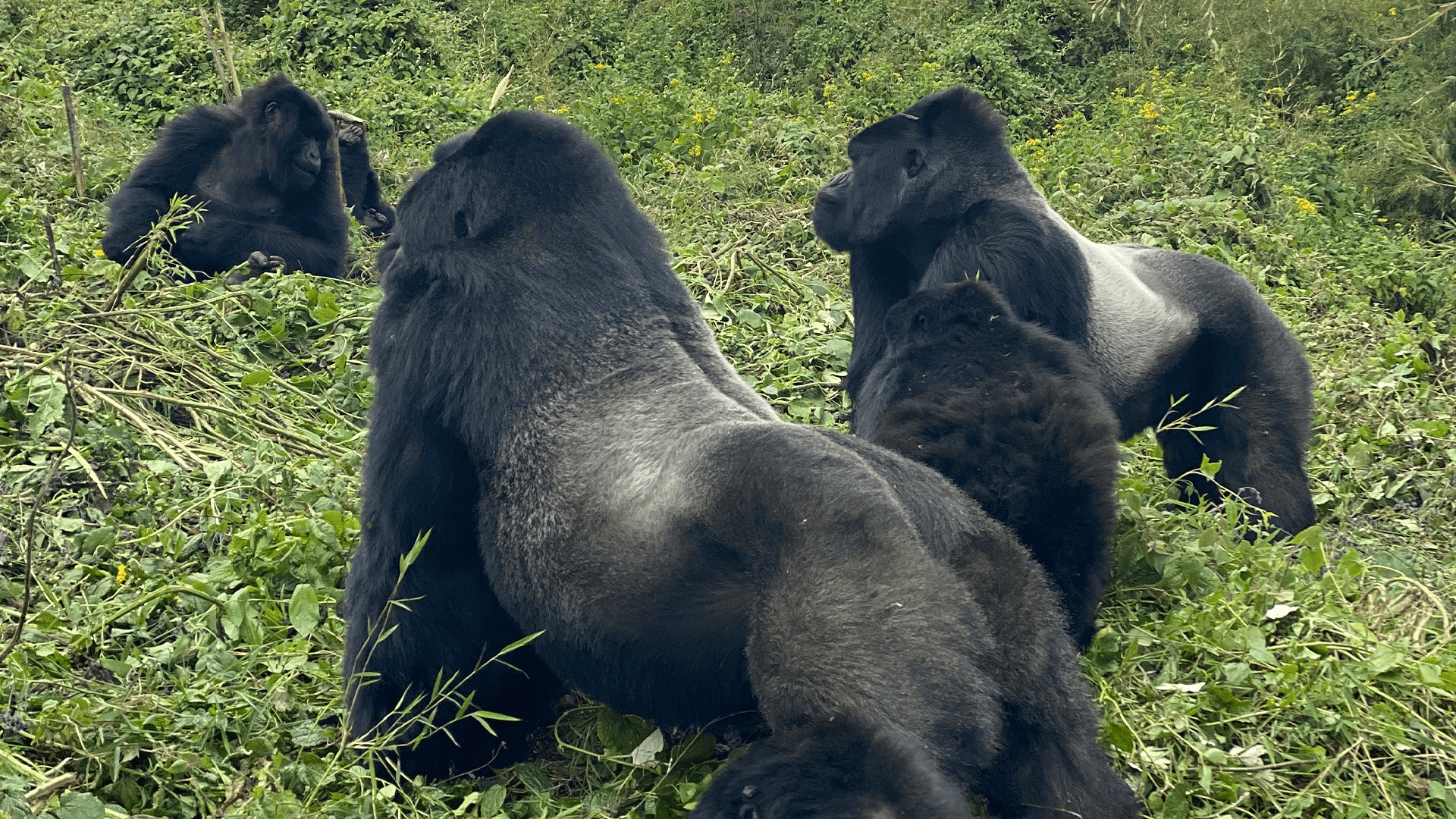
Uganda is especially important because some of its most sought-after experiences, such as mountain gorilla trekking in Bwindi Impenetrable National Park or Mgahinga Gorilla National Park, are controlled by limited daily permits. Those permits create a fixed baseline cost before accommodation level or vehicle comfort is even considered.
The core cost categories
A Uganda safari quote usually includes several cost layers working together. The biggest mistake travelers make is comparing quotes without checking whether the same items are included.
Typical included costs may cover:
- Gorilla or chimpanzee permits, if the itinerary includes primate trekking
- Park entrance fees and selected activity fees
- A private or shared 4×4 safari vehicle
- Fuel, driver-guide services, and road transfers
- Accommodation in the quoted category
- Meals according to the lodge plan
- Bottled drinking water during transfers and game drives
- Ground handling, local planning, and support
The more remote or specialized the itinerary, the more important professional planning becomes. A trip that moves from Entebbe to Murchison Falls, then Kibale, Queen Elizabeth, Bwindi, and Lake Mburo involves long drives, timed permits, lodge availability, and smart route sequencing. That is where a local operator such as PawMac Safaris adds real value, not just convenience.
What is often excluded
A lower quote may look attractive because key items have been left outside the price. This is not always a problem, but it must be clear before you commit.
Common exclusions include international flights, Uganda entry visa fees, travel insurance, premium alcoholic drinks, personal laundry, tips, optional community visits, porter fees, single-room supplements, and some domestic flights. In luxury trips, spa treatments, private charter flights, and exclusive-use services may also be billed separately.
A transparent quote should show what is included, what is excluded, and which costs are fixed. Permit fees, for example, are not flexible in the same way lodge category or travel style can be.
A Realistic Uganda Safari Price Snapshot for 2026
For 2026 planning, most Uganda safari budgets fall into a few practical categories. These estimates are general ranges per person sharing, excluding international flights. Exact pricing depends on season, availability, group size, exchange rates, permit confirmation, lodge selection, and route design.
Plan Your Uganda Safari with Local Experts
 WhatsApp Us
| Uganda safari style | Typical duration | Estimated 2026 range per person sharing | Best for |
|---|---|---|---|
| Short gorilla trekking safari | 3 to 4 days | USD 1,300 to USD 3,500 | Travelers focused mainly on gorillas |
| Mid-range wildlife and primate circuit | 7 to 8 days | USD 3,000 to USD 5,800 | First-time Uganda safari guests |
| Extended Uganda safari | 10 to 12 days | USD 4,800 to USD 9,500 | Travelers wanting gorillas, chimps, and multiple parks |
| Luxury Uganda safari | 8 to 12 days | USD 7,000 to USD 15,000+ | Private, highly comfortable, premium lodge travel |
| Fly-in or ultra-luxury journey | 8 to 12 days | USD 12,000 to USD 25,000+ | Time-sensitive travelers seeking top-tier logistics |
These ranges are meant to help you qualify expectations. A well-built Uganda safari is rarely the lowest-priced trip on the market because gorilla permits, experienced guiding, and long 4×4 routing carry real costs. But it can deliver exceptional value because a single itinerary can combine gorilla trekking, chimpanzee tracking, savannah game drives, boat safaris, wetlands, crater landscapes, and cultural encounters.
For a deeper cost breakdown focused specifically on local price drivers, PawMac Safaris has also published a detailed guide to Uganda safari prices, permits, and package costs.
Short gorilla trekking trips
A short Uganda gorilla safari is usually three or four days. The classic version begins and ends in Entebbe or Kampala, with road transfers to Bwindi or Mgahinga. Because the drive is long, the trip is compact but logistically demanding.
The price is heavily influenced by the gorilla permit, accommodation close to the trekking sector, and whether the vehicle is private. A budget-conscious three-day trip might use modest lodges and a direct road route. A premium version may include better rooms, upgraded meals, a more experienced private guide, and possibly a domestic flight to reduce road time.
As a broad guide, a short gorilla trip can cost around USD 1,300 to USD 2,200 per person in a simple style, USD 2,200 to USD 3,500 in a comfortable mid-range style, and more if luxury lodges or flights are included.
Classic 7 to 8 day Uganda safaris
This is often the best balance for travelers who want to understand Uganda beyond one gorilla trek. A strong seven or eight-day route may include Murchison Falls National Park, Kibale Forest, Queen Elizabeth National Park, and Bwindi Impenetrable National Park. Some itineraries add Ziwa Rhino Sanctuary or Lake Bunyonyi depending on pacing.
This style of trip usually includes one gorilla permit, one chimpanzee tracking experience, several game drives, and at least one boat safari. It gives a much clearer picture of Uganda's wildlife diversity while keeping the budget manageable.
Expect a realistic 2026 range of about USD 3,000 to USD 5,800 per person sharing for a well-planned mid-range version. Luxury versions can rise quickly because premium lodges near gorilla trekking areas and private wilderness settings are limited.
Premium 10 to 12 day Uganda journeys
A longer Uganda safari allows better pacing and less rushed wildlife viewing. It can include Murchison Falls, Kibale, Queen Elizabeth, Bwindi, Lake Bunyonyi, Lake Mburo, and sometimes Kidepo Valley National Park for travelers seeking a more remote savannah experience.
Longer trips cost more, but the daily value can improve because fixed arrival, planning, and vehicle costs are spread across more days. Premium travelers often prefer this style because it reduces fatigue, allows two-night stays in important areas, and creates room for cultural visits, additional boat safaris, walking safaris, or second primate experiences.
If you are comparing route lengths, this guide to Uganda safari itineraries, options, costs, and experiences can help you see how the number of days changes the final budget.
The Uganda Line Items That Shape Your Safari Budget
A safari quote becomes much easier to understand when you examine the line items. In Uganda, four areas usually carry the most weight: permits, transport, accommodation, and travel style.
Gorilla trekking permits
Gorilla trekking is the signature high-value experience in Uganda. For foreign non-residents, Uganda gorilla permits have been priced at USD 800 per person in recent Uganda Wildlife Authority tariff cycles. Foreign resident and East African citizen rates are different, so your residency category matters.
This permit is paid per trek, not per trip. If you want to trek twice, you should budget for two permits. A second trek can be deeply rewarding because sightings, forest conditions, gorilla family behavior, and photographic opportunities differ from day to day, but it will significantly increase the total price.
There is also a gorilla habituation experience in Uganda, usually priced higher than standard trekking. It allows a longer, more specialized experience with researchers and trackers, subject to availability and current regulations.
Porters are not always included in package prices, but hiring one is strongly recommended. Beyond helping with your daypack and difficult terrain, porter fees directly support local livelihoods around gorilla conservation areas.
Chimpanzee tracking permits
Chimpanzee tracking is another major Uganda cost item, particularly in Kibale Forest National Park, which is widely known for excellent chimpanzee viewing. For 2026 planning, foreign non-resident chimpanzee tracking permits in Kibale are commonly budgeted around USD 250 per person, subject to official tariff confirmation.
Other chimpanzee locations may have different pricing and experience styles. The key point is that chimpanzee permits should be treated as a separate budget category, not assumed to be included just because the itinerary mentions Kibale or another forest destination.
A trip that includes both gorilla trekking and chimpanzee tracking has a higher upfront cost, but it also offers one of Uganda's strongest advantages: the ability to experience two of Africa's great primate encounters in one country.
Transport and routing
Transport is one of the most misunderstood parts of Uganda safari pricing. Distances can be long, and the best wildlife areas are spread across the country. A comfortable 4×4 safari vehicle, a skilled driver-guide, fuel, insurance, maintenance, and road time all matter.
A private safari vehicle may cost more than joining a group departure, but it gives you flexibility. You can stop for photography, adjust pacing, choose better departure times, and travel with a guide focused on your interests.
Domestic flights can reduce road fatigue, especially for luxury travelers heading to or from Bwindi, Kidepo, or remote routes. However, they add cost and must be coordinated carefully with luggage limits, flight schedules, and lodge transfers.
Lodges and meal plans
Accommodation is the most flexible part of most Uganda safari budgets. A simple lodge near a park gate and a premium lodge with outstanding views, refined dining, excellent guiding support, and spacious rooms may both get you close to wildlife, but they create very different trips.
| Accommodation category | Approximate nightly range per person sharing | What it usually means in Uganda |
|---|---|---|
| Budget | USD 40 to USD 120 | Simple rooms, basic comfort, practical locations |
| Lower mid-range | USD 120 to USD 220 | Ensuite rooms, decent meals, reliable service |
| Upper mid-range | USD 220 to USD 450 | Strong locations, better food, more comfort |
| Luxury | USD 450 to USD 900 | Premium rooms, strong guiding support, elevated hospitality |
| High-end luxury | USD 900 to USD 1,500+ | Exceptional settings, highly personalized service, limited inventory |
Meal plans also matter. Many safari lodges are full board because parks are remote and outside dining is limited. A quote that includes breakfast only may seem cheaper, but meal costs can quickly reappear during the trip.

Sample Budgets: Three Ways to Price the Same Uganda Trip
To make African safari prices easier to understand, imagine an eight-day Uganda itinerary with Entebbe, Murchison Falls, Kibale, Queen Elizabeth, Bwindi, and return routing. The trip includes one gorilla trek, one chimpanzee tracking experience, savannah game drives, and a boat safari.
The same route can be priced three different ways depending on comfort level and logistics.
| Cost category | Value-conscious | Mid-range | Luxury |
|---|---|---|---|
| Gorilla permit | Around USD 800 | Around USD 800 | Around USD 800 |
| Chimpanzee permit | Around USD 250 | Around USD 250 | Around USD 250 |
| Accommodation | USD 700 to USD 1,200 | USD 1,400 to USD 2,800 | USD 4,000 to USD 8,000+ |
| Vehicle, guide, and fuel | USD 700 to USD 1,100 | USD 900 to USD 1,500 | USD 1,400 to USD 2,500+ |
| Park fees and activities | USD 250 to USD 500 | USD 350 to USD 700 | USD 500 to USD 1,000+ |
| Meals and logistics | USD 250 to USD 500 | USD 400 to USD 800 | USD 800 to USD 1,500+ |
| Estimated total per person sharing | USD 2,950 to USD 4,350 | USD 4,100 to USD 6,850 | USD 7,750 to USD 14,050+ |
These are planning estimates rather than fixed package prices. They show why a safari with the same headline route can vary widely. The gorilla and chimpanzee permits may stay similar, but accommodation, transport style, private services, and flight choices can transform the final number.
Value-conscious budget
A value-conscious Uganda safari does not mean cutting corners on safety or wildlife quality. It means choosing simpler lodges, efficient routing, and fewer premium extras while keeping the essential experiences intact.
This style can work well for adventurous travelers, photographers who care more about time in the field than luxury amenities, and guests who are comfortable with longer drives. The key is not to reduce the trip so much that it becomes exhausting. Uganda rewards patience, and overly compressed routing can damage the experience.
Mid-range budget
Mid-range is often the sweet spot for Uganda. You can stay in comfortable lodges, travel with a private guide, enjoy strong wildlife areas, and still keep the budget under control. Many travelers choosing PawMac Safaris fall into this category because it balances comfort, authenticity, and practical value.
A good mid-range safari should not feel basic. It should include reliable accommodation, well-paced driving days, good meals, and enough time in each park to appreciate the destination rather than simply passing through.
Luxury budget
Luxury Uganda safaris are defined less by gold-plated extras and more by privacy, seamless logistics, lodge quality, excellent guiding, and time efficiency. Premium lodges near Bwindi, Queen Elizabeth, Kibale, or Murchison Falls may offer dramatic locations, refined dining, elevated rooms, and highly attentive service.
Luxury travelers may also add domestic flights, private activities where available, upgraded vehicles, special occasion arrangements, or additional nights to slow the pace. If you want to understand what premium inclusions actually look like, PawMac Safaris explains this in more detail in its guide to Africa luxury safari experiences in Uganda.
Why Two Similar Uganda Safaris Can Have Very Different Prices
Two Uganda safari proposals may list the same parks and still differ by thousands of dollars. This is usually not random. The difference is often hidden in timing, group size, lodge category, and transport design.
Season
Uganda can be visited year-round, but pricing and availability often shift by season. The drier months, commonly June to September and December to February, are popular because trekking trails may be more manageable and wildlife viewing can be easier in some savannah areas. Demand is higher, so premium lodges and permits should be secured early.
The wetter periods can offer lush landscapes, fewer crowds in some areas, and occasional value opportunities, but road conditions and trekking difficulty may vary. A cheaper rainy-season quote is not automatically better or worse. It depends on your flexibility, fitness, expectations, and photography priorities.
Group size
Group size has a major effect on per-person cost. A solo traveler carries the full cost of vehicle, guide, and fuel. Two travelers split those costs. Four or six travelers reduce the per-person transport cost even more, although lodge rooming and vehicle comfort still need to be managed carefully.
This is why a private solo Uganda safari can look expensive compared with a couple's quote. It is not simply a single supplement issue. The whole ground operation is being carried by one traveler.
Domestic flights
Domestic flights are a smart upgrade when time is more valuable than cost. They can reduce long road transfers and make a shorter luxury itinerary feel more relaxed. They are especially useful for travelers with limited vacation days or those combining gorilla trekking with other Uganda parks.
However, flights add not just ticket cost but also transfer planning, baggage considerations, and schedule discipline. They should be used where they improve the journey, not simply because they sound premium.
How Uganda Compares on Value Without Becoming Cheap
Uganda is not best understood as a cheap safari destination. It is better described as a high-value destination because the diversity of experiences is unusually strong for one country.
A well-planned Uganda trip can include mountain gorillas, chimpanzees, tree-climbing lions in the Queen Elizabeth region, powerful waterfall scenery at Murchison Falls, boat safaris on the Nile or Kazinga Channel, rhino tracking at Ziwa, crater lakes, forest walks, and cultural encounters. This range reduces the need for multiple countries or complicated flight combinations.
That value is especially clear for travelers who want more than traditional game drives. In Uganda, primates are not an optional side note. They are central to the journey. The price reflects limited access, conservation management, expert tracking teams, and the privilege of entering rare habitats.
The important distinction is between low price and strong value. A low-price safari may skip crucial experiences, use rushed routing, or understate exclusions. Strong value means your money is going into the parts of the trip that genuinely improve safety, comfort, conservation impact, and wildlife time.
Smart Budgeting Tips Before You Book
The best way to manage safari cost is to make informed trade-offs early. Once permits and premium lodges are booked, flexibility becomes more limited.
Use these practical budgeting principles:
- Decide first whether gorilla trekking is essential, because it sets the baseline budget.
- Choose your comfort level honestly, especially for remote lodge stays and long drives.
- Ask whether park fees, permits, and key activities are included in the quote.
- Compare route pacing, not just the number of days.
- Budget for tips, visas, insurance, porter fees, drinks, and personal purchases.
- Book early for peak travel months, especially if you want specific lodges or trekking dates.
- Avoid removing rest nights if the itinerary already includes long road transfers.
Premium travel planning benefits from the same discipline used for other high-value financial decisions. Just as someone comparing international assets might review verified listings and market data through Best Property in Dubai, a safari traveler should examine the details behind the headline price before deciding where the value truly is.
A trustworthy Uganda safari quote should make you feel informed, not pressured. You should know which costs are fixed, which choices can be adjusted, and what each upgrade actually improves.
Frequently Asked Questions
What is the average price of a Uganda safari in 2026? A well-planned Uganda safari typically ranges from about USD 3,000 to USD 5,800 per person sharing for a 7 to 8 day mid-range trip, excluding international flights. Short gorilla trips may start lower, while luxury and fly-in safaris can exceed USD 10,000 per person.
Why are Uganda gorilla safaris more expensive than some wildlife-only trips? Gorilla trekking requires a limited official permit, specialized conservation management, trained trackers, and access to protected forest habitats. The permit alone is a major cost item, commonly budgeted around USD 800 per foreign non-resident for standard trekking.
Can I reduce my Uganda safari cost without losing the main experience? Yes. You can choose comfortable mid-range lodges instead of luxury properties, travel with a small group, reduce domestic flights, and keep the route efficient. However, cutting the trip too short or removing essential permits may reduce the quality of the experience.
Are international flights included in African safari prices? Most Uganda safari quotes exclude international flights. They usually focus on in-country services such as accommodation, ground transport, guiding, park fees, permits, meals, and selected activities.
Is a private Uganda safari worth the higher price? For many travelers, yes. A private safari gives you more control over pacing, photography stops, lodge preferences, departure times, and special interests. It is especially valuable for families, couples, photographers, and premium travelers who want a more personalized journey.
When should I book a Uganda safari for the best value? For peak months, booking 6 to 12 months ahead is wise, especially if gorilla permits and preferred lodges are important. For flexible travelers, shoulder periods may offer strong value, but availability and road conditions should be discussed with a local specialist.
Plan Your Uganda Safari With PawMac Safaris
African safari prices become easier to understand when they are tied to a real Uganda itinerary. The right budget is not simply the lowest number. It is the price that gives you the wildlife experiences you came for, with safe logistics, strong guiding, comfortable accommodation, and clear inclusions.
PawMac Safaris designs expert-guided Uganda safaris for different travel styles, from efficient gorilla trekking trips to extended wildlife circuits and premium private journeys. With local knowledge, professional planning, comfortable 4×4 vehicles, and personalized routing, the team helps you understand exactly where your safari budget goes.
If you are planning a Uganda safari for 2026, contact PawMac Safaris to build a transparent, well-paced itinerary around your travel dates, comfort level, and must-see experiences.


