


- 66 Views
- 18 Min Read
- (0) Comment
Uganda is rarely chosen by accident. Travelers asking what are the best safari locations in Africa often expect a list of famous savannahs, but Uganda changes the conversation. It brings mountain gorilla trekking, chimpanzee forests, Nile boat safaris, rhino tracking, volcanic scenery, crater lakes, savannah predators, and exceptional birdlife into one deeply varied country.
For 2026 travel planning, Uganda's strongest argument is not that it imitates a classic safari formula. It is that it expands what a safari can be. With PawMac Safaris, the right itinerary can move from misty rainforest to open plains, from a private game drive to a guided primate trek, and from a luxury lodge terrace to a cultural encounter shaped by local expertise.
Table of Contents
- Why Uganda Belongs Among the Best Safari Locations in Africa
- The primate and savannah combination
- Value beyond headline wildlife sightings
- The Best Safari Locations in Uganda and What Each Does Best
- Bwindi Impenetrable National Park
- Mgahinga Gorilla National Park
- Queen Elizabeth National Park
- Kibale National Park
- Murchison Falls National Park
- Kidepo Valley National Park
- Lake Mburo, Ziwa Rhino Sanctuary, and smart add-ons
- Uganda Safari Location Comparison Table
- Cost Reality: What Premium Travelers Should Budget in 2026
- Best Uganda Safari Routes by Trip Length
- 5 to 7 days
- 8 to 10 days
- 11 to 14 days or longer
- When to Choose Each Safari Location
- What Makes Uganda a Stronger Choice Than a Generic Africa Safari
- Planning Standards That Separate a Good Safari From a Great One
- Permit timing and route design
- Guide quality, vehicles, and pacing
- Frequently Asked Questions
- Plan Your Uganda Safari With PawMac Safaris
Why Uganda Belongs Among the Best Safari Locations in Africa
Uganda's safari appeal is unusually layered. Many destinations are built around one dominant image, open plains, large herds, big cats, or dramatic desert scenery. Uganda is different because its best safari locations are connected by ecological contrast. A single well-planned trip can include gorilla trekking in high-altitude rainforest, chimpanzee tracking in tropical forest, lions on open savannah, elephants along the Nile, rhinos on foot, and hippos gathered along a natural water channel.
That variety matters because high-value safari travel is not only about ticking off species. It is about the rhythm of the journey. Uganda gives travelers different safari modes: walking with specialist rangers, cruising by boat, driving through grasslands, hiking through forest, and meeting communities whose lives are closely tied to conservation landscapes.
The primate and savannah combination
Uganda's clearest advantage is its primate depth. Mountain gorillas are the flagship experience, especially in Bwindi Impenetrable National Park and Mgahinga Gorilla National Park. Chimpanzee tracking, most famously in Kibale National Park, adds another dimension because chimpanzees are active, vocal, social, and often encountered in a completely different forest environment.
This primate focus does not come at the expense of traditional safari wildlife. Queen Elizabeth National Park, Murchison Falls National Park, Kidepo Valley National Park, Lake Mburo National Park, and Ziwa Rhino Sanctuary create a strong savannah and wetland safari circuit. If you want to understand how gorilla trekking fits into the wider continental picture, PawMac Safaris has a dedicated guide to where to see gorillas in Africa and why Uganda leads.
Value beyond headline wildlife sightings
Uganda is especially compelling for travelers who value depth over spectacle alone. The country rewards curiosity. You can learn how gorilla permits support protected areas, how local guides interpret animal behavior, why papyrus wetlands matter for birdlife, and how park geography influences each day's sightings.
It also offers strong value for travelers who want specialist experiences without needing separate international trips for each theme. Gorilla trekking, chimpanzee tracking, boat safaris, savannah game drives, and cultural visits can be integrated into one itinerary. This is where professional route design becomes important, because Uganda's distances are manageable with planning but not trivial. Some travel days are long, and the best itineraries build in comfort, timing, and rest rather than rushing from park to park.
The Best Safari Locations in Uganda and What Each Does Best
Uganda is not a one-park destination. Its strength comes from choosing the right combination of parks for your travel style, budget, and time. The best safari locations in Uganda each have a specific role, and the finest itineraries do not simply include the most famous names. They sequence them intelligently.
Bwindi Impenetrable National Park
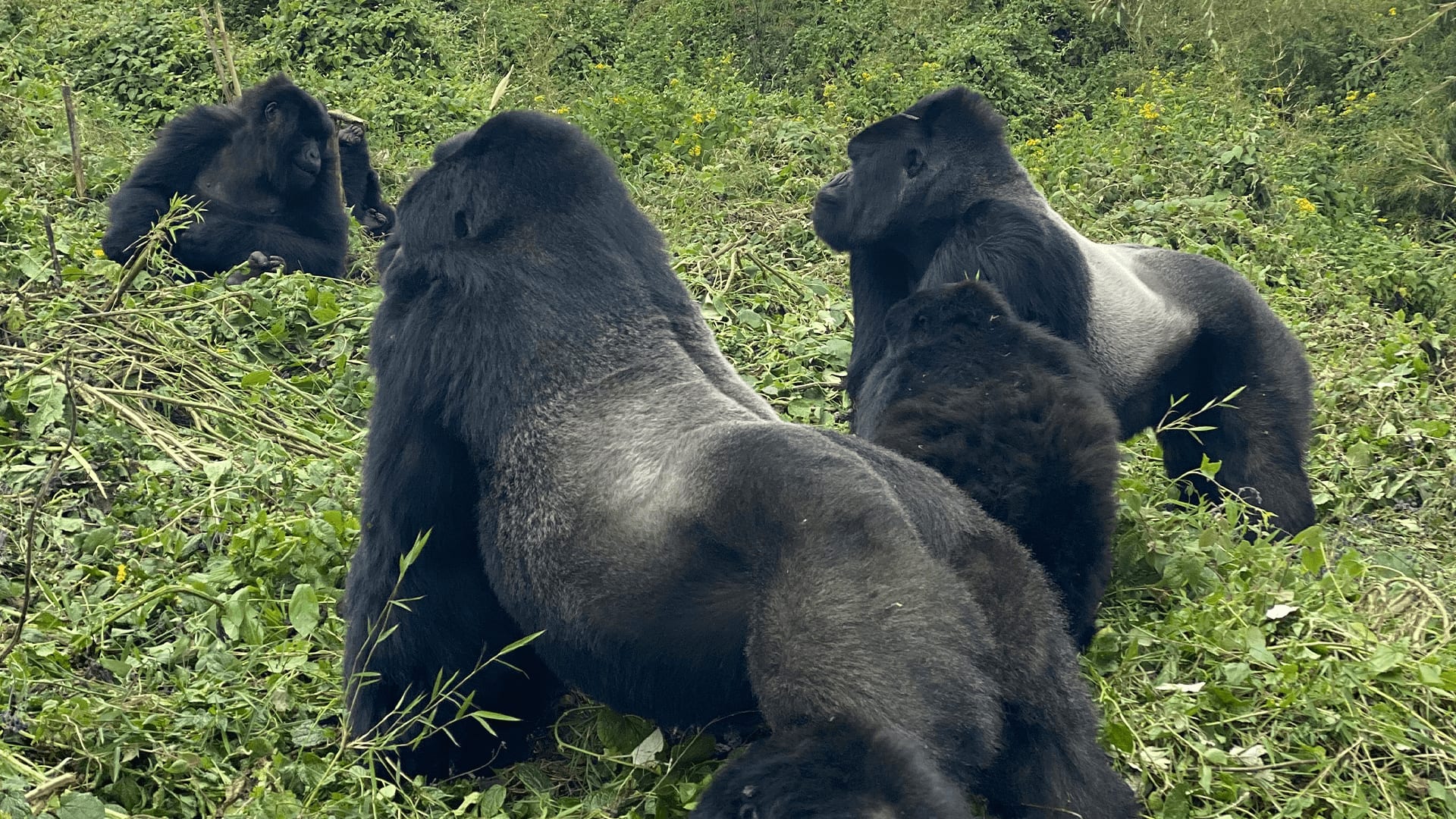
Bwindi is Uganda's premier gorilla trekking destination and one of the most important reasons the country belongs in any serious discussion of the best safari locations in Africa. The park is a UNESCO-listed rainforest landscape with steep ridges, dense vegetation, and multiple trekking sectors, including Buhoma, Ruhija, Rushaga, and Nkuringo.
The key planning detail is that gorilla permits are sector-specific. A permit in one sector should match your lodge location, otherwise you can face very early starts or difficult transfers on mountain roads. Buhoma is often favored for accessibility and established lodge options. Rushaga and Nkuringo are excellent for travelers combining gorilla trekking with southern routes and dramatic scenery. Ruhija can work well for birding and for linking parts of the western circuit.
Plan Your Uganda Safari with Local Experts
 WhatsApp Us
Bwindi is best for travelers who want the emotional peak of seeing mountain gorillas in the wild. It is not a casual walk. Treks may be relatively short or physically demanding, depending on the gorilla group's location. Good footwear, rain protection, a porter, and realistic fitness expectations make a significant difference.
Mgahinga Gorilla National Park
Mgahinga is smaller than Bwindi but highly distinctive. It offers gorilla trekking in a volcanic setting, plus golden monkey tracking and impressive mountain views. Its limited permit availability gives it a more intimate feel, and it can be a strong choice for travelers who prefer quieter locations or want to combine primates with scenic hiking.
The park is also culturally significant, with opportunities to learn about Batwa heritage when arranged respectfully through appropriate community experiences. For travelers who have already visited Bwindi or want a more compact primate-focused extension, Mgahinga is a strategic addition.
Queen Elizabeth National Park
Queen Elizabeth National Park is one of Uganda's most versatile safari locations. It offers open plains, crater scenery, wetlands, woodland, and the famous Kazinga Channel. The boat safari on the channel is one of the most reliable wildlife experiences in the country, with hippos, crocodiles, buffalo, elephants, and abundant waterbirds often seen at close range.
The Kasenyi plains are a strong area for classic game drives, while the Ishasha sector in the south is known for tree-climbing lions. Sightings are never guaranteed, but Ishasha gives travelers a very specific wildlife objective and fits naturally between Queen Elizabeth's northern areas and Bwindi.
Queen Elizabeth is ideal for travelers who want variety without excessive remoteness. It pairs well with Kibale for chimpanzees and Bwindi for gorillas, making it a core part of many 8 to 10 day Uganda safari itineraries.
Kibale National Park
Kibale is Uganda's leading chimpanzee tracking destination. The forest around Kanyanchu is known for high-quality guided chimpanzee experiences, where visitors listen for calls, follow ranger instructions, and spend time observing chimpanzee behavior once a group is located.
The experience is very different from gorilla trekking. Chimpanzees move quickly, vocalize loudly, interact energetically, and create a sense of forest drama. A Kibale visit is often complemented by Bigodi Wetland Sanctuary, which adds birding, community guiding, and a slower look at the forest edge ecosystem.
For 2026 budget planning, Kibale chimpanzee tracking permits for foreign non-residents are commonly planned at about $250 per person, subject to official tariff confirmation at booking. Because permits can sell out in peak months, serious travelers should reserve early, especially when combining chimpanzees with gorillas.
Murchison Falls National Park
Murchison Falls National Park is Uganda's most powerful Nile safari location. The park combines savannah game drives with a dramatic river system and the thunderous falls where the Nile forces through a narrow rock gap. The northern bank is especially important for game drives, with giraffes, elephants, buffalo, lions, antelope, and occasional leopard sightings.
The boat cruise toward the falls is a signature experience. It is not just scenic; it also gives excellent opportunities to see hippos, crocodiles, elephants, and waterbirds. Many itineraries combine Murchison Falls with Ziwa Rhino Sanctuary, creating Uganda's strongest Big Five route when rhino tracking is included.
For travelers interested in the range of species across the country, PawMac Safaris also explains the safari animals you can see in Uganda in more detail.
Kidepo Valley National Park
Kidepo Valley National Park is Uganda's remote wilderness statement. It is far from the standard western circuit, which is exactly why it appeals to repeat safari travelers and guests seeking exclusivity. The landscapes feel vast, dry, and cinematic, with open valleys, rugged hills, and wildlife adapted to a more remote environment.
Kidepo is known for strong buffalo herds, lions, elephants, giraffes, zebras, and species that are harder to see elsewhere in Uganda. It is best done with at least three nights due to the travel time involved. Travelers with premium budgets may consider flying options where available, while overland routes require careful planning and a willingness to embrace longer distances.
Lake Mburo, Ziwa Rhino Sanctuary, and smart add-ons
Lake Mburo National Park is compact, accessible, and useful for travelers who want a softer landing or a final wildlife stop before returning to Entebbe. It is known for zebras, impalas, elands, birdlife, and guided activities that may include walking safaris where conditions and park regulations allow.
Ziwa Rhino Sanctuary is not a national park, but it plays a crucial role in Uganda safari planning because it offers guided rhino tracking and helps complete a Big Five focused route when combined with Murchison Falls and other savannah parks. For birders and travelers with specific interests, Mabamba Swamp near Entebbe can also be considered for shoebill-focused excursions.
Uganda Safari Location Comparison Table
The right safari location depends on your priority. Some parks are best for first-time visitors, while others reward travelers with more days, higher budgets, or a taste for remoteness.
| Uganda safari location | Best for | Ideal stay | Planning note |
|---|---|---|---|
| Bwindi Impenetrable National Park | Mountain gorilla trekking | 2 to 3 nights | Match the lodge to the correct gorilla trekking sector |
| Mgahinga Gorilla National Park | Gorillas, golden monkeys, volcano scenery | 2 nights | Best for quieter primate-focused itineraries |
| Queen Elizabeth National Park | Boat safaris, lions, elephants, varied habitats | 2 to 3 nights | Combine Kasenyi, Kazinga Channel, and Ishasha if time allows |
| Kibale National Park | Chimpanzee tracking and forest experiences | 2 nights | Book chimpanzee permits early in peak months |
| Murchison Falls National Park | Nile scenery, game drives, Big Five routing with Ziwa | 2 to 3 nights | Strong for first-time Uganda safari travelers |
| Kidepo Valley National Park | Remote wilderness and exclusivity | 3 nights or more | Best with a longer trip or flight-supported itinerary |
| Lake Mburo National Park | Short safari add-on, zebras, walking activities | 1 to 2 nights | Useful near the start or end of a western route |
| Ziwa Rhino Sanctuary | Guided rhino tracking | Half day to 1 night | Pairs naturally with Murchison Falls |
Cost Reality: What Premium Travelers Should Budget in 2026
Uganda can work for budget-conscious travelers, but its most iconic experiences require transparent planning. Gorilla and chimpanzee permits are fixed high-value components, while the rest of the budget depends on season, accommodation level, vehicle type, group size, and routing.
For 2026 planning, Uganda gorilla permits for foreign non-residents are commonly budgeted at $800 per person for one trek. Foreign resident, rest of Africa, and East African citizen categories may have different tariffs. Kibale chimpanzee tracking is commonly planned at about $250 per foreign non-resident. These fees should always be reconfirmed at the time of booking because official tariffs and availability can change.
| Cost item | Realistic 2026 planning range | What affects the final price |
|---|---|---|
| Gorilla trekking permit | About $800 per foreign non-resident | Official tariff category, availability, trekking sector |
| Kibale chimpanzee permit | About $250 per foreign non-resident | Official tariff category and preferred tracking date |
| Midrange lodge accommodation | Often $180 to $350+ per person sharing per night | Park location, season, meal plan, room category |
| Luxury lodge accommodation | Often $450 to $1,200+ per person sharing per night | Exclusivity, views, access, guiding standards, peak dates |
| Private safari vehicle and guide | Varies widely by route and days | Fuel distance, vehicle type, guide expertise, group size |
| Domestic flights or charter support | Premium add-on | Route, luggage limits, airstrip access, seasonal schedules |
A private 7 day Uganda itinerary with gorilla trekking, chimpanzees, and one savannah park often falls into a broad midrange planning band of about $3,200 to $5,500 per person sharing, excluding international flights and depending heavily on lodges and routing. A luxury version can move beyond $6,500 to $12,000+ per person when premium lodges, flights, and private pacing are included.
For 10 to 12 days, a strong midrange private safari often sits around $4,800 to $8,500+ per person sharing, while luxury itineraries with top lodges and flight support may reach $9,000 to $18,000+ per person. These are not package guarantees. They are realistic planning bands to help travelers understand why early consultation matters.
Season also matters. June to September and December to February are high-demand periods, especially for gorilla permits and premium lodges. March to May and parts of October to November may offer better lodge value, but forest trekking can be muddier and some roads require more flexibility.

Best Uganda Safari Routes by Trip Length
Uganda rewards careful route design. The question is not simply which parks are best. It is which parks fit your available days without turning the trip into a sequence of transfers. A premium safari should feel paced, not squeezed.
5 to 7 days
A 5 to 7 day itinerary should be focused. The strongest options are gorilla trekking plus either Queen Elizabeth National Park or Kibale National Park. If you have only 5 days, you may need to prioritize one main wildlife theme and accept longer travel days or consider flight support where practical.
A strong 7 day route can include Entebbe, Kibale, Queen Elizabeth, and Bwindi, though it should be designed with realistic drive times. This is a good choice for travelers who want primates and a taste of savannah without trying to cover the whole country.
8 to 10 days
This is the ideal range for many first-time Uganda safari travelers. It allows a richer western circuit, often including Kibale for chimpanzees, Queen Elizabeth for boat safaris and game drives, Bwindi for gorillas, and Lake Mburo as a gentle final stop. Some itineraries may substitute Murchison Falls depending on priorities.
With 8 to 10 days, you can include two major primate experiences without sacrificing comfort. You also have more room to choose better lodge locations, reduce early departures, and include cultural or community-based experiences without feeling rushed.
11 to 14 days or longer
Longer itineraries make Uganda shine. You can combine Murchison Falls and Ziwa Rhino Sanctuary with Kibale, Queen Elizabeth, Bwindi, Mgahinga, and Lake Mburo. With 14 days or more, Kidepo Valley becomes more realistic, especially for travelers who want remote wilderness in addition to gorillas.
This length is best for premium travelers who want a complete Uganda safari rather than a highlights trip. It allows better pacing, more time for photography, and a stronger balance between high-intensity trekking days and relaxed lodge time.
When to Choose Each Safari Location
Uganda is a year-round safari destination, but timing affects comfort, availability, and cost. The drier periods from June to September and December to February are popular for trekking and game drives. Trails are generally more manageable, wildlife can be easier to locate near water, and road conditions are often more predictable.
The wetter months from March to May and October to November can still be rewarding. Forests are lush, birding is excellent, and some lodges may offer better value. The trade-off is mud, rain interruptions, and the need for flexible expectations, especially in forest and mountain areas.
| Travel priority | Best Uganda locations | Timing insight |
|---|---|---|
| Gorilla trekking comfort | Bwindi, Mgahinga | Drier months usually make trails easier, but rain is possible year-round |
| Chimpanzee tracking | Kibale | Good year-round, with early booking recommended in peak seasons |
| Boat safaris | Queen Elizabeth, Murchison Falls | Strong in most months, with water-based sightings often reliable |
| Big Five focused route | Ziwa, Murchison Falls, Queen Elizabeth | Best with enough days to avoid rushing between regions |
| Remote wilderness | Kidepo Valley | Dry months can be logistically easier and better for visibility |
| Birding | Kibale, Queen Elizabeth, Mabamba, Bwindi | Wetter and shoulder seasons can be excellent for keen birders |
For a more detailed month-by-month breakdown, see PawMac Safaris' guide on the best time to visit Uganda for wildlife safaris.
What Makes Uganda a Stronger Choice Than a Generic Africa Safari
Uganda is not the answer for every traveler. If your only goal is endless plains and maximum herd density, a generic safari wish list may point you elsewhere. But if your goal is a more complete wildlife journey, Uganda becomes extremely persuasive.
The country gives you rare primates, classic savannah animals, major river systems, highland forest, volcanic scenery, papyrus wetlands, and warm cultural depth in one itinerary. This makes it especially suitable for honeymooners, families with older children, photographers, conservation-minded travelers, and guests who have already done a conventional safari and want something more layered.
Uganda also has a strong sense of narrative. You do not just see animals. You move through changing ecosystems and understand why each place matters. Bwindi feels ancient and intimate. Kibale is alive with sound. Queen Elizabeth is diverse and accessible. Murchison Falls is powerful and dramatic. Kidepo feels wild and distant. Together, they make Uganda far more than a single safari stop.
Planning Standards That Separate a Good Safari From a Great One
A Uganda safari succeeds or fails in the planning details. The country is rewarding, but it is not a destination where travelers should casually stitch together parks without expert guidance. Permits, road conditions, lodge locations, trekking sectors, park gates, ferry schedules, and rest days all matter.
Permit timing and route design
Gorilla permits should be secured before building the rest of the itinerary, especially for peak travel months. Once the permit sector is confirmed, the lodge and transfer route should be chosen around it. Chimpanzee permits should also be reserved early when Kibale is part of the trip.
A common mistake is underestimating drive times. Uganda's landscapes are beautiful, but roads can be slow, especially near mountain and park areas. A well-designed itinerary treats transfers as part of the experience while still protecting energy for trekking days.
Guide quality, vehicles, and pacing
A successful safari is a field operation, not just a holiday booking. It requires sequencing, local judgment, safety awareness, and contingency planning. That principle is familiar in complex technical sectors too, where disciplined project execution matters from planning to delivery, as seen in engineering solutions from concept to execution. On safari, the same mindset becomes practical: permits confirmed, routes tested, vehicles prepared, timing realistic, and guest comfort protected.
PawMac Safaris focuses on expert local guiding, personalized safari planning, comfortable 4×4 vehicles, and flexible itinerary design across budget, midrange, and luxury travel styles. The value of a good guide is not only in spotting wildlife. It is in reading animal behavior, choosing the right time to approach a location, managing guest expectations, and connecting each sighting to the wider conservation story.
Premium travelers should also think carefully about pacing. Gorilla trekking is emotionally powerful and physically demanding. Chimpanzee tracking can be fast and energetic. Long game drives are exciting but tiring. The best itineraries include enough downtime to enjoy the lodge, review photographs, and absorb the experience.
Frequently Asked Questions
Is Uganda one of the best safari locations in Africa? Yes. Uganda is one of the strongest safari choices for travelers who want both primate trekking and classic wildlife. Its combination of mountain gorillas, chimpanzees, Nile boat safaris, rhino tracking, savannah game drives, and rich birdlife makes it unusually complete.
Which Ugandan park is best for gorilla trekking? Bwindi Impenetrable National Park is the main gorilla trekking destination, with multiple sectors and a wide range of lodge options. Mgahinga Gorilla National Park is also excellent for travelers seeking a smaller volcanic setting with gorillas and golden monkeys.
Can I see the Big Five in Uganda? Yes, with the right itinerary. Rhinos are tracked at Ziwa Rhino Sanctuary, while lions, leopards, elephants, and buffalo can be included through parks such as Murchison Falls and Queen Elizabeth. Sightings depend on conditions, time, and guiding.
How much does a Uganda safari cost in 2026? A private 7 day midrange safari with gorilla and chimpanzee experiences often requires a broad planning budget of about $3,200 to $5,500+ per person sharing, excluding international flights. Luxury versions can be significantly higher, especially with premium lodges and flight support.
How many days do I need for a Uganda safari? Seven days can cover gorillas, chimpanzees, and one savannah park if planned carefully. Eight to ten days is better for a balanced first trip. Eleven to fourteen days or more allows a fuller Uganda circuit, possibly including Murchison Falls, Mgahinga, Lake Mburo, or Kidepo Valley.
Is Uganda better for luxury or budget safaris? Uganda can support both, but its iconic experiences require careful budgeting because permits are fixed high-value costs. Luxury travelers benefit from premium lodges, private pacing, and flight-supported routing, while budget-conscious travelers can still achieve excellent experiences with smart lodge choices and realistic routing.
Plan Your Uganda Safari With PawMac Safaris
Uganda makes a powerful case because it offers more than a standard safari checklist. It gives you rare wildlife, varied landscapes, meaningful guiding, and the chance to experience the Pearl of Africa through a route designed around your priorities.
If you are planning a 2026 Uganda safari, work with PawMac Safaris to shape the right balance of gorilla trekking, chimpanzee tracking, Big Five routing, cultural experiences, comfort level, and budget. The best safari locations in Africa are not only about where you go. They are about how well the journey is planned.


