


- 113 Views
- 17 Min Read
- (0) Comment
The best time for African safari is not one universal month. It depends on the country, the wildlife experience, and the kind of travel rhythm you want. If Uganda is on your shortlist, the smartest way to choose dates is to start with Uganda seasons, then match them to gorilla trekking, chimpanzee tracking, savanna game drives, boat safaris, birding, and your budget.
Uganda is especially rewarding because it does not force travelers into a single narrow safari window. The country has two generally drier periods and two wetter green seasons, each with clear advantages. For 2026 planning, that means you can design a premium safari around comfort and visibility, or choose quieter months for lush scenery, photography, and better lodge availability.
Table of Contents
- Why Uganda Is the Smart Starting Point
- Uganda Safari Seasons at a Glance
- Dry Season Safaris in Uganda
- June to September
- December to February
- Green Season Safaris in Uganda
- March to May
- October to November
- Best Time by Safari Experience
- 2026 Budget and Permit Planning
- Month by Month Uganda Safari Calendar
- How to Choose Your Best Time
- Frequently Asked Questions
- Plan Your Uganda Safari With PawMac Safaris
Why Uganda Is the Smart Starting Point
Many travelers ask about the best time for African safari as if Africa has one shared safari calendar. Uganda proves why that approach is too broad. Its location near the equator, varied altitude, rainforest ecosystems, open savannas, lakes, wetlands, and mountain terrain create a safari calendar with more nuance than a simple dry season versus rainy season answer.
A single Uganda itinerary can combine mountain gorillas in Bwindi Impenetrable National Park, chimpanzees in Kibale Forest, big game in Queen Elizabeth National Park or Murchison Falls National Park, rhino tracking at Ziwa Rhino Sanctuary, boat safaris on the Nile or Kazinga Channel, and cultural encounters with local communities. This variety makes timing important, but it also gives you more flexibility than destinations built mainly around one wildlife spectacle.
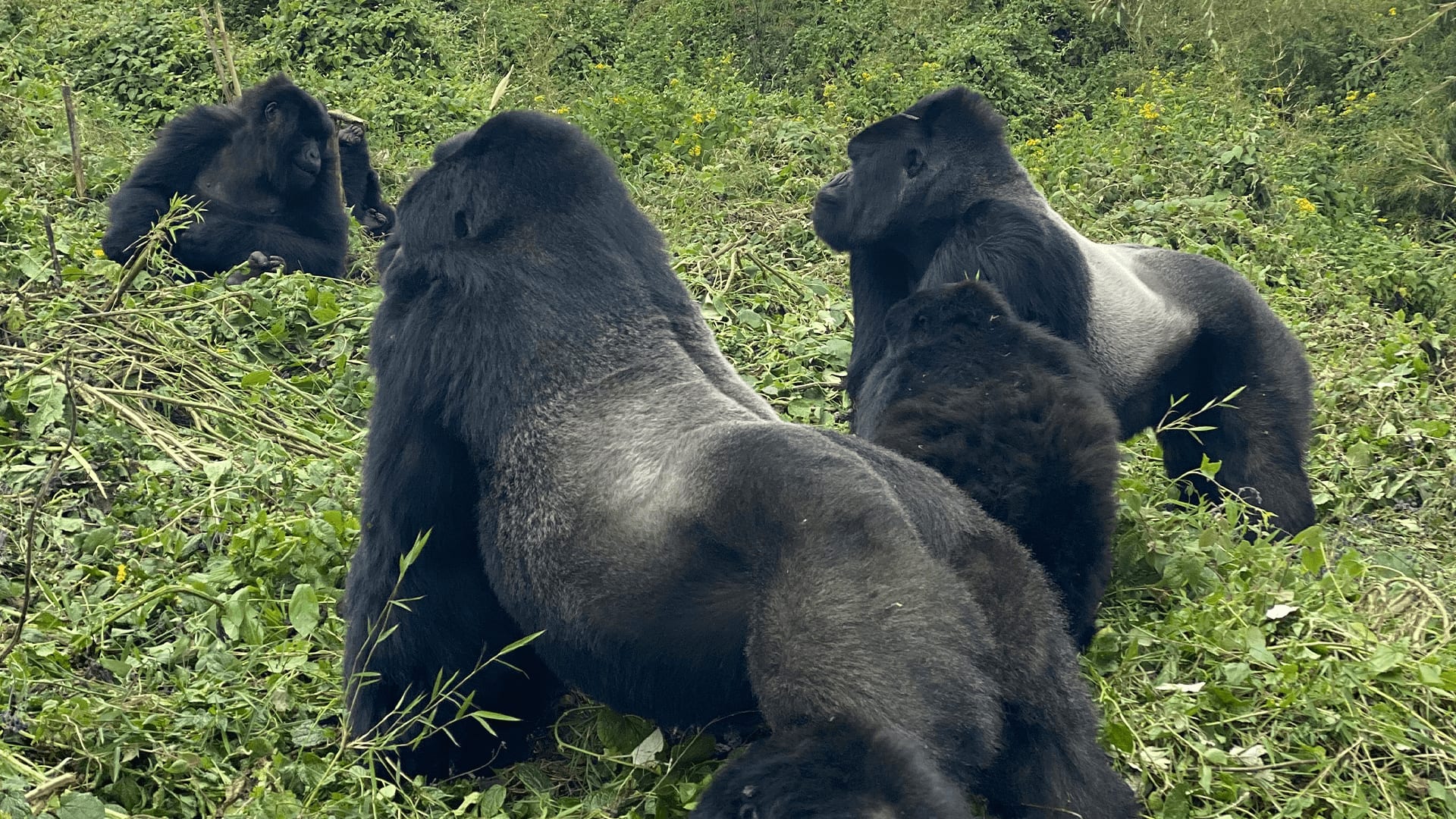
Uganda is also a strong first choice because gorilla trekking is available throughout the year. Trails can be more comfortable in the dry months, but permits are issued year-round and sightings are highly reliable because each trek visits habituated gorilla families with trained ranger guides. If you are still shaping the larger structure of your journey, PawMac Safaris has a helpful guide on how to plan an Africa safari trip starting with Uganda.
The real question is not only when Uganda is good. It is when Uganda is best for you.
Uganda Safari Seasons at a Glance
Uganda has four broad safari periods. The dry seasons usually run from June to September and December to February. The wetter green seasons typically fall from March to May and October to November. Weather patterns can shift, especially in forest and mountain regions, but this framework is the most practical starting point for planning.
Rain in Uganda rarely means every hour of every day is wet. In many areas, showers arrive in bursts, followed by bright skies. Forest parks can receive rain even in dry months, and high-altitude areas such as Bwindi are naturally cooler and more humid than the savanna plains.
| Season | Typical months | Safari strengths | Planning considerations |
|---|---|---|---|
| Long dry season | June to September | Gorilla trekking comfort, strong savanna visibility, peak classic safari demand | Book permits and top lodges early, especially for July and August |
| Short dry season | December to February | Warm weather, good game drives, festive travel, excellent private safari timing | Holiday pricing can rise in late December and early January |
| Long green season | March to May | Lush landscapes, fewer crowds, birding, photography, possible lodge value | Trails can be muddy and some long drives take more time |
| Short green season | October to November | Quieter parks, fresh vegetation, birding, flexible lodge availability | Rain showers are likely, so itinerary pacing matters |
A well-planned Uganda safari is less about avoiding rain entirely and more about matching the season to your priorities. A honeymoon couple may prefer the privacy of a shoulder month. A photographer may love dramatic skies and green backdrops. A first-time safari guest who wants the easiest trail conditions may prioritize June to September or December to February.
Dry Season Safaris in Uganda
Dry season is the most popular answer for travelers asking about the best time for African safari in Uganda. It offers easier movement in many parks, better wildlife visibility in savanna areas, and more predictable trekking conditions in forest regions. It is also the period when demand is highest, particularly for premium lodges and gorilla permits.
Dry season does not mean Uganda becomes barren. Forests remain green, waterways still attract wildlife, and the country keeps its lush character. The main difference is that grasses may be shorter in savanna areas, wildlife often gathers more predictably near water, and trekking paths are generally less slippery.
Plan Your Uganda Safari with Local Experts
 WhatsApp Us
June to September
June to September is Uganda's strongest all-round safari window. For many travelers, especially those visiting Uganda for the first time, this is the safest recommendation. Gorilla trekking in Bwindi and Mgahinga is usually more comfortable than in heavy-rain months, while wildlife viewing in Murchison Falls, Queen Elizabeth, Kidepo Valley, and Lake Mburo is consistently rewarding.
July and August are peak demand months because they align with summer holidays in Europe and North America. If you want specific luxury lodges near Bwindi or premium rooms overlooking the Nile in Murchison Falls, planning 9 to 12 months ahead is wise. Gorilla permits can also become limited on preferred dates, particularly for popular trekking sectors in Bwindi.
This season is excellent for travelers who want a polished, high-comfort itinerary with fewer weather disruptions. It is also ideal for families, older travelers, and guests who prefer more reliable road conditions.
December to February
December to February is Uganda's shorter dry season, and it can be one of the most attractive periods for private safaris. January and February are especially good for game drives because many areas are drier, visibility improves, and wildlife activity around water sources can be strong.
Late December brings festive-season demand, so premium lodge rates and availability should be treated carefully. If you want to travel over Christmas or New Year, confirm your route, permits, and lodge choices early. For travelers with flexibility, mid-January to February can deliver a strong balance of weather, wildlife, and smoother logistics.
This period is also appealing for couples and honeymooners who want a warm-weather safari after a wedding. If your Uganda safari is part of a wedding or honeymoon timeline, handle attire, documents, and packing well before permit deadlines. Travelers based in the Netherlands, for example, may want to arrange a bridalwear appointment before departure so the safari planning calendar does not collide with wedding preparations.
Green Season Safaris in Uganda
Green season is often misunderstood. It is not the wrong time to visit Uganda. It is a different style of safari. The landscapes are lush, skies can be dramatic, birdlife is excellent, and parks often feel more private. For travelers who value atmosphere and photography as much as dry-road convenience, the wetter months can be deeply rewarding.
The key is realistic planning. You need a good 4×4 vehicle, enough time between destinations, experienced local guides, and smart lodge selection. PawMac Safaris builds Uganda safari itineraries with these seasonal details in mind, including route pacing and park combinations that reduce unnecessary backtracking.
March to May
March to May is Uganda's long green season. April and May are usually the wettest months in many regions, although rainfall varies by altitude and location. Forest treks can be muddy, but gorilla sightings remain possible, and the rainforest atmosphere is powerful. Mist, dense greenery, and quieter trails can make the experience feel intimate and cinematic.
For savanna parks, tall grass may reduce visibility in some areas, but the scenery becomes exceptionally beautiful. Photographers often appreciate the softer light, rich colors, and fewer vehicles at sightings. Birders also benefit from active breeding behavior and abundant food sources.
This season may offer better lodge availability and occasional value compared with peak dry months. However, do not assume gorilla permits are discounted. Uganda gorilla permits are regulated, and the permit price is generally not a seasonal bargain item. Savings, when available, are more likely to come from lodge offers, room category choices, or itinerary design.
October to November
October to November is the short green season. It is a good compromise for travelers who want fewer crowds but do not want to commit to the wetter conditions of April or May. Rain showers are common, yet many days still include clear windows for trekking and game viewing.
This period can be excellent for birding, especially as migratory species begin arriving. It is also a strong option for travelers who want a quieter version of Uganda's headline experiences. Gorilla trekking permits may be easier to secure than in July or August, and lodges may have more flexible availability.

Best Time by Safari Experience
The best Uganda safari season depends on what you most want to experience. A gorilla-focused itinerary has different timing priorities from a birding safari, a luxury honeymoon, or a Big Five route. The table below gives a practical comparison for 2026 planning.
| Safari goal | Best months | Why it works | Budget note |
|---|---|---|---|
| Gorilla trekking | June to September, December to February | Trails are often drier and more comfortable, though trekking is possible year-round | Uganda gorilla permits for foreign non-residents are currently USD 800 per person |
| Chimpanzee tracking | June to September, December to February | Forest access is generally easier, and Kibale tracking logistics are smoother | Kibale chimpanzee permits for foreign non-residents are currently about USD 250 per person |
| Classic savanna game drives | June to September, January to February | Shorter grass and water concentration can improve wildlife visibility | Park fees, vehicle use, fuel, and guide time affect daily safari cost |
| Birding | November to April | Migratory birds, breeding plumage, and lush habitats enhance sightings | Specialist birding guides may increase daily guide costs but improve results |
| Photography | March to May, October to November, late dry season | Green landscapes, cloud drama, and fewer vehicles can improve composition | Private vehicles are worth considering for serious photographers |
| Luxury honeymoon | January to February, June, September, November | Strong balance of weather, comfort, and privacy outside the busiest festive weeks | Premium lodges can range from USD 600 to USD 1,500 plus per room per night |
| Big Five style Uganda route | June to September, December to February | Strong timing for rhino tracking, Murchison Falls, Queen Elizabeth, and other savanna areas | Longer routes cost more because of fuel, park entries, and multiple lodge nights |
For gorilla trekking, the most important timing factor after weather is permit availability. Bwindi has multiple trekking sectors, and each sector connects best with certain routes and lodges. Choosing a date before choosing a route can create unnecessary driving. A local planner can align your permit sector with the right accommodation and onward safari flow.
For chimpanzee tracking, Kibale Forest is Uganda's flagship destination. Morning and afternoon tracking options may be available, but popular dates fill early. If chimpanzees are a major priority, build the itinerary around Kibale rather than adding it as an afterthought.
For savanna wildlife, Murchison Falls National Park is especially strong in dry periods, with game drives and Nile boat safaris combining well. Queen Elizabeth National Park is excellent for varied landscapes, the Kazinga Channel, and access to the southern Ishasha sector, known for its tree-climbing lions. Kidepo Valley National Park is remote and dramatic, best suited to travelers with enough time or budget for a carefully planned route.
2026 Budget and Permit Planning
Season affects cost, but not always in the way travelers expect. In Uganda, the largest fixed costs are often permits, private transport, park fees, and lodge category. Dry season may raise accommodation demand, but a luxury safari in green season can still cost more than a budget safari in peak season because lodge level and routing matter so much.
For 2026 planning, use the following cost framework as a realistic starting point. Always confirm final prices before booking because official tariffs, exchange rates, lodge rates, and fuel costs can change.
| Cost item | Typical 2026 planning range | Notes |
|---|---|---|
| Gorilla trekking permit | USD 800 per foreign non-resident | Permit is per person, per trek, and should be booked early |
| Kibale chimpanzee tracking permit | About USD 250 per foreign non-resident | Other chimpanzee locations may differ in price and experience |
| Budget to lower mid-range private safari | About USD 220 to USD 350 per person per day | Usually simpler lodges, shared cost advantages with more travelers |
| Mid-range private safari | About USD 350 to USD 650 per person per day | Often the best balance of comfort, guiding, and value |
| Luxury private safari | About USD 700 to USD 1,500 plus per person per day | Premium lodges, upgraded rooms, private pacing, and remote routing increase cost |
| Premium lodge room in peak areas | About USD 600 to USD 1,500 plus per room per night | Gorilla and wilderness lodges can exceed this depending on exclusivity |
| Park entry and activity fees | Often from about USD 40 per person per day in many parks | Varies by park, residency category, and activity |
The biggest budget mistake is pricing Uganda as only a gorilla trek. A high-quality Uganda safari needs enough time and comfort around that trek. For example, a 3-day gorilla-only trip may look efficient, but it can feel rushed after international flights and long drives. A 7 to 10-day itinerary gives you room for gorillas, chimpanzees, Queen Elizabeth or Murchison Falls, and recovery time between major experiences.
Another key factor is group size. A private 4×4 vehicle, guide, and fuel cost are shared more efficiently by two to six travelers than by one solo traveler. Solo premium travelers can still enjoy an outstanding safari, but the per-person cost is naturally higher.
If this is your first time in Uganda, review practical planning details such as visas, health preparation, packing, drive times, and luggage choices in these Uganda safari tips for first-time visitors. Good preparation protects both your comfort and your budget.
Month by Month Uganda Safari Calendar
A month-by-month view helps turn general seasons into practical choices. Uganda is a year-round safari destination, but each month has a distinct personality.
| Month | Safari character | Best for | Planning advice |
|---|---|---|---|
| January | Dry, warm, strong wildlife viewing | Game drives, gorillas, private luxury safaris | Excellent month after festive crowds reduce |
| February | Dry and often hot in savanna areas | Wildlife visibility, gorilla trekking, photography | Good for travelers who want strong conditions before long rains |
| March | Transition into wetter conditions | Birding, green landscapes, quieter routes | Build in time for showers and slower roads |
| April | Often one of the wettest months | Lush photography, low crowds, rainforest atmosphere | Best for flexible travelers, not rushed itineraries |
| May | Wet to improving conditions toward late month | Value seekers, photographers, birders | Late May can be attractive as parks move toward drier weather |
| June | Start of long dry season | Gorilla trekking, savanna safaris, family travel | Book early for popular lodges and permits |
| July | Peak dry season demand | First-time visitors, families, classic safari routes | Expect premium availability pressure |
| August | Peak travel month | Gorilla trekking, game drives, boat safaris | Secure permits and rooms well in advance |
| September | Excellent late dry season | Luxury travelers, photographers, balanced itineraries | Often a strong mix of conditions and slightly less pressure than August |
| October | Short rains begin in many areas | Birding, quieter gorilla trekking, flexible safaris | Carry rain gear and allow relaxed pacing |
| November | Green, atmospheric, less crowded | Birding, photography, honeymoon privacy | Good lodge availability can improve itinerary quality |
| December | Short dry season and festive demand | Families, couples, warm-weather holidays | Book early, especially around Christmas and New Year |
If you want the most conservative weather choice, choose July, August, January, or February. If you want a premium safari with fewer crowds, consider June, September, or November. If you are a photographer or repeat safari traveler, April, May, October, and November may be more appealing than you expect.
How to Choose Your Best Time
The best time for African safari in Uganda is the month that aligns weather, wildlife, budget, and travel purpose. Instead of starting with a generic safari calendar, start with your non-negotiables.
If gorilla trekking is your main reason for traveling, choose your date around permit availability and trekking sector. If luxury lodge comfort is the priority, check room availability before locking flights. If photography matters most, think beyond dry weather and consider light, color, vehicle flexibility, and crowd levels. If budget matters, compare shoulder and green months before assuming the cheapest itinerary is the shortest one.
| Traveler profile | Recommended timing | Why |
|---|---|---|
| First-time Uganda safari guest | June to September or January to February | Reliable conditions and strong wildlife visibility |
| Honeymoon or anniversary traveler | January to February, June, September, or November | Good balance of comfort, privacy, and premium lodge options |
| Photographer | March to May, September, October to November | Better skies, lush landscapes, and distinctive light |
| Birder | November to April | Migrants and active resident species improve diversity |
| Budget-conscious traveler | March to May or October to November | More lodge flexibility and fewer peak-season pressures |
| Family traveler | June to August or December holidays | School holiday compatibility and generally easier logistics |
For most premium travelers, the sweet spot is not always the busiest month. June and September can be excellent because they sit close to peak conditions while sometimes offering a calmer experience than July and August. January and February are also strong, especially for travelers who want to avoid the European and North American summer rush.
PawMac Safaris helps travelers make these decisions with local knowledge, expert-guided planning, comfortable 4×4 vehicles, and safari packages that can be tailored from budget-conscious to luxury. The goal is not simply to put you in Uganda during a good month. It is to match the right parks, lodges, permits, activities, and pacing to the season you choose.
Frequently Asked Questions
What is the overall best time for an Uganda safari? The most popular periods are June to September and December to February because they are generally drier, with easier trekking conditions and strong wildlife visibility. However, Uganda is a year-round safari destination, and green season months can be excellent for birding, photography, privacy, and value.
Is gorilla trekking better in the dry season? Dry season usually gives more comfortable trail conditions because paths are less muddy. That said, gorilla trekking in Bwindi and Mgahinga operates year-round, and rainforest rain is possible in any month. Permit availability, trekking sector, fitness, and guiding quality are also important.
When should I book a 2026 Uganda gorilla permit? For peak months such as July, August, December, January, and February, booking 6 to 12 months ahead is recommended. If you need specific dates, luxury lodges, or a particular Bwindi sector, earlier planning gives you better options.
Are Uganda safaris cheaper in the rainy season? They can be, mainly through lodge availability or seasonal offers, but core costs such as gorilla permits usually remain fixed. Green season can still offer excellent value because fewer crowds may improve room choice, guiding flexibility, and the overall feel of the safari.
How much should I budget for a Uganda safari in 2026? A private Uganda safari can range from about USD 220 to USD 350 per person per day for budget to lower mid-range travel, USD 350 to USD 650 for mid-range, and USD 700 to USD 1,500 plus for luxury. Gorilla and chimpanzee permits are additional major cost factors unless already included in your quote.
What month should photographers choose for Uganda? Photographers often enjoy March to May, September, October, and November because of lush landscapes, dramatic skies, and fewer vehicles in some areas. Dry months are still excellent for wildlife visibility, but green months can produce more atmospheric images.
Plan Your Uganda Safari With PawMac Safaris
Uganda gives you more than one right answer. The best season depends on whether your dream is a close gorilla encounter, a Big Five style route, chimpanzee tracking, a luxury honeymoon, a family safari, or a photography-focused journey through the Pearl of Africa.
With PawMac Safaris, your timing decision becomes part of a complete safari strategy. The team combines local expertise, professional planning, expert guides, comfortable 4×4 vehicles, and flexible safari options to help you choose the right month, route, permits, and lodge level for your 2026 journey.
Start planning your Uganda safari with PawMac Safaris and turn the seasons into an advantage, not a complication.


