


- 111 Views
- 9 Min Read
- (0) Comment
TL;DR:
- Plan safaris during dry seasons for better road access and wildlife viewing.
- Choose family-friendly lodges with pools, flexible meals, and safety features.
- Keep drives short, limit park visits, and include engaging activities for children’s enjoyment.
Planning a family safari in Uganda is one of the most rewarding decisions you can make, but it also comes with real trade-offs. How do you balance thrilling wildlife encounters with the comfort and safety your children need? Many parents worry about long drives, unfamiliar food, health risks, and whether kids will stay engaged. Uganda’s national parks, from the open savannah of Queen Elizabeth to the papyrus-fringed shores of Lake Mburo, offer extraordinary experiences for families willing to plan carefully. This guide walks you through 10 practical tips to make your family safari safe, enjoyable, and genuinely memorable.
Table of Contents
- Start with the right timing and safari route
- Choose family-friendly accommodations
- Prioritize safety and health for children
- Keep the adventure fun and engaging for kids
- Why less is more for memorable family safaris
- Ready to plan your unforgettable Uganda family safari?
- Frequently asked questions
Key Takeaways
| Point | Details |
|---|---|
| Plan around the dry season | Traveling during Uganda’s dry months ensures easier access, better wildlife viewing, and less weather disruption for families. |
| Pick child-friendly lodges | Choose accommodations with family rooms, pools, and flexible meal options to keep children safe and happy. |
| Keep routes short and simple | Minimizing drive time reduces stress and fatigue, allowing more time for fun and rest. |
| Pack for comfort and safety | Bring malaria protection, sun gear, favorite snacks, and games to keep everyone healthy and entertained. |
| Quality time matters most | Prioritizing fewer stops and longer stays amplifies shared family memories and lowers travel stress. |
Start with the right timing and safari route
Choosing when and where to go shapes every other decision on your trip. Uganda has two dry seasons: June through August, and December through February. These windows offer better road conditions, fewer mosquitoes, and easier wildlife spotting across the parks. Dry season improves road accessibility and wildlife viewing, which matters enormously when you have young children in the vehicle. In fact, dry season safaris provide up to 30% more reliable access to remote park areas compared to the wet season.
For families, route planning is just as important as timing. A well-structured Uganda safari planning approach keeps driving distances short and rest stops frequent. Here are four route tips to build around:
- Limit daily drives to two hours maximum for families with children under 10. Long drives cause fatigue and frustration fast.
- Choose parks that are geographically close to each other, such as Queen Elizabeth and Lake Mburo, to reduce transit time.
- Limit the number of overnight stops to two or three parks per trip. Less packing and unpacking means less stress for everyone.
- Plan for midday breaks at lodges with pools or shaded outdoor areas so kids can decompress between game drives.
Pro Tip: Book lodges directly adjacent to park gates. This cuts transfer time and lets your family reach the action faster each morning.
Before you travel, review our family packing checklist to make sure nothing essential gets left behind.
Choose family-friendly accommodations
Not every safari lodge is built with children in mind. Once your route is set, selecting the right lodges becomes the single biggest factor in your family’s comfort. Look for properties that offer family cottages or interconnected rooms, swimming pools, kids’ menus, flexible mealtimes, and babysitting services.
Lodges like Mweya Safari Lodge, Buffalo Safari Lodge, and Kingfisher Lodge offer family rooms and pools, making them strong choices for Queen Elizabeth National Park. Rwakobo Rock Lodge in Lake Mburo is another favorite for families seeking a quieter, child-friendly atmosphere.
Here is a quick comparison of top family lodges in Uganda:
| Lodge | Location | Family rooms | Pool | Approx. price per night |
|---|---|---|---|---|
| Mweya Safari Lodge | Queen Elizabeth NP | Yes | Yes | $250 to $400 |
| Buffalo Safari Lodge | Queen Elizabeth NP | Yes | Yes | $180 to $300 |
| Kingfisher Lodge | Queen Elizabeth NP | Yes | Yes | $150 to $250 |
| Rwakobo Rock Lodge | Lake Mburo NP | Yes | No | $200 to $350 |
When evaluating lodges, prioritize these features:
- Fenced or supervised outdoor areas where children can move freely
- On-site dining with menu flexibility for picky eaters
- Evening activities such as cultural performances or guided stargazing
- Babysitting availability so parents can enjoy a sunset boat cruise
For a broader look at where to stay, explore Uganda’s best safari lodges and compare options across all major parks. You can also browse African safari destinations to see how Uganda stacks up.
Plan Your Uganda Safari with Local Experts
 WhatsApp Us
Pro Tip: Call lodges directly before booking to confirm child age policies and whether babysitting requires advance notice.
Prioritize safety and health for children
With accommodations locked in, health and safety planning becomes your next focus. Uganda sits in a malaria-endemic region, so malaria prophylaxis is non-negotiable for every family member. Consult your doctor at least six weeks before departure to discuss medication options and ensure all routine vaccinations are current.
Several family lodges provide babysitting and flexible meals, which reduces stress around mealtimes and allows parents to attend to health routines without disruption. Still, parents need a clear set of rules for children during game drives and nature walks.
Here are the top safety rules for children on a Uganda safari:
- Never exit the vehicle during a game drive unless a guide confirms it is safe.
- Always hold an adult’s hand on guided nature walks, especially near water sources.
- Stay quiet near wildlife to avoid startling animals and to improve sighting quality.
- Apply sunscreen and insect repellent before every outdoor activity, morning and evening.
- Drink only bottled or filtered water throughout the trip.
For the vehicle itself, ask your operator about child-appropriate seating. Many safari vehicles do not carry standard car seats, so bringing a portable travel seat for younger children is wise.
Your family health kit should include:
- Malaria prophylaxis medication for every traveler
- Broad-spectrum insect repellent (DEET-based for children over 2)
- High-SPF sunscreen and protective hats
- Oral rehydration sachets for heat or stomach issues
- Refillable water bottles and child-friendly snacks for drives
- Binoculars sized for small hands to keep kids engaged
“Quality of stops reduces fatigue for the entire family.”
For a full breakdown of Uganda family safari tours, including health-focused itineraries, PawMac Safaris offers tailored options built around child safety.
Keep the adventure fun and engaging for kids
Safety and health handled, the real goal is making each day genuinely exciting for your children. Kids who feel bored or passive during a safari quickly become restless. The solution is to give them active roles in the experience.
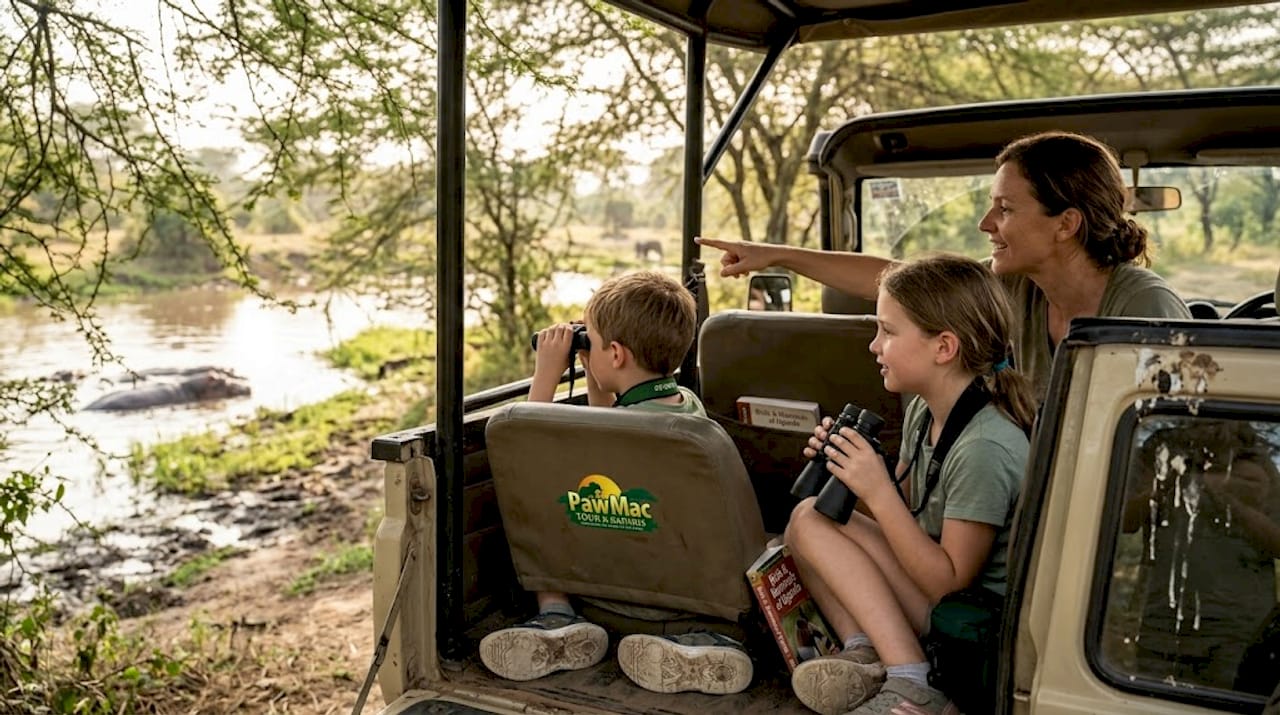
Lodges with pools and kid-specific amenities can prevent boredom and enhance the family experience between drives. But the game drives themselves can be just as engaging with the right tools.
During drives, try these engagement strategies:
- Wildlife checklists: Print a simple checklist of Uganda’s iconic animals. Kids love ticking off elephants, hippos, and Uganda kob as they spot them.
- Spot and learn games: Ask your guide to name each animal and encourage kids to repeat facts back.
- Journaling: Give older children a small notebook to sketch animals or record what they saw each day.
- Photo missions: Hand each child a simple camera or let them use your phone for dedicated photo sessions at scenic stops.
Pro Tip: Let each child choose one activity per day, whether it is a boat cruise, a nature walk, or a visit to a local village. Ownership over the schedule makes children far more cooperative and enthusiastic.
For in-lodge downtime, look for properties that offer evening storytelling, nature badge programs, or scavenger hunts. Bring coloring packs and favorite books for quiet periods after lunch. Rewarding kids at the end of each day with a small token, like a wildlife sticker or a stamp in their journal, keeps motivation high throughout the trip.
For inspiration from real families, visit the Uganda safari adventure stories on the PawMac Safaris blog.
Why less is more for memorable family safaris
Here is an insight that surprises many first-time safari families: trying to visit as many parks as possible often produces the least satisfying trips. The instinct to maximize destinations is understandable, but it works against you when children are involved.
More overnight stops increase packing stress; focusing on quality over quantity of parks consistently delivers better family outcomes. Packing and unpacking every two nights is exhausting for adults and disorienting for children. It fragments the experience into a blur of check-ins and check-outs rather than genuine discovery.
When families stay three or four nights in one park, something shifts. Children start recognizing individual animals. They build relationships with lodge staff. They begin asking questions rather than just reacting. That depth of engagement is simply not possible when you are rushing between five parks in seven days.
At PawMac Safaris, we consistently recommend two or three parks maximum for a 10-day family trip. Pair Queen Elizabeth with Lake Mburo for a southern circuit, or combine Murchison Falls with Ziwa Rhino Sanctuary for a northern route. Both options keep driving times manageable and allow real immersion. Explore personalized safari camp choices to find the right fit for your family’s pace and interests.
Ready to plan your unforgettable Uganda family safari?
You now have a clear framework: smart timing, short drives, the right lodges, solid health preparation, and activities that keep every child genuinely engaged. The next step is turning that framework into a real itinerary built around your family’s ages, interests, and travel style.

PawMac Safaris specializes in exactly this kind of personalized planning. Our Uganda safari tours are designed with families in mind, from child-friendly vehicle setups to lodge selections vetted for safety and fun. Browse our top Uganda wildlife tours to find a package that fits your family, or reach out to our team for a custom itinerary. We handle the logistics so you can focus on the memories.
Frequently asked questions
What age is suitable for a child on safari in Uganda?
Children as young as six can enjoy Uganda safaris, but parks with short drives, pools, and flexible activities work best. Family lodges offer pools and flexible meals that make younger children far more comfortable throughout the trip.
Are malaria precautions necessary for a family safari in Uganda?
Yes, malaria prophylaxis is strongly recommended for every traveler, including children. The dry season reduces mosquito exposure, but using nets and repellents at all lodges remains essential year-round.
Can kids participate in guided walks or gorilla trekking?
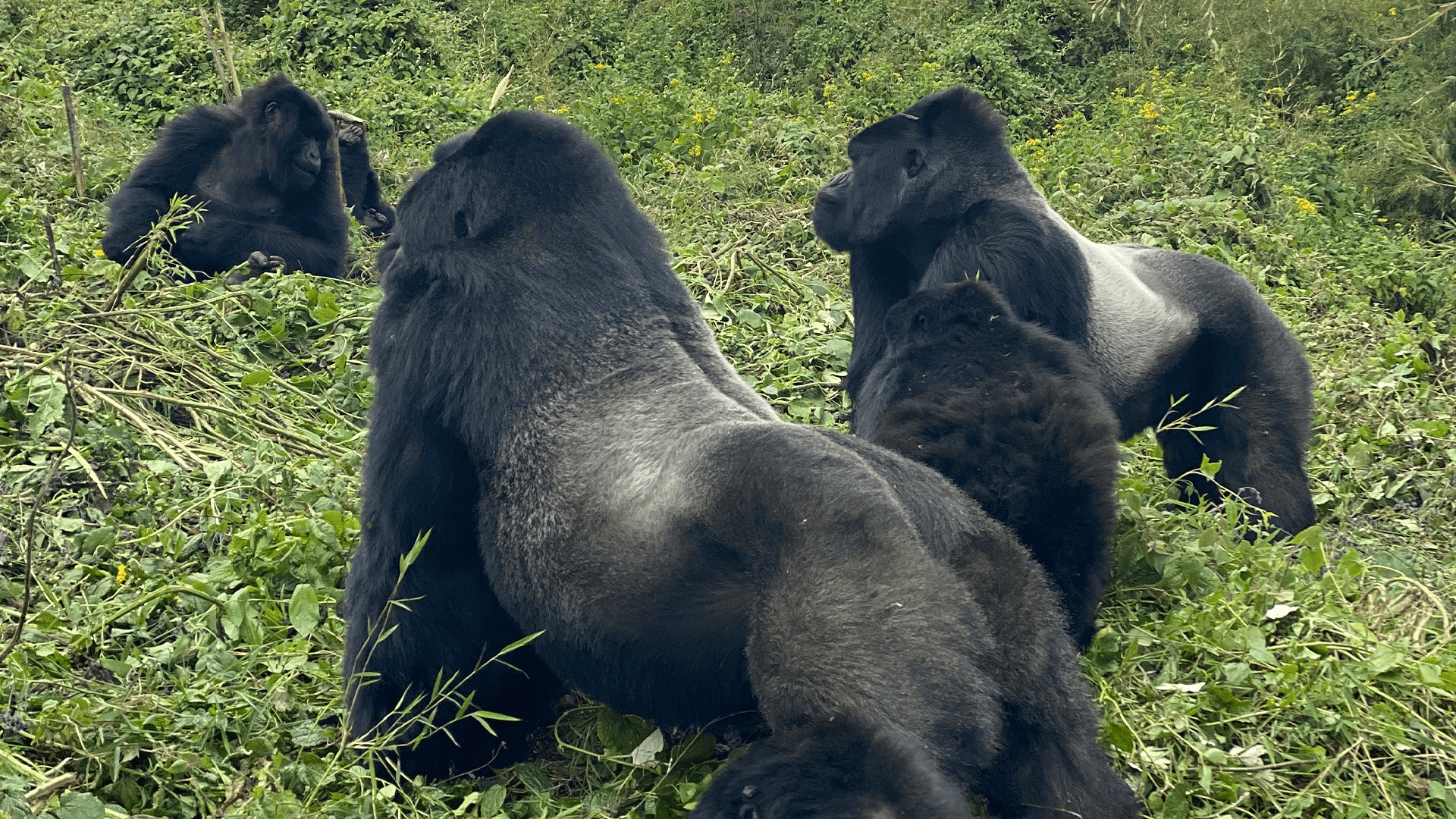
Guided nature walks are suitable for older, physically active children, but Uganda’s regulations restrict gorilla trekking to ages 15 and above. Family lodges provide alternate activities for younger children while adults join treks.
How can parents keep kids entertained during long drives?
Bring wildlife checklists, simple games, binoculars, and a camera for each child to stay active and curious. Engagement tools like wildlife checklists and games are strongly recommended for families traveling with children under 12.
Recommended
- 8 Family Safari Packing Checklist Must-Haves for Uganda
- Explore Adventure Stories and Tips on the PawMac Safaris Blog
- Family Safari Packages in Uganda | Best Family Tours
- Essential wildlife photography tips for safaris in Uganda


