

- 333 Views
- 21 Min Read
- (0) Comment
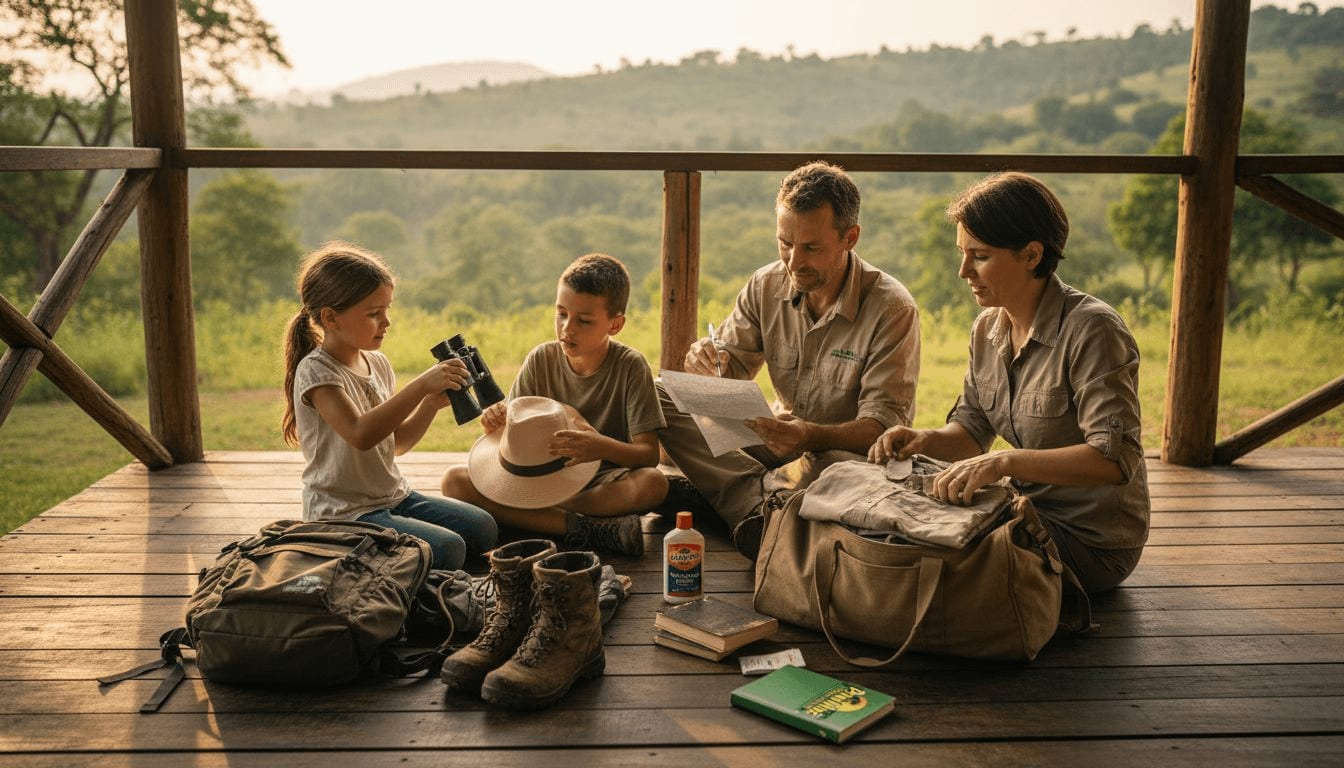
Planning a family safari to Uganda can quickly feel overwhelming. Between the unpredictable climate, remote locations, and unique wildlife encounters, you need to pack gear that keeps everyone safe, comfortable, and engaged from sunrise to sunset. Missing just a few key items can turn an incredible adventure into a stressful scramble.
The right preparation solves these challenges. This list delivers straightforward tips that address clothing choices, health essentials, sun and insect protection, and even how to capture memorable moments with reliable camera equipment and smart accessories. Get ready to uncover actionable insights that will help every member of your family enjoy every moment of your Ugandan safari.
Table of Contents
- 1. Choose Comfortable Safari Clothing for Everyone
- 2. Pack Reliable Footwear for Trekking and Game Drives
- 3. Essential Travel Documents and Health Items
- 4. Family-Friendly Sun and Bug Protection
- 5. Camera Gear for Capturing Safari Memories
- 6. Kid-Friendly Entertainment for Downtime
- 7. Snacks and Hydration for Long Days Outdoors
- 8. Safety Kits and Emergency Essentials
Quick Summary
| Takeaway | Explanation |
|---|---|
| 1. Layer Clothing for Comfort | Choose lightweight, moisture-wicking fabrics suitable for variable weather in Uganda’s rainforests. Layering allows for temperature adjustments throughout your day. |
| 2. Invest in Quality Footwear | Proper hiking boots with waterproofing and ankle support prevent discomfort during varied terrain. Ensure they are broken in before the trip to avoid blisters. |
| 3. Pack Essential Travel Documents | Bring valid passports, visas, and health documents like vaccination proof to avoid travel hurdles in Uganda. Keep copies stored separately for security. |
| 4. Prioritize Sun and Bug Protection | Use high-SPF sunscreen and insect repellent consistently throughout the day to protect against UV rays and mosquito bites in the rainforest. |
| 5. Prepare a Safety Kit | A comprehensive first aid kit with essentials like blister treatment and allergy medications ensures immediate attention for minor injuries and illnesses during the safari. |
1. Choose Comfortable Safari Clothing for Everyone
Families heading to Uganda’s rainforests need clothing that balances comfort with practicality. Your kids and partners will spend hours hiking through dense vegetation, so choosing the right fabric and fit matters far more than fashion.
The climate in Bwindi and Kibale Forest is unpredictable. You’ll encounter cool mornings (around 50°F), warm afternoons (70-75°F), and sudden rain showers that drench everything. Layering is your best defense because you can add or remove pieces as temperatures shift throughout the day.
Cotton and moisture-wicking fabrics are non-negotiable for family safaris, especially when hiking through humid rainforests where sweat accumulates quickly.
Choose these clothing essentials for your entire family:
- Lightweight, breathable long-sleeved shirts to protect against insects and sun exposure
- Quick-dry trousers or hiking pants that allow full range of motion for climbing and trekking
- Moisture-wicking base layers to keep skin dry during strenuous activities
- A waterproof or water-resistant jacket that packs small and covers everyone in sudden downpours
- Comfortable hiking boots that are already broken in before your trip (never wear new shoes on a trek)
- Neutral colors like khaki, olive, and brown that blend into the forest and don’t attract insects
When selecting what to wear for gorilla trekking in Uganda, prioritize durability over style. Thorns, mud, and branches will catch on delicate fabrics, so your kids need sturdy clothing that can handle rough terrain.
Avoid bright colors, cotton jeans, and tight-fitting clothes. Jeans are heavy when wet, restrict movement, and take forever to dry in humid conditions. Bright colors can stress wildlife and attract biting insects that target contrasting tones.
Consider your family’s individual needs. Younger children might need shorter hiking breaks, so pack light layers they can remove without overheating. Teenagers can handle longer treks in more technical hiking gear. Parents should wear their most comfortable, proven outdoor clothing to set the example.
Socks matter too. Pack several pairs of moisture-wicking hiking socks. Cotton socks retain sweat and create blisters on long treks, while synthetic blends dry quickly and provide better cushioning on uneven forest floors.
Pro tip: Bring one complete change of clothing in your day pack, sealed in a waterproof bag. If you get soaked during the morning trek, you can change into dry clothes for the afternoon activities, preventing discomfort and potential hypothermia in the cool highland forests.
Plan Your Uganda Safari with Local Experts
 WhatsApp Us
2. Pack Reliable Footwear for Trekking and Game Drives
Your feet carry you through Uganda’s most unforgettable moments, so choosing the right shoes isn’t optional. Between muddy rainforest trails and hours sitting in safari vehicles, your footwear needs to handle multiple terrains and conditions without causing blisters or discomfort.
Gorilla trekking in Bwindi and Kibale Forest involves steep, slippery terrain where one misstep can slow down your entire family. Game drives in Queen Elizabeth and Murchison Falls require different support since you’re mostly seated, but you’ll still walk from the vehicle to viewpoints and lodges. These activities demand shoes designed for different purposes.
Investing in proper hiking boots before your trip prevents foot pain that can ruin your safari experience and keeps your family moving comfortably through challenging terrain.
Here’s what your family actually needs:
- Waterproof hiking boots with ankle support for gorilla trekking (non-negotiable for wet, muddy forest trails)
- All-terrain hiking shoes that grip slippery surfaces and provide cushioning for long walks
- Comfortable casual shoes or sandals for lodge wear and relaxation evenings
- Extra pairs of moisture-wicking socks (at least 4-5 pairs) to prevent blisters
- Gaiters or leg covers to keep mud and insects out of your boots
When packing for Uganda safaris, remember that breaking in new boots on a gorilla trek is a recipe for blistered feet and unhappy kids. Wear your hiking boots on regular hikes or around town for at least two weeks before your trip. This softens the materials and lets you identify problem areas before you’re climbing steep rainforest slopes.
Your boots need specific features for Uganda’s environment. Look for waterproof linings because morning dew, stream crossings, and sudden rain will drench you. Aggressive tread patterns grip muddy slopes better than smooth soles. Ankle support prevents twists on uneven terrain where tree roots and rocks create tripping hazards.
Consider your family’s age and hiking experience. Young children might need lighter boots that don’t cause fatigue. Teenagers and adults can handle heavier, more technical mountaineering boots. Parents should choose boots they’ve successfully worn on previous hikes.
For game drives, pack lightweight hiking shoes or trail runners. You won’t need the heavy ankle support of trekking boots, but you’ll appreciate cushioning when walking to dining areas or scenic viewpoints. Pack one pair of casual shoes or sandals for evenings at the lodge.
Pro tip: Pack a blister kit with moleskin, antibiotic ointment, and bandages, plus foot powder and antiperspirant spray. Apply foot powder before each trek and antiperspirant the night before to reduce moisture and prevent blisters before they form.
3. Essential Travel Documents and Health Items
Forgetting your passport or malaria medication in Uganda means your safari ends before it starts. Travel documents and health items aren’t glamorous to pack, but they’re the foundation of a safe, stress-free family safari experience.
Uganda requires specific documentation to enter the country, and certain health precautions are non-negotiable in tropical East Africa. Your family needs these items before you board the plane, not after you arrive in Kampala.
Proper documentation and health preparation prevent delays, illness, and emergency situations that can derail your entire safari itinerary.
Your essential travel documents include:
- Valid passports for everyone (check expiration dates at least 6 months before travel)
- Uganda visa (Americans can obtain on arrival for $50 USD, but pre-approval is faster)
- Travel insurance that covers medical evacuation (critical for remote areas)
- Proof of yellow fever vaccination (required by Uganda law; get certified)
- Copies of important documents stored separately from originals
- Flight confirmations and hotel reservations in digital and printed format
Health items your family needs before departure:
- Prescribed malaria medication (start taking as directed by your doctor)
- Antimalarial tablets like atovaquone-proguanil or mefloquine for family members
- Comprehensive first aid kit with blister treatment, pain relievers, and antihistamines
- Prescription medications in original bottles with doctor’s letters
- Altitude sickness medication if anyone is sensitive to elevation changes
- Anti-diarrheal medication and electrolyte sachets for digestive issues
- Insect repellent with 30 percent DEET for mosquito and fly protection
Visit your doctor 4 to 6 weeks before your trip. Vaccinations for hepatitis A, typhoid, and routine immunizations take time to become effective. Your doctor also prescribes malaria prevention tailored to your family’s ages and health conditions.
Understanding safari travel insurance coverage protects your investment in case flight cancellations, medical emergencies, or equipment loss occur. Standard travel insurance often excludes remote safari activities, so you need coverage specifically designed for adventure travel.
Make copies of all documents. Store originals in your hotel safe and carry copies with you during trekking. Take photos of your passport identification page and email them to yourself as backup.
Yellow fever vaccination is mandatory and you’ll receive an official certificate. Keep this certificate with your passport because Uganda border officials check it upon arrival.
Pro tip: Pack your medications and important documents in your carry-on bag, never checked luggage. If your suitcase gets delayed or lost, you still have prescriptions and travel documents to enter Uganda and receive medical care if needed.
4. Family-Friendly Sun and Bug Protection
Uganda’s equatorial sun is relentless, and mosquitoes are active year-round in rainforests and wetlands. Your family needs serious sun and bug protection to avoid sunburn, insect bites, and mosquito-borne illnesses that can derail your safari.
The equator receives intense UV radiation that burns skin faster than most families expect. Even on cloudy days in Bwindi or Kibale Forest, UV rays penetrate clouds and reflect off wet vegetation. Insect bites aren’t just uncomfortable—they can transmit malaria, dengue fever, and other diseases that affect your family’s health for months after your trip.
Effective sun and bug protection requires multiple layers of defense applied consistently throughout the day, not just once in the morning.
Essential sun protection items for your family:
- High-SPF sunscreen (SPF 50+) in large quantities (at least 2-3 bottles per person)
- Mineral sunscreen for sensitive skin (zinc oxide or titanium dioxide formulas)
- Lip balm with SPF 30 to prevent sun damage on exposed lips
- Wide-brimmed hats for everyone, including children
- UV-blocking sunglasses that protect the delicate eye area
- Lightweight long-sleeved shirts with UPF protection built in
- Aloe vera gel or after-sun lotion for treatment if sunburn occurs
Bug protection essentials include:
- Insect repellent with 20-30 percent DEET for adults and older children
- Picaridin-based repellent as a DEET alternative for sensitive skin
- Permethrin insecticide for clothing and gear (apply to pants, shirts, and boots before travel)
- Mosquito nets for lodge beds (though most lodges provide these)
- Bug spray suitable for children (follow age-appropriate dosing)
- Anti-itch cream or calamine lotion for bite relief
Apply sunscreen 15 minutes before sun exposure and reapply every 2 hours, especially after swimming or heavy sweating. Don’t skip areas like ears, the back of your neck, and the tops of your feet. Children often get sunburned on these overlooked spots.
Insect repellent works best when applied to exposed skin and clothing edges. Reapply after swimming or if you sweat heavily during hiking. Use repellent on your kids’ hands, faces, and behind their ears where mosquitoes bite.
Wear permethrin-treated clothing during dawn and dusk when mosquitoes are most active. Malaria-carrying mosquitoes peak in early morning and late afternoon, so this timing matters for disease prevention.
Pro tip: Keep sunscreen and insect repellent in your safari vehicle and day pack so you can reapply without returning to your lodge. Most families forget midday applications because they’re focused on wildlife viewing, increasing their risk of severe sunburn and insect bites.
5. Camera Gear for Capturing Safari Memories
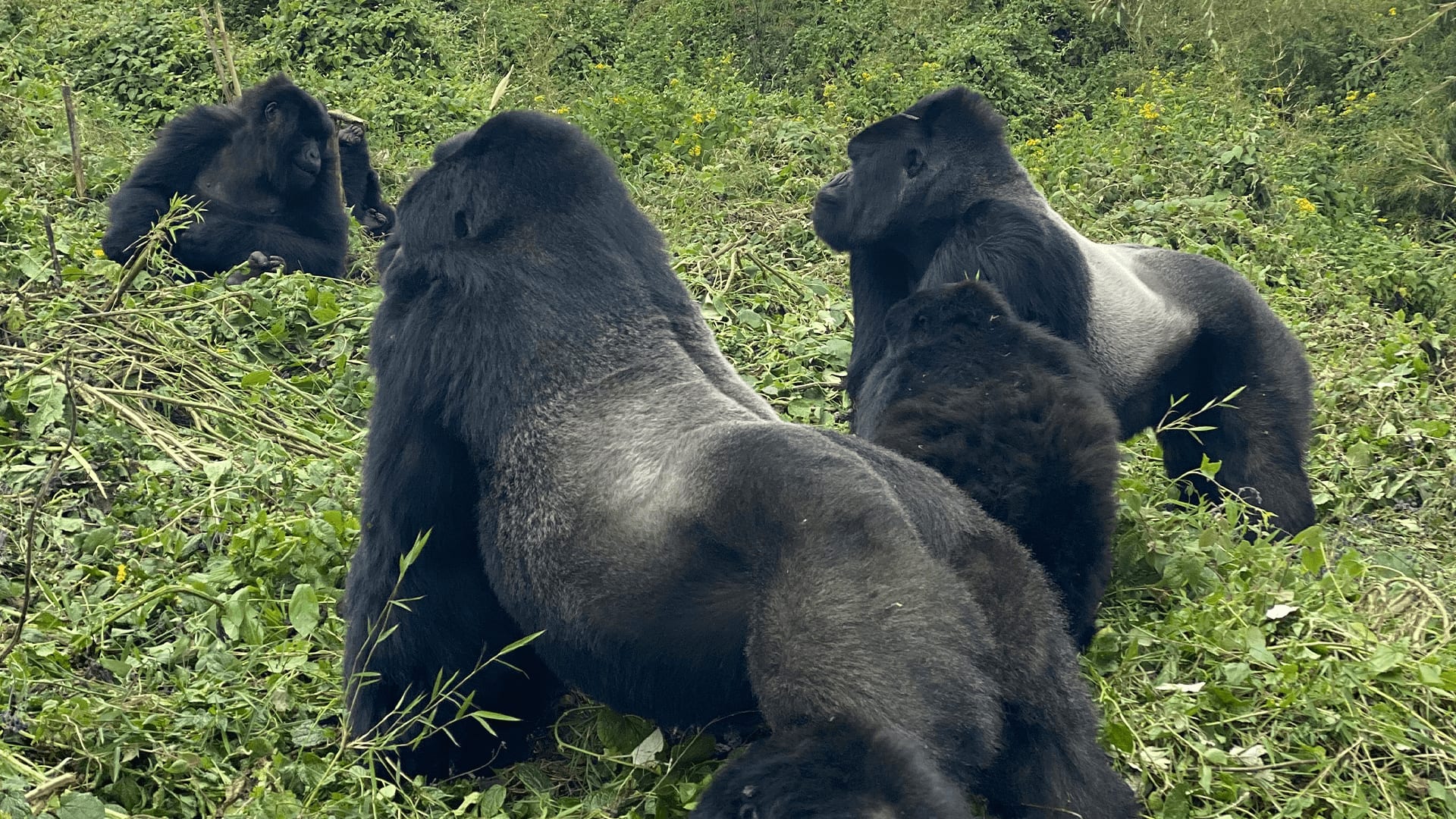
Your family will witness moments you’ll treasure forever—mountain gorillas eating leaves, lions resting in golden grass, rare birds perched in mist-shrouded rainforests. Without proper camera gear, these memories fade to blurry snapshots instead of stunning images you’ll relive for decades.
Uganda’s wildlife is incredibly photogenic, but capturing quality images requires reliable camera equipment with sufficient zoom capability to bring distant animals into frame. A smartphone camera won’t cut it when a gorilla is 30 meters away or an eagle is soaring overhead.
Good photography gear transforms your safari from a weekend trip into a documented adventure that lets you relive and share experiences with family and friends.
Your essential camera gear includes:
- A DSLR or mirrorless camera with manual focus and zoom flexibility
- A telephoto lens (at least 70-300mm) to capture distant wildlife clearly
- Multiple batteries (safaris drain power faster than you expect)
- Extra memory cards in large capacities (256GB minimum for a week-long trip)
- A sturdy camera bag that protects equipment during rough vehicle travel
- A lens cleaning kit to remove dust and moisture between shots
- A tripod or monopod for stable video and low-light photography
If you don’t own a quality camera, you have options. You could invest in a compact mirrorless camera like Sony’s RX series before your trip, but that’s expensive. Alternatively, smartphone photography has improved dramatically—a recent iPhone or Samsung flagship captures excellent images with digital zoom.
Batteries are your biggest concern. Game drives happen at dawn when light is soft and perfect for photography. Your battery drains quickly in cool morning air, and you’ll take hundreds of photos as wildlife appears. Bring at least three extra batteries and a solar charger as backup.
Memory cards fail unpredictably, so pack multiple cards instead of one massive card. If one card corrupts, you lose some photos, not all of them. Professional photographers always use this strategy because the cost of extra cards is negligible compared to losing irreplaceable safari images.
Uganda’s humid rainforest environment and dusty savanna can damage camera sensors. A protective camera bag with silica gel packets keeps moisture and dust away from your equipment. Some photographers also use UV filters on lenses to protect against scratches.
Pro tip: Participate in wildlife photography tours in Africa led by experienced photographers who know where animals congregate and how to position yourself for optimal lighting and composition—your family photos will look professional without expensive equipment or photography training.
6. Kid-Friendly Entertainment for Downtime
Safari days are packed with early mornings and intense activity, but your family will have quiet afternoons at the lodge while wildlife rests during the heat. Bored kids on a safari become cranky kids, turning a dream vacation into stress. Smart packing includes entertainment that keeps children engaged during downtime without screens.
Downtime happens between morning game drives and evening activities. Your lodge might be remote, with limited activities for kids. Long travel days to different parks also create stretches where children need something to do. Quality entertainment prevents meltdowns and helps everyone recharge.
The best safari entertainment engages kids without requiring internet or electricity, allowing them to relax while staying mentally stimulated.
Pack these kid-friendly entertainment options:
- Activity books and puzzle books (sudoku, mazes, crosswords for different ages)
- Coloring books with colored pencils (markers leak in luggage)
- Travel-sized card games (Uno, Go Fish, card games kids already know)
- Portable board games (travel chess sets, magnetic checkers)
- Journals or blank notebooks for creative writing and drawing
- Audio books or podcasts downloaded on tablets or phones
- E-readers loaded with age-appropriate books (no internet required)
- Binoculars and wildlife identification guides for kids to spot animals from the lodge
Younger children (ages 5-8) enjoy coloring, simple puzzles, and picture books about African animals. Teenagers prefer card games, journals where they can reflect on experiences, and audio entertainment they can enjoy alone.
Activities that connect to your safari experience work best. Bring wildlife identification guides so kids can research animals they saw that morning. Journaling helps children process their experiences and creates lasting memories beyond photos. Audio books about African wildlife or adventure stories keep minds engaged.
Card games are perfect because they’re compact, require no batteries, and bring the whole family together during dinner or evening relaxation. Uno tournaments create friendly competition without requiring much space.
Don’t pack screen-based entertainment as your primary option. Limited WiFi and spotty electricity at remote lodges means devices drain batteries quickly. Plus, kids on safari benefit from unplugging and reconnecting with family and nature.
Pro tip: Buy one or two new activity books or games before your trip without revealing them to your kids, then introduce them during downtime as surprises that spark excitement and provide fresh entertainment when energy dips.
7. Snacks and Hydration for Long Days Outdoors
Gorilla trekking in Bwindi starts before dawn and continues for hours through steep rainforest terrain. Game drives stretch from early morning until lunch, then again from late afternoon until sunset. Your family needs consistent fuel and hydration to maintain energy, mood, and safety during these demanding days.
Physical exertion at elevation combined with heat and humidity depletes your body’s energy and water reserves quickly. Dehydration causes headaches, fatigue, and poor decision-making that can compromise your family’s safety on challenging treks. Running out of snacks leaves kids hungry, irritable, and unable to focus on the incredible wildlife experiences around them.
Strategic snacking and consistent hydration prevent energy crashes that can turn magical safari moments into exhausting, miserable experiences.
Essential snacks to pack include:
- High-protein options like nuts, nut butter packets, and beef jerky for sustained energy
- Energy bars and granola bars that don’t melt in heat or crumble in backpacks
- Dried fruit for natural sugars and minerals that support endurance
- Trail mix combinations tailored to your family’s preferences
- Crackers and cheese packs for variety and balanced nutrition
- Electrolyte drink powders to mix with water and replace minerals lost through sweating
- Fresh fruit from your lodge like bananas and apples that you pack each morning
Hydration is non-negotiable. Pack lightweight, collapsible water bottles that don’t add bulk to your day pack. Most lodges fill bottles before each excursion. Drink water consistently throughout the day, not just when you feel thirsty. Thirst is a late indicator of dehydration.
Your safari guide typically provides bottled water or fills your bottles at rest stops, but don’t rely on this. Carry backup water and electrolyte packets to mix if guides run out or if your group gets delayed.
Snacks should be calorie-dense and easy to eat during game drives or while hiking. Avoid chocolates that melt in Uganda’s heat or sticky candies that attract insects. Pack more snacks than you think you’ll need because kids always eat more during physical activity.
Portion snacks into individual bags or containers so kids can grab them without digging through large packs. This prevents waste and keeps packs organized during active days.
Pro tip: Ask your lodge to pack extra snacks and water bottles in your safari vehicle each morning, allowing your guide to distribute them at strategic points during game drives and hikes without interrupting wildlife viewing or slowing your pace.
8. Safety Kits and Emergency Essentials
Uganda’s remote safari destinations are stunning but far from hospitals and advanced medical facilities. Your family needs comprehensive safety and emergency supplies to handle minor injuries, illnesses, and unexpected situations that occur hours away from professional medical care.
Most safari experiences are safe, but accidents happen. Someone twists an ankle on rocky terrain, develops an infection from an insect bite, or experiences altitude sickness in highland forests. Being prepared means you can treat issues immediately instead of ending your safari early or facing dangerous delays.
A well-stocked safety kit prevents minor problems from becoming serious emergencies that compromise your family’s health and safari experience.
Your essential first aid and safety items include:
- Comprehensive first aid kit with bandages, gauze, antibiotic ointment, and pain relievers
- Blister treatment supplies including moleskin, blister pads, and foot powder
- Anti-diarrheal medication and anti-nausea tablets for digestive issues
- Antihistamine tablets and hydrocortisone cream for allergic reactions and insect bites
- Prescription medications in original bottles with doctor’s letters
- Altitude sickness medication if anyone is prone to elevation-related issues
- Tweezers for tick and splinter removal from rainforest hiking
- Thermometer and basic pain relievers like ibuprofen and acetaminophen
- Prescription glasses or contacts plus extras if anyone wears corrective lenses
- Personal medical information cards for each family member
Cut and scrape prevention matters in Uganda’s thorny vegetation and muddy terrain. Pack multiple types of bandages because different injuries need different coverage. Include waterproof bandages for activities involving water crossings or river boat tours.
Keep medications in clearly labeled containers. Store prescription medications separately in their original bottles with doctor’s names and dosage instructions visible. Uganda’s customs officials may question unmarked medications.
Ticks are common in rainforests and savanna. Bring tweezers designed for tick removal and know the proper technique before your trip. Ticks can transmit diseases, so removing them correctly matters for your family’s health.
Pack your safety kit in a waterproof bag or dry bag that survives humid conditions and unexpected rain. Keep your kit in your carry-on luggage during flights to avoid losing it if checked bags are delayed.
Your safari guide carries basic first aid supplies, but don’t rely entirely on lodge resources. Having your own kit means immediate treatment without waiting for guide assistance.
Pro tip: Before departure, discuss potential medical situations with your family doctor and ask specifically what symptoms warrant returning to your lodge, seeking evacuation, or continuing your safari as planned—this preparation helps everyone stay calm if issues arise.
Below is a comprehensive table summarizing the key preparation steps and necessities for a family safari trip to Uganda as discussed in the article.
| Aspect | Details | Importance |
|---|---|---|
| Clothing Essentials | Lightweight, breathable long-sleeved shirts, quick-dry trousers, moisture-wicking base layers, waterproof jackets, and neutral colors. | Ensures comfort, mobility, protection from weather and insects, and blends with natural surroundings. |
| Footwear Requirements | Waterproof hiking boots, supportive and durable for trekking, all-terrain shoes, and additional moisture-wicking sock pairs. | Provides safety, comfort, and hygiene during various safari activities. |
| Travel Health Preparation | Valid passports, Ugandan visas, insurance, yellow fever certificates, antimalarial medicines, and first aid kits. | Ensures legal entry, health safety, and preparedness for emergencies. |
| Protection from Elements | Sunscreen with high SPF, wide-brimmed hats, insect repellents with DEET, and permethrin-treated clothing. | Shields against UV exposure and reduces the risk of insect-borne diseases. |
| Entertainment for Children | Card games, coloring books, wildlife journals, and electronic-free activities. | Enhances engagement and enjoyment for children during downtime. |
| Nutrition and Hydration | Energy-sustaining snacks like granola bars, nuts, and fruits, along with collapsible water bottles and electrolyte packs. | Prevents fatigue, maintains energy and hydration levels during activities. |
| Safari Photography Gear | Cameras with telephoto lenses, extra batteries, memory cards, and protective carrying cases. | Captures memorable wildlife encounters effectively. |
This table condenses practical advice and necessary preparations ensuring a successful and enjoyable safari experience for the whole family.
Prepare Right and Experience Uganda Like Never Before
Packing smart for a family safari in Uganda is key to unlocking unforgettable moments with your loved ones. From choosing durable, moisture-wicking clothing to carrying essential health and safety items, the challenges you face on the trail are real. Avoid the stress of ill-preparedness by trusting experts who understand the demands of Bwindi, Kibale, and other iconic parks.

Discover how PawMac Safaris simplifies your journey with personalized safari packages tailored to your family’s needs and the unique environment of Uganda. Our carefully crafted itineraries ensure you have everything covered from gorilla trekking to relaxing lodge stays. Start your adventure with confidence by exploring our authentic wildlife safaris and gorilla trekking experiences and learn more about travel essentials and safety. Your perfect Ugandan family safari begins here. Plan now and make every packing checklist item count.
Frequently Asked Questions
What clothing should my family pack for a safari in Uganda?
To ensure comfort and protection, pack lightweight, breathable long-sleeved shirts, quick-dry trousers, and moisture-wicking base layers. Choose neutral colors that blend into the environment, and consider bringing a waterproof jacket for sudden rain showers.
How can we prepare for sun and bug protection during our safari?
Bring high-SPF sunscreen, UV-blocking sunglasses, and wide-brimmed hats for sun protection, along with insect repellent containing at least 20% DEET. Apply sunscreen frequently throughout the day and reapply insect repellent every few hours to maintain effectiveness.
What should we include in our family’s first aid kit for the safari?
A comprehensive first aid kit should include bandages, antiseptic ointment, and pain relievers, as well as blister treatment supplies and allergy medications. Ensure that you also pack personal medical information for each family member to assist in emergencies.
How do we ensure our children stay entertained during downtime on the safari?
Pack a variety of engaging activities such as coloring books, travel-sized card games, and journals for creative expression. Encourage your children to connect their experiences with wildlife identification guides or journals to foster engagement during quiet moments.
What types of snacks and hydration supplies should we take on safari?
Pack high-protein snacks like nuts and energy bars, along with fresh fruit and trail mix for sustained energy. Carry lightweight, collapsible water bottles to ensure everyone stays hydrated, and offer electrolyte drink powders to replace lost minerals during physical activity.
Why is it essential to pack reliable footwear for our family’s safari?
Choosing the right footwear, such as waterproof hiking boots, is crucial for navigating Uganda’s diverse and often challenging terrains. Invest in proper hiking boots ahead of time, allowing at least two weeks for breaking them in to prevent blisters and discomfort during the safari.
Recommended
- Uganda Safari Packing Guide for Gorilla Treks and Big Five
- 8 Days Best of Uganda Safari | PawMac Safaris
- Prepare for Gorilla Trekking in Uganda (2026) Checklist
- What to Wear for Gorilla Trekking in Uganda | PawMac Safaris


