


- 62 Views
- 16 Min Read
- (0) Comment
A Big 5 safari in Uganda is one of the most rewarding ways to experience the country’s savanna wildlife, but it needs thoughtful planning. Unlike destinations where all five species may be concentrated in one ecosystem, Uganda’s Big 5 route works best when you connect several key stops: Ziwa Rhino Sanctuary for rhinos, Murchison Falls National Park for classic savanna game, and Queen Elizabeth National Park for lions, leopards, elephants, buffalo, and the famous Kazinga Channel wildlife corridor.
The result is not just a checklist safari. It is a highly varied Uganda journey with river cruises, open plains, woodland tracks, crater landscapes, and optional extensions for gorilla trekking or chimpanzee tracking. If you plan it well, you can combine the Big 5 with some of Uganda’s most iconic experiences without exhausting yourself on the road.
What Counts as a Big 5 Safari in Uganda?
The Big 5 refers to five iconic African mammals: lion, leopard, elephant, rhinoceros, and Cape buffalo. In Uganda, four of these can be seen in national parks, while rhinos are tracked at Ziwa Rhino Sanctuary, which sits strategically on the route between Kampala or Entebbe and Murchison Falls National Park.
That routing detail matters. If an itinerary promises a complete Big 5 safari in Uganda but does not include Ziwa, it is missing the rhino component. Uganda’s rhino population is protected under a dedicated conservation and breeding program, so sightings happen through guided tracking walks rather than standard game drives.
For most travelers, the best Big 5 safari in Uganda is not about rushing from one sighting to the next. It is about using the right parks, timing your game drives properly, and allowing enough nights in each location for realistic wildlife encounters.
Best Places to See the Big 5 in Uganda
Uganda’s Big 5 route is strongest when you understand what each destination contributes. Some parks are excellent for elephant and buffalo, others are better for lions, and leopards require patience, guide skill, and favorable timing.
| Big 5 animal | Best Uganda locations | Best viewing strategy |
|---|---|---|
| Rhino | Ziwa Rhino Sanctuary | Guided walking track, usually best in the cooler morning or late afternoon |
| Lion | Murchison Falls, Queen Elizabeth, Ishasha sector, Kidepo Valley | Early morning and late afternoon game drives with an experienced guide |
| Leopard | Murchison Falls, Queen Elizabeth, Kidepo Valley | Dawn or dusk drives, quiet roads, good guide interpretation, and patience |
| Elephant | Murchison Falls, Queen Elizabeth, Kidepo Valley | Game drives and boat safaris along the Nile or Kazinga Channel |
| Buffalo | Murchison Falls, Queen Elizabeth, Kidepo Valley, Lake Mburo | Open plains, water edges, and mixed grazing areas |
Ziwa Rhino Sanctuary
Ziwa is the essential first stop for travelers who want the full Big 5. It is commonly added en route to Murchison Falls, making it efficient rather than a major detour. Rhino tracking is done on foot with trained guides, and the experience usually lasts around one to two hours depending on where the rhinos are located.
Budget around US$50 per adult for rhino tracking, though fees can change and should be confirmed at booking. Because this stop is often scheduled on a transfer day, timing matters. Leaving Entebbe or Kampala too late can make the day rushed, especially if you are continuing to Murchison Falls afterward.
Murchison Falls National Park
Murchison Falls is one of Uganda’s strongest Big 5 safari anchors. It offers elephants, buffalo, lions, giraffes, hippos, crocodiles, abundant antelope, and occasional leopard sightings. The park’s signature experience is the combination of north bank game drives and a Nile boat safari to the base of Murchison Falls.
For Big 5 planning, Murchison is especially valuable because it pairs naturally with Ziwa. A strong itinerary usually allows at least two nights inside or near the park, with one full day for a morning game drive and afternoon boat cruise. If you are serious about photography or predator sightings, three nights are better.
Queen Elizabeth National Park
Queen Elizabeth National Park adds diversity to your Big 5 safari. The Kasenyi plains are known for lion sightings, the Kazinga Channel is one of Uganda’s best places for elephants, buffalo, hippos, crocodiles, and waterbirds, and the Ishasha sector is famous for its tree-climbing lions.
Plan Your Uganda Safari with Local Experts
 WhatsApp Us
Leopards are possible in Queen Elizabeth, but they are never guaranteed. Your chances improve when you allow more than one game drive, travel with a guide who knows the local territories, and avoid treating the park as a one-night stopover.
Kidepo Valley National Park
Kidepo is Uganda’s remote wilderness option. It is not necessary for every Big 5 safari, but it is excellent for travelers who want fewer vehicles, dramatic landscapes, large buffalo herds, lions, elephants, and a frontier-style safari atmosphere. Because Kidepo is far from the main western circuit, it works best on longer itineraries or fly-in safaris.
If your priority is efficient Big 5 planning, Ziwa, Murchison Falls, and Queen Elizabeth are usually the most practical core route. If your priority is remoteness and exclusivity, Kidepo becomes a powerful addition.

How Many Days Do You Need for a Big 5 Safari in Uganda?
The biggest planning mistake is underestimating Uganda’s travel times. Distances on a map can look manageable, but park roads, ferry crossings, weather, and activity schedules all affect the pace. A well-designed itinerary gives you enough time to enjoy the route instead of spending the entire safari in transit.
| Trip length | Best for | Suggested route | Realistic expectation |
|---|---|---|---|
| 4 to 5 days | Travelers short on time | Entebbe or Kampala, Ziwa, Murchison Falls | Rhinos, elephants, buffalo, lions possible, leopard possible but not guaranteed |
| 7 to 8 days | Classic Big 5 focus | Ziwa, Murchison Falls, Queen Elizabeth | Stronger chances for all five, better pacing, boat safaris included |
| 9 to 11 days | Big 5 plus primates | Ziwa, Murchison, Kibale, Queen Elizabeth, optional Bwindi | Big 5 route with chimpanzee or gorilla extension |
| 12 to 14 days | Premium Uganda safari | Ziwa, Murchison, Kibale, Queen Elizabeth, Bwindi, Lake Mburo or Kidepo | Full wildlife, primates, culture, and scenic variety |
For most first-time safari travelers, 8 to 10 days is the sweet spot. It gives you enough time for Ziwa, Murchison Falls, Queen Elizabeth, and one primate extension without making every day a long transfer.
A Practical 9-Day Big 5 Safari Route in Uganda
This sample itinerary gives you a realistic structure. It can be shortened, extended, or upgraded depending on your budget and travel style.
| Day | Route and activities | Planning notes |
|---|---|---|
| Day 1 | Arrive in Entebbe | Overnight near the airport to recover and avoid rushed transfers |
| Day 2 | Drive to Ziwa for rhino tracking, continue to Murchison Falls | Start early, especially if tracking and entering the park on the same day |
| Day 3 | Morning game drive, afternoon Nile boat safari | Excellent day for elephants, buffalo, giraffes, hippos, and lions |
| Day 4 | Second Murchison game drive, optional delta or top-of-falls visit | Improves predator and photography opportunities |
| Day 5 | Transfer toward Kibale or Fort Portal | Long but scenic drive, useful for breaking the western route |
| Day 6 | Optional chimpanzee tracking in Kibale, transfer to Queen Elizabeth | Chimp permit costs should be added if included |
| Day 7 | Kasenyi game drive and Kazinga Channel boat safari | Strong wildlife density and excellent elephant, buffalo, and birdlife |
| Day 8 | Ishasha sector for tree-climbing lions or extra Queen Elizabeth game drive | Best if your itinerary continues toward Bwindi or western Uganda |
| Day 9 | Return to Entebbe or continue to Bwindi for gorilla trekking | Choose based on flight timing and whether gorillas are included |
This route works because it avoids a common problem: trying to see everything in Uganda while giving each park only one night. Wildlife viewing improves when you allow repeat drives, especially for lions and leopards.
Budgeting for a Big 5 Safari in Uganda
Uganda safari costs vary widely based on accommodation level, season, vehicle arrangement, group size, and whether you add gorilla or chimpanzee permits. The estimates below are realistic planning ranges for 2026 private guided safaris, excluding international flights and personal expenses.
| Safari style | 5-day Big 5 focus | 8 to 9-day classic Big 5 | 10 to 12-day Big 5 plus gorillas |
|---|---|---|---|
| Budget comfort | US$1,000 to US$1,700 per person | US$2,100 to US$3,400 per person | US$3,400 to US$5,200 per person |
| Mid-range | US$1,800 to US$2,900 per person | US$3,500 to US$5,800 per person | US$5,500 to US$8,800 per person |
| Luxury | US$3,200 to US$6,000+ per person | US$6,000 to US$10,000+ per person | US$9,000 to US$15,000+ per person |
These ranges usually assume two travelers sharing a room and vehicle. Solo travelers often pay more because the vehicle, driver-guide, and fuel costs are not shared. Small groups can reduce per-person costs significantly.
Key Costs to Include
A transparent Uganda Big 5 safari budget should include more than lodges and park entry. The following items often affect the final quote:
- Rhino tracking at Ziwa: commonly around US$50 per adult, subject to confirmation.
- National park entry: often around US$40 to US$45 per foreign non-resident adult per 24 hours, depending on the current tariff and park category.
- Boat safaris: often around US$30 to US$40 per person for scheduled public cruises, with private options costing more.
- Gorilla trekking permit if added: US$800 for foreign non-residents in 2026 planning.
- Chimpanzee tracking permit if added: Kibale is commonly budgeted at about US$250 for foreign non-residents in 2026 planning.
- Accommodation: budget lodges may start around US$60 to US$150 per person per night, mid-range often runs US$150 to US$350, and luxury lodges can exceed US$400 to US$1,000+ per person per night.
- Transport and guiding: private 4×4 safari vehicle, fuel, driver-guide, route planning, and vehicle park fees are major cost drivers.
- Tips and personal extras: budget for guide tips, lodge staff tips, drinks, laundry, souvenirs, and optional activities.
Season also affects pricing. June to September and December to February are popular because wildlife viewing conditions are generally favorable and roads are drier. March to May and parts of November can offer better lodge value, greener landscapes, and fewer vehicles, but you need flexible timing and a capable 4×4.
Choosing the Best Season for a Big 5 Safari
Uganda is a year-round safari destination, but the season changes the experience. For Big 5 wildlife, the dry months usually make animals easier to find because vegetation is thinner and wildlife concentrates around water sources.
| Season | Months | Big 5 safari advantages | Planning cautions |
|---|---|---|---|
| Dry season | December to February, June to September | Better road conditions, easier game viewing, popular for families and photographers | Higher demand, book lodges and permits early |
| Wet season | March to May, October to November | Lush scenery, fewer visitors, possible lodge savings, excellent birding | Some roads become muddy, game drives may require more flexibility |
| Shoulder periods | Late May, early June, late November | Good balance of value and improved conditions | Availability varies by lodge and route |
If your itinerary includes gorilla trekking, dry season trails are generally more manageable, but Bwindi is a rainforest and rain is possible any time. For a Big 5 safari without gorillas, Murchison Falls and Queen Elizabeth remain rewarding across the year when the route is planned well.
The Safari Logistics That Matter Most
A smooth Big 5 safari in Uganda depends on practical decisions made before you arrive. The most important are route order, lodge location, vehicle quality, and activity timing.
Start with Entebbe rather than assuming you can land and immediately drive deep into the parks. After a long international flight, an overnight in Entebbe gives you a safer and more comfortable start. From there, Ziwa and Murchison Falls make logical sense as your first major wildlife leg.
In Murchison Falls, lodge placement affects your game-drive efficiency. Staying on or near the north bank can reduce early-morning delays for wildlife viewing. In Queen Elizabeth, choose your base according to your goals. Kasenyi and Mweya areas work well for classic game drives and the Kazinga Channel, while Ishasha is better for travelers prioritizing tree-climbing lions and onward travel to Bwindi.
Transport should not be treated as a minor detail. Uganda’s Big 5 route includes paved highways, gravel roads, park tracks, steep sections, and wet-season mud. A comfortable 4×4 vehicle with an experienced driver-guide is not only about comfort, it directly influences how much time you spend wildlife viewing rather than solving road problems.
In travel planning, limited local mobility should always be secured in advance. The same principle applies whether arranging Uganda safari transport or, on a completely separate holiday, reserving an electric voiturette rental in Les Saintes before arrival. For Uganda, the equivalent priority is confirming your 4×4 safari vehicle, driver-guide, lodge locations, and activity slots before you travel.
How to Improve Your Chances of Seeing Each Big 5 Animal
Wildlife is never guaranteed, and ethical safari operators should be honest about that. However, you can improve your chances significantly with smart timing and realistic routing.
Rhino
Include Ziwa Rhino Sanctuary and plan the tracking stop properly. Early starts are best if you are combining Ziwa with a transfer to Murchison Falls. Wear neutral clothing, closed shoes, and follow your tracking guide’s instructions carefully.
Lion
Prioritize early morning game drives in Murchison Falls and Queen Elizabeth. Lions are often more active in the cooler hours and may rest in shade during the heat of the day. In Queen Elizabeth, the Ishasha sector adds a unique opportunity to search for tree-climbing lions, although sightings depend on weather, prey movement, and luck.
Leopard
Leopards are the most elusive member of the Big 5 in Uganda. They are solitary, secretive, and often active in low light. Your best strategy is to allow multiple drives, keep noise low, scan tree branches and thickets, and travel with guides who understand local territories and behavior patterns.
Elephant
Elephants are frequently seen in Murchison Falls and Queen Elizabeth, especially near water and along river systems. Boat safaris on the Nile and Kazinga Channel can be excellent for close but safe viewing from the water.
Buffalo
Buffalo are among the most reliable Big 5 sightings in Uganda’s savanna parks. They are often found grazing in herds or resting near water. Even though they may appear calm, buffalo are powerful and unpredictable, so viewing should always happen from a safe distance.

Should You Add Gorilla Trekking to a Big 5 Safari?
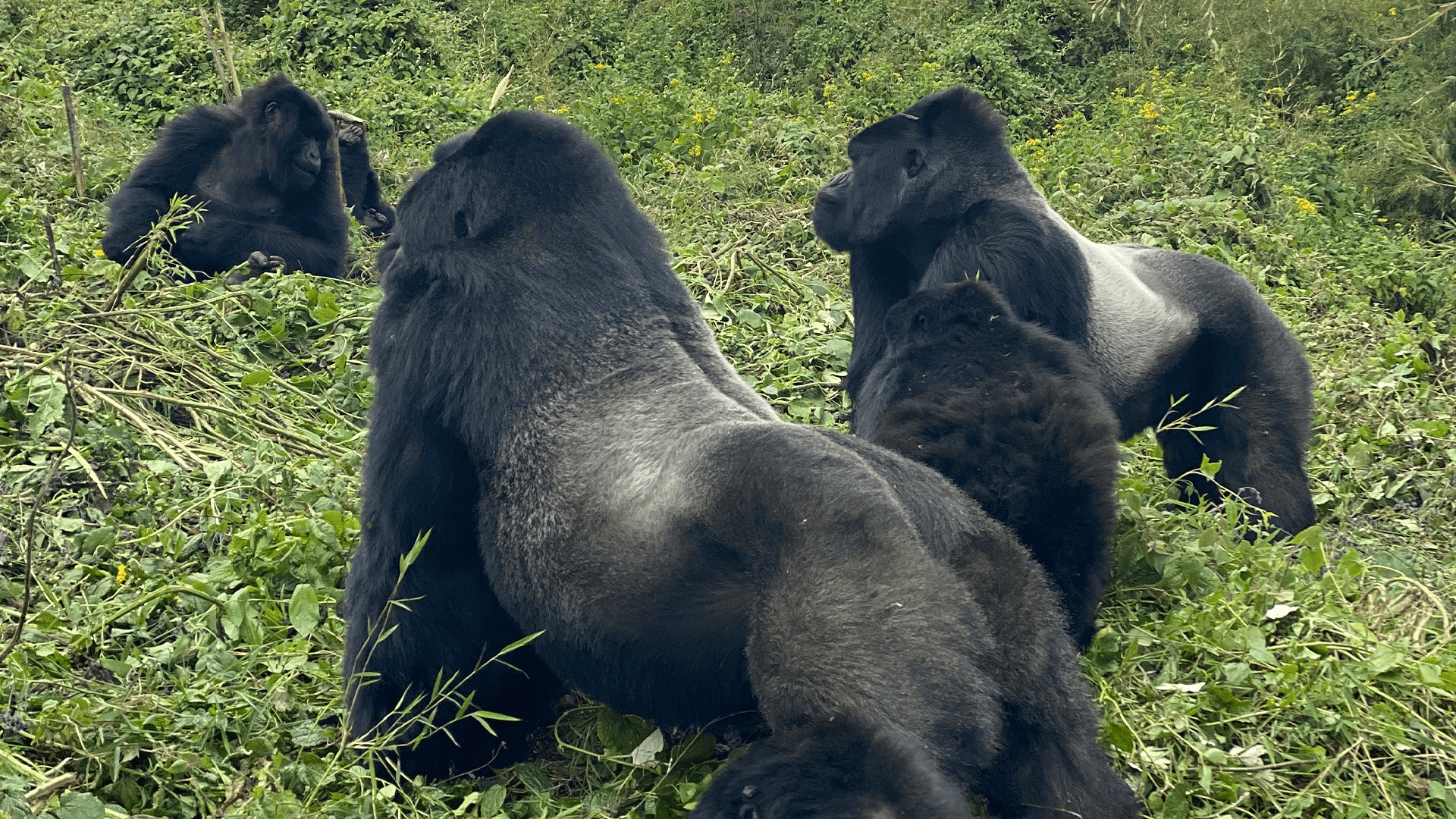
If your budget and time allow, adding gorilla trekking transforms a Big 5 safari into a complete Uganda wildlife journey. Uganda is one of the world’s best places to see mountain gorillas, with trekking in Bwindi Impenetrable National Park and Mgahinga Gorilla National Park.
The main cost consideration is the gorilla permit, which is US$800 for foreign non-residents in 2026 planning. You also need to align your permit with the correct trekking sector and nearby accommodation. This is not a detail to leave until the end, because a lodge in the wrong sector can create unnecessary early transfers or even put your trek at risk.
If you want to compare routes and permit planning, PawMac Safaris has a dedicated guide to gorilla trekking in Uganda that can help you decide whether to add Bwindi or Mgahinga to your Big 5 itinerary.
Common Mistakes to Avoid
The most expensive Big 5 safari mistakes usually happen before the trip begins. They are avoidable with careful planning and honest advice.
- Skipping Ziwa Rhino Sanctuary: Without Ziwa, your Uganda itinerary is not a complete Big 5 safari.
- Trying to do too much in too few days: Long drives reduce wildlife time and increase fatigue.
- Choosing lodges only by price: A cheaper lodge in the wrong location can cost you prime game-drive hours.
- Expecting guaranteed leopard sightings: Leopards are possible, not predictable.
- Ignoring boat safaris: The Nile and Kazinga Channel offer some of Uganda’s best elephant, buffalo, hippo, crocodile, and bird encounters.
- Underestimating the value of a guide: Local tracking knowledge is often the difference between an ordinary drive and a memorable sighting.
- Booking permits too late: Gorilla, chimpanzee, boat, and specialty activities can sell out during peak periods.
What to Pack for a Uganda Big 5 Safari
Packing for a Big 5 safari is simpler than packing for a high-altitude trek, unless you add gorillas or chimpanzees. Focus on comfort, sun protection, dust control, and early-morning layers.
Bring neutral-colored clothing, a light fleece or jacket for dawn game drives, a wide-brimmed hat, sunglasses, sunscreen, insect repellent, closed shoes, binoculars, a reusable water bottle, and a camera with extra batteries. If you are traveling in the wet season, add a lightweight rain jacket and quick-dry clothing.
For photography, a zoom lens in the 100-400mm range is very useful for mammals, while a wider lens helps with landscapes, vehicles, lodges, and river scenes. Beanbags can be useful for stabilizing your camera from a vehicle, but always follow guide instructions before positioning equipment.
Why Plan Your Big 5 Safari With PawMac Safaris?
A Uganda Big 5 safari is a logistics-heavy journey. You need the right route, realistic timing, permit coordination, lodge placement, and guides who know how wildlife behavior changes by park, season, and time of day.
PawMac Safaris specializes in personalized Uganda safari experiences, including Big 5 safaris, gorilla trekking tours, chimpanzee tracking, cultural tours, and custom safari packages. With expert local guides, comfortable 4×4 vehicles, and flexible options from budget to luxury, PawMac Safaris helps travelers build itineraries that match their pace, priorities, and budget.
For travelers who want a deeper background on the animals themselves, explore PawMac Safaris’ guide to the Big Five mammals before finalizing your route.
Frequently Asked Questions
Can you see all Big 5 animals in Uganda? Yes, but not usually in one national park. Rhinos are tracked at Ziwa Rhino Sanctuary, while lions, leopards, elephants, and buffalo are found in parks such as Murchison Falls, Queen Elizabeth, and Kidepo Valley.
How many days are enough for a Big 5 safari in Uganda? A 4 to 5-day trip can cover Ziwa and Murchison Falls, but 8 to 10 days is better for a fuller Big 5 route including Queen Elizabeth National Park and optional primate experiences.
Is a leopard sighting guaranteed in Uganda? No. Leopards are the most elusive of the Big 5. Your chances improve with early morning or late afternoon drives, multiple game drives, and a skilled local guide.
How much does a Big 5 safari in Uganda cost? A short Big 5-focused safari may start around US$1,000 to US$1,700 per person for budget comfort, while 8 to 9-day mid-range safaris often range from US$3,500 to US$5,800 per person. Luxury and gorilla extensions increase the budget.
What is the best time for a Big 5 safari in Uganda? The dry seasons, December to February and June to September, are generally best for easier game viewing and road conditions. Wet seasons can still be rewarding for fewer crowds, lush landscapes, and birding.
Should I combine gorilla trekking with a Big 5 safari? Yes, if you have at least 10 to 12 days and the budget for the gorilla permit. Combining Big 5 wildlife with gorilla trekking creates one of the most complete safari experiences in Uganda.
Plan Your Uganda Big 5 Safari With Local Experts
A successful Big 5 safari in Uganda is built around smart routing, enough time in the right parks, and honest expectations about wildlife. PawMac Safaris can help you design a private or customized itinerary that includes Ziwa Rhino Sanctuary, Murchison Falls, Queen Elizabeth, optional Kidepo, and extensions for gorilla trekking or chimpanzee tracking.
If you are ready to turn your safari idea into a clear route with transparent costs, comfortable 4×4 transport, and expert local guiding, contact PawMac Safaris to start planning your Uganda Big 5 safari.


