


- 201 Views
- 12 Min Read
- (0) Comment
Planning a 7-day Uganda safari that combines gorilla trekking with Big Five wildlife viewing can feel overwhelming with so many parks, permit requirements, and logistics to coordinate. You want to maximize your time encountering mountain gorillas in their natural habitat while experiencing classic African wildlife like lions, elephants, and buffalo. This guide provides a practical day-by-day itinerary covering Uganda’s premier destinations, essential preparation steps, and expert tips to help you design an unforgettable week-long adventure that balances primate encounters with traditional game drives.
Table of Contents
- Key takeaways
- Preparing for your 7-day Uganda safari
- Day-by-day 7-day gorilla and wildlife itinerary
- Tips, common challenges, and making the most of your safari
- Plan your ultimate Uganda safari with PawMac Safaris
- Frequently asked questions
Key Takeaways
| Point | Details |
|---|---|
| Gorilla Permits Priority | Securing gorilla trekking permits is the most critical task and should be booked three to six months in advance, with an $800 fee for foreign nonresidents in 2026. |
| Health and fitness prep | Uganda requires yellow fever vaccination certificates for entry, recommends vaccines for hepatitis A and typhoid plus routine boosters, and emphasizes malaria prophylaxis for trekking. |
| Packing and gear | A balanced packing list includes sturdy boots, neutral clothing, rain gear, a wide brimmed hat and sunglasses, binoculars, a camera, a daypack, and a basic first aid kit. |
| Travel logistics | Plan transportation early with a 4×4 vehicle or group tours and fly into Entebbe to begin the safari. |
| Rhino stop included | The Day 1 itinerary includes a stop at Ziwa Rhino Sanctuary for rhino tracking, adding the fifth Big Five member to your wildlife checklist. |
Preparing for your 7-day Uganda safari
Successful safari planning starts months before departure. Securing gorilla trekking permits ranks as your most critical task because Uganda Wildlife Authority limits daily visitors to protect the endangered mountain gorillas. Book permits at least three to six months ahead, especially for peak season travel from June through September. Each permit costs $800 for foreign non-residents in 2026, representing a significant portion of your safari budget but directly funding conservation efforts.
Health preparation requires equal attention. Uganda mandates yellow fever vaccination certificates for entry, and doctors recommend additional immunizations for hepatitis A, typhoid, and routine boosters. Malaria prophylaxis is essential since you’ll travel through endemic areas. Physical fitness matters for gorilla trekking because trails can involve steep climbs through dense forest at elevations up to 8,000 feet. You don’t need to be an athlete, but regular walking or hiking in the months before departure helps significantly.
Your packing list should balance gorilla trekking gear with traditional safari clothing:
- Sturdy waterproof hiking boots with ankle support for muddy forest trails
- Long-sleeved shirts and pants in neutral colors to protect against vegetation and insects
- Lightweight rain jacket since mountain weather changes rapidly
- Wide-brimmed hat and quality sunglasses for open savanna drives
- Binoculars rated at least 8×42 for wildlife viewing
- Camera with zoom lens, extra batteries, and waterproof protection
- Daypack for carrying water, snacks, and personal items during treks
- Basic first aid kit including blister treatment and pain relievers
Pro Tip: Pack garden gloves for gripping vegetation during steep gorilla trek sections. They cost almost nothing but provide excellent traction and protect your hands from thorns and stinging plants.
Accommodation booking deserves strategic planning. Mid-range lodges near Bwindi fill quickly during peak months, so reserve at least two months ahead. Budget travelers can find decent guesthouses, while luxury lodges offer premium comfort after challenging treks. Transportation typically involves hiring a 4×4 vehicle with driver or joining group tours, both requiring advance arrangements. Most visitors fly into Entebbe International Airport and begin journeys from there.
| Preparation item | Timing | Estimated cost |
|---|---|---|
| Gorilla permit | 3-6 months ahead | $800 per person |
| Vaccinations | 4-6 weeks before | $200-400 total |
| Accommodation | 2-3 months ahead | $50-300 per night |
| Transport | 1-2 months ahead | $150-200 per day |
Consider travel insurance covering medical emergencies and trip cancellation. Gorilla permits are non-refundable, making insurance especially valuable for this investment. Check your policy covers activities at altitude and in remote areas.
Day-by-day 7-day gorilla and wildlife itinerary
This itinerary balances driving time with wildlife experiences while prioritizing gorilla trekking as the centerpiece adventure. Travel distances in Uganda are significant, so realistic expectations about road conditions help you appreciate the journey.
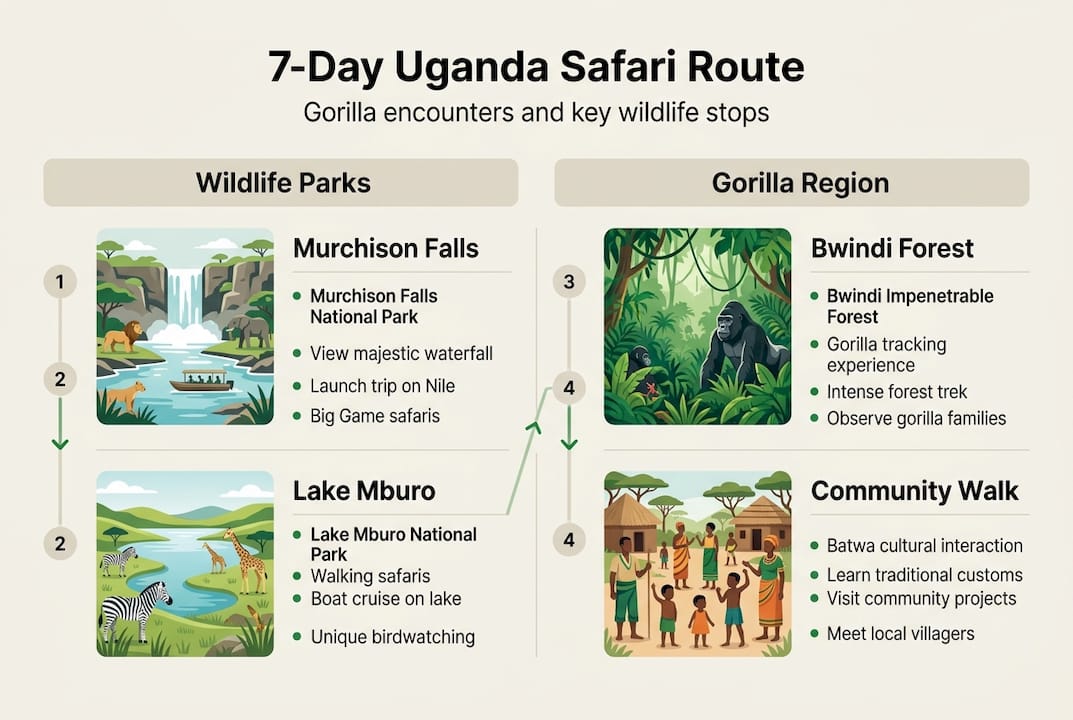
Day 1: Arrival and transfer to Murchison Falls National Park
Land at Entebbe International Airport and begin the 5-6 hour drive northwest to Murchison Falls National Park. Stop at Ziwa Rhino Sanctuary for rhino tracking on foot, adding the fifth member of the Big Five to your checklist since rhinos were reintroduced here after local extinction. Arrive at your lodge near the park in late afternoon, settling in for an early night before tomorrow’s game drive. This first day focuses on travel and adjustment rather than intensive activities.
Plan Your Uganda Safari with Local Experts
 WhatsApp Us
Day 2: Murchison Falls game drives and boat safari
Start with a dawn game drive on the northern bank where you’ll search for lions, elephants, buffalo, giraffes, and various antelope species across open savanna. Early morning drives increase wildlife sighting chances because animals are most active before midday heat. Return to the lodge for breakfast and rest during the hottest hours. Afternoon brings a boat cruise on the Victoria Nile to the falls base, where you’ll see hippos, crocodiles, and diverse waterbirds while approaching the dramatic falls where the Nile squeezes through a 7-meter gap.
Day 3: Morning game drive and transfer toward Bwindi
Enjoy one final early game drive in Murchison Falls before beginning the long 8-9 hour journey south toward Bwindi Impenetrable Forest. This represents your longest driving day, but the route passes through varied landscapes including the Albertine Rift escarpment with stunning views. Stop for lunch in Fort Portal or another town along the way. Arrive at your Bwindi accommodation in early evening, preparing mentally and physically for the next day’s gorilla trek.
Day 4: First gorilla trekking experience
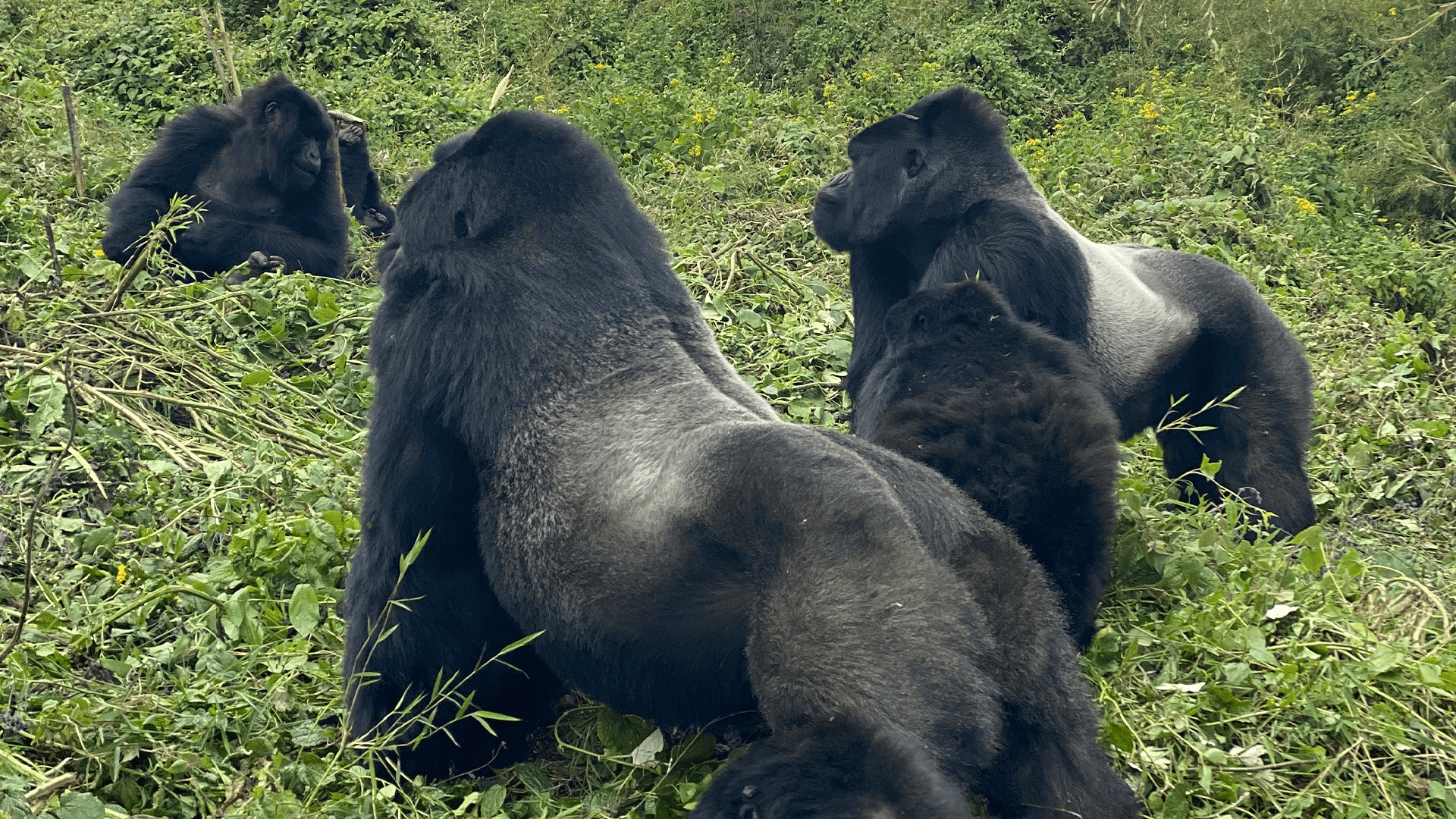
Wake early for breakfast before heading to the park headquarters for your 8:00 AM briefing. Rangers assign you to a gorilla family group based on your fitness level and preferences. Treks last anywhere from 2-8 hours depending on where the gorillas spent the previous night. Once you locate your assigned family, you’ll spend exactly one magical hour observing these gentle giants as they feed, play, and interact. The experience of watching a silverback or seeing infants tumble through the undergrowth creates memories that justify the entire journey.
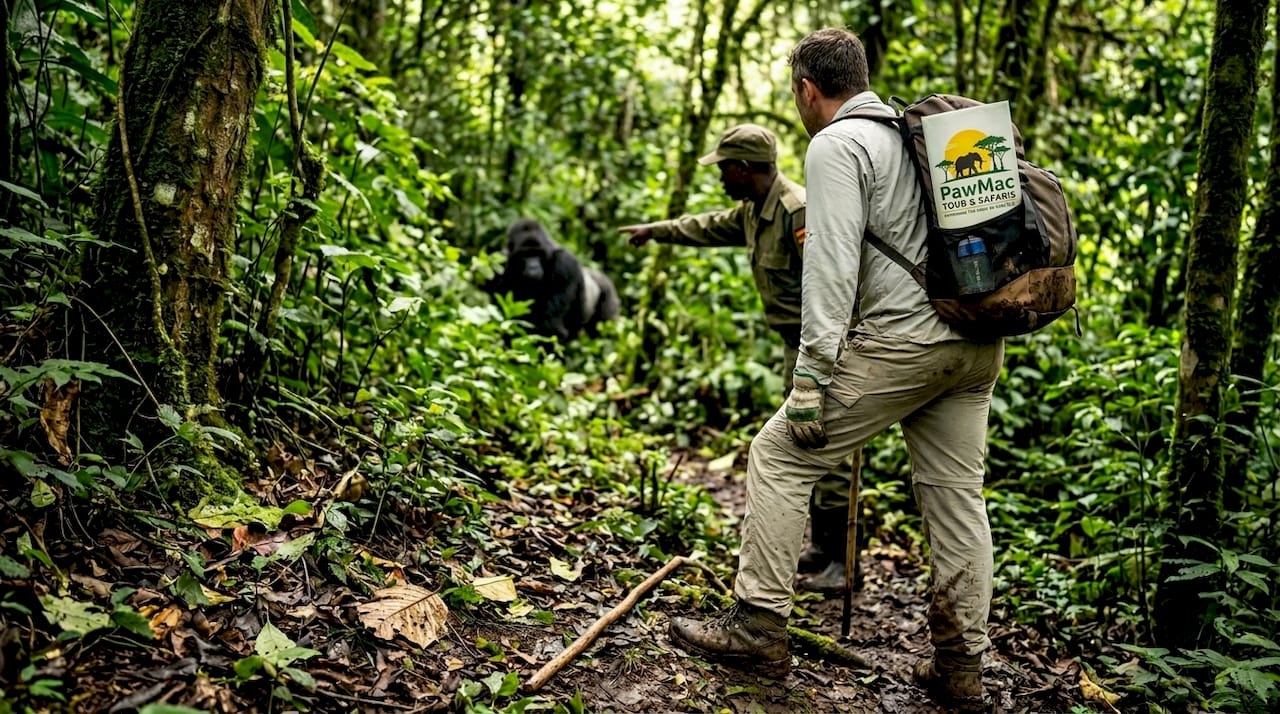
Pro Tip: Hire a porter at the trailhead for $15-20. This supports local communities while giving you a helpful hand during steep sections, and porters often spot wildlife you might miss.
Day 5: Second gorilla trek or community experience
If your budget allows a second permit, trek to visit a different gorilla family for fresh perspectives on their behavior. Alternatively, explore the Batwa community trail where indigenous forest people share traditional knowledge about living in the forest before their relocation. This cultural experience adds depth to your understanding of conservation’s human dimensions. Afternoon options include forest walks searching for other primates and birds, or simply resting at your lodge while processing the previous day’s incredible encounters.
Day 6: Transfer to Lake Mburo National Park
Depart Bwindi for the 4-5 hour drive to Lake Mburo National Park, Uganda’s smallest savanna park but rich in zebras, impalas, and other plains wildlife. Arrive in time for an afternoon game drive or boat safari on the lake itself. This smaller park offers a relaxed pace after the intensity of gorilla trekking, letting you appreciate more common but beautiful African wildlife. Evening brings opportunities for night drives where you might spot leopards, hyenas, or nocturnal cats.
Day 7: Morning walk safari and return to Entebbe
Lake Mburo uniquely permits walking safaris, so start your final day with a guided walk among zebras and antelopes. This ground-level perspective creates intimate wildlife encounters impossible from vehicles. After breakfast, drive 3-4 hours back to Entebbe, timing your arrival based on your departure flight. If time allows, visit the Uganda Wildlife Education Centre or relax at a lakeside restaurant before heading to the airport.
| Day | Main activity | Accommodation area | Driving time |
|---|---|---|---|
| 1 | Transfer to Murchison Falls | Murchison Falls NP | 5-6 hours |
| 2 | Game drives and boat safari | Murchison Falls NP | Minimal |
| 3 | Transfer to Bwindi | Bwindi area | 8-9 hours |
| 4 | Gorilla trekking | Bwindi area | Trek only |
| 5 | Second trek or cultural visit | Bwindi area | Trek or minimal |
| 6 | Transfer to Lake Mburo | Lake Mburo NP | 4-5 hours |
| 7 | Walking safari and return | Entebbe/departure | 3-4 hours |
Tips, common challenges, and making the most of your safari
Long driving days represent the biggest challenge in any Uganda safari itinerary. Roads between major parks remain mostly unpaved, turning what looks like short distances on maps into multi-hour journeys. Accept this reality and view drives as part of the adventure, watching rural life and changing landscapes. Break up travel with stops at local markets, craft centers, or scenic viewpoints rather than rushing straight through.
Altitude and physical exertion during gorilla treks catch many visitors off guard. Bwindi’s forests sit at 3,800 to 8,500 feet elevation, and trails involve steep climbs through dense vegetation on potentially muddy paths. Pace yourself, stay hydrated, and don’t hesitate to request porter assistance. Rangers accommodate different fitness levels, but honesty about your capabilities during the briefing helps them assign you to appropriate gorilla families.
Weather unpredictability requires flexible expectations. Even during dry seasons, mountain forests generate their own weather patterns with sudden rain showers. Pack rain gear on every trek regardless of morning conditions. Conversely, savanna parks can be extremely hot during midday, making early morning and late afternoon the prime game viewing windows.
Maximizing wildlife sightings involves several strategies:
- Position yourself on the vehicle’s shaded side during hot afternoon drives
- Stay quiet and minimize sudden movements when animals are nearby
- Listen to your guide’s expertise about animal behavior and likely locations
- Bring patience since wildlife viewing involves waiting and searching
- Use binoculars to scan distant treelines and water sources
Pro Tip: Download offline maps of Uganda before departure since cell coverage is spotty in remote areas. Apps like Maps.me work without data and help you track your journey.
Ethical wildlife viewing matters tremendously, especially with endangered gorillas. Follow all ranger instructions precisely, maintaining the required 7-meter distance and never eating or drinking near gorillas to prevent disease transmission. Flash photography is prohibited. If you’re ill with even a minor cold, reschedule your trek because human diseases can devastate gorilla populations.
“Gorilla trekking isn’t just about seeing rare animals. It’s about recognizing our responsibility to protect them and the forests they depend on. Every permit purchased funds rangers, anti-poaching efforts, and community programs that make conservation possible.” – Uganda Wildlife Authority
Budget considerations extend beyond obvious costs. Factor in tips for guides, drivers, and porters, which represent expected expenses rather than optional gratuities. Restaurant meals, bottled water, and incidental purchases add up over seven days. Many lodges include meals, but confirm what’s covered in your package. Booking through experienced operators can provide better overall value than piecing together independent arrangements.
Photography in forest conditions challenges even experienced shooters. Gorillas move constantly in low light under dense canopy, requiring high ISO settings and fast shutter speeds. Bring extra camera batteries since cold mountain air drains them quickly. For savanna wildlife, longer zoom lenses capture better images, but stabilization becomes critical in moving vehicles.
Communication with your tour operator before departure ensures everyone shares the same expectations. Clarify what’s included in your package, confirm pickup times and locations, and discuss any dietary restrictions or special needs. Reputable operators provide detailed packing lists and answer questions promptly. If something feels unclear, ask rather than assuming.
Plan your ultimate Uganda safari with PawMac Safaris
Turning this itinerary into reality requires careful coordination of permits, logistics, and expert guidance. PawMac Safaris specializes in creating seamless Uganda wildlife experiences that combine gorilla trekking with classic safari adventures across the country’s diverse national parks. Our team handles permit acquisition, arranges comfortable accommodations matching your budget, and provides experienced guides who know where wildlife congregates and how to maximize your sightings.

Whether you want to follow this exact 7-day route or customize timing and destinations, we design gorilla trekking experiences that reflect your interests and fitness level. Our local expertise means we understand road conditions, seasonal variations, and the little details that transform good safaris into extraordinary adventures. We also offer flexible tailor-made safari options if you want to extend your journey or add destinations like Queen Elizabeth National Park or chimpanzee tracking in Kibale Forest. Contact us to start planning your Uganda adventure with a team committed to responsible tourism and unforgettable wildlife encounters.
Frequently asked questions
How difficult is gorilla trekking in Uganda?
Gorilla trekking difficulty varies from moderate to quite challenging depending on where your assigned family is located that day. Trails involve steep climbs, dense vegetation, and potentially muddy conditions at elevations up to 8,500 feet. Good basic fitness helps significantly, but rangers accommodate various ability levels. Porter assistance is available for around $15-20 and makes the trek much more manageable while supporting local communities.
What is the best time of year to do this 7-day safari?
Dry seasons from June to September and December to February offer optimal conditions for both gorilla trekking and wildlife viewing. Trails are less muddy during these months, making forest hikes more comfortable, while animals congregate near water sources in savanna parks for easier spotting. Wet seasons bring lower prices and fewer tourists, but prepare for muddy treks and some roads becoming challenging. Uganda’s equatorial location means temperatures remain relatively stable year-round.
How do I secure gorilla trekking permits within my 7-day itinerary?
Booking permits well in advance is essential since Uganda Wildlife Authority limits daily visitors to eight people per gorilla family. Reserve your permits 3-6 months ahead for peak season travel, or at minimum 2-3 months for other periods. Working with tour operators who offer permit-inclusive packages simplifies the process significantly since they handle all Uganda Wildlife Authority coordination and payment on your behalf.
What is the estimated cost range for this 7-day Uganda safari?
Total safari costs vary widely based on accommodation level and inclusions. Budget travelers might spend $2,500-3,500 per person including one gorilla permit, mid-range safaris typically run $3,500-5,000, while luxury experiences exceed $6,000 per person. The $800 gorilla permit represents the single largest fixed expense, with remaining costs depending on lodge choices, group size, and whether you book a second trek. These prices include permits, accommodation, meals, park fees, transport, and guide services but exclude international flights and personal expenses.
Recommended
- Uganda Safari Packages & Pricing | Gorilla Trekking – PawMac
- Gorilla & Wildlife Safari Uganda | PawMac Safaris
- 5-Day Uganda Primate Safari | PawMac Safaris
- Uganda Safari Guide: Gorilla Trekking, Wildlife & Planning


