

- 105 Views
- 11 Min Read
- (0) Comment
Planning a Queen Elizabeth National Park safari can feel overwhelming with so many wildlife experiences, logistics, and routes to choose from. This guide walks you through preparing, crafting, and executing a personalized itinerary that matches your interests and budget. Whether you seek tree-climbing lions, boat safaris, or chimpanzee trekking, you’ll learn how to design the perfect multi-day adventure. We’ll cover essential permits, packing tips, day-by-day planning strategies, and insider advice to maximize your wildlife encounters in one of Uganda’s most biodiverse parks.
Table of Contents
- Key takeaways
- Understanding Queen Elizabeth National Park and safari options
- Preparing for your safari: permits, logistics, and packing essentials
- Crafting your itinerary: day-by-day safari planning and tips
- Maximizing your safari experience and what to expect
- Explore tailored safari tours with PawMac Safaris
- Frequently asked questions
Key Takeaways
| Point | Details |
|---|---|
| Wildlife diversity and options | Queen Elizabeth offers a mix of big game drives, boat safaris, chimpanzee trekking, and birding, so plan activities that match your interests. |
| Permits and planning | Book chimpanzee tracking permits 3 to 6 months ahead since they sell out quickly, and factor park entry fees and permit costs into your budget. |
| Vehicle and guide needs | Choose a 4×4 with a pop up roof and an English speaking guide to maximize visibility, safety, and learning. |
| Packing and timing | Pack for variable conditions, balance comfort and practicality, and plan day by day to align with activities like early drives and late safaris. |
Understanding Queen Elizabeth National Park and safari options
Queen Elizabeth National Park stands out as Uganda’s most ecologically diverse protected area. The park spans 1,978 square kilometers across varied habitats including open savannah grasslands, tropical forests, papyrus wetlands, and volcanic crater lakes. This ecosystem variety creates home for over 95 mammal species and 600 bird species, making it a premier destination for wildlife enthusiasts.
The park’s signature attraction is the tree-climbing lions of Ishasha, a rare behavior observed in only two African locations. You’ll also encounter large elephant herds, buffalo, hippos along the Kazinga Channel, and leopards in forested areas. Primate lovers can track habituated chimpanzee communities in Kyambura Gorge, while bird watchers enjoy spotting shoebills, flamingos, and African fish eagles.
Safari experiences vary significantly based on your chosen activities:
- Game drives through Kasenyi plains and Ishasha sector for big game viewing during early morning or late afternoon
- Boat safaris on Kazinga Channel to observe hippos, crocodiles, elephants, and waterbirds at close range
- Chimpanzee trekking in Kyambura Gorge requiring moderate fitness for forest hiking
- Bird watching tours targeting specialized species in wetland and forest habitats
- Nature walks with armed rangers for intimate wildlife encounters and photography
Pro Tip: Visit the park guide and fees page before planning to understand current pricing structures and seasonal variations that affect your budget.
Understanding these options early helps you allocate days appropriately and book necessary permits. A 3-day itinerary might focus on game drives and boat safaris, while a 4-5 day trip allows time for chimpanzee trekking and exploring multiple park sectors. Your interests determine which activities take priority and how you structure each day.
With the park’s offerings clear, next prepare the logistics that make your safari smooth and successful.
Preparing for your safari: permits, logistics, and packing essentials
Successful safari preparation begins months before departure. Chimpanzee tracking permits sell out quickly during peak seasons, so book 3-6 months ahead through authorized operators. Park entry costs approximately $40-50 per person for 24 hours, while chimp permits add $50-200 depending on trek type. Complete 3-day safari packages range from $1,000-2,500 based on accommodation standards and group size.
Vehicle and guide selection dramatically impacts your experience. Essential logistics include:
- 4×4 safari vehicle with pop-up roof for photography and game viewing
- English-speaking guide with wildlife knowledge and park familiarity
- Fuel reserves as stations are scarce near remote park sectors
- Communication devices since cell coverage is limited in wilderness areas
- Accommodation bookings at lodges or camps matching your comfort preferences
Pro Tip: Request guides with specialized knowledge in your interest areas, whether birds, big cats, or primates, to enhance educational value during drives.

Plan Your Uganda Safari with Local Experts
 WhatsApp Us
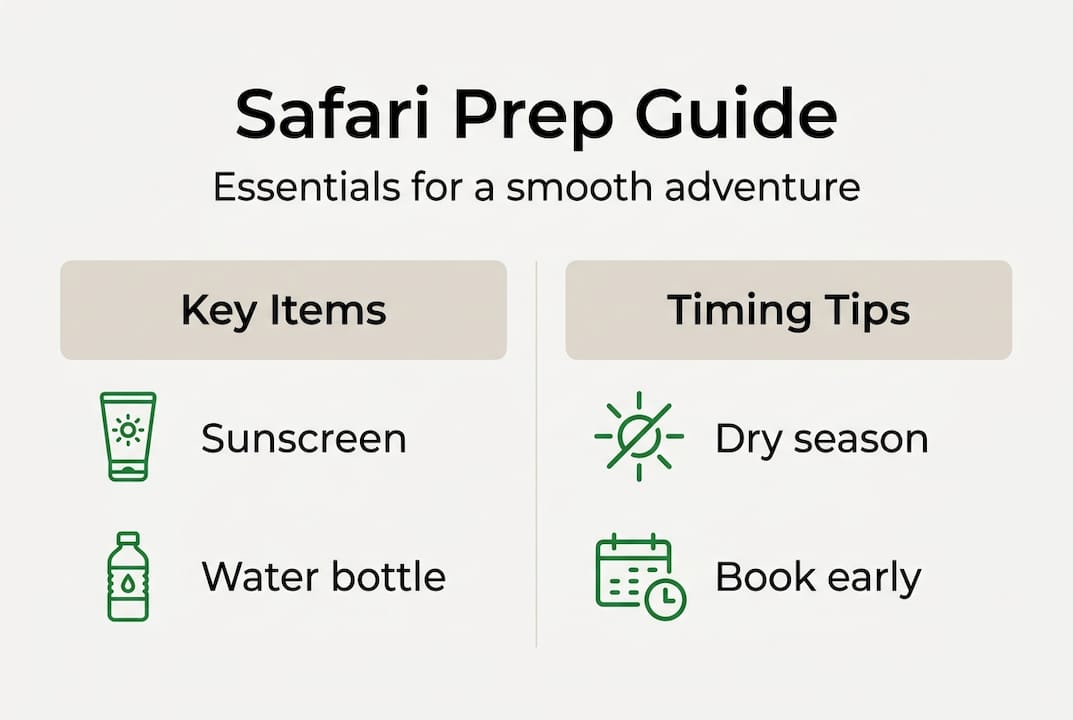
Packing requires balancing comfort with practicality for variable conditions. English-speaking guides are standard and 4×4 vehicles essential, but personal preparation matters equally. Bring sunscreen with high SPF, strong insect repellent containing DEET, lightweight rain gear for sudden showers, and neutral-colored clothing that doesn’t attract insects or spook animals.
| Item Category | Specific Recommendations | Purpose |
|---|---|---|
| Sun protection | SPF 50+ sunscreen, wide-brimmed hat, polarized sunglasses | Equatorial sun intensity |
| Insect defense | DEET repellent, long sleeves, treated mosquito net | Malaria prevention |
| Footwear | Closed hiking boots, sandals for lodge | Terrain navigation, comfort |
| Optics | 8×42 binoculars, camera with 300mm+ lens | Wildlife observation |
| Clothing | Khaki/olive layers, light jacket, rain poncho | Temperature shifts, weather |
| Health | Antimalarial medication, first aid kit, hand sanitizer | Safety, hygiene |
Consider weather patterns when finalizing preparations. The dry seasons of December-February and June-August offer easier road access and concentrated wildlife around water sources. However, rainy season can make roads slippery, suggesting fly-in safari options for those with limited time or mobility concerns. Peak crowds during July-August can inflate prices by 20-30% compared to shoulder months.
Review the comprehensive safari packing guide for detailed equipment lists, and check the family safari packing checklist if traveling with children. For budget optimization strategies, explore booking discounted gorilla safaris which shares principles applicable to park permits.
With preparations complete, you’re ready to build your day-by-day itinerary.
Crafting your itinerary: day-by-day safari planning and tips
Building an effective itinerary requires matching activities to optimal times and balancing intensity with rest. Start by selecting your travel window based on weather and wildlife patterns. Dry months concentrate animals near permanent water sources, making sightings more predictable. Wet season offers lush landscapes and fewer tourists but requires flexibility for road conditions.
Follow this step-by-step framework for a 3-4 day safari:
- Day 1: Arrival and orientation with afternoon game drive in Kasenyi plains focusing on lions, elephants, and Uganda kob
- Day 2: Morning boat safari on Kazinga Channel followed by afternoon rest and evening game drive in different sector
- Day 3: Chimpanzee trekking in Kyambura Gorge (book permits early) with afternoon relaxation or short nature walk
- Day 4: Ishasha sector visit for tree-climbing lions before departure or continue to next destination
Pro Tip: Schedule physically demanding activities like chimp habituation treks lasting 1-6 hours on middle days when you’re acclimated but not yet fatigued.
Transport method significantly affects itinerary structure. Road transfers from Kampala take 6-7 hours, consuming most of day one and limiting same-day activities. Fly-in options via chartered aircraft reduce travel to 90 minutes, allowing full safari days but increasing costs by $300-500 per person. Evaluate this trade-off based on your total trip duration and budget.
| Itinerary Style | Duration | Key Activities | Best For | Estimated Cost |
|---|---|---|---|---|
| Quick explorer | 2 days | Game drives, boat safari | Time-limited travelers | $800-1,200 |
| Classic safari | 3 days | Game drives, boat safari, chimp trek | First-time visitors | $1,000-2,000 |
| Comprehensive | 4-5 days | All sectors, multiple treks, bird watching | Wildlife enthusiasts | $1,800-3,500 |
| Luxury immersion | 5-7 days | Private guides, premium lodges, specialized photography | High-end travelers | $4,000-8,000 |
Adapt your itinerary to group fitness and interests. Families with young children might skip strenuous chimp treks in favor of additional boat safaris and lodge-based activities. Photography enthusiasts benefit from dedicating full days to single locations rather than rushing between sectors. Bird watchers should allocate morning hours when avian activity peaks.
Consider exploring tailor-made Uganda safari options that combine Queen Elizabeth with other parks like Bwindi for gorillas or Kibale for more extensive primate experiences. The 3-day chimpanzee tracking safari demonstrates how focused itineraries deliver deep experiences in specific wildlife categories.
Balance is crucial. Avoid scheduling game drives for every morning and afternoon, which leads to safari fatigue. Include downtime at your lodge for wildlife observation from verandas, swimming, or simply processing the incredible sights you’ve witnessed. This rhythm makes the active portions more impactful and enjoyable.
Once your itinerary framework is set, learn what to expect during actual safari days.
Maximizing your safari experience and what to expect
Wildlife encounters in Queen Elizabeth National Park offer both spectacular moments and valuable lessons in patience. The park’s tree-climbing lions in Ishasha represent a unique behavior where prides rest in fig trees during hot afternoons, providing extraordinary photography opportunities. Large elephant herds frequent the Kazinga Channel shores, while hippo pods numbering hundreds create unforgettable boat safari experiences.
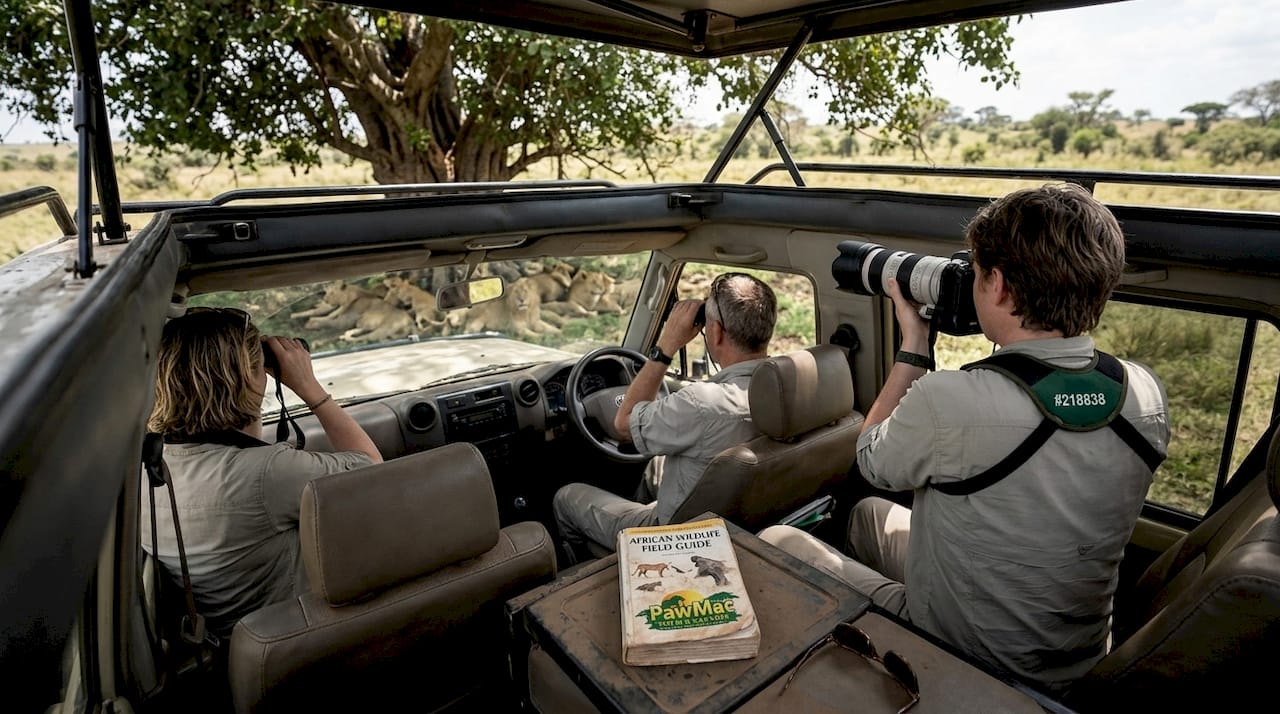
Expectations should align with natural wildlife behavior. Animals follow their own schedules, not tourist itineraries. Early morning drives between 6:00-9:00 AM yield the highest predator activity as lions and leopards hunt before heat intensifies. Afternoon drives from 4:00-7:00 PM capture animals emerging from shade as temperatures cool.
Follow these best practices for optimal encounters:
- Maintain silence during animal sightings to avoid spooking wildlife and allow natural behavior observation
- Stay in vehicle unless guides explicitly permit exits in designated safe zones
- Respect minimum distances especially with elephants, buffalo, and hippos which can charge if threatened
- Follow guide instructions immediately as they read animal body language and assess safety continuously
- Pack patience since some species require waiting 30-60 minutes for optimal viewing or behavior
Pro Tip: English-speaking guides are standard and 4×4 vehicles essential for navigating rough terrain, but your attitude determines experience quality more than equipment.
Common challenges include variable weather requiring layered clothing, insects despite repellent use, and dusty conditions during dry season. Slippery roads after rain can delay transfers or limit sector access. Mental preparation for these realities prevents disappointment and helps you adapt gracefully.
Photography ethics matter as much as technical skills. Avoid using flash which disturbs nocturnal animals and stresses daytime species. Keep camera shutters on silent mode during close encounters. Never ask guides to disturb animals for better angles or provoke reactions for dramatic shots. The best images capture authentic behavior, not staged performances.
“The magic of safari lies not in checking species off a list, but in witnessing the intricate web of predator-prey relationships, social hierarchies, and survival strategies that define Africa’s wild spaces. Every drive teaches patience, humility, and appreciation for nature’s complexity.”
Bird diversity exceeds most visitors’ expectations with over 600 species recorded. Specialized habitats harbor unique birds, from shoebills in papyrus swamps to martial eagles in savannah zones. Carry a field guide and dedicate early mornings to birding when activity and visibility peak.
Luxury accommodations enhance comfort without diminishing authentic wilderness connection. Properties range from basic bandas to five-star lodges with infinity pools overlooking the park. Your choice affects budget significantly but shouldn’t compromise the core safari experience. Even budget options provide clean rooms, meals, and strategic locations for wildlife access. Explore luxury safari experiences to understand how premium options elevate comfort while maintaining ecological responsibility.
With realistic expectations and proper preparation, your safari delivers transformative encounters that reshape your understanding of African ecosystems and conservation challenges.
Explore tailored safari tours with PawMac Safaris
Turning safari dreams into reality requires local expertise and logistical coordination that PawMac Safaris provides through customizable packages. Our Best Uganda wildlife tours combine Queen Elizabeth National Park with complementary destinations like Bwindi for gorillas or Murchison Falls for Nile wildlife, creating comprehensive East African adventures.
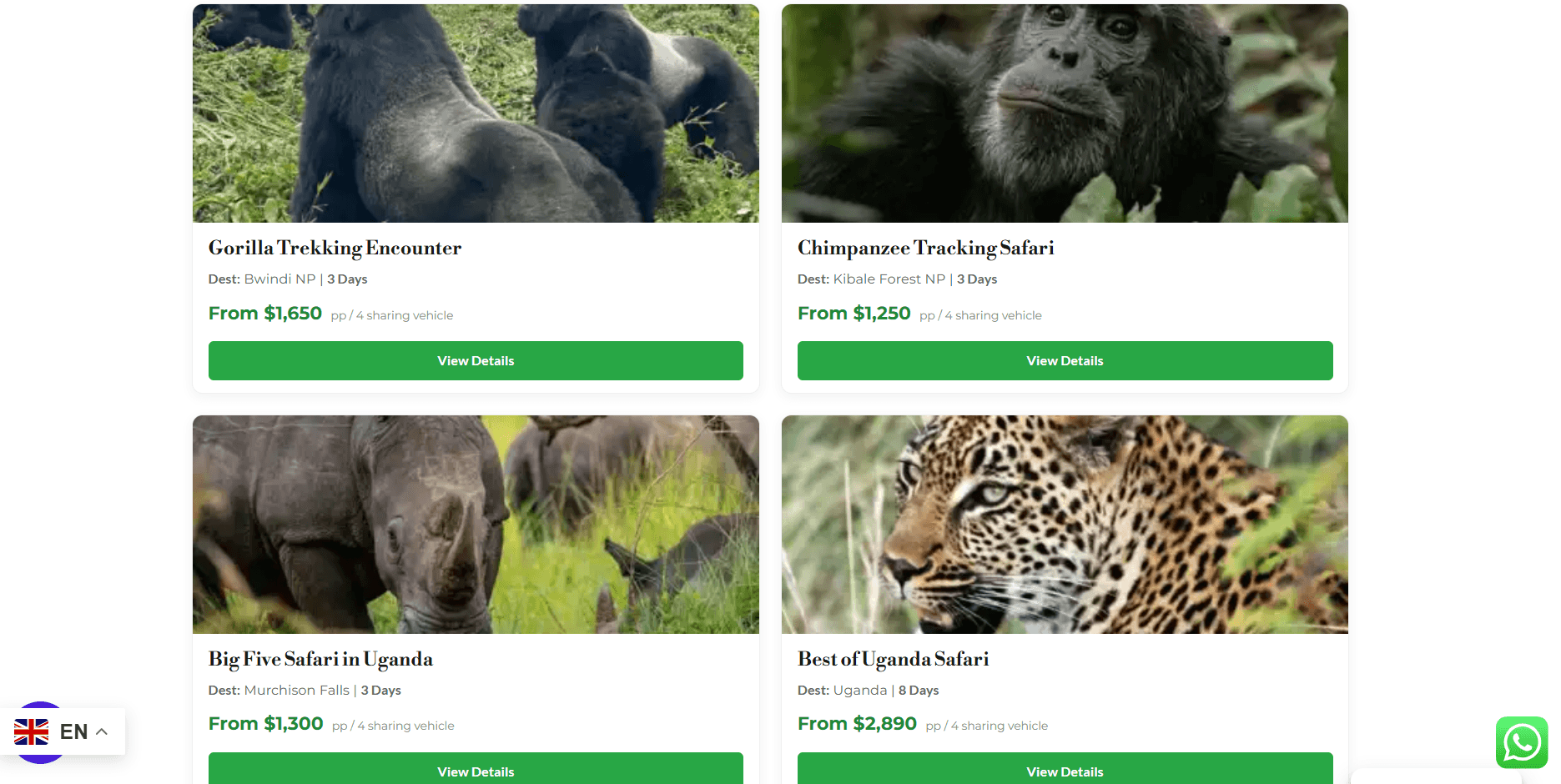
We design tailor-made Uganda safari itineraries matching your interests, fitness level, and schedule constraints. Whether you prioritize big cats, primates, birds, or photographic opportunities, our experienced guides maximize wildlife encounters while ensuring safety and comfort. Accommodation options span budget-friendly camps to luxury lodges, all vetted for quality and strategic park access.
Our 3-day Big Five safari Uganda showcases how focused itineraries deliver intensive wildlife experiences without rushing. Expert guides share ecological knowledge, animal behavior insights, and conservation context that transforms viewing into learning.
Pro Tip: Early booking secures limited chimpanzee permits and preferred lodge rooms during peak seasons, while also locking in current rates before annual price increases.
To address remaining questions about planning your Queen Elizabeth National Park safari, we’ve compiled answers to the most common traveler concerns.
Frequently asked questions
What is the best time of year to visit Queen Elizabeth National Park?
Dry seasons during December through February and June through August provide optimal conditions for wildlife viewing and comfortable road access. Animals concentrate around permanent water sources, making sightings more predictable. However, peak season months of July and August bring larger crowds and prices typically 20-30% higher than shoulder periods.
Do I need permits to trek chimpanzees or gorillas in the park?
Chimpanzee trekking in Kyambura Gorge requires separate permits costing approximately $50-200 depending on trek duration and type. Standard treks last 2-3 hours while habituation experiences extend 4-6 hours with researchers. Book permits 3-6 months ahead during peak seasons as daily numbers are limited to minimize wildlife disturbance. Queen Elizabeth National Park does not contain gorillas; those experiences occur in Bwindi Impenetrable Forest and Mgahinga Gorilla National Park, requiring different permits at higher costs.
What type of vehicle and guide should I arrange for the safari?
A 4×4 safari vehicle with pop-up roof is essential for navigating the park’s varied terrain and providing unobstructed wildlife photography angles. English-speaking guides with certified training and extensive park knowledge dramatically enhance your experience through species identification, behavior interpretation, and optimal route selection. Request guides specializing in your interest areas, whether big cats, birds, or primates, when booking through tour operators.
What should I pack for a Queen Elizabeth National Park safari?
Essential items include SPF 50+ sunscreen for equatorial sun exposure, DEET-based insect repellent for malaria prevention, lightweight rain gear for sudden showers, and neutral-colored clothing in khaki or olive tones. Pack sturdy closed-toe boots for chimpanzee trekking, binoculars for distant wildlife observation, and camera equipment with telephoto lenses. Review the comprehensive Uganda safari packing guide for detailed equipment lists covering health supplies, documentation, and seasonal considerations.
Recommended
- Queen Elizabeth National Park guide 2026: Fees, logistics
- Tailor-Made Uganda Safari 10–25 Days | PawMac Safaris
- African Safari Destinations | PawMac Safaris
- 6 Days Uganda Safari & Lake Relax Experience | PawMac Safaris