

- 7 Views
- 13 Min Read
- (0) Comment
TL;DR:
- Top gorilla trekking operators actively contribute to conservation and work closely with local communities.
- They strictly enforce health protocols to protect mountain gorillas from human diseases.
- Choosing a reputable, conservation-focused operator ensures a safe, ethical, and unforgettable experience.
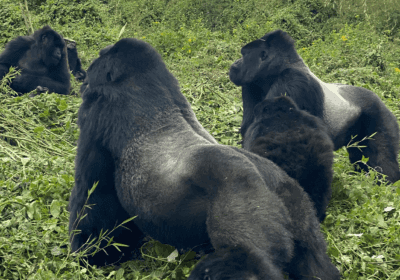
Gorilla trekking in Uganda is one of the most extraordinary wildlife encounters on earth. Standing just meters from a habituated gorilla family in the mist-shrouded rainforests of Bwindi Impenetrable National Park is an experience that stays with you for life. But the stakes are high. Permits cost $800 per person for the 2026 season, and the physical and logistical demands are real. Choosing the wrong tour operator can mean missed permits, poor safety briefings, or worse, contributing to practices that harm the very gorillas you traveled thousands of miles to see. This guide walks you through every step of selecting an operator who delivers both an unforgettable experience and genuine conservation impact.
Table of Contents
- Understand what sets top gorilla trekking operators apart
- Research and shortlist reputable tour operators
- Evaluate ethical standards and conservation commitment
- Verify logistics, safety, and personalized service
- What most travelers miss when choosing a gorilla trekking operator
- Plan your unforgettable, responsible gorilla trekking adventure
- Frequently asked questions
Key Takeaways
| Point | Details |
|---|---|
| Operator ethics matter most | Select companies committed to conservation, health, and fair local partnerships for a safe, meaningful trek. |
| Do thorough research | Shortlist operators based on reviews, transparency, and open communication about their safety and conservation practices. |
| Verify logistics and guest support | The best operators handle permits, safety, and offer customized service built around your needs. |
| Be an informed traveler | Your choices and health precautions directly impact gorilla survival and local communities. |
Understand what sets top gorilla trekking operators apart
Now that you know what’s at stake, let’s look at what makes a tour operator truly exceptional for your gorilla adventure.
The best operators are not simply booking agents who hand you a permit and wish you luck. They are active participants in Uganda’s conservation ecosystem. This means they work directly with the Uganda Wildlife Authority (UWA), contribute to community benefit programs around Bwindi and Mgahinga, and train their guides to follow strict wildlife interaction protocols. The difference between a good operator and a great one often comes down to how deeply embedded they are in Uganda’s local landscape, not just East Africa broadly.
Specialization in Uganda matters enormously. An operator who covers 12 countries across the continent may know gorilla trekking in general terms, but they won’t know that the Rushaga sector of Bwindi offers a different experience than Buhoma, or that Mgahinga’s single habituated group, the Nyakagezi family, requires different planning than Bwindi’s multiple families. Uganda-specific operators understand these nuances and build itineraries around them.
Conservation commitment is another non-negotiable. Top operators follow responsible safari tips and actively educate their clients before the trek begins. They enforce a strict 7-meter minimum distance from gorillas, limit group sizes to eight trekkers per gorilla family per day (as required by UWA), and conduct thorough pre-trek health screenings. Because mountain gorillas are highly susceptible to human diseases, operators must explicitly discuss health rules including no trekking when ill, mandatory masks near gorilla groups, and proper hand hygiene throughout the experience.
Here is what to look for in a top-tier operator:
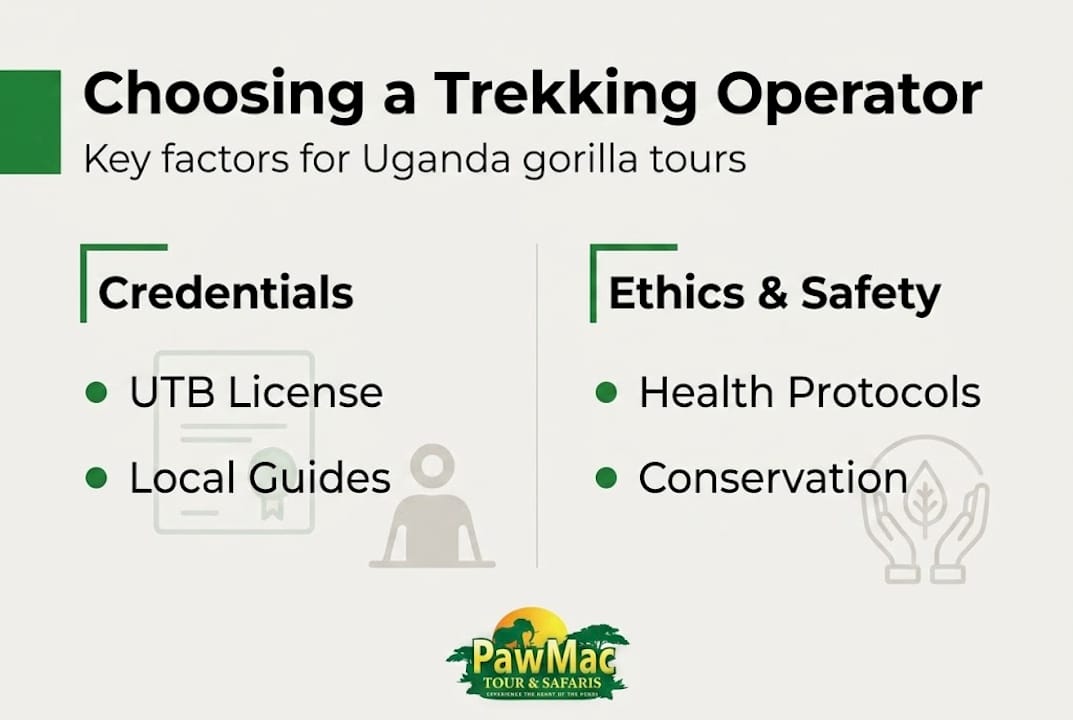
- Licensed by the Uganda Tourism Board (UTB) and registered with the Association of Uganda Tour Operators (AUTO)
- Employs certified, experienced Ugandan guides who speak the local language and understand gorilla behavior
- Transparent about permit fees and how a portion of those fees funds gorilla conservation
- Provides detailed pre-trek briefings covering health protocols, physical expectations, and wildlife ethics
- Maintains custom-built 4×4 safari vehicles suitable for Uganda’s challenging terrain, including the steep roads leading to Bwindi
- Has documented community partnerships with villages surrounding the national parks
“The most ethical gorilla trekking operators treat conservation not as a marketing tagline but as a core operational standard. Every decision, from vehicle choice to guide training, reflects a commitment to protecting the mountain gorilla population for future generations.”
Understanding safari tourism’s impact on Uganda’s gorilla population helps you appreciate why operator selection is so consequential. Your choice directly affects the health of these animals and the livelihoods of local communities.
Research and shortlist reputable tour operators
Understanding these qualities, the next step is to practically narrow down your operator choices.
Finding credible operators requires more than a quick Google search. Start with the Uganda Tourism Board’s official registry, which lists all licensed operators. The AUTO website also maintains a directory of member companies who have agreed to industry standards. Beyond official sources, travel forums like TripAdvisor, Lonely Planet’s Thorn Tree, and Safari Bookings offer detailed traveler reviews that reveal real-world performance.
Plan Your Uganda Safari with Local Experts
 WhatsApp Us
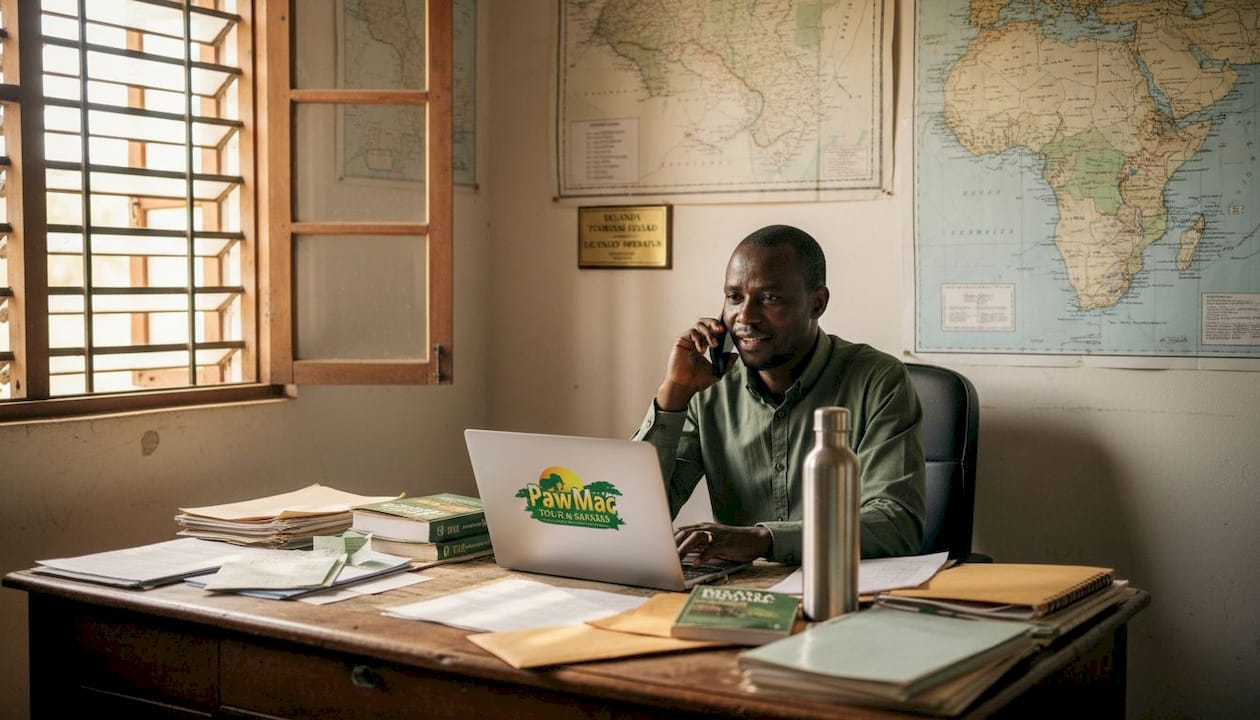
When reading reviews, look for specifics. A review that says “our guide Joseph knew every gorilla family member by name and explained their social dynamics throughout the hour” tells you far more than “great experience, highly recommend.” Recurring themes across multiple reviews, whether praise for guide expertise or concern about poor communication, are reliable signals.
Pro Tip: Search for reviews that mention specific park sectors like Ruhija, Nkuringo, or Rushaga. Reviewers who reference these details have genuinely trekked in Bwindi and are more likely to give accurate, firsthand accounts.
Red flags to watch for during your research:
- Vague or templated responses to inquiry emails
- No mention of health protocols or conservation contributions on their website
- Inability to confirm permit availability for your travel dates
- Pressure to book immediately without providing detailed itineraries
- No physical office address in Uganda or no local phone number
Use a comparison framework to evaluate your shortlist. The table below outlines key criteria:
| Criteria | Strong operator | Weak operator |
|---|---|---|
| UTB licensing | Clearly displayed | Not mentioned |
| Guide qualifications | Certified, local, named | Generic description |
| Health protocols | Detailed and enforced | Vague or absent |
| Conservation transparency | Specific contributions stated | Marketing language only |
| Permit handling | Secured in advance | Left to traveler |
| Vehicle quality | Custom 4×4 safari vehicles | Standard transport |
| Customer reviews | Specific, detailed, recent | Generic or sparse |
Exploring top gorilla trekking tours and comparing Uganda trekking packages side by side helps you apply this framework with real options. You should also verify that your chosen operator is familiar with the best gorilla trekking destination considerations for the 2026 season, including updated permit allocations and any new UWA regulations.
Ethical operators explicitly discuss health safeguards to prevent disease transmission to gorillas, and this should be visible in their communications from the very first contact.
Evaluate ethical standards and conservation commitment
With your shortlist in hand, it’s time to closely examine each operator’s real-world conservation efforts.
Ethical standards in gorilla trekking go well beyond following UWA rules. The best operators actively invest in the ecosystems and communities that make trekking possible. Here is a numbered checklist to guide your evaluation:
- Ask directly about community benefit programs. Does the operator contribute to schools, healthcare, or sustainable agriculture projects near Bwindi or Mgahinga? Operators with genuine community ties will answer this question with specific project names and locations.
- Request their health protocol documentation. A serious operator will have a written policy. It should cover pre-trek health screenings, mask requirements within 10 meters of gorillas, hand sanitizer provision, and a clear policy for clients who develop symptoms.
- Confirm that Ugandan guides lead every trek. Local guides bring irreplaceable knowledge of gorilla behavior, forest navigation, and cultural context. An operator who relies on foreign guides or subcontracts locally at the last minute is not truly invested in local expertise.
- Verify their permit process. Legitimate operators secure permits through UWA well in advance, especially for peak season months like June, July, December, and January. Ask for written confirmation of your permit allocation before paying any deposit.
- Check for conservation fee transparency. A portion of every $800 permit fee goes directly to UWA’s gorilla conservation programs. Ethical operators explain this clearly and may also contribute additional funds through partnerships with organizations like the International Gorilla Conservation Programme.
The data below illustrates how conservation-aligned operators differ from standard providers:
| Standard | Ethical operator | Standard operator |
|---|---|---|
| Health screening before trek | Always conducted | Inconsistent |
| Mask enforcement near gorillas | Mandatory | Optional |
| Local guide employment | 100% Ugandan guides | Mixed or outsourced |
| Community investment | Documented programs | Not mentioned |
| Permit secured in advance | Guaranteed in writing | Confirmed verbally |
Operators should enforce rules like no trekking when ill, mandatory masks, and proper hygiene to protect gorillas from human diseases. This is not optional. Mountain gorillas have no immunity to common human respiratory illnesses, and a single sick trekker can endanger an entire family group.
Pro Tip: Ask your shortlisted operators, “What happens if I feel unwell on the morning of my trek?” A responsible operator will offer a permit transfer or refund policy and will actively encourage you not to trek if you are ill. An operator who pressures you to go anyway is not one you want leading your experience.
Following responsible safari practices and understanding how permit funding for conservation works will help you ask the right questions and recognize genuine commitment when you hear it.
Verify logistics, safety, and personalized service
Once you’re confident in their ethical approach, focus on practical aspects that will directly shape your trip.
The most ethically committed operator in Uganda still needs to deliver on the ground. Logistics, safety planning, and personalized service are what separate a smooth, memorable trek from a stressful one. Here is how to verify these elements before you commit:
- Confirm permit status in writing. Ask for the permit number or a copy of the UWA booking confirmation. For the 2026 season, permits are in high demand, particularly for Bwindi’s Buhoma and Rushaga sectors. Do not assume availability without written proof.
- Ask about vehicle specifications. Uganda’s roads, especially the routes to Bwindi from Kampala or Kigali, require capable 4×4 vehicles. Custom-built safari Land Cruisers with pop-up roofs, refrigerated cooler boxes, and first aid kits are the standard for professional operators.
- Request a detailed safety briefing overview. Before the trek, your operator should conduct a full briefing covering gorilla behavior, what to do if a silverback charges, altitude and terrain expectations, and emergency evacuation procedures.
- Evaluate itinerary flexibility. Can the operator adjust your schedule if weather delays a trek or if you want to extend your time in Queen Elizabeth National Park? Rigid, non-negotiable itineraries are a warning sign.
- Test their responsiveness. Send an inquiry email and note how quickly and thoroughly they respond. A team that takes five days to reply to a pre-booking question will not be easier to reach when you are in the field.
Key logistics to verify before booking:
- Accommodation options near Bwindi (lodges range from budget banda-style to luxury forest retreats)
- Airport transfers from Entebbe International Airport
- Porter arrangements for the trek itself (hiring local porters supports community income)
- Travel insurance requirements and recommendations
- Contingency plans for permit cancellations or health-related trek postponements
Operators prioritizing conservation also maintain rigorous safety checks and guest health screenings as a core part of their tours. This is a reliable indicator that the operator takes their responsibility seriously at every level.
For a complete picture of what to expect, review gorilla permits and logistics for the 2026 season, explore the full breakdown of cost and permits, and use the trekking preparation checklist to arrive fully ready. When you are ready to move forward, the step-by-step guide to booking gorilla trekking will walk you through the process with clarity.
Pro Tip: Book at least six months in advance for peak season dates. The 2026 trekking season is seeing strong demand, and operators with strong reputations fill their permit allocations quickly.
What most travelers miss when choosing a gorilla trekking operator
Most travelers invest significant time comparing prices, reading reviews, and checking licensing. That is all necessary. But there is one dimension that almost everyone underestimates, and it is the most important one for the gorillas themselves.
Health protocol compliance is not just an operator responsibility. It is a traveler responsibility too. The best operators in Uganda do not simply inform you of the rules. They empower you to make the right call even when it costs you money. If you wake up with a cough or a fever on trek day, the right operator will tell you clearly, “Do not go today.” They will help you reschedule or transfer your permit. They will not let financial pressure override gorilla welfare.
Because gorillas’ susceptibility to human diseases is so severe, travelers should ask tough questions about operator health rules before booking. Ask what happens when a client is sick. Ask whether guides carry masks. Ask whether the operator has ever turned a client away on health grounds. If they have, that is a sign of genuine integrity.
The complete guide to gorilla trekking reinforces this point throughout. The most responsible choice you make is not which lodge to stay in. It is whether you choose an operator who treats your health and the gorillas’ health as equally important.
Plan your unforgettable, responsible gorilla trekking adventure
With a clear checklist and a sharper eye for what separates ethical operators from the rest, you are ready to take the next step toward one of the most remarkable wildlife experiences in the world.
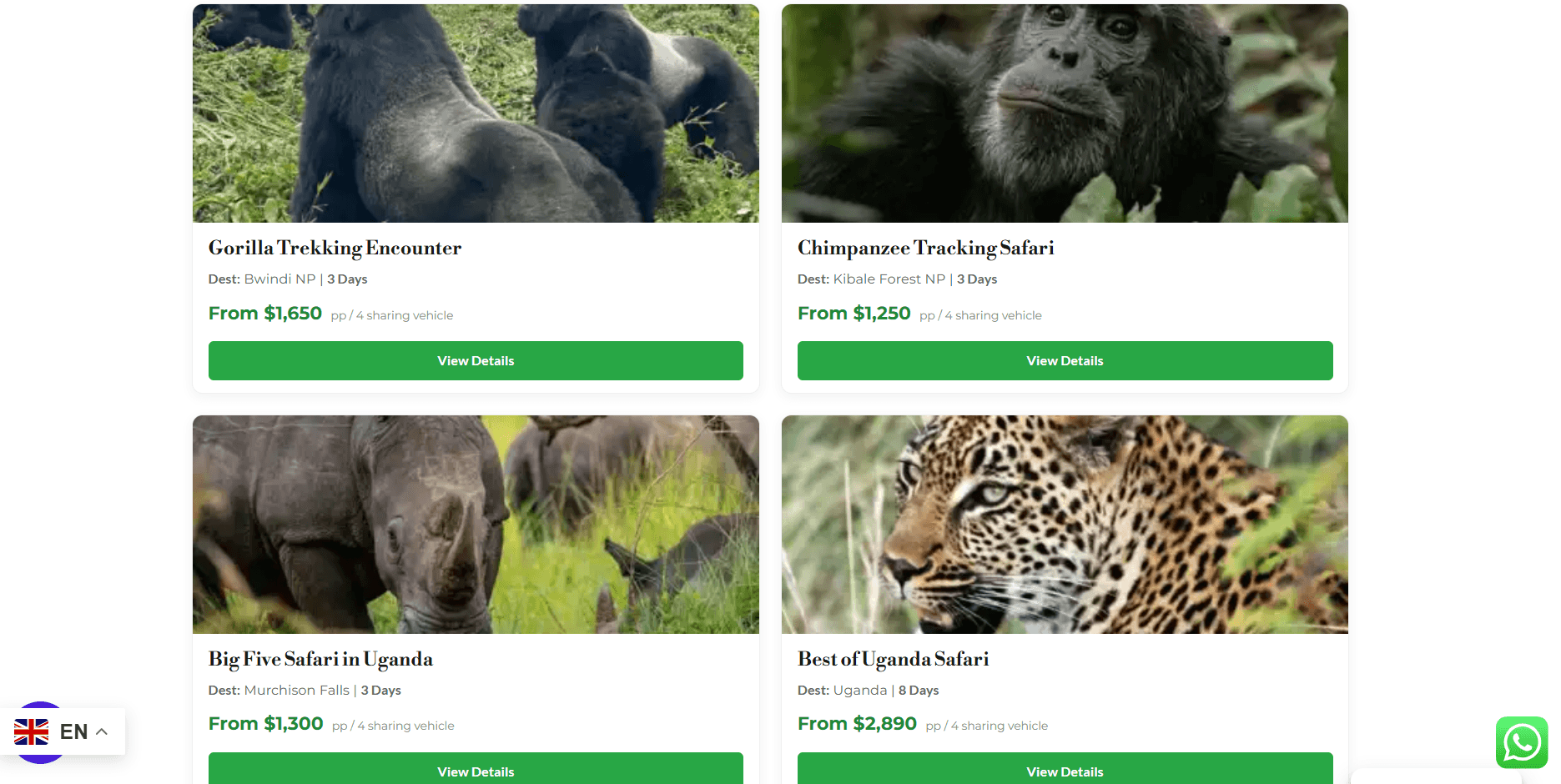
PawMac Safaris specializes exclusively in Uganda and offers handpicked, conservation-focused gorilla trekking experiences in both Bwindi Impenetrable Forest and Mgahinga. Every itinerary is custom-built around your travel dates, fitness level, and interests. The team uses custom 4×4 safari vehicles, employs certified Ugandan guides, and secures permits well in advance for the 2026 season. Explore the full range of gorilla trekking experiences, browse Uganda wildlife tours, or start planning with the complete collection of Uganda safari tours tailored to your vision.
Frequently asked questions
What are the top signs of an ethical gorilla trekking operator in Uganda?
Ethical operators enforce health rules, fund conservation, and hire local guides, and they will discuss all three openly during your first inquiry conversation.
Do Uganda gorilla trekking operators help obtain permits?
Yes, reputable operators secure permits on your behalf through the Uganda Wildlife Authority and provide written confirmation of your allocation before you pay in full.
How can I verify that a tour operator supports gorilla conservation?
Ask for specific details about their conservation contributions and community programs. Operators who participate in conservation and enforce health protocols will answer this question with concrete examples, not vague language.
What health precautions should be in place during gorilla trekking?
Operators should require masks, hand hygiene, and pre-trek illness screening, because no trekking when ill and mask and hygiene protocols are essential safeguards for mountain gorilla health.
Why do ethical operators cost more than budget options?
Ethical operators invest in certified local guides, conservation programs, quality vehicles, and guest safety systems. Conservation funding and strict health requirements add to operational costs, but they also ensure your trek has a genuinely positive impact on Uganda’s gorilla population.
Recommended
- How to Book Gorilla Trekking in Uganda: Step-by-Step Guide
- Uganda Safari Guide: Gorilla Trekking, Wildlife & Planning
- Gorilla Trekking Uganda 2026 – Permits, Prices & Best Safaris
- How to Join Group Gorilla Tours in Uganda for Less