


- 141 Views
- 12 Min Read
- (0) Comment
TL;DR:
- Adding safari extensions in Tanzania enhances the experience by allowing deeper wildlife encounters and cultural immersion beyond the main circuits. Travelers seeking rare animals, authentic village visits, or beach relaxation can tailor these add-ons to enrich their journey and create lifelong memories. Planning early and coordinating logistics ensures seamless, impactful trips that go far beyond the standard safari adventure.
Most travelers finish their Tanzanian safari after the classic game drive circuit and fly home, convinced they’ve seen everything Africa has to offer. They haven’t. Beyond the well-traveled paths of the Serengeti and Ngorongoro Crater lies an entire layer of experience that only reveals itself when you slow down and stay a little longer. Safari extensions give you access to chimpanzee tracking in Mahale’s ancient forests, sunrise walks with Maasai elders, and the warm, turquoise Indian Ocean off the shores of Zanzibar. This guide breaks down exactly what safari extensions are, why they matter, and how to plan one that fits your journey perfectly.
Table of Contents
- What are Tanzania safari extensions?
- Top reasons to extend your Tanzania safari
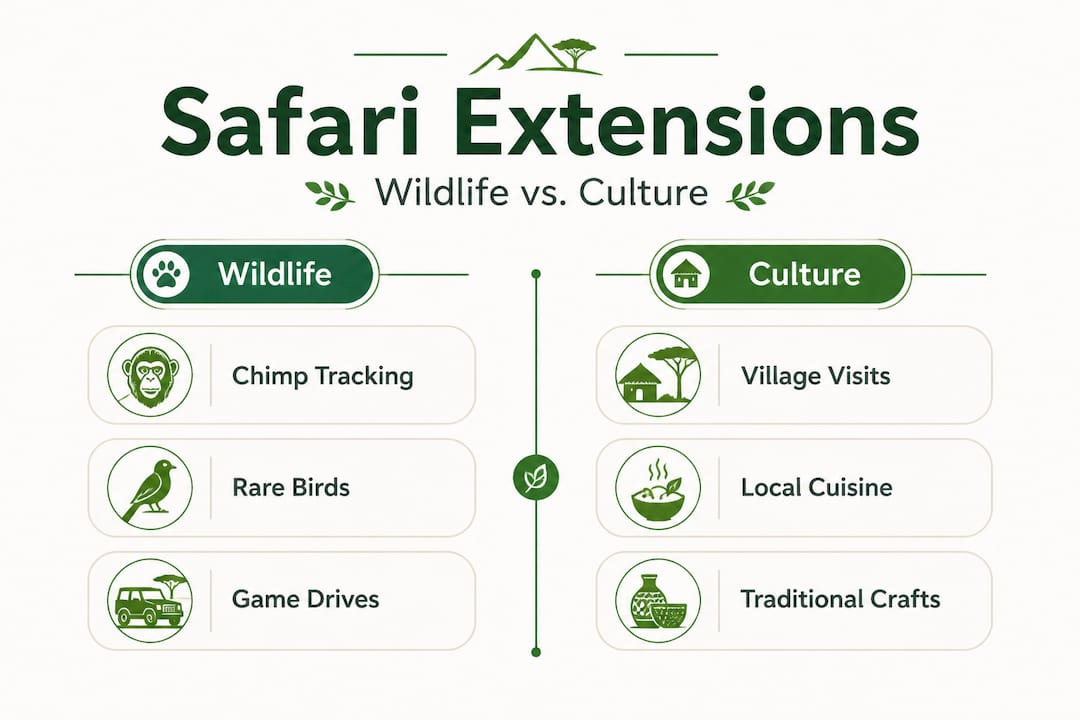
- Safari extension options: Wildlife, culture, and beyond
- How to plan a seamless Tanzania safari extension
- Our take: The real reason most travelers regret skipping a safari extension
- Explore more with a custom Tanzanian safari extension
- Frequently asked questions
Key Takeaways
| Point | Details |
|---|---|
| Extensions maximize adventure | Adding extra days unlocks unique wildlife and cultural experiences most tourists never see. |
| Flexible, custom options | Tanzania safari extensions can be tailored to your interests, from gorilla tracking to beach escapes. |
| Seamless planning matters | Booking your extension early and with expert help makes for a smoother, more memorable journey. |
| Real connections | Extensions create space for deeper engagement with local people, nature, and your travel companions. |
What are Tanzania safari extensions?
A safari extension is any planned add-on experience that follows your core game drive itinerary. Think of your main safari as the foundation and the extension as everything that makes the trip genuinely unforgettable. These additions are not afterthoughts. They are purposeful, curated experiences designed to deepen your connection to Tanzania’s landscapes, wildlife, and people.
Safari extensions explained can take many forms depending on your interests and travel style. The most common types include:
- Migratory wildlife add-ons in the Serengeti, timed to witness the Great Migration’s river crossings or calving season
- Beach escapes on Zanzibar’s Stone Town or Nungwi coastline for rest and water sports after days in the bush
- Cultural village visits with Maasai communities, Hadzabe bushmen, or Datoga blacksmiths near Lake Eyasi
- Mountain treks on the slopes of Kilimanjaro or the Ngorongoro Highlands for walkers who want altitude and panoramic views
- Chimp tracking expeditions in Mahale Mountains National Park or Gombe Stream, far off the standard tourist circuit
Who chooses extensions? The answer covers a wide range of travelers. Adventure seekers want the chimp tracking or mountain trekking add-ons. Families with children often gravitate toward cultural experiences and beach stays, which offer variety and downtime. Cultural explorers build entire itineraries around village visits and artisan workshops. Even seasoned safari veterans who have visited Tanzania multiple times find extensions reveal corners of the country they never knew existed.
Pro Tip: Adding just 2-3 days to your existing itinerary can completely transform the texture of your travel memories. The wildlife sighting you’ll remember most is rarely the one from the first game drive. It’s the one that surprised you on day seven.
With the basics in mind, let’s dig into why these extensions offer so much more than meets the eye.
Top reasons to extend your Tanzania safari
Now that we’ve seen what extensions are, let’s look at concrete reasons travelers choose to add them to their itineraries. The motivations are real and compelling, and they go well beyond simply wanting “more time” in Africa.
-
Rare wildlife sightings that most tourists never see. The standard Serengeti and Ngorongoro circuit is extraordinary, but Tanzania’s wildlife portfolio goes much deeper. Mahale Mountains is home to one of Africa’s largest habituated chimpanzee communities. Flamingo-ringed soda lakes like Lake Natron offer a birdwatcher’s paradise. The black rhino population in Ngorongoro Crater, though small, is one of Tanzania’s most protected conservation success stories. Extending your trip gives you time to seek out these rare encounters deliberately.
-
Cultural immersion that changes your perspective. Spending an afternoon in a Maasai manyatta (homestead) is not the same as a roadside souvenir stop. It means sitting with elders, learning about traditional cattle herding practices, and understanding a way of life that has survived centuries. The Datoga people near Lake Eyasi are known metalworkers whose craft has been passed down for generations. The Hadzabe are one of the last remaining hunter-gatherer communities in Africa. These encounters are deeply respectful, ethically managed, and genuinely moving.
-
Relaxation and adventure on the Indian Ocean coast. After 10 days of early morning game drives and dusty tracks, Zanzibar is exactly the kind of contrast that restores your energy. You can snorkel pristine coral reefs, explore the UNESCO-listed Stone Town’s winding alleyways, eat fresh seafood at a night market, or simply lie on a white sand beach. The transition from bush to ocean takes about two hours by flight and feels like entering a completely different world.
-
Flexible pacing that allows for genuine discovery. Rushed itineraries mean ticking boxes. Extended itineraries mean noticing things. When you have an extra day near Tarangire, you have time to follow elephant herds into the baobab woodland without watching the clock. That kind of unhurried observation is how wildlife encounters become lifelong memories.
-
Better overall value for your investment. Long-haul travel to Tanzania is a significant commitment of time and money. Spreading that investment across a richer, more varied experience simply makes financial sense. Maximize safari adventure by connecting safari experiences thoughtfully rather than treating each destination as a separate trip.
“Safari extensions allow you to craft an experience that goes far beyond photographs.”
The best Serengeti extensions are those that complement the rhythm of the main game drive circuit rather than competing with it. Timing matters, and so does intent.
Safari extension options: Wildlife, culture, and beyond
Understanding your main motivations makes it easier to choose the most rewarding extension. Let’s compare the top options available across Tanzania right now.
| Extension type | Location | Highlight experience | Best suited for |
|---|---|---|---|
| Chimpanzee tracking | Mahale Mountains | Trekking dense forest to observe habituated chimp families | Adventure seekers, primate enthusiasts |
| Cultural village stay | Lake Eyasi area | Hadzabe archery and Datoga metalwork demonstrations | Cultural explorers, families |
| Beach and water sports | Zanzibar | Snorkeling, diving, Stone Town heritage walks | Couples, relaxation seekers |
| Mountain trekking | Kilimanjaro foothills | Guided hikes through cloud forest to alpine moorland | Hikers, fitness-focused travelers |
| Walking safari | Selous (Nyerere) | Multi-day guided walks through Africa’s largest game reserve | Experienced safari travelers |
| Flamingo and bird watching | Lake Natron | Vast flamingo colonies and volcanic landscape photography | Birders, photographers |
The variety here is striking. Extension activities in Tanzania span every terrain type and travel preference, which is part of what makes Tanzania one of East Africa’s most versatile destinations.
Plan Your Uganda Safari with Local Experts
 WhatsApp Us
Must-consider extension experiences in Tanzania:
- A full-day Hadzabe bushwalk near Lake Eyasi, where you join a traditional morning hunt and gather expedition
- Sunset dhow cruise off Zanzibar’s northwestern coast, ideally departing from Nungwi beach
- Guided walking safari in Nyerere National Park (formerly Selous), covering terrain no vehicle can reach
- Community visits to local Maasai schools or women’s cooperative craft projects near Arusha
- Boat safari along the Rufiji River in Nyerere, where hippo pods and Nile crocodiles line the banks
Choosing between safari lodge options is also part of the planning process. Some extensions are best based from tented camps deep inside a reserve, while others work better from a boutique lodge near a cultural site. Knowing your accommodation style helps narrow the choice.
If Tanzania sparks your appetite for broader East African adventures, exploring other African safari destinations can reveal how Tanzania connects naturally to Uganda, Kenya, and Rwanda as part of a multi-country itinerary.
How to plan a seamless Tanzania safari extension
Armed with knowledge of the options, here’s how you can put it all together for your personal journey.
-
Book early and coordinate with your flights. Extension timing is everything. If your international departure is from Kilimanjaro International Airport, adding a Zanzibar beach stay requires an internal flight connection. Booking those internal flights at least 3 to 4 months in advance prevents schedule conflicts and usually secures better pricing. Domestic airlines like Coastal Aviation and Auric Air serve most remote airstrips throughout Tanzania, including Mahale and Selous.
-
Ask detailed questions about access requirements. Some extensions involve physical demands that need honest assessment. Chimpanzee tracking in Mahale requires a boat crossing of Lake Tanganyika and a forest trek that can last 3 to 5 hours over uneven terrain. Kilimanjaro trekking involves altitude gain above 4,000 meters. Ask your operator specifically about fitness requirements, minimum ages for children, and any mobility considerations before committing.
-
Blend activities for value and energy balance. The most satisfying itineraries mix intensity with recovery. Two or three days of active wildlife tracking pair well with a day of cultural visits, followed by an ocean beach experience at the end. This rhythm prevents fatigue and gives each experience its own emotional weight. The advice from seamless extension planning emphasizes that stacking too many demanding activities back-to-back can dull the impact of each one.
-
Prioritize personalized, locally-informed planning. Generic itineraries miss the seasonal nuances that make a specific extension exceptional. Luxury safari camp planning means working with operators who understand that Mahale’s chimp tracking is best in the dry season from July to October, or that Zanzibar’s northeast coast is calmer from June to March. For personalized travel tips, connecting with destination specialists adds real value beyond what any standard booking platform provides.
-
Complete your pre-departure logistics checklist. Extensions sometimes cross borders or involve areas with specific health requirements. Confirm the following before you travel:
- Visa requirements: A Tanzanian visa covers the mainland and Zanzibar, but additions to Uganda, Kenya, or Rwanda may require separate arrangements.
- Yellow fever vaccination: Required for entry if traveling from certain countries and strongly recommended for most East African itineraries regardless.
- Malaria prophylaxis: Essential throughout Tanzania, including coastal areas.
- Travel insurance: Confirm that your policy covers activity-specific risks, especially for trekking above 4,000 meters or remote boat travel.
Pro Tip: Integrating your extension logistics during the initial booking stage, rather than adding them later, typically saves 10 to 20 percent in costs and guarantees availability at smaller, specialist camps that fill up months in advance.
Our take: The real reason most travelers regret skipping a safari extension
Here is something that most safari guides won’t tell you directly. The extension is rarely about the wildlife. Yes, tracking chimpanzees through Mahale’s green-cathedral forest is extraordinary. Yes, watching a flamingo take flight over a volcanic lake is a photograph you’ll look at for the rest of your life. But the travelers who describe their extensions as the single most meaningful experience of their lives are almost never talking about an animal.
They’re talking about the Maasai elder who explained, with quiet patience, how his community measures wealth not in money but in cattle and children. They’re talking about the Hadzabe elder who laughed when they fumbled with a traditional bow and arrow, and then sat with them for an hour teaching them how to hold it properly. They’re talking about the boat captain on the Rufiji River who pointed out a crocodile nest and then explained, in careful detail, how his grandfather used to know exactly which crocodiles lived on which stretch of bank.
Why extensions matter is not a logistical question. It is a question about what kind of traveler you want to be. Travelers who skip extensions consistently report more “what if” feelings when they return home. They wonder what they missed beyond the Serengeti gate. They wonder what was around the next bend in the river.
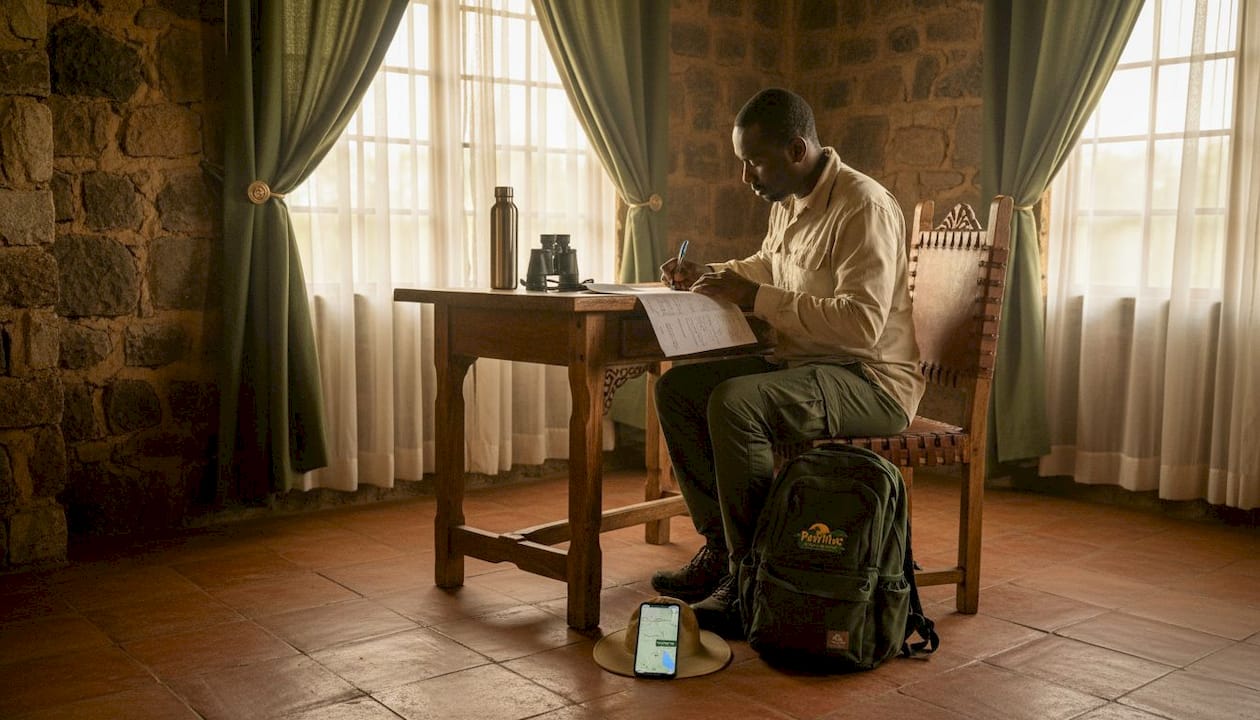
The honest field advice from PawMac Safaris is this: the best moments in any extended trip are the unplanned ones. The extension creates space for those moments to exist. You can’t plan for the unexpected, but you can give yourself enough time for it to find you.
Explore more with a custom Tanzanian safari extension
You’ve just covered the full landscape of what a Tanzania safari extension can offer, from rare wildlife encounters to life-changing cultural connections. The next step is making it real for your specific travel dates, interests, and budget.

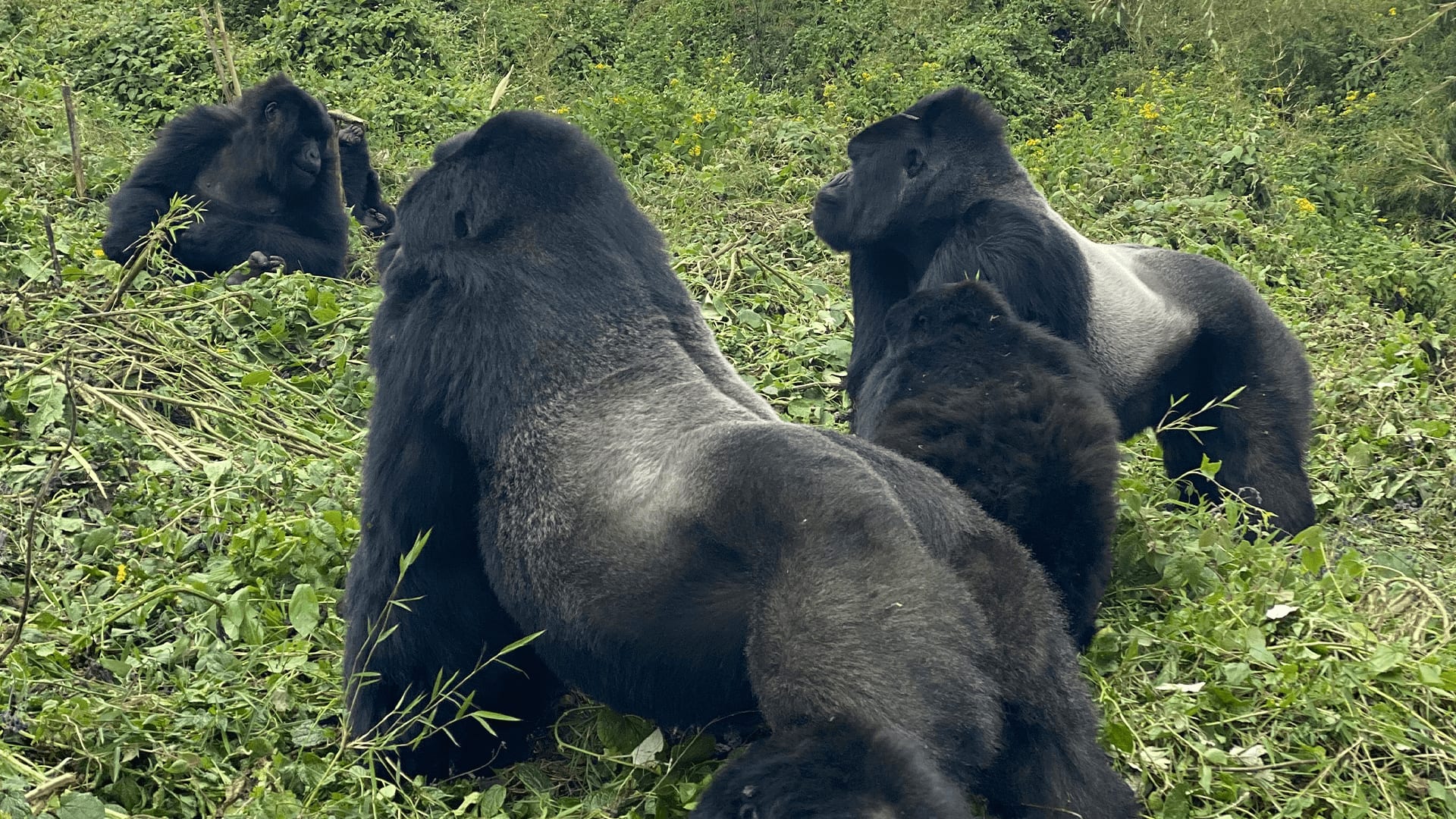
PawMac Safaris brings deep regional expertise and genuine local knowledge to every itinerary we help build. Whether you’re ready to browse Tanzanian safari extensions or want to explore the full range of all safari experiences across East Africa, our team is here to guide every decision. If your interest extends to Uganda’s remarkable primates, our dedicated gorilla trekking options offer a natural complement to any Tanzanian itinerary. Reach out today and let’s design an extension that makes your trip truly your own.
Frequently asked questions
How many days should I add for a safari extension in Tanzania?
Most travelers find 2 to 4 additional days offer the perfect blend of relaxation and deeper exploration, giving enough time to fully experience one or two extension activities without feeling rushed.
What types of activities are best for a Tanzania safari extension?
Wildlife tracking, cultural village visits, and beach relaxation in Zanzibar are the most popular extension activities, with extension activities ranging widely based on your interests and the time of year.
Are safari extensions suitable for families with children?
Yes, many extension activities are family-friendly and can be tailored to different age groups, as detailed in safari extensions explained, especially cultural visits and beach stays that balance activity with downtime.
Do I need extra visas or health precautions for extensions?
Some extensions, especially those crossing into neighboring countries like Uganda or Rwanda, may require additional visas or specific vaccinations, so confirming health and entry requirements with your operator at least three months before travel is strongly recommended.
Recommended
- Uganda safari extensions into Tanzania: maximize adventure
- Tanzania trip | PawMac Safaris
- Top 4 Tanzania Serengeti Safaris 2026
- 6 Days Uganda Safari & Lake Relax Experience | PawMac Safaris


