


- 152 Views
- 10 Min Read
- (0) Comment
TL;DR:
- Extending a safari from Uganda into Tanzania enriches wildlife experiences with diverse ecosystems and species. Combining primate treks with the Great Migration offers a comprehensive East African adventure. Proper planning with experienced operators ensures smooth logistics, permits, and cultural encounters.
Most travelers planning an East African safari choose one country and call it a trip. Uganda or Tanzania, not both. That choice is understandable, but it leaves a striking amount of wildlife, culture, and landscape on the table. Combining a Uganda safari with a Tanzania extension creates one of the richest wildlife journeys available anywhere on the planet. This guide walks you through exactly when a cross-border extension makes sense, how to structure the itinerary, what you’ll encounter, and what it costs. By the end, you’ll have a clear picture of whether this adventure is right for you.
Table of Contents
- Key reasons to extend a Uganda safari into Tanzania
- How to structure your Uganda-Tanzania safari itinerary
- Wildlife and cultural highlights unique to each region
- Costs, accommodation choices, and tour operator tips
- Why a cross-border safari is worth the extra effort
- Ready to plan your Uganda-Tanzania safari?
- Frequently asked questions
Key Takeaways
| Point | Details |
|---|---|
| Combined wildlife diversity | Uganda and Tanzania together offer gorillas, Big Five, and rare animals for a richer safari. |
| Flexible itinerary options | Custom routes make it possible to enjoy both cultures and landscapes in one seamless trip. |
| Expert planning is essential | Working with experienced tour operators ensures smooth logistics and unique experiences. |
| Accommodation choices matter | Selecting the right camps or lodges enhances comfort and maximizes your wildlife viewing. |
Key reasons to extend a Uganda safari into Tanzania
Having set the stage, let’s explore why extending your journey from Uganda into Tanzania is more than just extra travel. It genuinely amplifies your safari experience in ways that a single-country trip simply cannot match.
Uganda and Tanzania occupy different ecological zones and offer entirely different wildlife encounters. Uganda’s dense rainforests shelter mountain gorillas, chimpanzees, and golden monkeys. Tanzania’s open savannas and crater floors host lions, elephants, leopards, rhinos, and buffalo. These are not overlapping experiences. They complement each other in a way that feels almost designed for the curious traveler.
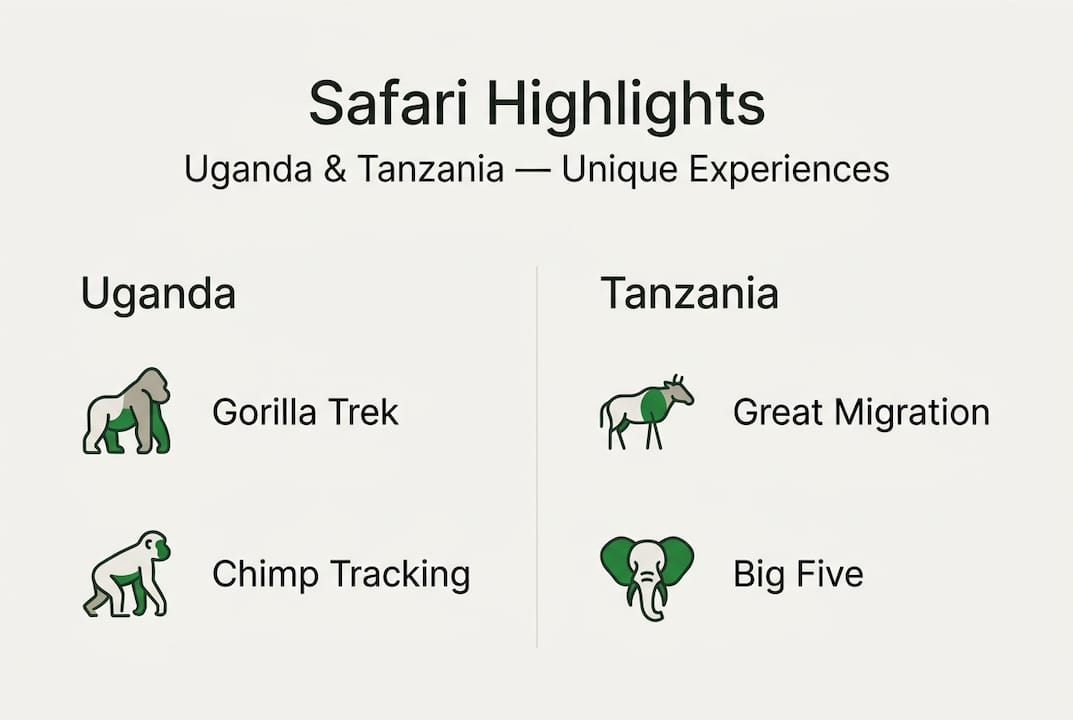
The diverse wildlife and landscapes of Uganda and Tanzania together surpass what any single-country safari can offer. That’s not marketing language. It reflects the ecological reality of two countries that sit at the intersection of Central and East African biomes.
Here’s a quick look at who benefits most from a Uganda-Tanzania extension:
- Wildlife photographers seeking both primate close-ups and open-plain action shots
- First-time safari travelers who want to experience the full spectrum of African wildlife in one trip
- Repeat visitors who have done one country and want to deepen their East Africa experience
- Adventure seekers drawn to varied terrain, from misty forest trails to vast crater landscapes
- Cultural travelers interested in meeting Uganda’s Batwa communities and Tanzania’s Maasai people
“Combining gorilla trekking in Uganda with the Serengeti’s Great Migration in Tanzania is one of the most complete safari experiences available in East Africa.”
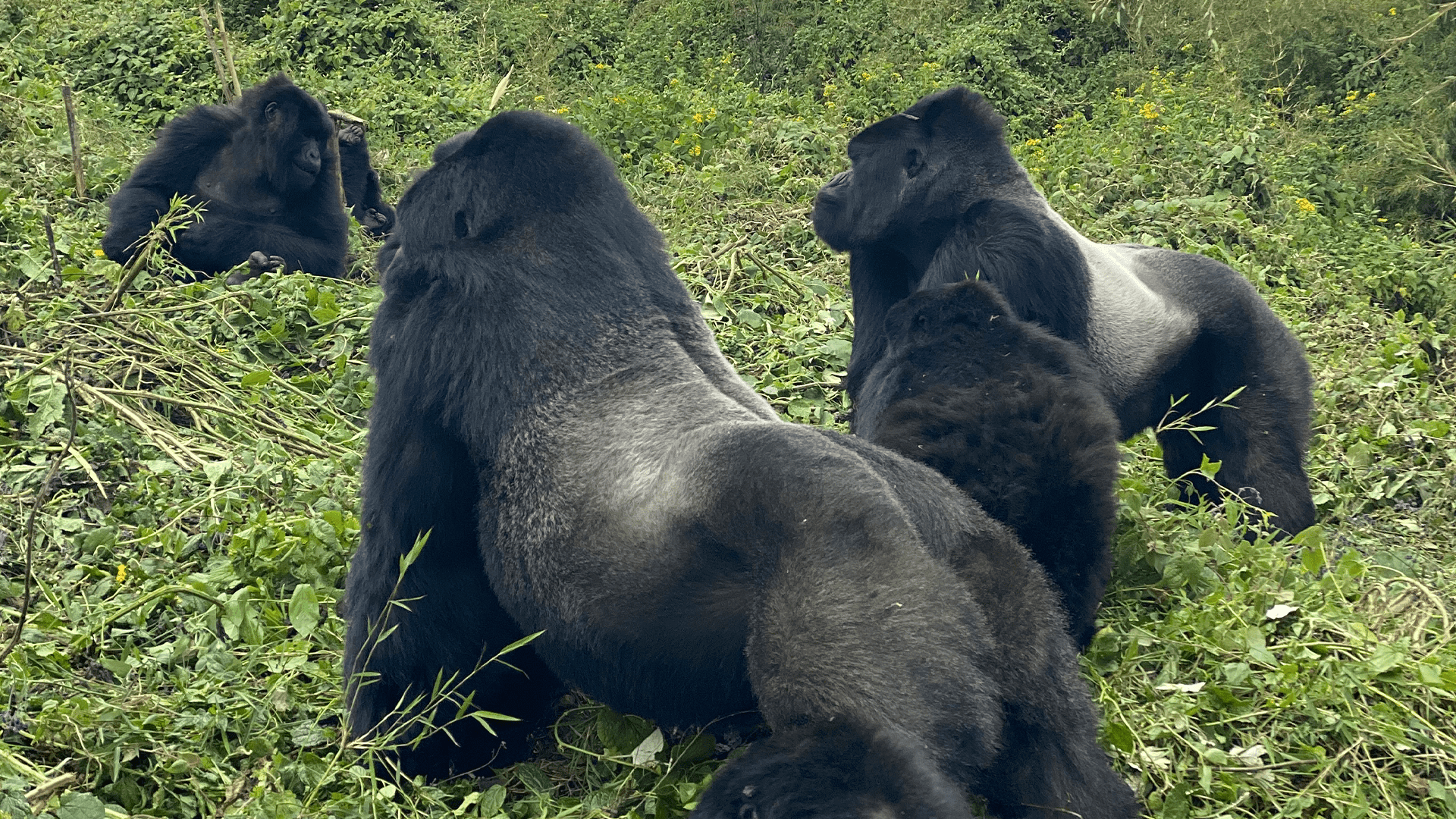
For travelers who want to add gorilla and chimp trekking to their itinerary before heading south, Uganda is the natural starting point. Bwindi Impenetrable National Park and Mgahinga Gorilla National Park both offer habituated gorilla families, and permit availability is generally better when booked well in advance through a local operator.
The bottom line is simple. If you have 12 days or more, a cross-border safari rewards you with a depth of experience that no single destination can replicate.
How to structure your Uganda-Tanzania safari itinerary
Now that you know why a Uganda-Tanzania safari extension is compelling, let’s break down how to plan a seamless cross-border adventure.
The most logical sequence starts in Uganda and ends in Tanzania. Here’s a suggested flow:
Plan Your Uganda Safari with Local Experts
 WhatsApp Us
- Days 1 to 3: Arrive in Kampala, transfer to Bwindi or Mgahinga for gorilla trekking
- Days 4 to 5: Chimpanzee tracking in Kibale Forest or Queen Elizabeth National Park game drives
- Days 6 to 7: Transfer or fly to Entebbe for your onward flight to Kilimanjaro or Arusha
- Days 8 to 10: Serengeti National Park game drives, including migration sightings if in season
- Days 11 to 12: Ngorongoro Crater exploration and cultural visits
For entry and exit, Uganda requires a valid passport and, for most nationalities, a visa on arrival or an e-visa obtained in advance. Tanzania also requires a visa, which can be arranged online. The East Africa Tourist Visa covers Uganda, Kenya, and Rwanda but not Tanzania, so plan accordingly.
| Route option | Transit method | Approximate travel time |
|---|---|---|
| Entebbe to Kilimanjaro | Direct or connecting flight | 2 to 4 hours |
| Kampala to Arusha by road | Road transfer via Kenya | 12 to 16 hours |
| Entebbe to Dar es Salaam | Connecting flight | 3 to 5 hours |
Tour operators frequently tailor routes that include gorilla trekking in Uganda and the migration in the Serengeti, handling all cross-border logistics so you don’t have to.
For travelers who prefer elevated comfort throughout, luxury safari options are available in both countries, often including private charter flights between parks.
Pro Tip: Build at least one buffer day between your Uganda exit and Tanzania arrival. Flight delays, permit logistics, and border processing can eat into tight schedules. A buffer day protects your itinerary and reduces stress.
Working with a single operator who manages both legs of the trip is strongly recommended. The benefits of guided safaris become especially clear in cross-border planning, where coordination between parks, accommodations, and transport requires local expertise.
Wildlife and cultural highlights unique to each region
With your itinerary mapped, it pays to understand what makes the wildlife and cultural offerings so distinct between Uganda and Tanzania.
Uganda is renowned for gorilla trekking, while Tanzania is the premier destination for the Great Migration. These two experiences draw very different emotions. Sitting one meter from a silverback gorilla in Uganda’s misty forest is intimate and humbling. Watching 1.5 million wildebeest cross the Mara River in Tanzania is raw, chaotic, and unforgettable.
| Country | Key wildlife | Mammal species (approx.) |
|---|---|---|
| Uganda | Mountain gorillas, chimpanzees, golden monkeys, hippos, forest elephants | Over 340 |
| Tanzania | Lions, leopards, elephants, rhinos, buffalo, wildebeest | Over 430 |
Beyond the animals, the cultural contrast is equally striking:
- Uganda: The Batwa pygmies of Bwindi offer guided forest walks that reveal centuries of hunter-gatherer knowledge. Kampala’s markets and the Buganda Kingdom’s royal sites add historical depth.
- Tanzania: The Maasai people of the Ngorongoro region welcome visitors into their bomas (homesteads) and share traditions around cattle herding, beadwork, and warrior culture.
- Photography: Uganda’s forest light and Tanzania’s golden savanna light are both extraordinary but require different gear and techniques. Check out wildlife photography tips before you pack.
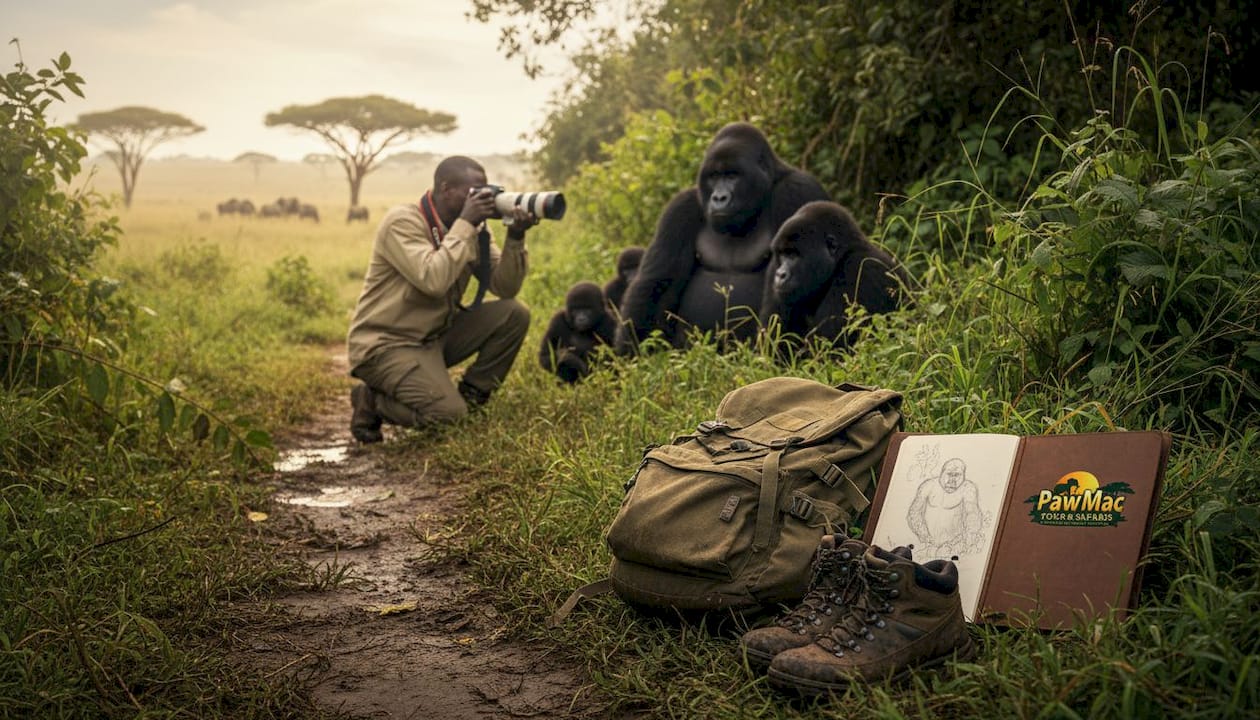
For photographers especially, the combination is unbeatable. Forest primates in Uganda require fast lenses and patience. Tanzania’s open plains call for long telephoto lenses and early morning positioning.
If you want to go deep on Uganda’s offerings before heading south, the 15-day Uganda safari itinerary is a strong starting point. And if you’re still weighing destinations, a side-by-side look at Uganda vs Kenya wildlife can help clarify your priorities before adding Tanzania to the mix.
Costs, accommodation choices, and tour operator tips
Finally, let’s examine the practical logistics of planning your Uganda-Tanzania extension, from costs to expert tour guidance.
A Uganda-Tanzania safari extension typically runs between $4,000 and $12,000 per person, depending on duration, accommodation level, and permit costs. Uganda gorilla trekking permits are priced at $800 per person. Tanzania’s park fees vary by park but average $60 to $100 per person per day in the Serengeti.
Here’s a breakdown of what drives costs:
- Gorilla and chimpanzee permits in Uganda are booked months in advance and are non-refundable
- Accommodation ranges from tented bush camps at $150 per night to luxury lodges exceeding $1,000 per night
- Internal flights between parks in Tanzania can add $300 to $600 per leg but save significant travel time
- Cultural experiences such as Maasai village visits or Batwa trail walks are typically $30 to $80 per person
- Visa fees for both countries combined usually total $100 to $150 depending on nationality
Luxury safari camps can be selected for personalized experiences that match both your wildlife goals and cultural interests, with staff who understand the nuances of cross-border travel.
For a detailed look at what Uganda alone costs before adding Tanzania, the Uganda safari pricing guide is a useful reference. And if you’re leaning toward high-end travel, luxury safari accommodations in both countries offer exceptional comfort without sacrificing access to wildlife.
Pro Tip: Choose operators with established cross-country experience. Guided safaris in Uganda offer clear advantages in planning cross-country itineraries, particularly when it comes to permit coordination, border logistics, and park-specific knowledge.
When evaluating operators, ask specifically about their Tanzania partnerships, their experience managing permit bookings across both countries, and whether they offer a single point of contact for the entire trip. That single-contact model saves time and prevents costly miscommunications.
Why a cross-border safari is worth the extra effort
After a clear look at logistics and highlights, here’s our take on why a cross-border safari could be your best trip ever.
Most travelers underestimate what they leave behind when they limit themselves to one country. The instinct to simplify is natural, but in this case, it costs you something real. A Uganda-only trip means no wildebeest migration. A Tanzania-only trip means no gorillas. Neither is a bad choice, but both are incomplete.
The conventional wisdom says cross-border travel is complicated. Visas, flights, permits, coordination. That’s true. But the complexity is manageable, especially with the right operator. And the payoff is outsized. Travelers who combine both countries consistently describe it as the most memorable trip of their lives.
What frequent safari travelers know is this: the richer the variety of ecosystems, the deeper the experience. Fewer crowds in Uganda’s forests, different light in Tanzania’s plains, and cultural encounters that feel worlds apart even though the countries share a border. When choosing safari destinations, the question isn’t just where the animals are. It’s where the full story lives. That story spans both countries.
Ready to plan your Uganda-Tanzania safari?
If you’re inspired to experience the best of both countries, here’s how PawMac Safaris can help make your dream safari a reality.
PawMac Safaris specializes in custom Uganda-Tanzania safari extensions, handling everything from gorilla permit bookings to Serengeti game drive scheduling. Our team has deep local knowledge across both countries and works with trusted partners in Tanzania to ensure your cross-border journey runs smoothly from day one.

Explore our gorilla trekking tours as a starting point, then browse our full range of African safari destinations to see how Uganda and Tanzania can fit together into one extraordinary trip. Ready to start planning? Visit our Uganda safari tours page and reach out to our team for a personalized itinerary and permit availability check.
Frequently asked questions
Is it easy to travel from Uganda to Tanzania on safari?
Travel between Uganda and Tanzania is straightforward when working with experienced operators who manage logistics, border crossings, and permits. Tour operators tailor cross-country routes specifically to minimize travel friction and maximize time in the parks.
What animals can I see in Uganda and Tanzania that I can’t see elsewhere?
Uganda offers mountain gorillas and chimpanzees in their natural rainforest habitat, while Tanzania is the global hub for the Great Migration and Big Five encounters. The gorilla and migration combination is virtually impossible to replicate in any other two-country pairing.
Are there tour packages for safaris that cover both Uganda and Tanzania?
Yes, many operators including PawMac Safaris offer custom packages covering both countries, typically combining gorilla trekking with Serengeti game drives. Browse available safari packages to find itineraries that match your timeline and interests.
How should I choose accommodations for a cross-border safari trip?
Prioritize camps and lodges recommended by your operator that are positioned close to key wildlife areas and have solid logistics support. Luxury safari camps selected for personalized experiences ensure both comfort and efficient access to wildlife throughout your trip.
Recommended
- Safari Extensions Explained: Enhance Your East Africa Trip
- Uganda vs Kenya safari: choosing the best wildlife destination
- 15 Days Ultimate Uganda Safari | PawMac Safaris
- Tailor-Made Uganda Safari 10–25 Days | PawMac Safaris


