


- 65 Views
- 17 Min Read
- (0) Comment
Uganda is one of the rare safari destinations where a single journey can take you from misty mountain forests with endangered gorillas to open savannahs filled with elephants, lions, buffalo, giraffes, hippos, and exceptional birdlife. For travelers who want both primate encounters and classic wildlife viewing, Uganda tours and safaris offer a level of variety that feels surprisingly intimate, especially compared with more crowded safari circuits elsewhere.
What makes Uganda particularly compelling is the way its experiences connect. You can trek mountain gorillas in Bwindi Impenetrable National Park, track chimpanzees in Kibale Forest, cruise the Nile below Murchison Falls, search for tree-climbing lions in Ishasha, and end the day at a lodge overlooking crater lakes or forested hills. The distances require careful planning, but the reward is a safari that feels rich, personal, and deeply connected to place.
For 2026 travel, the smartest approach is to plan early, especially if gorilla trekking is a priority. Gorilla permits are limited, the best lodges near trailheads book quickly in peak months, and the difference between a good itinerary and an exceptional one often comes down to route design. PawMac Safaris specializes in expert-guided Uganda safari planning, helping travelers match gorilla trekking, wildlife drives, boat safaris, cultural visits, and comfort level into one well-paced journey.
Why Uganda Is Exceptional for Gorilla and Wildlife Lovers
Uganda’s strength is not only that it has mountain gorillas. It is that gorilla trekking can be combined with a wide spectrum of wildlife experiences within one country. The landscapes shift dramatically, from the dense forests of Bwindi and Kibale to the broad savannahs of Queen Elizabeth National Park, the Nile corridor in Murchison Falls National Park, the remote plains of Kidepo Valley, and the acacia woodlands of Lake Mburo.
For wildlife lovers, this means your safari does not need to be one-dimensional. A well-designed Uganda itinerary can include primates, Big Five encounters, boat-based wildlife viewing, birding, walking safaris, and cultural experiences with local communities. Travelers who want a broader planning framework can use this detailed Uganda safari guide to understand how the major parks, seasons, and logistics fit together.
Uganda also offers a more grounded safari rhythm. Many experiences are ranger-led, guide-intensive, and shaped by terrain rather than mass vehicle movement. Gorilla trekking and chimpanzee tracking are done on foot. Boat safaris place you at water level with hippos, crocodiles, elephants, and birds. Even game drives often feel less congested, especially when timed properly by local guides who understand wildlife movement and park conditions.
The Signature Experiences to Build Around
Most high-value Uganda tours and safaris for wildlife enthusiasts are built around three pillars: gorilla trekking, chimpanzee tracking, and savannah wildlife viewing. Each experience is different, so the best itinerary balances intensity, travel time, and recovery.
| Experience | Best places in Uganda | Why it matters | Typical planning note |
|---|---|---|---|
| Gorilla trekking | Bwindi Impenetrable National Park, Mgahinga Gorilla National Park | One of the world’s most powerful wildlife encounters | Permits are limited and should be secured early |
| Chimpanzee tracking | Kibale Forest, Kyambura Gorge, Budongo Forest | Fast-moving, vocal, highly social primate experience | Kibale is the premier option for most itineraries |
| Big Five safari | Murchison Falls, Queen Elizabeth, Ziwa Rhino Sanctuary | Lions, leopards, elephants, buffalo, and rhinos with the right routing | Rhinos are tracked separately at Ziwa |
| Boat safaris | Kazinga Channel, Nile River in Murchison Falls | Excellent for hippos, crocodiles, elephants, buffalo, and birds | Best in morning or late afternoon light |
| Walking and nature experiences | Lake Mburo, Ziwa, forest trails | Adds intimacy and variety beyond vehicle-based viewing | Works well at the beginning or end of a trip |
| Birding | Bwindi, Mabamba, Queen Elizabeth, Semuliki, Murchison Falls | Uganda has extraordinary bird diversity | Specialist guides improve the experience significantly |
The key is not to include everything just because it is possible. The best safaris protect your energy for the experiences that matter most. Gorilla trekking can be physically demanding, chimpanzee tracking can be fast-paced, and long road transfers can affect your enjoyment if the route is too rushed.
Gorilla Trekking in Uganda: What to Know Before You Go
Gorilla trekking is the highlight for many travelers, but it is not a casual add-on. It requires the right permit, the right sector, the right lodge location, and realistic expectations about terrain.
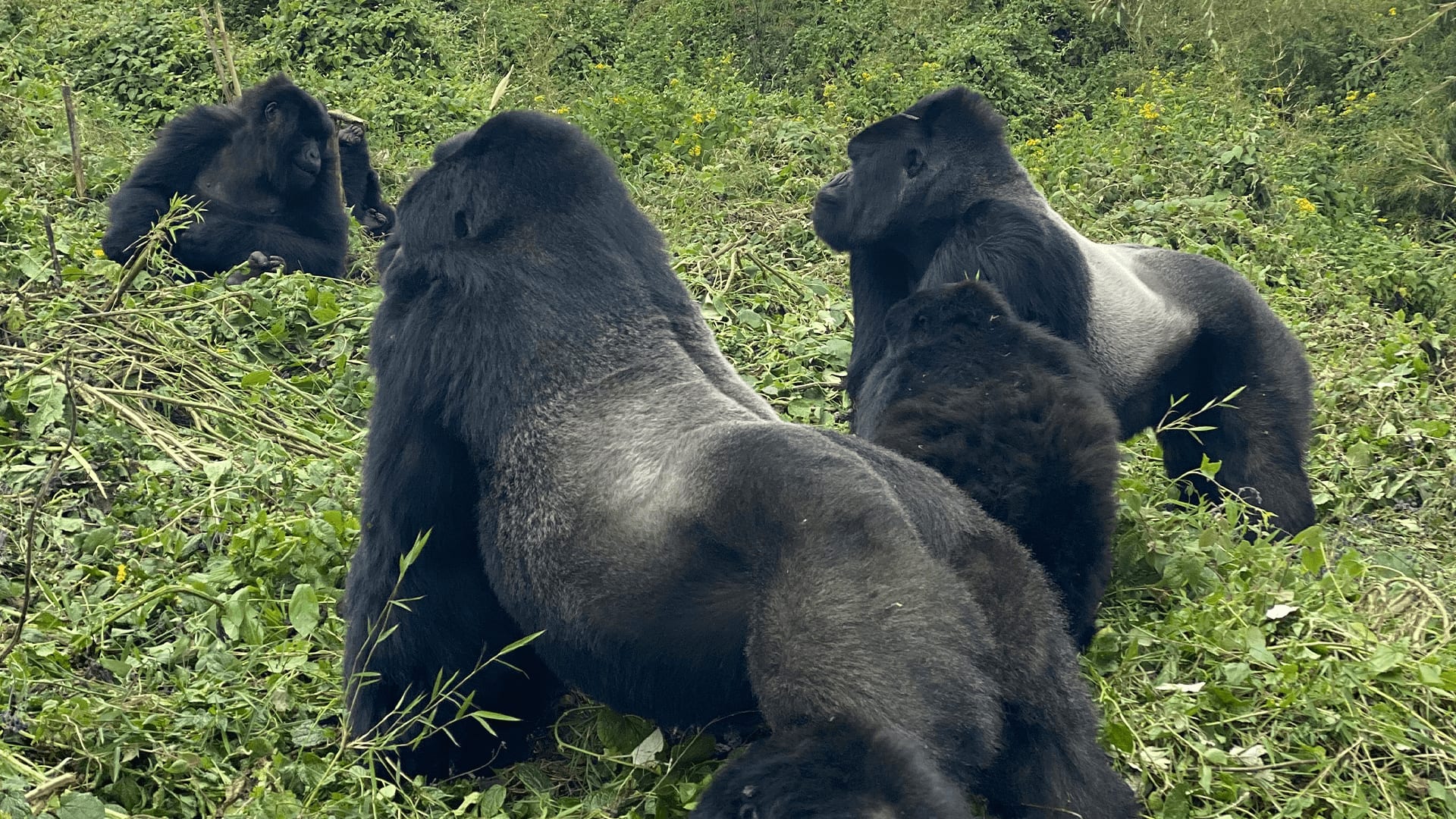
Bwindi Impenetrable National Park is Uganda’s main gorilla trekking destination, with several trekking sectors. Buhoma in the north is well established and works well with Queen Elizabeth National Park, especially the Ishasha sector. Ruhija is cooler and scenic, often useful for itineraries linking to Kabale or Lake Bunyonyi. Rushaga and Nkuringo in the south offer dramatic landscapes and are commonly used for routes through Kisoro, Mgahinga, or southern Bwindi.
Mgahinga Gorilla National Park offers a different setting in the Virunga volcano region. It is smaller than Bwindi but can be excellent for travelers who want to combine gorillas with golden monkey tracking or volcano scenery.
Plan Your Uganda Safari with Local Experts
 WhatsApp Us
As of recent Uganda Wildlife Authority tariff structures, a gorilla trekking permit for foreign non-residents has commonly been priced at US$800 per person. Foreign resident and East African citizen rates differ. Gorilla habituation experiences, which allow a longer time with a gorilla group under specific conditions, are more expensive and commonly budgeted around US$1,500 per foreign non-resident. Permit prices can change, so travelers should always confirm current 2026 rates before booking.
A standard gorilla trek allows one hour with the gorillas once your group finds them. The full outing may take anywhere from a couple of hours to most of the day, depending on the gorillas’ location, trail conditions, and your assigned group. You must be at least 15 years old to trek gorillas in Uganda.
A few practical details make a major difference. Hire a porter, even if you are fit. Porters typically cost around US$15 to US$25, and they help with your daypack, balance on slippery trails, and support local livelihoods. Wear proper hiking boots, long trousers, gaiters or long socks, and carry a rain jacket. Bwindi can be wet at any time of year.
Wildlife Safaris Beyond the Gorillas
Uganda’s savannah parks are essential if you want a complete wildlife itinerary. Gorilla trekking may be the emotional centerpiece, but the country’s game drives and boat safaris bring scale, movement, and classic safari drama.
Murchison Falls National Park is Uganda’s largest national park and one of the best choices for travelers who want dramatic landscapes with strong wildlife viewing. The Nile squeezes through a narrow rock gap at the falls, then opens into a wildlife-rich river corridor. Game drives can reveal elephants, giraffes, buffalo, lions, hartebeest, and sometimes leopards. The boat safari toward the falls is one of Uganda’s most memorable experiences.
Queen Elizabeth National Park offers variety. The Kazinga Channel is outstanding for hippos, crocodiles, elephants, buffalo, and waterbirds. The Ishasha sector is famous for tree-climbing lions, although sightings are never guaranteed. The park also connects naturally with Kibale Forest and Bwindi, making it one of the most efficient inclusions in a gorilla and wildlife route.
Kibale Forest is the premier chimpanzee tracking destination in Uganda. Chimpanzee tracking permits for foreign non-residents have commonly been around US$250 per person, with habituation experiences costing more. Chimp tracking is very different from gorilla trekking. Gorillas are often calm and grounded, while chimpanzees can be vocal, energetic, and mobile. The forest itself is beautiful, and nearby Bigodi Wetland adds cultural and birding value.
Lake Mburo National Park is smaller but valuable for travelers who enjoy slower, more varied safari activities. It is one of the best places in Uganda for zebra, impala, eland, and guided walking experiences. Because it lies between western Uganda and Entebbe, it can be a smart final stop after Bwindi.
Kidepo Valley National Park is for travelers with more time or a higher budget, especially if flying is possible. Remote, wild, and visually spectacular, Kidepo delivers a sense of space that is hard to match. It is best suited to longer itineraries or repeat Uganda travelers who want something beyond the classic western circuit.
For a deeper look at which wildlife experiences deserve space in your route, PawMac Safaris has a practical guide to wildlife tours in Uganda worth adding to your itinerary.

Sample Uganda Safari Itineraries for Gorilla and Wildlife Lovers
The right length depends on your travel style. A short safari can work if you focus tightly, but Uganda rewards travelers who allow enough time between major experiences. Road transfers are scenic, but they are real travel days, and a rushed itinerary can reduce the quality of your wildlife viewing.
| Trip length | Best for | Suggested route | Main highlights |
|---|---|---|---|
| 6 to 7 days | Travelers focused on gorillas and one wildlife park | Entebbe, Kibale or Queen Elizabeth, Bwindi, Entebbe | Gorilla trekking, chimpanzees or Kazinga Channel, scenic western Uganda |
| 8 to 10 days | First-time visitors wanting balance | Entebbe, Murchison Falls, Kibale, Queen Elizabeth, Bwindi, Lake Mburo | Big game, Nile boat safari, chimps, gorillas, optional walking safari |
| 11 to 14 days | Wildlife lovers who dislike rushing | Entebbe, Murchison Falls, Kibale, Queen Elizabeth, Bwindi, Mgahinga or Lake Mburo | More relaxed pacing, primates, multiple boat safaris, cultural visits |
| 12 to 15 days with flights | Premium travelers seeking comfort and remote parks | Entebbe, Kidepo, Murchison or Queen Elizabeth, Bwindi, Entebbe | Fly-in comfort, remote wilderness, gorillas, high-end lodges |
A 10-day itinerary is often the sweet spot for first-time safari travelers. It gives enough time for Murchison Falls, Kibale, Queen Elizabeth, Bwindi, and possibly Lake Mburo without making every day feel like a transfer. If you want two gorilla treks, add at least one extra night in Bwindi. A second trek can be worthwhile because each gorilla family, forest area, and trekking day feels different.
For luxury travelers, domestic flights can reduce long drives and preserve energy. Common flight-access points include airstrips near Bwindi such as Kihihi or Kisoro, plus routes serving Murchison Falls, Queen Elizabeth, and Kidepo. Flights increase the budget, but they can transform the comfort of the trip.
How Much Do Uganda Tours and Safaris Cost in 2026?
Uganda safari pricing varies widely because permits, lodge level, private vehicle arrangements, season, and routing all matter. The biggest fixed cost for gorilla-focused travelers is the gorilla permit. Chimpanzee permits, park entry fees, boat safaris, domestic flights, and premium lodge choices can also shape the final budget.
As a general planning guide for 2026, private Uganda tours and safaris that include gorilla trekking often fall into these ranges. These are estimates, not fixed PawMac Safaris package prices, and the final quote depends on your dates, group size, accommodation preferences, and confirmed permit availability.
| Travel style | Estimated budget per person | What usually influences the range |
|---|---|---|
| Budget private or small-group style | US$250 to US$450 per person per day, before or including some permits depending on package design | Simpler lodges, longer drives, fewer premium activities |
| Mid-range private safari | US$450 to US$750 per person per day | Comfortable lodges, private 4×4, strong guiding, key permits included in quote |
| Luxury safari | US$800 to US$1,500+ per person per day | High-end lodges, premium rooms, private guiding, better locations near park gates |
| Fly-in or ultra-premium safari | US$1,500 to US$2,500+ per person per day | Domestic flights, top lodges, exclusive pacing, remote destinations like Kidepo |
For a 10-day private safari including one gorilla trek and one chimpanzee trek, many travelers should realistically budget somewhere around US$4,800 to US$7,500 per person for a strong mid-range experience, based on two people sharing. Luxury versions can move above US$8,000 to US$12,000+ per person, especially with top lodges or flights. Budget-conscious versions may cost less, but travelers should be careful not to cut too deeply on vehicle quality, guide experience, or lodge location near gorilla trailheads.
Here are common cost items to understand before confirming a safari:
- Gorilla trekking permit: commonly around US$800 per foreign non-resident.
- Chimpanzee tracking permit in Kibale: commonly around US$250 per foreign non-resident.
- Park entry fees: often around US$40 to US$45 per adult per 24-hour period for major parks, depending on the park and visitor category.
- Rhino tracking at Ziwa: often budget around US$50 to US$60 per person, subject to current rates.
- Porter for gorilla trekking: commonly US$15 to US$25, plus optional tip.
- Tipping budget: many travelers plan US$10 to US$20 per guest per day for a main safari guide, with separate tips for porters, ranger teams, and lodge staff.
Season also affects pricing. June to September and December to February are typically busier, with stronger demand for gorilla permits and well-located lodges. March to May and parts of November can bring lower lodge rates in some places, but travelers should be ready for wetter conditions and slower roads.
Choosing the Right Safari Style
Not every traveler needs the same safari. Some want premium lodges and unhurried private guiding. Others want the best wildlife value without unnecessary extras. Families may need shorter drives and child-appropriate activities. Photographers may care more about vehicle configuration, light, and time in specific habitats.
A private safari is the most flexible option for serious wildlife lovers. You can start game drives early, wait longer at sightings, adjust lunch timing, and build the route around your priorities. For gorilla trekking, a private safari also gives more control over where you sleep the night before, which matters because reaching the correct briefing point on time is essential.
Luxury safaris in Uganda are less about excess and more about precision. The best luxury choices reduce friction: shorter transfers, excellent lodge locations, skilled guides, reliable vehicles, and enough downtime between intense experiences. If privacy and comfort are priorities, PawMac Safaris explains this approach further in its guide to private gorilla and wildlife luxury safaris in Uganda.
Families should consider age rules carefully. Gorilla trekking has a minimum age of 15. Chimpanzee tracking in Kibale generally has a lower minimum age, commonly 12, but rules should be confirmed when planning. If children are younger, a family safari can still be excellent with boat safaris, gentle game drives, cultural visits, nature walks where permitted, and carefully chosen lodges with family rooms or flexible meal times.
Photographers should prioritize fewer parks and more time in the right places. Two nights in a wildlife park is the minimum for meaningful game drives. Three nights is better for serious photography, especially in Murchison Falls, Queen Elizabeth, or Kidepo. For gorillas, bring a fast lens suitable for low-light forest conditions and avoid flash, which is not permitted.

The Logistics That Make or Break the Trip
Uganda is rewarding, but logistics matter. Entebbe International Airport is the main arrival point for most international travelers. It is wise to spend at least one night in Entebbe before starting a safari, especially if your flight arrives late. This protects your itinerary from missed connections, baggage delays, and fatigue.
Driving times vary by road conditions and weather. Entebbe to Murchison Falls often takes around 5 to 6 hours. Murchison to Kibale can take 7 to 8 hours or more. Kibale to Queen Elizabeth is usually much shorter, often around 3 to 4 hours. Queen Elizabeth to Bwindi may take 4 to 6 hours depending on the sector. Bwindi back to Entebbe can take 8 to 10 hours by road, which is why Lake Mburo is often used as a comfortable break point.
A comfortable 4×4 vehicle is not a luxury detail in Uganda. It is fundamental to the experience. Roads near parks and mountain areas can be rough, muddy, or slow. A well-maintained safari vehicle with good visibility, enough luggage space, and an experienced driver-guide directly affects safety, comfort, and wildlife viewing.
Permit coordination is equally important. Gorilla permits are issued for specific dates and regions. If your permit is for the Rushaga sector, sleeping near Buhoma the night before would create a serious logistical problem. This is one reason booking through a Uganda specialist matters. The itinerary must align permits, lodge location, drive times, and park activities precisely.
Transparency is also important before paying a deposit. Serious travelers should ask what is included, which permits are secured, which lodges are proposed, whether the vehicle is private, and what happens if a preferred lodge is unavailable. This principle of verification applies in many high-trust sectors, from confirmed safari permits to specialist suppliers that emphasize documented quality standards such as batch-tested research peptides in Australia. For safari planning, clear written confirmations protect your budget and your expectations.
Best Time for Uganda Gorilla and Wildlife Safaris
Uganda can be visited year-round, but the best season depends on your priorities. The drier months from June to September and December to February are popular for gorilla trekking and wildlife viewing. Trails may be less muddy, vegetation can be easier to navigate, and savannah animals often gather more predictably around water sources.
The wetter months, especially March to May and parts of October to November, can still be rewarding. Forests are lush, birding can be excellent, and some lodges may offer better value. The trade-off is that roads and trekking trails can be more challenging. For photographers, the green season can produce beautiful landscapes and dramatic skies.
If gorilla trekking is your top priority, book permits as early as possible, ideally 6 to 12 months ahead for peak travel periods. Last-minute permits are sometimes available, but relying on them can force compromises on trekking sector, lodge quality, or routing.
What to Pack for a Gorilla and Wildlife Safari in Uganda
Packing well makes the trip more comfortable. Uganda’s safari environments vary, so you need clothing for warm savannah drives, cool forest mornings, rain, and sometimes chilly highland evenings.
Bring lightweight neutral clothing, a warm layer, waterproof jacket, broken-in hiking boots, long socks or gaiters, garden gloves for gripping vegetation during gorilla trekking, insect repellent, sunscreen, binoculars, and a soft-sided bag if domestic flights are included. For photography, pack extra batteries, memory cards, lens cloths, and waterproof protection for forest days.
Avoid overpacking. Many safari vehicles have limited luggage space, and domestic flights usually have strict baggage limits. Laundry is available at many lodges, although it may be limited by weather and local customs.
Responsible Travel Matters in Uganda
Gorilla and chimpanzee tourism depends on strict conservation rules. Keep the required distance from primates, follow ranger instructions, do not trek if you are sick, and avoid eating near the animals. Human illnesses can be dangerous to great apes, so honesty about your health is part of responsible travel.
Local economic benefit also matters. Hiring porters, buying locally made crafts, respecting community visits, and choosing responsible operators helps ensure that tourism value reaches people living near protected areas. Conservation works best when communities see tangible benefits from protecting wildlife.
PawMac Safaris builds Uganda safari experiences around local knowledge, professional guiding, and personalized planning. That combination is especially important in a country where the best journeys depend on timing, terrain, permits, and the ability to adapt smoothly when conditions change.
Frequently Asked Questions
How many days do I need for a Uganda gorilla and wildlife safari? A 7-day safari can include gorilla trekking and one or two other highlights, but 9 to 12 days is better for combining gorillas, chimpanzees, Murchison Falls or Queen Elizabeth, and a more relaxed pace.
Is gorilla trekking in Uganda worth the cost? Yes, for most wildlife lovers it is the defining experience of the trip. The permit is expensive, but it funds conservation and gives you a strictly controlled, ranger-guided encounter with one of the world’s most endangered great apes.
Can I see the Big Five in Uganda? Yes, with the right itinerary. Lions, leopards, elephants, and buffalo can be seen in parks such as Murchison Falls and Queen Elizabeth, while rhinos are typically tracked separately at Ziwa Rhino Sanctuary.
Is Uganda better for gorillas or general wildlife? Uganda is exceptional for both, but its strongest advantage is the combination. Few destinations allow travelers to pair mountain gorilla trekking with chimpanzees, Nile boat safaris, savannah game drives, and rich birdlife in one journey.
Are Uganda safaris suitable for luxury travelers? Yes. Uganda has excellent high-end lodges, private safari options, fly-in routing, and premium gorilla trekking logistics. Luxury travelers should plan early because the best rooms near gorilla sectors are limited.
When should I book a 2026 Uganda safari? For peak months, especially June to September and December to February, booking 6 to 12 months in advance is recommended. This is particularly important if you want specific gorilla trekking sectors or luxury lodges.
Plan Your Uganda Safari With Local Experts
The best Uganda tours and safaris are not built from a checklist. They are designed around your pace, budget, wildlife priorities, fitness level, and preferred comfort. Gorilla trekking may be the headline experience, but the full journey comes alive through expert guiding, smart routing, and the right balance of forest, savannah, river, and culture.
PawMac Safaris helps travelers plan personalized Uganda safaris with gorilla trekking, chimpanzee tracking, Big Five wildlife viewing, cultural tours, comfortable 4×4 transport, and flexible options from budget-conscious adventures to premium private journeys. If Uganda is on your 2026 travel list, start planning early so your permits, lodges, and route work together from the beginning.


