


- 22 Views
- 18 Min Read
- (0) Comment
When travelers compare safari vacations Africa can feel too broad to plan intelligently. The continent is vast, wildlife experiences vary dramatically by country, and the best trip is rarely the one that tries to do everything at once. For many travelers, the smarter approach is to choose one exceptional anchor destination, then build the entire journey around its strongest experiences.
Uganda is one of the most compelling places to do exactly that. It combines mountain gorilla trekking, chimpanzee tracking, savannah game drives, Nile boat safaris, rhino tracking, crater lakes, rainforest, and cultural encounters in a single country. Instead of treating Uganda as a short add-on to a larger regional itinerary, high-value safari travelers can make it the core of a deeply varied African vacation.
This guide explains how to build a Uganda-first safari vacation, including route lengths, realistic 2026 cost ranges, permit planning, lodge choices, seasonal tradeoffs, and the practical details that shape the quality of the trip.
Table of Contents
- Why Uganda Can Anchor Safari Vacations in Africa
- The Uganda Safari Experiences Worth Building Around
- How Many Days to Spend on a Uganda Safari Vacation
- Sample Uganda-First Safari Routes
- Realistic Uganda Safari Vacation Costs in 2026
- When to Travel and How Seasonality Affects Your Budget
- Lodges, Transport, and Guiding Standards That Shape the Trip
- Who Should Choose Uganda for a Safari Vacation
- Practical Planning Notes Before You Book
- Frequently Asked Questions
- Build Your Uganda Safari Vacation with PawMac Safaris
Why Uganda Can Anchor Safari Vacations in Africa
Uganda's greatest strength is density of experience. In one carefully planned itinerary, travelers can move from the misty highlands of Bwindi Impenetrable National Park to the open plains of Queen Elizabeth National Park, continue to the chimpanzee forests of Kibale, and finish with a boat safari below Murchison Falls or a relaxed wildlife stop in Lake Mburo.
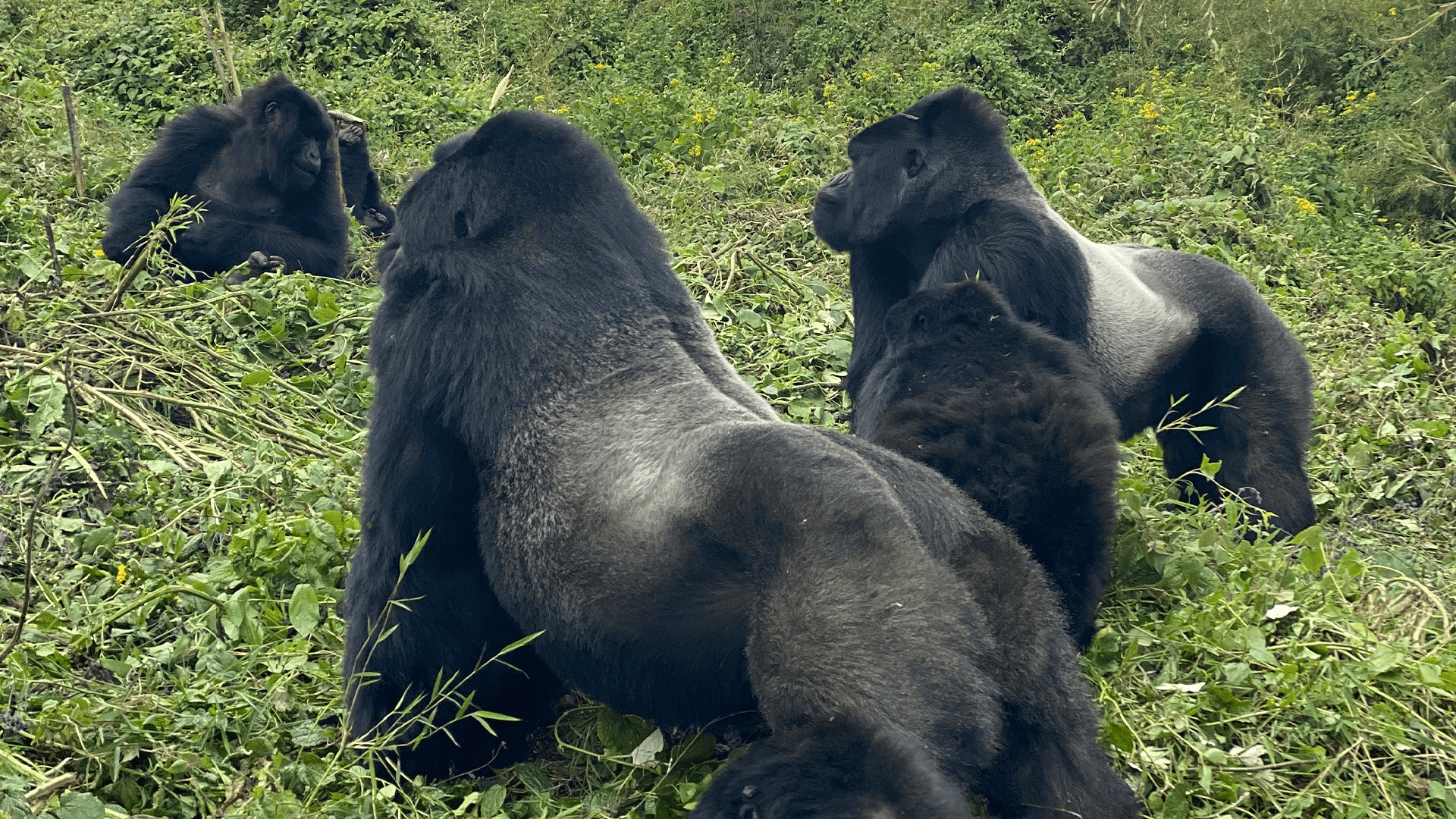
This variety matters because many safari travelers want more than repeated game drives. Uganda offers a sequence of different habitats and emotions. Gorilla trekking is intimate and physically engaging. Chimpanzee tracking is fast-moving and vocal. A Nile boat safari is scenic, calm, and rich with hippos, crocodiles, elephants, and birds. Savannah drives add lions, buffalo, giraffes, antelopes, and, depending on the route, leopards and hyenas.
Uganda is also particularly strong for travelers who value expert guiding. Wildlife is not always presented in the same open, predictable way as in some flatter savannah destinations. The best Uganda safaris reward patient interpretation: reading tracks, understanding forest behavior, timing boat departures correctly, choosing the right gorilla sector, and pacing long road transfers so the journey remains enjoyable rather than rushed.
For 2026, Uganda is especially attractive for travelers who want a safari that feels personal, active, and conservation-minded. It is not just a destination for seeing animals. It is a destination for understanding habitats, local communities, park protection, and the responsibility that comes with rare wildlife encounters.
The Uganda Safari Experiences Worth Building Around
A strong Uganda safari vacation usually begins with one or two non-negotiable experiences, then adds complementary parks around them. For most first-time premium travelers, the anchor is gorilla trekking. For wildlife generalists, the ideal balance is gorillas, chimpanzees, savannah game drives, and at least one boat safari.
| Experience | Best Uganda locations | Time to allow | Why it matters |
|---|---|---|---|
| Mountain gorilla trekking | Bwindi Impenetrable National Park, Mgahinga Gorilla National Park | 2 to 3 nights in the region | Uganda's signature safari experience and one of Africa's most powerful wildlife encounters |
| Chimpanzee tracking | Kibale National Park, Kyambura Gorge, Budongo Forest | 1 to 2 nights | Adds a dynamic primate experience with vocal, social, fast-moving wildlife behavior |
| Savannah game drives | Queen Elizabeth, Murchison Falls, Kidepo Valley, Lake Mburo | 2 to 4 nights per major park | Brings classic safari landscapes, predators, elephants, buffalo, giraffes, and antelope species |
| Nile and channel boat safaris | Murchison Falls, Kazinga Channel in Queen Elizabeth | Half day per cruise | Excellent for photography, birdlife, hippos, crocodiles, elephants, and relaxed wildlife viewing |
| Rhino tracking | Ziwa Rhino Sanctuary | Half day to 1 night | Completes a Big Five-style Uganda itinerary when combined with lion, leopard, buffalo, and elephant sightings |
| Cultural and community visits | Around Bwindi, Karamoja, Lake Bunyonyi, local village projects | Flexible | Adds context, human connection, and a more responsible sense of place |
| Adventure add-ons | Jinja, Rwenzori Mountains, Mount Elgon, Lake Bunyonyi | 1 to 5 extra nights | Suits travelers who want rafting, hiking, canoeing, mountain scenery, or slower post-safari recovery |
The key is not to pack every option into the shortest possible route. Uganda rewards smart pacing. A gorilla trek after two exhausting transfer days can feel less magical than it should. A boat safari scheduled too late in the trip may be skipped because travelers are tired. A well-built itinerary protects the quality of the major experiences, not just the number of places visited.
How Many Days to Spend on a Uganda Safari Vacation
A Uganda safari can technically be done in five or six days if the focus is only gorilla trekking and one nearby experience. However, that is usually too compressed for travelers flying long-haul and expecting a complete safari vacation. The more rewarding range is 8 to 14 days, depending on budget, travel style, and whether domestic flights are included.
A 7-day itinerary can work for travelers with limited time. It usually focuses on Bwindi or Mgahinga for gorillas, then adds Queen Elizabeth National Park, Lake Bunyonyi, or Lake Mburo. This is best for travelers who accept longer drives or choose a domestic flight to reduce fatigue.
Plan Your Uganda Safari with Local Experts
 WhatsApp Us
An 8 to 10-day itinerary is the most efficient classic Uganda safari length. It can include gorilla trekking, chimpanzee tracking in Kibale, game drives in Queen Elizabeth, and a boat safari on the Kazinga Channel. With careful routing, it may also include Ziwa Rhino Sanctuary or Murchison Falls.
A 12 to 14-day itinerary is ideal for travelers who want depth and comfort. This duration allows a better rhythm, stronger lodge choices, more game-viewing time, and less pressure during transfers. It also creates room for Murchison Falls, a second gorilla trek, Lake Mburo, or a scenic rest stop such as Lake Bunyonyi.
Travelers who want detailed comparisons of route lengths, activity combinations, and cost implications can use PawMac Safaris' guide to Uganda safari itineraries as a helpful planning companion.
Sample Uganda-First Safari Routes
The best route depends on your arrival time, permit availability, road tolerance, lodge preference, and whether you want to include scheduled domestic flights. Uganda's road journeys can be scenic and culturally rich, but they are not short. A private 4×4 with an experienced local guide is important for comfort, safety, and timing.
| Route concept | Ideal length | Core destinations | Best for | Planning notes |
|---|---|---|---|---|
| Gorilla and savannah express | 7 days | Entebbe, Bwindi, Queen Elizabeth, Lake Bunyonyi or Lake Mburo | Travelers with limited time who still want gorillas and classic wildlife | Consider one domestic flight if budget allows, especially between Entebbe and the southwest |
| Classic primates and big game | 9 to 10 days | Entebbe, Kibale, Queen Elizabeth, Bwindi, Lake Mburo | First-time Uganda safari travelers | Strong balance of chimps, gorillas, boat safari, and game drives |
| Nile, chimps, gorillas, and savannah | 11 to 12 days | Ziwa, Murchison Falls, Kibale, Queen Elizabeth, Bwindi | Travelers wanting Uganda's most complete mainstream route | Includes longer road sections but delivers exceptional variety |
| Premium Uganda with slower pacing | 12 to 14 days | Murchison Falls, Kibale, Queen Elizabeth, Bwindi or Mgahinga, Lake Mburo | Couples, families with older teens, photographers, luxury travelers | Add domestic flights, premium lodges, and two nights in key parks where possible |
| Grand Uganda expedition | 15 to 18 days | Kidepo Valley, Murchison Falls, Kibale, Queen Elizabeth, Bwindi, Lake Mburo | Repeat safari travelers and serious wildlife enthusiasts | Kidepo adds remote wilderness and dramatic scenery but requires more time and budget |
A common mistake is choosing the longest route on paper without considering energy. A better question is: how many excellent safari days do you want, and how many transfer days are you comfortable accepting? PawMac Safaris designs routes around that balance, because the best vacation is not always the one with the most pins on the map.
Realistic Uganda Safari Vacation Costs in 2026
Cost transparency is essential when planning a Uganda safari. The final quote depends on travel dates, lodge category, group size, vehicle use, guide arrangements, permits, park fees, domestic flights, and whether the itinerary is private or shared. The following figures are planning benchmarks, not fixed PawMac Safaris prices, and should always be confirmed at the time of booking.
Gorilla and chimpanzee permits are among the most important cost items. They are also date-specific and capacity-controlled, so they should be secured early once your route is confirmed.
| Cost item | 2026 planning benchmark | Notes |
|---|---|---|
| Gorilla trekking permit for foreign non-residents | About USD 800 per person per trek | Applies to Bwindi and Mgahinga under current Uganda Wildlife Authority tariff structures, subject to official updates |
| Gorilla habituation experience | About USD 1,500 per person | Limited availability, usually associated with specific sectors and longer time with researchers and rangers |
| Kibale chimpanzee tracking permit for foreign non-residents | About USD 250 per person | Kibale is Uganda's flagship chimpanzee tracking destination |
| National park entry | Often around USD 40 to USD 45 per person per 24 hours in major parks | Exact fees vary by park, residency status, and current tariff |
| Scheduled boat safaris | Often around USD 30 to USD 40+ per person | Price varies by park, cruise type, and booking arrangements |
| Rhino tracking at Ziwa | Often around USD 50 per international visitor | Useful for travelers building a Big Five-style Uganda itinerary |
| Domestic scheduled flights | Often around USD 250 to USD 450 per person one way | Routes, luggage limits, season, and availability affect cost |
| Premium lodge stays | Frequently USD 500 to USD 1,500+ per room per night | Top gorilla-region lodges and exclusive safari lodges can exceed this range |
For a private Uganda safari, international flights are usually separate from the land arrangement. A major difference comes from group size. Two travelers sharing one private vehicle pay more per person than four travelers sharing the same vehicle and guide. Solo private safaris are the most expensive on a per-person basis because vehicle, fuel, and guide costs are not shared.
| Safari style | Typical per-person budget for 8 to 10 days | What usually drives the price |
|---|---|---|
| Comfort or budget private safari | USD 2,800 to USD 5,000 | Simpler lodges, road-based routing, one gorilla trek, limited domestic flights |
| Mid-range private safari | USD 4,500 to USD 8,000 | Better lodge locations, stronger comfort, gorilla and chimp permits, private 4×4 guiding |
| Luxury private safari | USD 8,000 to USD 16,000+ | Premium lodges, domestic flights, private pacing, higher-end rooms, refined service standards |
| Ultra-luxury or flight-heavy safari | USD 15,000 to USD 30,000+ | Top-tier lodges, multiple flights, exclusive experiences, longer stays, and highly customized logistics |
The single biggest budget decision is often whether to prioritize premium lodges, extra trekking permits, or reduced road time through flights. For many travelers, the ideal choice is not the most expensive version of everything. It is a strategic mix: excellent guiding, well-located lodges in the most important areas, and selective upgrades where they genuinely improve the experience.

When to Travel and How Seasonality Affects Your Budget
Uganda is a year-round safari destination, but seasonality affects road conditions, lodge availability, trekking comfort, photography, and sometimes price. Gorilla trekking happens throughout the year. Rainforest weather is always possible in Bwindi, Mgahinga, and Kibale, even during drier months, so travelers should prepare for mud, humidity, and changing conditions.
June to September is one of the most popular travel windows. Conditions are generally drier, international demand is high, and gorilla permits can sell out early for preferred dates and sectors. This is a strong period for families, honeymooners, and first-time travelers who want the smoothest possible logistics, but it is also a period when premium lodges should be booked well in advance.
December to February is another excellent window. It is often dry enough for comfortable trekking and game viewing, while still offering lush scenery in many regions. Holiday dates around late December and early January can be expensive and competitive, especially for high-end accommodations.
March to May is the longer rainy season. Some travelers avoid it, but it can be rewarding for birding, green landscapes, and lower visitor pressure. Roads may be slower, and some lodges may offer better value, although permits and core park fees are not something travelers should assume will be discounted.
October to November is a shorter rainy period and can be a smart shoulder season for flexible travelers. The right guide and vehicle matter more during wetter months because road judgment, timing, and contingency planning become more important.
| Travel period | Safari advantages | Budget and planning considerations |
|---|---|---|
| June to September | Drier trekking conditions, strong general safari timing, good for families | High demand, book permits and lodges early |
| December to February | Good trekking period, strong vacation timing, attractive for premium travelers | Festive dates can be expensive and competitive |
| March to May | Lush landscapes, fewer visitors, birding interest | Wetter roads, slower transfers, possible lodge value offers |
| October to November | Shoulder-season feel, green scenery, good for flexible travelers | Rain can affect road timing and comfort |
For 2026, travelers planning peak-season gorilla trekking should begin early. The limiting factor is not just whether a gorilla permit exists somewhere in Uganda. It is whether the permit is available in the right sector, on the right day, matching your lodge location and route direction.
Lodges, Transport, and Guiding Standards That Shape the Trip
A Uganda safari is not defined only by national parks. The quality of the journey depends heavily on the standard of guiding, the routing logic, the comfort of the vehicle, and the location of each lodge. Two itineraries can include the same parks and feel completely different.
Lodge location is especially important around Bwindi. The park has multiple sectors, including Buhoma, Ruhija, Rushaga, and Nkuringo. A permit in one sector should be matched with accommodation in or near that sector. Choosing a beautiful lodge in the wrong area can create unnecessary early departures and difficult road transfers before a physically demanding trek.
In savannah parks, location affects game-viewing efficiency. A lodge inside or very near the park can make early morning drives easier and reduce time lost at gates. In Murchison Falls and Queen Elizabeth, the placement of your lodge can influence how smoothly you combine game drives, boat safaris, and scenic viewpoints.
Transport also deserves serious attention. Uganda's safari routes often involve long drives on mixed road surfaces. A comfortable 4×4 with good clearance, reliable maintenance, and suitable safari viewing access is not a luxury detail. It directly affects safety, photography, rest, and the ability to keep the itinerary on schedule.
Premium travelers should also think carefully about where luxury adds the most value. A top lodge in the gorilla region may transform the trekking experience because it improves rest before and after the hike. A domestic flight may be more valuable than an additional high-end room night if it saves a full day of road fatigue. For a deeper view of inclusions such as private guiding, premium lodge standards, and upgraded routing, PawMac Safaris has a dedicated guide to Africa luxury safari in Uganda.
Guiding is the quiet difference-maker. A strong guide does much more than drive. The guide manages timing, reads the landscape, communicates with rangers, understands animal behavior, adjusts for weather, helps with photography positioning, and keeps travelers informed without overwhelming them. In Uganda, where forest, savannah, lake, and community experiences often sit in one itinerary, guide quality is central to the entire vacation.
Who Should Choose Uganda for a Safari Vacation
Uganda is ideal for travelers who want a safari with variety, physical engagement, and emotional depth. It is especially strong for primate enthusiasts, couples looking for a memorable milestone trip, photographers who want different habitats, and travelers who prefer a private or customized approach over a large group circuit.
Families can also have an exceptional Uganda safari, especially with older children and teenagers. Gorilla trekking has a minimum age of 15, and chimpanzee tracking also has age requirements, so family planning must be precise. For younger children, Uganda still offers boat safaris, game drives, rhino tracking, cultural experiences, nature walks where permitted, and relaxed lake stays.
For families who see travel as part of education, Uganda can be deeply meaningful. The same belief that learning becomes stronger through personal attention, responsibility, and direct contact with nature is visible in human-scale educational communities such as outdoor learning and personal responsibility. On safari, that idea becomes practical: children and adults learn by observing ecosystems, listening to guides, understanding conservation rules, and seeing how communities and wildlife landscapes interact.
Uganda is also a strong choice for travelers who have already done a traditional savannah safari elsewhere and now want something different. The gorilla trek alone changes the emotional tone of the trip. You are not simply viewing wildlife from a vehicle. You are walking into a living forest, accompanied by trackers and rangers, to spend a limited, regulated hour with one of the rarest great apes on Earth.
It may not be the best fit for travelers who want only short drives, highly predictable sightings, or a resort-style vacation with minimal movement. Uganda requires curiosity and some flexibility. In return, it offers one of the richest safari combinations in Africa.
Practical Planning Notes Before You Book
The strongest Uganda safari vacations are planned around logistics first, then refined for comfort and style. Before placing deposits, make sure the major building blocks are aligned: permits, sectors, lodge locations, transfer times, and arrival schedules.
- Book gorilla permits early: For peak 2026 travel, planning 6 to 12 months ahead is wise, especially if you want specific dates, sectors, or premium lodges.
- Match permits to lodge location: Bwindi's sectors are not interchangeable from a logistics standpoint. The wrong pairing can create long and uncomfortable pre-trek transfers.
- Avoid overloading arrival day: Most travelers should spend the first night in Entebbe or nearby, particularly after long-haul flights.
- Confirm health and entry requirements: Travelers commonly need a valid passport, Uganda visa or e-visa arrangements, yellow fever vaccination documentation, and medical advice on malaria prevention.
- Prepare for trekking conditions: Good hiking shoes, rain gear, long trousers, gloves, insect repellent, and a small daypack are practical essentials.
- Respect wildlife rules: Gorilla visits are limited, group sizes are controlled, and ranger instructions must be followed closely. If you are ill, you may not be allowed to trek because primates are vulnerable to human disease.
- Budget for tips and porters: Tips are discretionary, but many travelers plan for guide, ranger, porter, lodge staff, and driver-guide gratuities. Hiring a porter for gorilla trekking is also a meaningful way to support local livelihoods.
- Buy comprehensive travel insurance: Coverage should include medical evacuation, trip interruption, lost luggage, and cancellation terms that reflect the value of prepaid permits and lodges.
A note on fitness: you do not need to be an elite hiker for gorilla trekking, but you should be prepared for uneven terrain, humidity, mud, altitude changes, and treks that can vary from relatively short to several hours. Travelers with knee issues, limited mobility, or health concerns should raise them during planning so the route, sector, and pacing can be chosen intelligently.
Frequently Asked Questions
Is Uganda enough for a full African safari vacation? Yes. Uganda can support a complete safari vacation because it combines gorilla trekking, chimpanzee tracking, savannah game drives, Nile and channel boat safaris, rhino tracking, birding, cultural encounters, and scenic lakes within one country.
How much should I budget for a Uganda safari in 2026? A private 8 to 10-day Uganda safari often ranges from about USD 2,800 to USD 5,000 per person for simpler comfort, USD 4,500 to USD 8,000 for mid-range, and USD 8,000 to USD 16,000+ for luxury, excluding international flights. Final pricing depends on permits, lodges, routing, season, group size, and domestic flights.
Are gorilla permits included in safari packages? They can be included in a properly quoted safari package, but they remain a separate official cost that must be secured for a specific date and sector. Always confirm whether your quote includes gorilla permits, chimpanzee permits, park fees, and activity fees.
Can children go gorilla trekking in Uganda? Gorilla trekking in Uganda has a minimum age of 15. Families with younger children can still build a rewarding safari using game drives, boat safaris, rhino tracking, cultural visits, and lake-based relaxation while older family members trek if appropriate.
Is it better to drive or fly within Uganda? Both can work. Driving gives a richer view of the country and can be more economical, while domestic flights reduce fatigue and save time on longer routes. Premium itineraries often combine both, using flights where they make the biggest difference.
When should I book a 2026 Uganda safari? For peak months such as June to September and December to February, it is wise to begin planning 6 to 12 months in advance. Gorilla permits, preferred lodge rooms, and the best guide availability can become limited.
Build Your Uganda Safari Vacation with PawMac Safaris
A Uganda safari works best when it is designed around the experiences that matter most to you, then supported by precise logistics. Gorilla permits, chimpanzee tracking, lodge locations, road transfers, domestic flights, and guiding standards all need to fit together.
PawMac Safaris offers expert-guided wildlife and gorilla trekking tours in Uganda, with personalized planning, local knowledge, comfortable 4×4 vehicles, flexible budget options, and a focus on meaningful safari experiences. Whether you want a premium gorilla-focused journey, a balanced primates and savannah route, a family-friendly vacation, or a longer Uganda expedition, the right itinerary should feel intentional from the first night to the final transfer.
If you want a route built around your travel dates, comfort level, budget, and wildlife priorities, explore why tailored safari packages in Uganda are often the strongest way to plan. With PawMac Safaris, Uganda does not need to be an add-on. It can be the heart of your African safari vacation.


