


- 20 Views
- 18 Min Read
- (0) Comment
For many travelers, the phrase safari into Africa brings to mind open plains, big cats and dramatic sunsets. Uganda offers all of that, but it adds something most classic safari routes cannot match: mountain gorillas, chimpanzees, Nile boat safaris, forest walks, volcanic landscapes and deeply personal wildlife encounters within one compact, richly varied country.
That is why Uganda is not simply an add-on to a larger safari dream. It is one of the smartest places to begin. Starting here helps you understand Africa’s wildlife diversity beyond the usual checklist, while still giving you lions, elephants, buffalo, leopards, rhinos, hippos, crocodiles and extraordinary birdlife.
If you are still comparing the bigger picture, PawMac Safaris has a detailed guide on how to plan an Africa safari trip starting with Uganda. This article takes a more focused view: why Uganda should be the first chapter of your safari story, not the afterthought.
Table of Contents
- Why Uganda Changes the Safari Equation
- A Safari Into Africa With Primates, Big Game and Water Safaris
- Gorilla Trekking in Bwindi and Mgahinga
- Chimpanzee Tracking in Kibale Forest
- Big Game, Rhinos and Classic Savannah Parks
- Boat Safaris on the Nile and Kazinga Channel
- The Uganda Route That Makes the Most Sense
- A Smart 8 to 10 Day First Safari Route
- An 11 to 14 Day Premium Uganda Safari Route
- When Flying Saves Time
- Budget Transparency for a Uganda Safari in 2026
- Permit and Activity Costs to Expect
- Lodge and Trip Budget Ranges
- When to Start Your Safari in Uganda
- Dry Season Versus Green Season
- Planning Details That Make the Journey Smoother
- Packing, Luggage and Airport Rules
- Fitness, Health and Trekking Readiness
- Responsible Safari Etiquette
- Why Uganda Works Better as the Beginning Than the Add-On
- How PawMac Safaris Helps You Start Well
- Frequently Asked Questions
- Start Your Uganda Safari With PawMac Safaris
Why Uganda Changes the Safari Equation
Uganda is often called the Pearl of Africa because its landscapes change quickly and dramatically. One route can take you from Lake Victoria to rainforest, from crater lakes to savannah, from papyrus wetlands to the River Nile and from highland gorilla habitat to open plains where elephants move through golden grass.
That variety matters. A first safari should not only show you animals. It should teach you how different ecosystems work, how conservation is managed, why local guiding matters and how much more there is to African wildlife than a single game drive. Uganda does this exceptionally well because its signature experiences are different from one another.
In Uganda, a safari day can mean tracking chimpanzees in the morning, photographing hippos from a boat in the afternoon and listening to lions call after dark. Another day can mean climbing through misty forest to spend one unforgettable hour with a mountain gorilla family. This is the reason Uganda makes such a strong starting point: the country gives you breadth without making the journey feel generic.
For travelers who want premium comfort, Uganda also offers a strong lodge network across its major safari regions. You can build a refined itinerary with private guiding, scenic domestic flights, comfortable 4×4 vehicles and high-quality lodges near key trailheads and park gates. For travelers watching budget, a well-planned route can still deliver the major highlights without unnecessary backtracking.
A Safari Into Africa With Primates, Big Game and Water Safaris
A traditional safari often begins with savannah wildlife. Uganda goes further by combining primates, big game and water-based wildlife viewing in one destination. This is a major advantage for travelers who want a safari into Africa that feels complete from the first journey.
Gorilla Trekking in Bwindi and Mgahinga
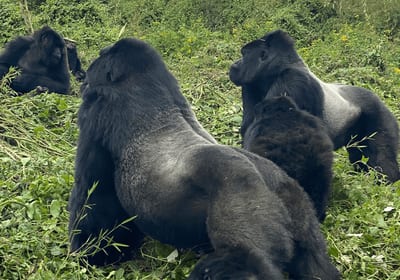
Mountain gorilla trekking is Uganda’s most iconic wildlife experience. Bwindi Impenetrable National Park is the country’s best-known gorilla destination, with multiple trekking sectors including Buhoma, Ruhija, Rushaga and Nkuringo. Mgahinga Gorilla National Park, located in the Virunga volcanic landscape, offers a smaller and more intimate gorilla trekking setting.
The experience is highly regulated, which protects the gorillas and preserves the quality of the encounter. Trekkers are assigned to a habituated gorilla family, guided by trained ranger teams and limited to one hour with the gorillas once located. The trek itself can range from relatively moderate to physically demanding, depending on where the gorillas are feeding that day, trail conditions and your assigned sector.
This is where expert planning becomes important. Your lodge location, trekking sector, fitness level and travel route should all align. A beautiful lodge in the wrong sector can create long pre-dawn transfers on rough roads. A good Uganda safari planner avoids that by matching permits, accommodation and pacing from the beginning.
Plan Your Uganda Safari with Local Experts
 WhatsApp Us
Chimpanzee Tracking in Kibale Forest
Chimpanzee tracking adds a different energy to the safari. Gorillas are often calm and grounded. Chimpanzees are more vocal, fast-moving and socially dynamic. Kibale Forest National Park is Uganda’s premier chimpanzee tracking destination and one of the most reliable places to see habituated chimpanzees in their natural forest habitat.
A Kibale experience often pairs well with the crater lakes region, Bigodi Wetland Sanctuary and Queen Elizabeth National Park. This makes it a strong bridge between forest and savannah. For first-time travelers, it also helps explain why Uganda is special: you are not choosing between primate trekking and classic safari, because the right route can include both.
Chimpanzee tracking is generally less strenuous than gorilla trekking, though forest terrain can still be muddy and uneven. The experience is best approached with patience, quiet observation and a willingness to move when the chimpanzees move. Good guides help interpret behavior, calls, feeding patterns and forest ecology so the activity becomes more than a sighting.
Big Game, Rhinos and Classic Savannah Parks
Uganda is also a serious big game destination. Murchison Falls National Park offers elephants, giraffes, buffalo, lions, leopards, hyenas, hippos, crocodiles and abundant antelope species. Queen Elizabeth National Park is known for the Kazinga Channel, crater scenery and the Ishasha sector, where travelers may see tree-climbing lions. Kidepo Valley National Park, in the remote northeast, offers one of Uganda’s most dramatic wilderness landscapes and a strong sense of exclusivity.
For travelers seeking a Big Five route, Uganda’s rhino experience is usually built around Ziwa Rhino Sanctuary. This is an important distinction: rhinos are not typically seen inside the main savannah parks in the same way as elephants or buffalo. Instead, a well-designed itinerary includes rhino tracking as part of the route, often between Entebbe or Kampala and Murchison Falls.
The result is a Big Five safari that feels varied and intentional. You track rhinos on foot, look for lions and leopards by vehicle, watch elephants from the river and later enter forests where primates dominate the experience. For a deeper look at how this combination differs from a standard game-drive itinerary, PawMac Safaris explains the distinction in its guide to an Africa wildlife safari in Uganda.
Boat Safaris on the Nile and Kazinga Channel
Uganda’s water safaris are one of its most underrated strengths. In Murchison Falls National Park, boat cruises on the Nile bring you close to hippos, crocodiles, waterbirds, elephants and buffalo along the riverbanks. The approach to Murchison Falls itself is dramatic, with the Nile forced through a narrow gap before plunging with immense power.
In Queen Elizabeth National Park, the Kazinga Channel connects Lake Edward and Lake George. It is one of the most productive wildlife viewing areas in Uganda, especially for hippos, elephants, buffalo and birds. For photographers, boat safaris offer lower angles, steadier viewing and softer light than many vehicle-based sightings.
This matters for first-time safari travelers because boat safaris break up the rhythm of long drives. They also make wildlife viewing accessible to travelers who may want less physically demanding activities between treks.
The Uganda Route That Makes the Most Sense
A Uganda safari works best when the route is planned around geography, permits and pacing. The mistake many travelers make is choosing lodges first or trying to squeeze too many parks into too few days. Uganda rewards thoughtful sequencing.
Before comparing lodge names, it is wise to understand how routes affect comfort, cost and wildlife outcomes. PawMac Safaris covers this in more detail in its article on why you should book a safari in Uganda with the right route first.
A Smart 8 to 10 Day First Safari Route
For most first-time visitors, 8 to 10 days is the minimum comfortable length for a serious Uganda safari that includes gorillas, chimpanzees and savannah wildlife. A compact route might include Entebbe, Murchison Falls, Kibale Forest, Queen Elizabeth and Bwindi.
This type of itinerary gives you a strong introduction without feeling rushed if the days are planned carefully. You can track rhinos en route to Murchison Falls, enjoy game drives and a Nile boat safari, continue to Kibale for chimpanzees, explore Queen Elizabeth’s savannah and Kazinga Channel, then finish with gorilla trekking in Bwindi.
A shorter version can work, but trade-offs become sharper. Dropping Murchison reduces the Big Five potential. Dropping Kibale removes Uganda’s best chimpanzee experience. Dropping Queen Elizabeth cuts out one of the country’s easiest savannah and boat safari combinations. The best choice depends on your priorities, budget and tolerance for road time.
An 11 to 14 Day Premium Uganda Safari Route
An 11 to 14 day safari allows Uganda to shine more fully. With extra days, you can slow the pace, reduce one-night stays and add experiences such as a second gorilla trek, golden monkey tracking in Mgahinga, a deeper Ishasha visit or a more remote extension to Kidepo Valley.
Premium travelers often benefit from this longer structure because it protects comfort. Rather than racing from park to park, you can spend two or three nights in key locations, enjoy better wildlife timing and allow rest between physically demanding treks.
A well-paced luxury Uganda safari might combine domestic flights with private road transfers, high-end lodges in strategic locations and carefully timed activities. This kind of itinerary costs more, but the value is not only in the accommodation. It is in the reduced fatigue, stronger guiding flow and better access to prime wildlife hours.
When Flying Saves Time
Uganda is compact compared with many long-haul safari circuits, but road journeys can still be significant. Roads between parks pass through towns, rural communities, highland areas and protected landscapes. The drives are scenic and culturally revealing, yet they require realistic timing.
Domestic scheduled or charter flights can be valuable when your itinerary includes Bwindi, Kidepo or a shorter premium timeline. Flying can reduce long road sectors and create more time for rest, photography and lodge experiences. However, flights also introduce baggage limits, schedule considerations and additional transfer coordination.
For some travelers, a hybrid route works best: drive where the scenery and routing add value, fly where the road time would compromise comfort. PawMac Safaris helps balance this decision based on trip length, travel style and budget.
Budget Transparency for a Uganda Safari in 2026
Uganda is not a one-price safari destination. Costs vary widely based on permits, lodge category, vehicle type, private versus shared guiding, domestic flights, seasonality and routing. The most important thing to understand is that primate permits form a major part of the budget, especially for gorilla trekking.
The figures below are planning ranges for international travelers in 2026, not fixed quotes. Permit tariffs and lodge rates can change, so final pricing should always be confirmed at the time of booking.
Permit and Activity Costs to Expect
| Safari item | Typical 2026 planning range per person | Notes |
|---|---|---|
| Gorilla trekking permit | About USD 800 | For foreign non-residents, subject to official tariff updates and permit availability |
| Gorilla habituation experience | About USD 1,500 | Longer experience in selected areas, limited availability |
| Kibale chimpanzee tracking permit | About USD 250 | One of Uganda’s most requested primate activities |
| Golden monkey tracking | About USD 100 | Commonly added in Mgahinga when routing allows |
| Park entry fees | Often around USD 40 to 45 per day | Varies by park category and traveler status |
| Boat safaris | Often around USD 30 to 45 or more | Pricing depends on park, operator structure and private versus scheduled options |
| Rhino tracking | Often around USD 50 or more | Usually included on a Big Five oriented route through Ziwa |
These costs explain why Uganda safari planning should start early. Gorilla permits are date-specific and sector-specific. If you want a particular lodge style or route, permit availability can shape the entire itinerary.

Lodge and Trip Budget Ranges
Lodging is the second major cost driver. Uganda offers everything from practical budget lodges to highly refined luxury properties. The best category is not always the most expensive one. The right lodge is the one that fits the route, reduces unnecessary transfers and supports the experience you came for.
| Safari style | Typical 8 to 10 day planning range per person | What it usually includes |
|---|---|---|
| Budget-conscious private safari | USD 2,400 to 3,800 | Simpler lodges, private guide or small-group structure, careful activity selection |
| Mid-range safari | USD 3,800 to 5,800 | Comfortable lodges, strong routing, key permits, private 4×4 travel |
| Premium or luxury safari | USD 6,500 to 12,000+ | Higher-end lodges, refined pacing, stronger room locations, possible domestic flights |
| Ultra-luxury custom safari | USD 12,000 to 20,000+ | Top lodges, fly-in sectors, private arrangements, extended stays or rare experiences |
Season also affects price. High-demand months, especially around the dry seasons and major holiday periods, can raise lodge rates and reduce availability. Solo travelers should also account for single supplements, which can significantly affect the total cost.
A transparent safari quote should show what is included: permits, park fees, accommodation, meals, transport, guide services, vehicle, fuel, activities and transfers. It should also clarify exclusions such as international flights, visas, travel insurance, premium drinks, gratuities and optional activities.
When to Start Your Safari in Uganda
Uganda is a year-round safari destination, but the best time depends on your priorities. Wildlife can be seen in every month, and gorilla trekking operates year-round. The main difference is how weather affects trail conditions, road comfort, photography and lodge demand.
Dry Season Versus Green Season
The drier months, commonly June to September and December to February, are popular for gorilla trekking and general safari travel. Trails are usually less muddy, wildlife may be easier to spot around water sources and road conditions are often more predictable. These months also attract higher demand, so early booking is strongly recommended.
The wetter or green season months can be rewarding for travelers who value lush landscapes, birding, dramatic skies and potentially better lodge availability. Forest trekking can be muddier, but the experience can feel quieter and more atmospheric. Photographers often appreciate the richer colors and softer light.
Here is a practical way to think about timing:
| Travel priority | Strong months to consider | Planning insight |
|---|---|---|
| Gorilla trekking comfort | June to September, December to February | Book permits and lodges early due to high demand |
| Birding and green landscapes | March to May, October to November | Expect more rain, but excellent color and seasonal bird activity |
| Premium lodge availability | Shoulder and green months | Good for flexible travelers who want more choice |
| Family safari planning | School holiday periods | Secure permits, family rooms and vehicle arrangements well in advance |
There is no single perfect month for everyone. The right timing depends on your preferred balance of comfort, budget, scenery and exclusivity.
Planning Details That Make the Journey Smoother
A safari into Uganda is not difficult when planned professionally, but the small details matter. International arrival timing, luggage choices, trekking preparation and health requirements all affect the quality of the trip.
Packing, Luggage and Airport Rules
Most travelers arrive through Entebbe International Airport. If you are using domestic flights within Uganda, soft-sided luggage is usually easier to manage than hard-shell suitcases. Neutral-colored clothing, light rain protection, a warm layer for highland mornings, sturdy walking shoes, insect repellent, sunscreen and a small daypack are all practical essentials.
For gorilla and chimpanzee trekking, bring long trousers, long sleeves, gardening-style gloves, gaiters or long socks, a waterproof jacket and a dry bag for camera gear. Forest trails can be muddy even in drier months, and weather can change quickly in highland areas.
Cabin baggage rules can also affect toiletries, sunscreen, insect repellent and camera-cleaning liquids. Before you pack, use Liquid Limits to check airport liquid rules for your route, including return flights, so you know which items belong in checked luggage and which can travel in your carry-on.
Fitness, Health and Trekking Readiness
You do not need to be an athlete to trek gorillas, but you should prepare honestly. Bwindi’s terrain can be steep, humid and slippery. Treks can take a few hours or most of the day depending on gorilla movement and your assigned group. Walking regularly before travel, including hills or stairs, makes the experience more enjoyable.
Porters are strongly recommended for gorilla trekking. They carry your daypack, help on difficult sections and provide meaningful local employment. Hiring a porter is one of the simplest ways to improve your comfort while supporting communities around the park.
Travelers should consult a qualified travel health professional before departure. Uganda travel commonly requires attention to yellow fever documentation, malaria prevention, routine vaccinations, hydration and food safety. Medical advice should be personalized, especially for older travelers, families and guests with existing health conditions.
Responsible Safari Etiquette
Uganda’s best wildlife experiences depend on conservation discipline. Gorilla and chimpanzee encounters are carefully managed because these animals are vulnerable to stress and disease. Following ranger instructions is not optional. It protects both wildlife and travelers.
Responsible safari behavior includes keeping the required distance from primates, not trekking when ill, avoiding flash photography, staying quiet during encounters and never attempting to influence animal behavior for a photo. In savannah parks, responsible guiding means staying on approved tracks, respecting sightings and avoiding crowding around predators.
Cultural respect also matters. Uganda’s safari routes pass through living communities, not empty wilderness. Ask before photographing people, support local enterprises where appropriate and approach community visits as exchanges rather than performances.
Why Uganda Works Better as the Beginning Than the Add-On
Many travelers think of Uganda after considering other safari countries. That can create planning problems. Gorilla permits may be limited by the time the rest of the trip is arranged. Flight routing may become inefficient. Budget may already be stretched. Most importantly, Uganda’s experiences may not get the time they deserve.
Starting with Uganda reverses that problem. You anchor the journey around the rarest experiences first: gorillas, chimpanzees, the Nile, forest and savannah combinations. Then you shape the rest of your travel calendar from a stronger foundation.
Uganda also teaches travelers how diverse a safari can be. After trekking gorillas and chimpanzees, watching elephants along the Nile and crossing crater lake country, you understand that safari is not only about seeing animals from a vehicle. It is about habitat, movement, sound, local knowledge and the privilege of being in places where wildlife still shapes the rhythm of the day.
For high-intent travelers, this is especially important. If you are investing several thousand dollars per person, your first safari should not feel interchangeable. Uganda offers the depth, variety and emotional impact to make the investment feel meaningful.
How PawMac Safaris Helps You Start Well
A successful Uganda safari depends on more than booking lodges and activities. It requires local knowledge, accurate routing, permit coordination, realistic drive planning and guiding that turns sightings into understanding.
PawMac Safaris specializes in expert-guided Uganda wildlife and gorilla trekking tours. The team builds personalized safari experiences across budget, mid-range and luxury styles, using local insight to match routes with traveler priorities. That can mean a compact first safari focused on gorillas and big game, a premium itinerary with domestic flights and high-end lodges, or a more adventurous journey into remote landscapes.
Comfortable 4×4 safari vehicles, professional planning, experienced local guides and flexible package design all matter in Uganda because the country’s experiences are so route-sensitive. The right plan protects your time and energy while improving the quality of each wildlife encounter.
Frequently Asked Questions
Is Uganda a good place for a first safari into Africa? Yes. Uganda is one of the strongest first-safari destinations because it combines gorilla trekking, chimpanzee tracking, Big Five oriented routes, boat safaris, birding, cultural encounters and varied landscapes in one country.
How many days do I need for a Uganda safari? Plan at least 8 to 10 days if you want gorillas, chimpanzees and savannah wildlife without rushing. For a more comfortable premium itinerary, 11 to 14 days gives better pacing and more flexibility.
How much does gorilla trekking cost in Uganda in 2026? Foreign non-resident travelers should commonly budget about USD 800 per person for a gorilla trekking permit, subject to official tariff updates and availability. The permit is separate from accommodation, transport and other safari costs.
Can I see the Big Five in Uganda? Yes, with the right route. Lions, leopards, elephants and buffalo can be seen in major savannah parks, while rhino tracking is usually arranged at Ziwa Rhino Sanctuary as part of a Big Five focused itinerary.
What is the best month to visit Uganda for safari? June to September and December to February are popular for drier trekking and safari conditions. Green season months can also be excellent for birding, landscapes, photography and travelers who prefer quieter periods.
Is gorilla trekking physically difficult? It can be moderate or challenging depending on terrain, weather and gorilla movement. Travelers should be comfortable walking on uneven ground, sometimes uphill and in muddy conditions. Hiring a porter is highly recommended.
Start Your Uganda Safari With PawMac Safaris
If your dream is a safari into Africa that begins with substance, variety and unforgettable wildlife encounters, Uganda is the right place to start. It gives you the rare privilege of meeting mountain gorillas, tracking chimpanzees, cruising the Nile and exploring classic savannah parks in one expertly planned journey.
PawMac Safaris can help you design a Uganda safari that fits your travel style, budget and timeline, from comfortable mid-range routes to premium tailor-made adventures. Begin with the right route, secure the right permits and let local expertise shape a smoother journey from arrival to final game drive.
To start planning, visit PawMac Safaris and build your Uganda safari with a team that knows the Pearl of Africa from the ground up.


