


- 18 Views
- 18 Min Read
- (0) Comment
When travelers type phrases like “tours safari Africa” into a search bar, they are usually not looking for one generic trip. They are looking for the right safari destination, the right wildlife encounters, the right level of comfort, and a reliable team that can turn a once-in-a-lifetime idea into a smooth itinerary.
That broad search can lead in many directions, but for travelers who want gorilla trekking, chimpanzee tracking, Big Five-style wildlife viewing, Nile boat safaris, and rich cultural encounters in one compact country, Uganda deserves to be at the center of the decision. Known as the Pearl of Africa, Uganda offers a safari rhythm that is more varied, intimate, and logistically rewarding than many first-time searchers expect.
Table of Contents
- Why Broad Tours Safari Africa Searches Often Miss Uganda
- Search intent behind the phrase
- Why Uganda answers that intent with more variety
- What Makes Uganda the Smart Destination Behind the Search
- Gorilla trekking as the signature Uganda experience
- Chimpanzee tracking and primate-rich forests
- Savannah game drives, boat safaris, and rhino tracking
- How to Turn a Generic Search Into a Uganda Safari Plan
- Choose your core wildlife experiences first
- Match your route to the number of days you have
- Decide your comfort level before comparing quotes
- Realistic Uganda Safari Costs for 2026 Planning
- Permit and activity costs to budget for
- Lodge and private tour budget ranges
- Best Uganda Routes Based on What You Were Searching For
- If you searched for gorilla trekking tours
- If you searched for Big Five safari experiences
- If you searched for luxury safari Africa ideas
- If you searched for family safari packages
- When to Travel to Uganda and How Seasonality Affects Your Safari
- Dry season advantages
- Green season advantages
- What to Check Before Choosing a Uganda Safari Company
- Local expertise and route realism
- Transparent inclusions and permit handling
- Frequently Asked Questions
- Begin Your Uganda Safari With PawMac Safaris
Why Broad Tours Safari Africa Searches Often Miss Uganda
A broad safari search is useful at the very beginning, but it can also be misleading. Search results often push travelers toward familiar images of open plains, large herds, and standard game-drive itineraries. Those experiences are valuable, but they do not fully represent what a premium Uganda safari can deliver.
Uganda’s strength is its combination of habitats. In a single well-planned trip, you can trek mountain gorillas in misty rainforest, track chimpanzees in Kibale Forest, cruise the Nile below Murchison Falls, search for tree-climbing lions in Queen Elizabeth National Park, and meet communities whose traditions add depth to the journey.
For a traveler using a phrase like “tours safari Africa,” Uganda is often the answer when the real question is: where can I experience the greatest wildlife variety without turning the trip into a complicated multi-country itinerary?
Search intent behind the phrase
Most people searching for broad safari terms are still comparing possibilities. They may not yet know whether they want primates, Big Five wildlife, luxury lodges, family-friendly pacing, or a specialist photography itinerary. At this stage, the best content should help narrow the decision, not overwhelm the traveler with every possible option.
A Uganda-focused search becomes clearer when you separate the dream into practical questions:
- Do you want gorilla trekking to be the highlight of the trip?
- Do you want both rainforest and savannah wildlife?
- Do you prefer a private safari vehicle with flexible pacing?
- Are you planning around luxury lodges, mid-range comfort, or a more budget-conscious route?
- Do you have 5 days, 8 days, 10 days, or two weeks?
Once those questions are answered, Uganda moves from being “one of many safari ideas” to a highly strategic destination.
Why Uganda answers that intent with more variety
Uganda is especially strong for travelers who do not want a safari that feels repetitive. A classic Uganda itinerary changes scenery every few days. Forest trekking days feel completely different from boat safaris, and crater lake landscapes feel different from open savannah drives.
That variety matters because many international travelers invest heavily in one major African journey. Instead of choosing between gorillas, chimpanzees, big game, birds, rivers, waterfalls, and cultural encounters, Uganda allows you to combine them with thoughtful routing.
For a wider comparison of why Uganda stands out among safari options, PawMac Safaris has also explored the country’s strengths in this guide to the best safari tours in Africa for travelers choosing Uganda.
Plan Your Uganda Safari with Local Experts
 WhatsApp Us
What Makes Uganda the Smart Destination Behind the Search
Uganda is not simply a place to add to a safari list. It is a complete safari destination with several signature experiences that are difficult to match in one journey. The country rewards travelers who value expert planning, strong guiding, and time in diverse landscapes.
Gorilla trekking as the signature Uganda experience
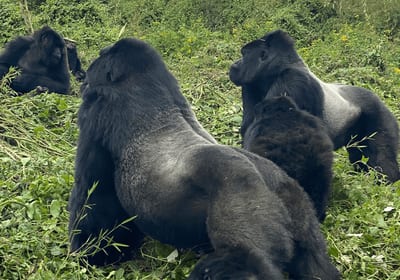
Gorilla trekking is the experience that often transforms a general safari search into a Uganda booking. Uganda is home to endangered mountain gorillas, with trekking available in Bwindi Impenetrable National Park and Mgahinga Gorilla National Park.
Bwindi is the most famous choice, with multiple trekking sectors that influence logistics, lodge selection, and driving times. Buhoma, Ruhija, Rushaga, and Nkuringo each have different access points, terrain, and accommodation options. A strong Uganda safari planner will not simply “add gorillas” to an itinerary. They will match the permit sector to the right lodge, route, fitness level, and onward travel plan.
The trek itself can vary widely. Some groups reach a gorilla family within a shorter walk, while others spend several hours moving through steep forest terrain. The reward is a carefully managed one-hour encounter with a habituated gorilla family, guided by trained ranger teams and trackers.
For 2026 planning, international travelers should budget approximately USD 800 per foreign non-resident gorilla permit in Uganda, subject to official tariff updates. This permit cost is usually one of the largest single line items in a Uganda safari budget, but it is also the experience many travelers remember most vividly.
Chimpanzee tracking and primate-rich forests
Uganda is one of Africa’s finest primate destinations. Kibale National Park is the leading location for chimpanzee tracking, with high-quality forest guiding and strong chances of memorable sightings. The forest is also home to other primates, birds, butterflies, and lush vegetation that create a completely different atmosphere from the savannah parks.
Chimpanzee tracking is more active and energetic than many travelers expect. Chimps move fast, vocalize loudly, and often shift through the forest canopy and ground vegetation. The experience feels wild, intelligent, and immediate.
For 2026 planning, a Kibale chimpanzee tracking permit is commonly budgeted around USD 250 for foreign non-resident travelers, although permit fees can change. Travelers who want a deeper primate experience may also ask about habituation-style experiences where available, but these require earlier planning and more time in the forest.
Savannah game drives, boat safaris, and rhino tracking
Uganda also delivers classic wildlife viewing, especially when the itinerary includes Murchison Falls National Park, Queen Elizabeth National Park, and the Ziwa Rhino Sanctuary area.
Murchison Falls combines game drives with one of the most dramatic river experiences in Uganda. The Nile squeezes through a narrow gorge, and boat safaris can reveal hippos, crocodiles, elephants, buffalo, giraffes, and abundant birdlife along the banks.
Queen Elizabeth National Park adds open plains, crater landscapes, the Kazinga Channel, and the famous Ishasha sector, where tree-climbing lions may be seen resting in fig trees. Wildlife sightings always depend on timing, guiding, weather, and animal movement, but the diversity of habitats makes the park a valuable part of many Uganda safari routes.
Rhino tracking at Ziwa is often included on routes toward Murchison Falls. It gives travelers a chance to complete a Big Five-style Uganda circuit while supporting rhino conservation efforts. When paired with lions, leopards, elephants, and buffalo in national parks, rhino tracking helps round out a safari that began as a broad search and becomes a very specific Uganda wildlife journey.
How to Turn a Generic Search Into a Uganda Safari Plan
A search term gets you started. A safari plan gets you there. The most important step is translating vague interest into a route that fits your time, budget, comfort level, and wildlife priorities.
Choose your core wildlife experiences first
Uganda has enough variety that trying to include everything in too few days can weaken the trip. Start with the experiences that matter most.
If gorillas are the priority, build around Bwindi or Mgahinga first, then add other parks according to available time. If primates are the priority, combine gorillas with Kibale chimpanzees. If big game is the priority, place Murchison Falls and Queen Elizabeth National Park at the center of the route. If photography is the priority, allow extra nights in key locations rather than rushing between parks.
This is where local planning matters. Uganda is compact compared with many safari destinations, but road journeys can still be long due to terrain, park locations, and rural driving conditions. A realistic plan is not only about distance on a map. It is about road surfaces, ferry timings, park gate access, permit times, lodge locations, and how tired travelers will feel after early starts.
Match your route to the number of days you have
A Uganda safari can be meaningful in under a week, but the best route depends on what you want to include.
| Trip length | Best fit | What to expect |
|---|---|---|
| 3 to 4 days | Gorilla trekking extension | Focused visit to Bwindi or Mgahinga, usually with limited time for other parks |
| 5 to 6 days | Gorillas plus one wildlife area | A strong short safari with either Queen Elizabeth or Lake Mburo added |
| 8 to 10 days | Primates and savannah wildlife | Gorillas, chimpanzees, boat safari, and game drives with better pacing |
| 12 to 14 days | Comprehensive Uganda safari | Murchison Falls, Kibale, Queen Elizabeth, Bwindi, Lake Mburo, culture, and scenic stops |
Travelers who want a fuller picture of what a Uganda-based safari vacation can include may find this overview of safari vacations Africa travelers can build around Uganda especially useful.
Decide your comfort level before comparing quotes
Safari quotes can vary dramatically, not because one company is simply “expensive” and another is “cheap,” but because the components may be completely different. Lodge category, vehicle type, private guiding, permit inclusion, meal plans, domestic flights, and park activities all affect the final price.
For premium travelers, the key is value clarity. A well-designed private safari may cost more upfront but reduce friction throughout the journey. You gain better pacing, stronger guiding continuity, more suitable lodge locations, and a vehicle dedicated to your party.
Budget-conscious travelers can still enjoy Uganda, especially with carefully selected lodges and efficient routing. The important thing is to avoid comparing a permit-inclusive private itinerary with a group-style or permit-excluded quote as if they were the same product.
Realistic Uganda Safari Costs for 2026 Planning
Transparent pricing helps travelers make confident decisions. Uganda can serve both luxury and mid-range guests, but primate permits, remote lodges, professional guiding, fuel, park fees, and vehicle logistics all shape the budget.
Permit and activity costs to budget for
The following figures are useful planning estimates for foreign non-resident travelers considering a Uganda safari in 2026. Fees can change, so they should always be reconfirmed during booking.
| Item | Estimated 2026 planning cost | Notes |
|---|---|---|
| Gorilla trekking permit | About USD 800 per person | Applies to one trek in Bwindi or Mgahinga for many foreign non-resident travelers |
| Kibale chimpanzee tracking permit | About USD 250 per person | Popular activity, advance booking recommended |
| National park entry | Often around USD 40 per person per day | Varies by park and visitor category |
| Boat safari | Often around USD 30 to USD 40 per person | Common in Murchison Falls and Queen Elizabeth National Park |
| Rhino tracking | Often around USD 50 per person | Commonly added en route to or from Murchison Falls |
| Optional domestic flight | Commonly several hundred USD per sector | Useful for travelers reducing long road transfers |
These costs explain why two Uganda itineraries with similar day counts can price very differently. A 10-day safari with gorilla and chimpanzee permits included has a different cost structure from a 10-day wildlife-only itinerary.
Lodge and private tour budget ranges
Accommodation is another major factor. Uganda offers everything from simple guesthouses to premium lodges overlooking forests, rivers, crater lakes, and savannah landscapes.
As a practical guide, budget-conscious safari lodges may fall around USD 80 to USD 180 per person per night sharing, mid-range properties often range from USD 180 to USD 350, and luxury lodges can range from USD 450 to USD 900 or more. In top gorilla trekking areas, high-end lodges may exceed USD 1,000 per person per night, especially during peak travel periods and for premium rooms.
For private guided Uganda safaris, broad per-person planning ranges often look like this when sharing a vehicle and room:
| Safari style | Approximate budget range | Best for |
|---|---|---|
| Short gorilla-focused safari, 3 to 4 days | USD 1,400 to USD 2,500+ | Travelers adding Uganda for gorilla trekking |
| Mid-range 6 to 8 day safari | USD 2,500 to USD 4,500+ | Gorillas plus selected wildlife parks |
| Mid-range 9 to 12 day safari | USD 4,000 to USD 6,500+ | Primates, game drives, boat safaris, and culture |
| Luxury 8 to 12 day safari | USD 6,500 to USD 12,000+ | Premium lodges, private guiding, stronger pacing, possible domestic flights |
The final quote depends on travel season, permit availability, accommodation choice, vehicle use, group size, and whether domestic flights are included. Solo travelers should also expect higher per-person costs because vehicle and guide expenses are not shared.

Best Uganda Routes Based on What You Were Searching For
The phrase “tours safari Africa” can mean different things to different travelers. The smartest Uganda route depends on the hidden intent behind the search.
If you searched for gorilla trekking tours
A gorilla-first itinerary should prioritize permit availability, trekking sector, and lodge location. For a short trip, focus on Entebbe, Bwindi or Mgahinga, and perhaps Lake Bunyonyi or Lake Mburo depending on routing.
With more time, add Queen Elizabeth National Park after Bwindi. This creates a strong contrast between rainforest and savannah, with the possibility of the Ishasha sector and the Kazinga Channel boat safari.
A 5 to 6 day gorilla and wildlife route can work well for travelers who want the emotional highlight of gorilla trekking without committing to a two-week safari.
If you searched for Big Five safari experiences
Uganda’s Big Five-style route usually includes Ziwa Rhino Sanctuary for rhinos, Murchison Falls National Park for elephants, buffalo, lions, and possible leopards, and then additional wildlife time in Queen Elizabeth National Park or Lake Mburo.
This route is especially attractive because it includes the Nile. A boat safari in Murchison Falls is not just a side activity. It is one of the defining wildlife experiences in Uganda, often producing close views of hippos, crocodiles, elephants, and birds along the riverbanks.
For a stronger journey, combine Murchison Falls with Kibale and Queen Elizabeth before continuing to Bwindi. That turns a Big Five-style search into a complete Uganda safari with primates and major landscapes.
If you searched for luxury safari Africa ideas
Luxury in Uganda is about more than the lodge. It is about removing logistical friction while preserving a sense of place. The best luxury safaris use carefully located lodges, private guiding, thoughtful pacing, and, where useful, domestic flights to reduce long drives.
A premium Uganda itinerary might include a high-end lodge near Bwindi, a refined forest stay near Kibale, and a river or savannah lodge in Murchison Falls or Queen Elizabeth National Park. The route should avoid unnecessary one-night stays unless they serve a clear logistical purpose.
For luxury travelers, it is also wise to book early. Gorilla trekking sectors and top lodge rooms can sell out during peak periods, especially for small groups, honeymooners, and families needing specific room configurations.
If you searched for family safari packages
Uganda can be excellent for families, especially when the itinerary is paced carefully. Age matters because gorilla and chimpanzee tracking have minimum age requirements, commonly 15 years for gorilla trekking. Families with younger children can still enjoy boat safaris, game drives, cultural visits, nature walks where permitted, and selected lodges with flexible spaces.
The best family safari routes reduce long back-to-back driving days and include stays of at least two nights in key locations. Lake Mburo is often useful for gentler wildlife experiences, while Queen Elizabeth and Murchison Falls can deliver classic safari excitement without relying only on trekking activities.
Families comparing options can also review PawMac Safaris’ guide to family safari packages in Uganda for more detail on planning around children, comfort, and pacing.
When to Travel to Uganda and How Seasonality Affects Your Safari
Uganda is a year-round destination, but seasonality affects trekking conditions, road comfort, wildlife behavior, photography, lodge demand, and pricing. The best month depends on your priorities.
Dry season advantages
The drier periods, commonly June to September and December to February, are popular for gorilla trekking and wildlife viewing. Forest trails may be more manageable, although Bwindi is a rainforest and can receive rain at any time. Savannah vegetation may be less dense, which can help with wildlife visibility.
These months are often busier and can be more expensive. Gorilla permits, top lodges, and preferred guides should be secured early. For premium travel between June and September, planning 9 to 12 months ahead is sensible, especially for couples seeking specific luxury lodges or families needing multiple rooms.
Green season advantages
The wetter or greener periods can be rewarding for travelers who value lush landscapes, birding, photography, and fewer crowds. Rain usually does not mean every day is washed out. It often arrives in showers, with clear periods before or after.
Green season travel can also bring better lodge availability and occasional value opportunities, depending on the property and dates. The tradeoff is that some roads may be slower, forest trails may be muddier, and travelers should bring proper trekking gear.
For photographers, green season light and dramatic skies can be a major advantage. For travelers who dislike busy periods, it can make the safari feel more private and immersive.
What to Check Before Choosing a Uganda Safari Company
Once Uganda becomes the preferred destination, the next decision is who will plan and guide the journey. This is not a minor detail. In Uganda, the quality of the safari team affects permit handling, route design, timing, comfort, and the overall feel of the trip.
Local expertise and route realism
A reliable Uganda safari company should understand the practical details behind each destination. That includes which gorilla sector matches your itinerary, how long transfers really take, when to break up drives, which lodges work for your budget, and how to adapt if weather or road conditions change.
Look for a team that asks thoughtful questions before quoting. A strong planner will want to know your travel dates, group size, fitness level, accommodation preference, dietary needs, must-see wildlife, and tolerance for long drives.
Route realism is especially important in Uganda because online maps can underestimate travel time. A beautiful itinerary on paper can become tiring if it ignores road conditions or creates too many one-night stops.
Transparent inclusions and permit handling
Before confirming a safari, check whether the quote includes gorilla permits, chimpanzee permits, park entry fees, accommodation, meals, airport transfers, drinking water, boat safaris, rhino tracking, and private vehicle use. Ask which items are excluded, including international flights, visas, tips, premium drinks, laundry, travel insurance, and optional activities.
Permit handling is critical. Gorilla and chimpanzee permits are date-specific and subject to availability. A professional team will guide you on timing, secure permits according to the agreed itinerary, and align lodges with the correct trekking sector.
PawMac Safaris specializes in personalized Uganda safari planning with expert local guides, comfortable 4×4 vehicles, gorilla trekking tours, chimpanzee tracking, Big Five-style routes, cultural tours, adventure activities, and flexible options across budget and luxury categories. The value is not only in booking services, but in shaping a journey that works on the ground.
Frequently Asked Questions
Why does a broad “tours safari Africa” search often lead travelers to Uganda? Uganda fits many safari goals in one country: gorilla trekking, chimpanzee tracking, savannah game drives, boat safaris, rhino tracking, and cultural experiences. It is ideal for travelers who want variety rather than a single-style safari.
Is Uganda good for a first safari? Yes. Uganda is excellent for first-time safari travelers who want both iconic wildlife and rare primate encounters. A well-paced itinerary with expert guiding can combine forests, savannah parks, rivers, and cultural stops without needing multiple countries.
How much should I budget for a Uganda safari in 2026? A short gorilla-focused safari may start around USD 1,400 to USD 2,500+ per person, while a 9 to 12 day mid-range private safari often ranges from USD 4,000 to USD 6,500+. Luxury safaris can exceed USD 6,500 to USD 12,000+ depending on lodges, permits, flights, and season.
How much is a gorilla trekking permit in Uganda? For many foreign non-resident travelers, Uganda gorilla trekking permits are commonly budgeted at about USD 800 per person for 2026 planning. Permit fees can change, so they should be reconfirmed when booking.
How many days do I need for a Uganda safari? Three to four days can work for a focused gorilla trekking trip, but 8 to 10 days is better for combining gorillas, chimpanzees, game drives, and boat safaris. A 12 to 14 day itinerary gives the most complete Uganda experience.
When is the best time to visit Uganda for safari? June to September and December to February are popular because conditions are often drier. Green season months can also be rewarding for lush scenery, birding, photography, fewer crowds, and potential lodge value.
Begin Your Uganda Safari With PawMac Safaris
A broad safari search is only the beginning. The real opportunity is turning that search into a Uganda journey designed around your wildlife priorities, comfort expectations, travel dates, and budget.
PawMac Safaris helps travelers plan expert-guided Uganda safaris with local knowledge, professional route design, gorilla and chimpanzee trekking logistics, Big Five-style wildlife experiences, cultural encounters, and flexible safari options from budget-conscious to luxury. If your search for tours safari Africa has brought you this far, Uganda may be the destination that gives your journey its clearest purpose.
Start planning with PawMac Safaris and build a personalized Uganda safari that moves beyond a generic search into a carefully guided experience in the Pearl of Africa.


