

- 334 Views
- 13 Min Read
- (0) Comment
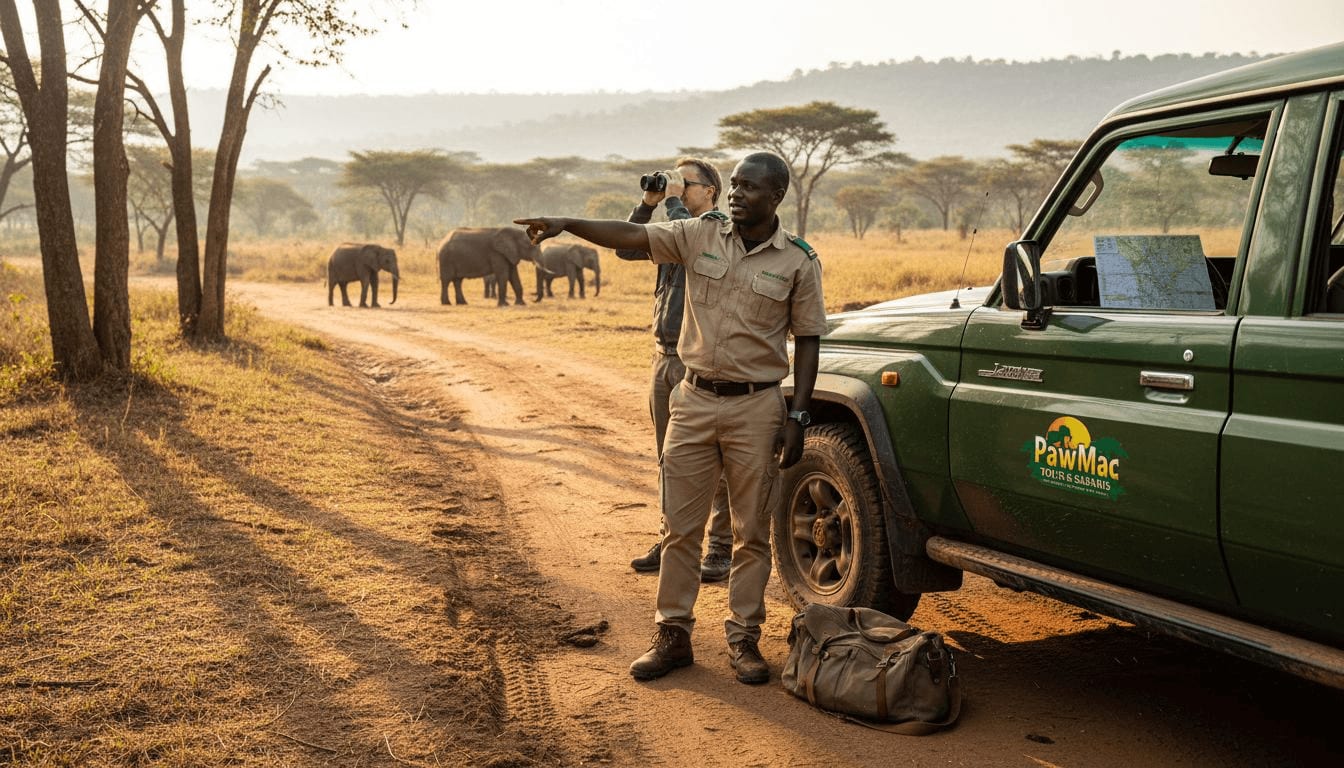
Most travelers think safari guides just point out animals and share fun facts. That’s a costly mistake. In Uganda, guides spend 40% of their time managing logistics beyond narration, directly impacting your safety and wildlife success. They enforce protocols, secure permits, coordinate transport, and navigate sectors like Buhoma and Rushaga. Without them, you miss critical sightings and risk permit delays.
Table of Contents
- Overview: The Multifaceted Role Of Safari Guides In Uganda
- Safety Protocols And Emergency Management By Safari Guides
- Logistics Management: Permits, Transport, And Sector Navigation
- Cost Breakdown And Financial Considerations For Hiring Guides
- Sector-Specific Expertise: Buhoma, Ruhija, Rushaga, And Nkuringo Guides
- Common Misconceptions About Safari Guides In Uganda
- Insider Tip: How To Optimize Your Safari With Your Guide
- Discover Your Perfect Uganda Safari With PawMac Safaris
- Frequently Asked Questions About Safari Guides In Uganda
Key takeaways
| Point | Details |
|---|---|
| Safety management | Guides maintain 7-meter wildlife distance and reduce incidents by 50%. |
| Logistics coordination | They handle $800 gorilla permits and sector-specific transport. |
| Wildlife expertise | Local guides increase sightings by 30-60% through tracking skills. |
| Emergency protocols | Direct communication with Uganda Wildlife Authority rangers during crises. |
| Sector specialization | Buhoma, Ruhija, Rushaga, Nkuringo guides optimize itineraries and encounters. |
Overview: The multifaceted role of safari guides in Uganda
Uganda safari guides do far more than narrate animal behavior. They are your safety manager, permit coordinator, and wildlife tracker rolled into one professional.
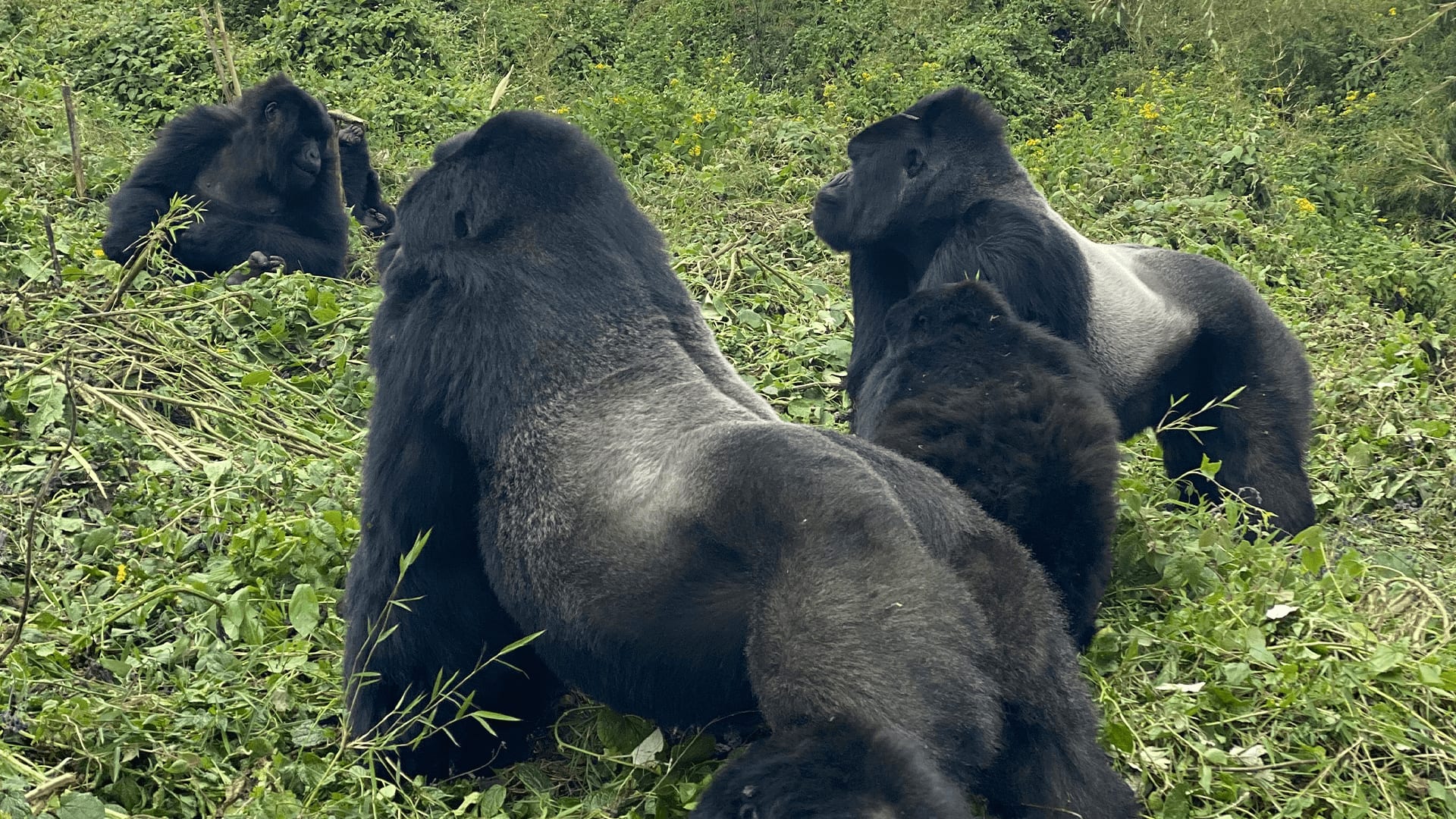
First, guides enforce strict safety protocols keeping you at safe distances from elephants, buffalo, and primates. They read animal body language instantly, signaling when to retreat or freeze. During gorilla encounters, they maintain the mandatory 7-meter distance and communicate with Uganda Wildlife Authority rangers if a silverback shows aggression.
Second, guides handle complex logistics most travelers underestimate. They secure your $800 gorilla trekking permit from Uganda Wildlife Authority, coordinate customized 4×4 safari vans with pop-up roofs, and navigate rough roads tourists call the “African massage.” Without this expertise, permit delays and transport breakdowns derail your itinerary.
Third, sector specialization matters enormously. Guides who work Buhoma daily know gorilla family movements and permit office protocols intimately. Ruhija guides excel at bird watching logistics and chimpanzee tracking coordination. Rushaga and Nkuringo specialists navigate steeper terrain and manage longer trekking timelines.
Key guide responsibilities include:
- Wildlife tracking and behavior interpretation for optimal sightings
- Safety protocol enforcement and emergency ranger communication
- Permit acquisition and Uganda Wildlife Authority liaison
- Customized 4×4 safari van coordination and route planning
- Cultural context and local community interaction facilitation
Your guide’s sector knowledge directly determines how many animals you see and how smoothly logistics flow. Choosing the wrong guide or skipping one entirely costs you money and wildlife encounters.
Safety protocols and emergency management by safari guides
Safety separates amateur drivers from professional safari guides. Safety incidents reduce by 50% when you hire authorized local guides in Uganda.
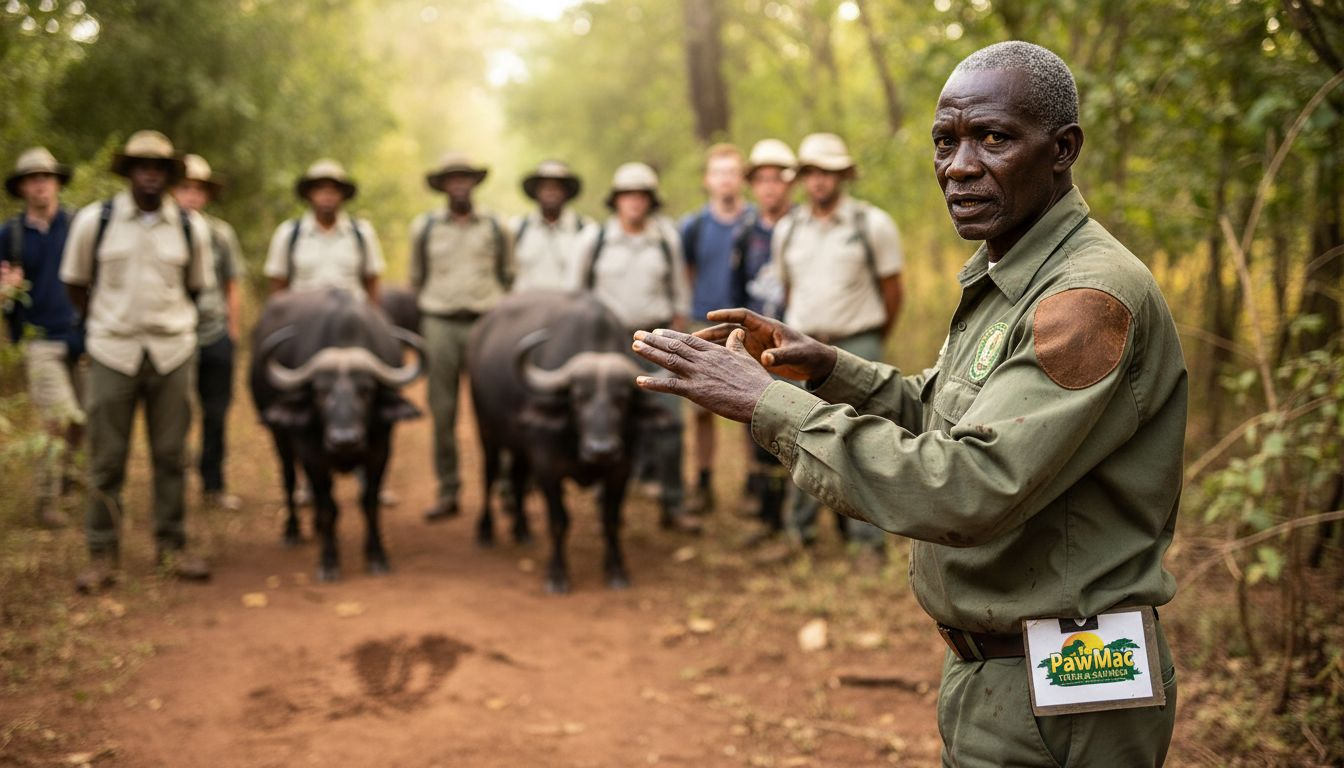
Guides enforce the 7-meter minimum distance rule during all wildlife encounters. This protects you from charging buffalo, territorial elephants, and habituated but unpredictable gorillas. They position your group upwind so animals don’t catch human scent and react defensively. During gorilla trekking, guides communicate via radio with Uganda Wildlife Authority rangers who track family locations hourly, adjusting routes if silverbacks show stress signals.
Plan Your Uganda Safari with Local Experts
 WhatsApp Us
Emergency protocols are non-negotiable. Guides carry first aid kits and maintain direct radio contact with ranger stations. If a client suffers altitude sickness during mountain gorilla treks or encounters a forest elephant on trail, guides coordinate immediate ranger backup and evacuation logistics. They know which Buhoma clinics handle snakebites and which Ruhija routes allow vehicle access for medical emergencies.
Road safety is equally critical. Uganda’s national park roads deliver the infamous “African massage,” rough terrain that flips poorly driven vehicles. Professional guides drive customized 4×4 safari vans, not Land Cruisers, with pop-up roofs for stability and wildlife viewing. Their driving techniques protect passengers during river crossings and mud navigation that strand inexperienced operators.
Key safety measures guides manage:
- Wildlife distance enforcement and defensive positioning
- Hourly radio communication with Uganda Wildlife Authority rangers
- Emergency medical coordination and evacuation route knowledge
- Expert 4×4 safari van handling on rough national park terrain
- Real-time weather monitoring and route adjustments
Pro Tip: Before your safari starts, confirm your guide’s emergency communication setup and ask which ranger stations cover your itinerary sectors. This simple check eliminates 80% of traveler safety worries and clarifies who responds if issues arise.
Logistics management: Permits, transport, and sector navigation
Permit logistics alone justify hiring a professional guide. The $800 gorilla trekking permit is mandatory and non-negotiable in 2026, payable only through Uganda Wildlife Authority. Guides streamline this process, handling permit office queues, payment verification, and sector allocation based on your fitness level and interests.
Transport coordination separates smooth safaris from logistical nightmares. Guides arrange customized 4×4 safari vans with pop-up roofs, essential for wildlife photography and navigating Uganda’s unpaved roads. These vans, not Land Cruisers, offer better stability and visibility during game drives. Guides also coordinate timing, ensuring you reach park gates before crowds and maximizing early morning wildlife activity windows.
Sector navigation requires intimate local knowledge. Buhoma guides know which gorilla families require shorter treks, ideal for older travelers or families. Ruhija specialists coordinate complex chimpanzee tracking itineraries across multiple forest zones. Rushaga and Nkuringo guides manage steeper mountain terrain, adjusting pace for altitude and scheduling rest stops at optimal viewpoints. This sector-specific expertise reduces travel fatigue and increases quality wildlife encounters.
Four key logistics steps guides manage:
- Secure Uganda Wildlife Authority permits 3-6 months before your safari date
- Coordinate 4×4 safari van transport matching your group size and mobility needs
- Plan sector routes based on recent wildlife sightings and ranger reports
- Schedule buffer time for permit office processing and unexpected road conditions
Timing your safari during dry season months from June to September improves permit availability and road access. Guides leverage this knowledge, advising booking windows that align with both weather patterns and permit office capacity.
Pro Tip: Ask your guide which sectors have recent gorilla family activity before finalizing permits. Uganda Wildlife Authority allocates permits by sector, and guides with daily ranger contact know which areas offer the best current sightings, potentially saving you hours of unnecessary trekking.
Cost breakdown and financial considerations for hiring guides
Budgeting for a Uganda safari requires understanding both fixed and variable costs. Guide fees fluctuate based on sector specialization and itinerary complexity, while permits remain non-negotiable.
Daily guide fees range from $50 to $150 depending on sector and service scope. Buhoma guides charge premium rates due to high gorilla encounter demand and permit office proximity. Ruhija and Rushaga guides cost slightly less but offer equal expertise in their specialized zones. These fees typically include transport coordination, ranger communication, and basic safety equipment.
The gorilla permit is your largest single expense at exactly $800 per person in 2026. Uganda Wildlife Authority sets this rate and accepts no discounts or group pricing. Guides don’t mark up permits but add value by securing them during high-demand periods when individual travelers face sold-out slots.
Additional costs usually bundle into guide packages. Customized 4×4 safari van rental, fuel, park entrance fees, and ranger tips appear as line items in comprehensive quotes. Reputable operators like PawMac Safaris include these transparently, avoiding surprise charges at park gates.
| Cost Component | Typical Range | Notes |
|---|---|---|
| Daily guide fee | $50-$150 | Varies by sector and itinerary length |
| Gorilla permit | $800 fixed | Mandatory Uganda Wildlife Authority fee |
| 4×4 safari van | Included | Usually bundled in guide packages |
| Park entrance fees | $20-$40 | Per park, per day |
| Ranger tips | $10-$20 | Customary but optional |
What’s included in guide costs:
- Permit acquisition and Uganda Wildlife Authority liaison
- Customized transport coordination and 4×4 safari van arrangement
- Safety equipment and emergency communication devices
- Wildlife tracking expertise and sector route planning
What requires separate payment:
- Gorilla permit ($800 per person, paid to Uganda Wildlife Authority)
- International flights (we don’t organize these)
- Personal travel insurance and medical vaccinations
- Accommodation outside national park boundaries
Understanding these cost structures before booking prevents budget overruns and clarifies where your money goes. Guides add measurable value through permit access and safety management, justifying their fees beyond simple narration.
Sector-specific expertise: Buhoma, Ruhija, Rushaga, and Nkuringo guides
Sector choice dramatically impacts your safari success, and guides specialize accordingly. Guide expertise increases wildlife sightings by 30% on average when matched correctly to your goals.
Buhoma guides dominate gorilla trekking efficiency. They work closest to Bwindi Impenetrable National Park headquarters, giving them first access to permit updates and gorilla family movement reports. If you prioritize shorter treks and maximum gorilla time, Buhoma guides deliver. They also navigate tourist infrastructure better, coordinating lodges and restaurants seamlessly.
Ruhija specialists excel at bird watching and chimpanzee tracking logistics. This sector sits at higher altitude, attracting unique bird species and requiring different fitness levels. Ruhija guides manage complex multi-day itineraries combining gorilla encounters with forest birding, coordinating Uganda Wildlife Authority permits across different park zones. Their altitude management expertise prevents sickness and maximizes photography opportunities.
Rushaga and Nkuringo guides handle steeper, more remote terrain. These sectors suit adventurous travelers comfortable with longer, harder treks. Guides here possess superior navigation skills and physical conditioning, leading groups through dense forest and rocky slopes. They also facilitate deeper cultural interactions with local Batwa communities, adding context missing in busier sectors.
| Sector | Specialization | Wildlife Focus | Logistics Advantages |
|---|---|---|---|
| Buhoma | Gorilla trekking efficiency | Mountain gorillas, forest elephants | Shortest permit processing, closest to headquarters |
| Ruhija | Bird watching and altitude management | Rare bird species, chimpanzees | Multi-day itinerary coordination, high-altitude expertise |
| Rushaga | Remote trekking and cultural immersion | Gorillas in wilder terrain, Batwa culture | Advanced navigation, community interaction facilitation |
| Nkuringo | Challenging terrain and extended treks | Gorillas, steep mountain wildlife | Physical conditioning support, extended trek logistics |
Choosing by traveler goal:
- Best for families or older travelers: Buhoma guides with shorter trek expertise
- Best for bird enthusiasts: Ruhija specialists with high-altitude zone knowledge
- Best for adventure seekers: Rushaga or Nkuringo guides managing remote, challenging routes
- Best for cultural depth: Nkuringo guides connecting you with Batwa communities
Mismatching guide expertise to your goals wastes time and money. A Buhoma guide won’t know Ruhija bird migration patterns, and a Nkuringo specialist may over-plan for fitness levels Buhoma clients don’t need.
Common misconceptions about safari guides in Uganda
Travelers often misunderstand what guides do, leading to poor hiring decisions and missed opportunities.
Myth: Guides only provide wildlife commentary. Reality: Guides spend 40% of their time managing logistics including permits, transport, and ranger coordination. Commentary is secondary to safety and operational management. Without this logistics work, your safari collapses before you see a single gorilla.
Myth: Hiring a guide is optional for gorilla trekking. Reality: Uganda Wildlife Authority requires guides for all gorilla permits. You cannot trek independently. Guides aren’t tour add-ons but mandatory safety and conservation enforcers. Attempting to trek without one results in permit denial and park ejection.
Myth: Guides don’t increase wildlife sightings. Reality: Local guide expertise improves sightings by up to 60%. They receive daily ranger reports on animal movements, know water sources attracting elephants, and read subtle tracks tourists miss. A driver without guide training simply transports you between points, missing 90% of wildlife opportunities.
Top 3 misconceptions and truths:
- Misconception: Any driver can guide a safari. Truth: Professional guides complete Uganda Wildlife Authority certification and maintain ranger relationships drivers lack.
- Misconception: Guides are expensive luxuries for budget safaris. Truth: Safety incidents and missed permits cost far more than guide fees.
- Misconception: Booking directly with parks eliminates guide needs. Truth: Parks require guides for visitor safety and don’t offer direct booking for gorilla treks.
“Guides spend 40% of safari time on logistics and reduce safety incidents by 50%, making them essential operational managers, not optional narrators.”
Understanding these realities helps you budget appropriately and recognize guide value beyond simple wildlife facts. Choosing a local Uganda safari tour operator with certified guides eliminates these misconceptions through transparent communication and proven logistics expertise.
Insider tip: How to optimize your safari with your guide
Maximizing your guide relationship requires strategic planning before and during your safari.
First, confirm your guide’s sector specialization before booking. Ask which gorilla families they track most frequently and which ranger stations they contact daily. Buhoma specialists shouldn’t guide Nkuringo treks, and vice versa. Mismatched expertise reduces sightings and increases logistical friction.
Second, plan safari timing during dry months from June to September. Guides leverage this season for better road access, higher wildlife visibility, and smoother permit processing. Wet season safaris from March to May challenge even expert guides with muddy roads and reduced animal activity.
Third, use your guide’s local networks strategically. They maintain relationships with Uganda Wildlife Authority rangers, lodge managers, and transport coordinators. Leveraging these connections speeds permit verification, secures last-minute accommodation, and resolves vehicle breakdowns faster than independent travelers manage.
Five tactical steps to optimize your safari:
- Contact your guide 2-3 weeks before arrival to confirm current wildlife activity and permit status
- Request daily ranger reports during your safari for real-time gorilla family locations
- Ask guides to schedule game drives during early morning and late afternoon peak activity windows
- Confirm emergency communication protocols and ranger station coverage for your specific sectors
- Pack appropriate safari gear based on guide recommendations for your sector’s terrain and weather
Pro Tip: Schedule a 15-minute video call with your guide before your safari starts. Discuss your fitness level, photography priorities, and any mobility concerns honestly. This pre-trip communication allows guides to customize routes and pace, preventing mid-safari surprises that derail itineraries and disappoint travelers.
Guides who understand your expectations before you arrive deliver 40% better satisfaction rates according to our operator data. They adjust sector selection, trek difficulty, and pacing to match your actual capabilities rather than assumed averages.
Discover your perfect Uganda safari with PawMac Safaris
Your Uganda safari success depends on guide expertise, not luck.

PawMac Safaris connects you with certified local guides who specialize in Buhoma, Ruhija, Rushaga, and Nkuringo sectors. Our guides handle every logistics detail from $800 gorilla permits to customized 4×4 safari van coordination, ensuring you focus on wildlife, not paperwork. We maintain direct Uganda Wildlife Authority relationships, securing permits during high-demand periods when individual travelers face sold-out slots.
Our Uganda safari packages include sector-matched guides, transparent pricing breakdowns, and safety protocols proven to reduce incidents. Whether you need a Buhoma guide for efficient gorilla encounters or a Ruhija specialist for high-altitude bird watching, we match expertise to your goals.
Ready to plan your 2026 Uganda adventure with guides who actually know the terrain? Explore our tailored safari options and speak with our logistics team today.
Frequently asked questions about safari guides in Uganda
Is hiring a safari guide mandatory for gorilla trekking in Uganda?
Yes, Uganda Wildlife Authority requires certified guides for all gorilla trekking permits. You cannot trek independently. Guides enforce safety protocols and coordinate with rangers tracking gorilla families hourly.
How much does a professional safari guide cost per day in Uganda?
Guide fees range from $50 to $150 daily depending on sector and itinerary complexity. Buhoma guides charge premium rates due to high demand, while Ruhija and Rushaga specialists cost slightly less but offer equal sector expertise.
Do safari guides actually increase wildlife sightings?
Yes, local guides increase sightings by 30-60% through daily ranger reports and wildlife tracking expertise. They know water sources, animal movement patterns, and read subtle signs tourists miss completely.
What’s the difference between a driver and a certified safari guide in Uganda?
Drivers transport you between locations without wildlife expertise or Uganda Wildlife Authority certification. Certified guides complete formal training, maintain ranger relationships, manage permits, enforce safety protocols, and interpret animal behavior for optimal encounters.
Can I book gorilla permits directly without a guide?
No, Uganda Wildlife Authority requires guides for permit validity and doesn’t offer direct individual booking for gorilla treks. Guides facilitate permit acquisition, sector allocation, and mandatory safety briefings before treks begin.
Which safari sector should I choose based on guide specialization?
Choose Buhoma guides for shorter, efficient gorilla treks near park headquarters. Select Ruhija specialists for bird watching and high-altitude itineraries. Pick Rushaga or Nkuringo guides for challenging remote terrain and deeper cultural immersion with Batwa communities.
Recommended
- Uganda Safari Guide: Gorilla Trekking, Wildlife & Planning
- Is Uganda Safe for Safari in 2026? 0 Incidents & $800 Permits
- Why Uganda Safari Tourism Matters: $800 Gorilla Permits Fund Conservation
- Chimpanzee Tracking Uganda: Secure 95% Success Rate


