


- 18 Views
- 20 Min Read
- (0) Comment
A first Uganda safari experience is exciting, but it can also feel difficult to picture before you arrive. You may know you want gorilla trekking, wildlife drives, and perhaps chimpanzee tracking, yet still wonder how long to stay, how tiring the roads are, what permits cost, and what a typical safari day actually looks like.
This guide is written for first-time travelers who want a clear, practical understanding of Uganda before committing to an itinerary. It focuses on the real experience on the ground: the rhythm of travel, the signature parks, realistic 2026 budgeting, where to stay, what to pack, and how expert local planning helps your safari feel smooth rather than stressful.
Table of Contents
- What a First-Time Uganda Safari Experience Feels Like
- Best Uganda Safari Experiences to Prioritize
- How Many Days You Need and Which Route Makes Sense
- Uganda Safari Costs, Permits, and Budget Expectations in 2026
- Where to Stay During Your Uganda Safari
- Practical Logistics for a Smooth First Safari
- Packing, Health, Safety, and Safari Etiquette
- When to Go for the Best Uganda Safari Experience
- How PawMac Safaris Helps First-Time Travelers Plan Better
- Frequently Asked Questions
- Plan Your First Uganda Safari With Confidence
What a First-Time Uganda Safari Experience Feels Like
Uganda is deeply rewarding for first-time safari travelers because the experience is not limited to one landscape or one style of wildlife viewing. In a single journey, you can move from papyrus wetlands and open savannah to crater lakes, tropical forest, volcanic slopes, and highland villages. That variety is one reason Uganda feels so immersive: you are not just watching wildlife from a vehicle, you are moving through living ecosystems and communities.
The pace is usually active but manageable. Safari days often begin early, especially for game drives, gorilla trekking, chimpanzee tracking, and boat safaris. Morning light is beautiful, temperatures are cooler, and animals are generally more active. By afternoon, the rhythm slows. You may return to the lodge for lunch, take a boat cruise on the Nile or Kazinga Channel, visit a local community, or travel onward to the next park.
First-time visitors should also understand that Uganda is not a staged wildlife environment. Roads can be bumpy, weather can change quickly, and sightings depend on animal movement, seasons, and skilled guiding. This unpredictability is part of the appeal. A lion may appear after two quiet hours. A forest trek may take 45 minutes or four hours. A guide may pause beside fresh elephant tracks and change the plan because the bush is telling a story.
A good Uganda safari experience feels personal. Your guide is not only driving from one place to another, but interpreting animal behavior, managing timing, coordinating park formalities, and helping you understand cultural context. For many first-time travelers, this is what turns a holiday into a meaningful journey.
Best Uganda Safari Experiences to Prioritize
Uganda has enough variety to fill several trips, so first-time travelers should prioritize carefully. The strongest itineraries usually combine one primate experience, one savannah wildlife area, and one water-based or scenic activity. If time and budget allow, adding a second primate experience or a northern park can make the journey even richer.
Gorilla trekking in Bwindi or Mgahinga
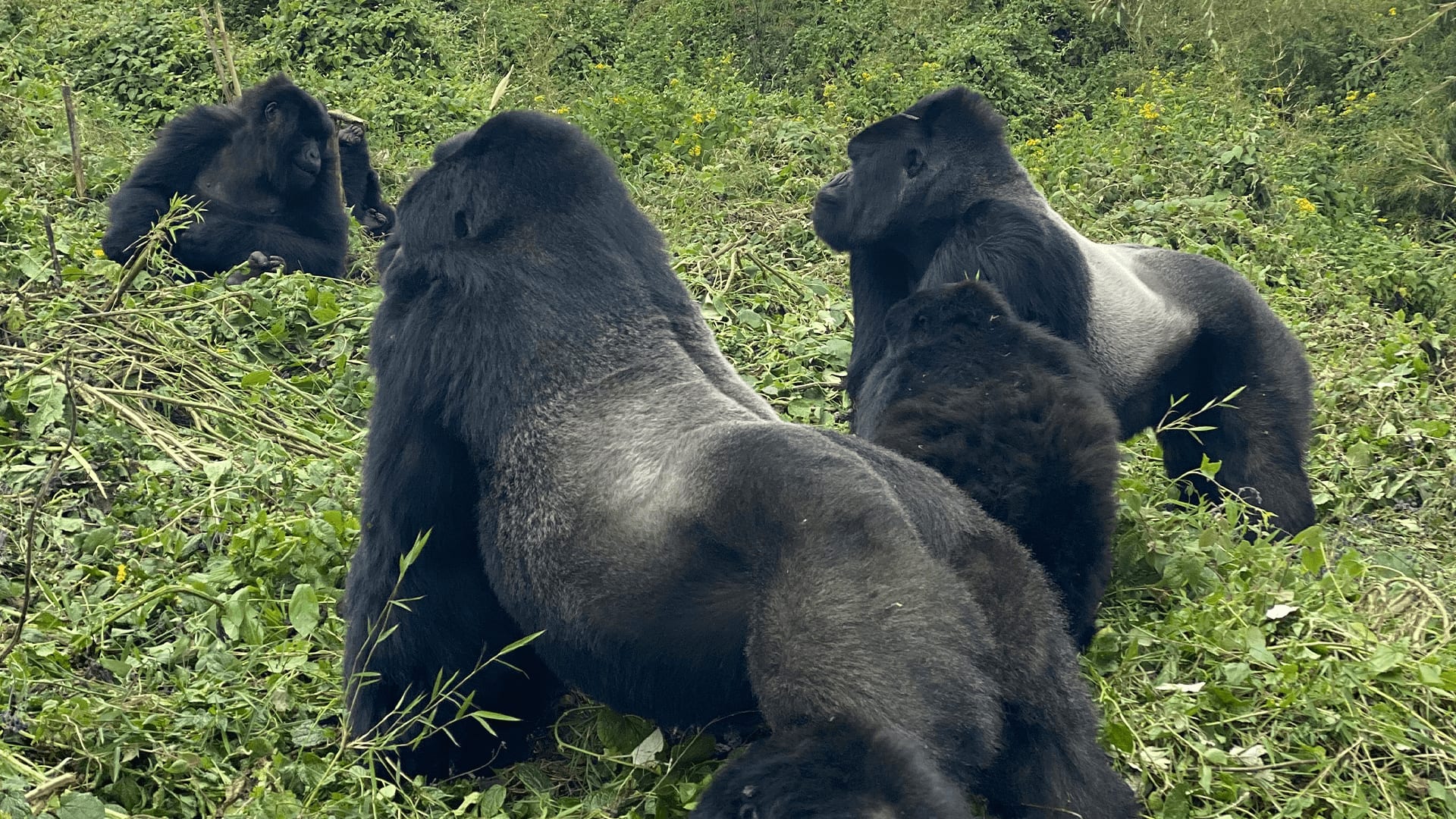
Gorilla trekking is the headline experience for many visitors. Treks take place in Bwindi Impenetrable National Park and Mgahinga Gorilla National Park, both in southwestern Uganda. After a morning briefing, travelers are assigned to a gorilla group and head into the forest with ranger guides and trackers. Once the gorillas are found, viewing time is typically limited to one hour.
The trek can be physically demanding. Trails may be muddy, steep, and humid, with uneven footing. Some groups are found relatively close to the trailhead, while others require several hours of hiking. Hiring a porter is strongly recommended, even for fit travelers. Porters assist with your daypack, help on slippery sections, and provide important income to local communities. Porter fees are often around $20, with additional tipping appreciated.
As a 2026 planning baseline, many first-time travelers should budget about $800 per person for a gorilla trekking permit, with final rates confirmed when permits are secured. Permits are limited and should be booked early, especially for June to September, December, January, and February.
Chimpanzee tracking in Kibale Forest
Chimpanzee tracking adds a different energy to a Uganda safari. Where gorillas are often calm and grounded, chimpanzees are fast, vocal, and socially dynamic. Kibale Forest is Uganda’s best-known chimpanzee tracking destination, with excellent chances of sightings and a rich forest environment.
Plan Your Uganda Safari with Local Experts
 WhatsApp Us
Travelers should budget roughly $250 per person for a Kibale chimpanzee tracking permit as a planning estimate, subject to confirmation at booking. Chimpanzee experiences can also be considered in other areas, but Kibale is the most common choice for first-time itineraries because it combines well with Queen Elizabeth National Park and the crater lake region.
Savannah wildlife and the Big Five route
Uganda’s savannah parks offer elephants, buffalo, lions, leopards, giraffes, hippos, crocodiles, antelopes, and many bird species. Murchison Falls National Park is excellent for first-time travelers because it combines game drives, Nile boat safaris, and the dramatic waterfall itself. Queen Elizabeth National Park is especially convenient when combined with Kibale and Bwindi, and its Kazinga Channel boat cruise is one of Uganda’s most reliable wildlife viewing activities.
For travelers who want a Big Five themed safari, Uganda requires a slightly different structure. Lions, leopards, elephants, and buffalo can be seen in national parks, while rhinos are viewed at Ziwa Rhino Sanctuary. A well-planned itinerary can include Ziwa en route to Murchison Falls, creating a strong first-time safari circuit.
Boat safaris, cultural visits, and scenic downtime
One of Uganda’s great advantages is that some of the best wildlife viewing happens from water. The Nile in Murchison Falls National Park and the Kazinga Channel in Queen Elizabeth National Park allow close but respectful viewing of hippos, crocodiles, elephants, buffalo, and birds without the constant movement of a game drive.
Cultural tours can also add depth when they are well chosen and respectfully arranged. Around Bwindi, travelers may learn about local livelihoods, conservation-linked community projects, traditional food, music, or craft production. The best cultural visits are not performances added to fill time. They are carefully hosted encounters that help travelers understand how conservation and community life intersect in Uganda.
| Experience | Best Uganda locations | Typical time needed | Budget note | First-time traveler tip |
|---|---|---|---|---|
| Gorilla trekking | Bwindi, Mgahinga | 1 full day, plus travel time | About $800 per permit as a planning baseline | Add a rest night nearby before or after the trek |
| Chimpanzee tracking | Kibale Forest | Half day to full day | About $250 per Kibale permit as a planning baseline | Wear long sleeves and expect quick movement in the forest |
| Classic game drives | Murchison Falls, Queen Elizabeth, Kidepo | 2 to 4 hours per drive | Park fees and vehicle costs usually included in packages | Early mornings are usually most productive |
| Boat safari | Nile, Kazinga Channel | 2 to 3 hours | Often priced separately or included by itinerary | Bring binoculars and a dry bag for camera gear |
| Rhino tracking | Ziwa Rhino Sanctuary | 1 to 2 hours, plus transfer time | Activity fees vary by visitor category | Best paired with Murchison Falls routing |
How Many Days You Need and Which Route Makes Sense
A first Uganda safari should not be rushed. Distances are manageable with professional planning, but road transfers can be long because parks are spread across different regions and road conditions vary. The right duration depends on whether you want only gorilla trekking or a broader Uganda safari experience.
A 5-day safari can work if your main goal is gorilla trekking, but it leaves little room for relaxed pacing. A 7-day itinerary is a stronger first-time option, usually combining gorillas with Queen Elizabeth National Park or Kibale. A 10 to 12-day safari is ideal for travelers who want gorillas, chimpanzees, savannah wildlife, boat safaris, and scenic downtime. A 14-day journey allows a richer circuit, potentially including Murchison Falls, Ziwa Rhino Sanctuary, Kibale, Queen Elizabeth, Bwindi, Lake Bunyonyi, and optional adventure activities on the Nile.
For travelers still comparing trip lengths and timing, PawMac Safaris has additional practical planning advice in its guide to Uganda safari tips for first-time visitors in 2026.
| Trip length | Best for | Possible focus | Main limitation |
|---|---|---|---|
| 5 to 6 days | Travelers short on time | Gorilla trekking, Lake Bunyonyi, brief cultural visit | Limited savannah wildlife unless using flights or tight routing |
| 7 to 8 days | Balanced first safari | Gorillas, Queen Elizabeth, Kazinga Channel, optional chimp tracking | Some long road transfers are still likely |
| 10 to 12 days | Best overall first trip | Gorillas, chimpanzees, Murchison Falls or Queen Elizabeth, boat safaris | Higher budget due to more nights, permits, and park fees |
| 14 days or more | Slow, premium, or specialist travel | Big Five route, multiple parks, birding, culture, adventure | Requires earlier planning and careful lodge selection |
A smart first-time route often starts with arrival in Entebbe, then moves by road or domestic flight toward Murchison Falls, Kibale, Queen Elizabeth, and Bwindi, depending on duration. Some travelers prefer to place gorilla trekking near the end as the emotional climax of the journey. Others prefer to trek earlier, then relax into savannah drives and boat safaris. Both can work, but the route should account for permit availability, fitness, lodge quality, and road time.

Uganda Safari Costs, Permits, and Budget Expectations in 2026
Uganda safari pricing varies widely because the final cost depends on permits, accommodation level, vehicle type, park routing, domestic flights, season, and group size. First-time travelers should be especially careful when comparing quotes, because two itineraries can look similar on paper but differ significantly in lodge quality, transfer comfort, guiding standards, and included activities.
As a practical 2026 estimate, a private guided 7 to 8-day Uganda safari with one gorilla trek often starts around $2,500 to $4,500 per person for more budget-conscious comfort, excluding international flights. A mid-range private safari commonly falls around $4,500 to $7,500 per person for 8 to 10 days, depending on lodge choices and permits. Luxury safaris can range from $8,000 to $15,000+ per person, especially when using premium lodges, private experiences, or domestic flights to reduce road time.
These are planning ranges, not fixed PawMac Safaris prices. The most accurate quote depends on your travel dates, number of travelers, preferred comfort level, and whether you want gorilla trekking, chimpanzee tracking, or both.
| Cost item | Realistic 2026 planning range | What affects the price |
|---|---|---|
| Gorilla trekking permit | About $800 per person | Permit category, tariff updates, trek location |
| Kibale chimpanzee permit | About $250 per person | Permit category and availability |
| National park entry | Often around $40 to $50 per person per day | Park, residency category, tariff updates |
| Mid-range lodge night | Roughly $180 to $350 per person sharing | Season, meal plan, location, room type |
| Premium or luxury lodge night | Roughly $500 to $1,500+ per person sharing | Gorilla area, exclusivity, views, service level |
| Private 4×4 vehicle and guide | Often built into package pricing | Route distance, fuel, guide days, vehicle standard |
| Domestic flights | Several hundred dollars per sector in many cases | Route, luggage limits, season, availability |
| Tips and personal spending | Commonly $15 to $40+ per traveler per day | Guiding style, lodge staff, porters, personal preference |
Permit costs are one of the biggest budget drivers. If you include both gorilla trekking and chimpanzee tracking, your itinerary has a higher upfront cost before accommodation and transport are even considered. However, these permits also protect access to highly regulated wildlife experiences and help support conservation systems.
Season matters too. High-demand travel months can increase lodge costs and reduce availability. Green season travel may provide better value at some properties, but travelers should still budget properly for permits, park fees, and professional guiding. If your dates are fixed around school holidays, honeymoons, or milestone celebrations, early booking is the best way to protect both permit access and lodge quality.
Where to Stay During Your Uganda Safari
Accommodation has a major impact on the feel of your Uganda safari experience. A well-located lodge can reduce drive time, improve access to early activities, and give you a better sense of place. A poorly chosen lodge may look cheaper at first but cost you in fatigue, missed light, or long transfers to park gates.
In Uganda, safari accommodation usually falls into three broad categories. Budget and simple comfort properties may offer clean rooms, meals, and practical access without high-end extras. Mid-range lodges often provide stronger locations, better views, more attentive service, and improved room comfort. Luxury lodges place greater emphasis on privacy, design, food, guiding coordination, spa-style amenities, and premium settings.
In gorilla trekking areas, location is especially important. Bwindi has multiple trekking sectors, including Buhoma, Ruhija, Rushaga, and Nkuringo. Staying in the wrong sector can create unnecessary early morning transfers or even make your trek impractical. Your lodge should match your confirmed permit sector, not just the general destination name.
In savannah parks, travelers should consider whether the lodge is inside the park, near the gate, or farther outside. Inside-park or well-positioned lodges can make sunrise game drives easier and reduce time lost to transfers. In Murchison Falls, for example, lodge location relative to ferry crossings, game drive tracks, and boat launch points can affect the day’s flow.
For late arrivals in Entebbe or Kampala, favor properties with secure access, staffed reception, good exterior lighting, and easy-to-recognize signage. Clear visual wayfinding matters after a long international flight; the same visibility principle behind custom neon signage can make a hotel entrance or dining spot easier to find at night.
First-time travelers should ask practical lodging questions before booking: Is hot water reliable? Are rooms screened against insects? Is there power throughout the night or only during generator hours? How far is the property from the activity start point? Is laundry available? Can the kitchen accommodate dietary needs? These details are not glamorous, but they shape daily comfort.
Practical Logistics for a Smooth First Safari
Uganda rewards travelers who plan logistics carefully. Distances on a map can be misleading because road conditions, park gates, ferry crossings, weather, and local traffic all influence timing. A transfer that looks short may take longer than expected, while a skilled guide may know how to time the route to avoid unnecessary delays.
Private guided safaris are generally the most comfortable choice for first-time visitors because they reduce uncertainty. Your driver-guide manages route timing, park entries, activity coordination, wildlife interpretation, and local communication. If you are weighing independence against guided support, PawMac Safaris explains the practical tradeoffs in its comparison of guided safari tours vs self-drive in Uganda.
A typical safari day may begin before sunrise with tea or coffee, followed by a game drive while wildlife is active. Breakfast may be at the lodge before departure or packed for the road. Midday is often used for rest, lunch, or transfers, especially when temperatures rise. Afternoon activities may include a boat safari, community visit, second game drive, or scenic walk where permitted.
Road transfers are part of the journey, not just empty time. You may pass tea plantations near Fort Portal, crater lakes around Kibale, the escarpment near Queen Elizabeth, or terraced hills on the way to Bwindi. For many travelers, these drives provide a strong sense of Uganda’s geography and everyday life.
Still, comfort matters. A reliable 4×4 vehicle, bottled drinking water, planned restroom stops, and realistic departure times can make a major difference. PawMac Safaris offers comfortable 4×4 vehicles and expert local guides, which is particularly valuable for first-time travelers who want the adventure without unnecessary logistical stress.
Domestic flights may be worth considering for premium travelers, families, older guests, or anyone with limited time. Flights can reduce long road sectors, especially between Entebbe and western Uganda, but they add cost and require attention to luggage limits and weather-related schedule changes.

Packing, Health, Safety, and Safari Etiquette
Packing for Uganda should reflect the country’s variety. You may experience warm savannah afternoons, cool highland mornings, humid forest trails, rain, dust, and windy boat rides in the same trip. The goal is not to pack heavily, but to pack intelligently.
Neutral-colored clothing works well for wildlife activities. Lightweight long sleeves and long trousers help with sun, insects, and forest vegetation. A waterproof jacket is essential for gorilla and chimpanzee tracking because rain can occur even in drier months. Hiking shoes or boots with good grip are strongly recommended for Bwindi and Mgahinga.
Useful safari items include:
- Soft-sided luggage that fits more easily in safari vehicles and small aircraft
- Daypack for treks, camera gear, water, snacks, rain jacket, and personal medication
- Binoculars, ideally one pair per traveler rather than one per group
- Insect repellent, sunscreen, lip balm, and a wide-brim hat
- Lightweight gloves for forest treks, useful when grabbing vegetation for balance
- Reusable water bottle if your itinerary supports safe refilling
- Small cash in US dollars and Uganda shillings for tips, porters, and personal purchases
Health preparation should begin before departure. Travelers should consult a qualified travel health professional about vaccines, malaria prevention, and personal medical needs. A yellow fever certificate is commonly required for entry, and malaria precautions are important in many safari regions. Comprehensive travel insurance is strongly recommended, especially for trekking, remote travel, medical evacuation, and trip interruption.
Safety in Uganda is largely about sensible planning. Use vetted transfers, listen to your guide, keep valuables secure, avoid walking alone at night in unfamiliar urban areas, and follow lodge and park instructions. For a more detailed preparation checklist, PawMac Safaris has a dedicated guide to safe travel in Uganda.
Safari etiquette is equally important. During gorilla trekking, keep the required distance as directed by rangers, avoid sudden movement, do not use flash photography, and follow all health guidance if you feel unwell. In parks, never pressure a guide to drive off-road where it is not allowed, do not shout at animals, and do not feed wildlife. Responsible behavior protects both the traveler experience and Uganda’s conservation future.
When to Go for the Best Uganda Safari Experience
Uganda can be visited year-round, but your experience will vary by season. The drier periods from June to September and December to February are popular for gorilla trekking and wildlife viewing because trails are often more manageable and vegetation in savannah areas can be easier to see through. These months also attract higher demand, so permits and premium lodges should be reserved early.
The wetter periods, especially March to May and October to November, can still be rewarding. Forests are lush, birding can be excellent, and some lodges may offer better value. The tradeoff is that roads and trails can be muddier, rain may affect activity timing, and trekking can feel more physically demanding.
Because Uganda sits near the equator and includes varied elevations, weather is never completely predictable. Even in a dry month, you should be ready for rain in Bwindi or Kibale. Even in a wet month, you may have beautiful clear mornings. Flexibility and good gear matter as much as the calendar.
| Season | What to expect | Best for | Planning advice |
|---|---|---|---|
| June to September | Drier conditions, high demand, strong trekking season | Gorillas, chimpanzees, family travel, photography | Book permits and lodges well in advance |
| October to November | Short rains, greener landscapes, fewer visitors in some areas | Birding, value-conscious travelers, lush scenery | Pack properly for mud and rain |
| December to February | Generally drier, festive season demand, good wildlife viewing | Premium travel, honeymoons, gorilla trekking | Reserve early, especially for holiday dates |
| March to May | Longer rains, lower demand at some lodges, dramatic greenery | Birding, photographers, flexible travelers | Expect slower roads and more challenging forest trails |
If gorilla trekking is the centerpiece of your trip, the best time to go is often the time when you can secure the right permit, lodge, and guide support. A well-planned trek in a wetter month can be far better than a rushed, poorly located trek in peak season.
How PawMac Safaris Helps First-Time Travelers Plan Better
A first Uganda safari involves many moving parts: permits, park routing, lodge sectors, road conditions, activity timing, health preparation, and budget tradeoffs. PawMac Safaris specializes in expert-guided Uganda wildlife and gorilla trekking tours, with personalized safari planning based on local knowledge.
For first-time travelers, the value is not only in booking lodges or arranging transport. The value is in building an itinerary that makes sense on the ground. That means matching your gorilla permit to the correct Bwindi sector, choosing a route that avoids unnecessary backtracking, balancing active trekking days with rest, and recommending accommodation that fits both comfort expectations and budget.
PawMac Safaris offers a range of safari styles, from budget-conscious travel to luxury safari experiences, along with custom safari packages, cultural tours, chimpanzee tracking, Big Five focused routes, comfortable 4×4 vehicles, and expert local guides. The company’s 5-star guest reviews reflect the importance of trust, communication, and professional planning in a destination where local detail matters.
A strong first-time planning conversation should cover your travel dates, group size, fitness level, accommodation expectations, dietary needs, photography interests, and preferred pace. It should also clarify whether you want to prioritize gorillas only, combine gorillas and chimpanzees, include Murchison Falls, or build a broader Uganda safari experience with cultural and adventure elements.
The best safari is not necessarily the longest or most expensive. It is the one that fits your interests, protects your energy, respects wildlife, and gives you enough time to absorb Uganda properly.
Frequently Asked Questions
Is Uganda a good safari destination for first-time travelers? Yes. Uganda is excellent for first-time safari travelers because it combines gorilla trekking, chimpanzee tracking, savannah wildlife, boat safaris, rich scenery, and welcoming local hospitality in one country. The key is choosing a realistic route and traveling with experienced local guidance.
How much should I budget for my first Uganda safari experience? For 2026 planning, many private guided safaris with gorilla trekking start around $2,500 to $4,500 per person for shorter budget-conscious comfort trips, while mid-range 8 to 10-day trips often fall around $4,500 to $7,500 per person. Luxury safaris can exceed $8,000 to $15,000+ per person depending on lodges, flights, and routing.
Do I need to book gorilla and chimpanzee permits in advance? Yes. Gorilla and chimpanzee permits are limited, and the most popular dates can sell out early. For peak travel months, it is wise to plan several months ahead, especially if you want specific lodges or a particular Bwindi trekking sector.
Is gorilla trekking too difficult for beginners? Many first-time travelers complete gorilla treks successfully, but the difficulty varies. Trails can be steep, muddy, and humid. A porter, proper hiking footwear, a waterproof jacket, and honest communication about your fitness level help make the experience more manageable.
Can I see the Big Five in Uganda? Yes, with the right itinerary. Uganda’s national parks offer lions, leopards, elephants, and buffalo, while rhinos are tracked at Ziwa Rhino Sanctuary. A Big Five route usually combines Ziwa with a park such as Murchison Falls or Queen Elizabeth.
What is the best month for a Uganda safari? June to September and December to February are popular because conditions are often drier, but Uganda is a year-round destination. Wetter months can offer lush scenery, strong birding, and fewer crowds in some places, provided you are prepared for rain and muddy trails.
Plan Your First Uganda Safari With Confidence
Your first Uganda safari should feel exciting, well paced, and professionally supported from the moment you arrive. With the right planning, you can trek mountain gorillas, listen to chimpanzees calling through the forest, watch elephants along the Nile, cruise past hippos on the Kazinga Channel, and experience the depth of Uganda without feeling rushed.
If you are ready to turn your ideas into a practical itinerary, speak with PawMac Safaris. Share your dates, budget range, comfort level, and must-have experiences, and the team can help shape a personalized Uganda safari built around expert local knowledge, responsible planning, and the kind of details first-time travelers truly appreciate.


