
- 14 Views
- 12 Min Read
- (0) Comment
TL;DR:
- Ugandan wildlife tours stand out through on-foot encounters, low vehicle density, and expert ranger-led tracking, offering more immersive experiences. Seasonality, route choice, and guide expertise significantly influence solitude and wildlife visibility, making flexibility crucial. Personalized, off-script safaris allow travelers to connect deeply with Uganda’s wild ecosystems and rare species.
Most travelers who seek genuine wildlife immersion find that popular safari circuits deliver predictable drives through crowded game reserves where vehicles cluster at every sighting. Uganda offers something profoundly different. Here, you can track mountain gorillas through mist-shrouded rainforest, watch tree-climbing lions draped across ancient fig branches, and paddle quietly past hippo pods on the Nile, often with no other group in sight. This guide walks you through exactly how to identify, compare, and choose unique wildlife tours in Uganda so you can experience the Pearl of Africa on its own extraordinary terms.
Table of Contents
- What makes a wildlife tour in Uganda truly unique?
- Top unique wildlife tours in Uganda
- Comparison table: Uganda’s unique tours at a glance
- How to choose the best tour for your adventure style
- Why the best Ugandan wildlife experiences come from going off-script
- Ready to design your unique Uganda wildlife adventure?
- Frequently asked questions
Key Takeaways
| Point | Details |
|---|---|
| Seek uncrowded routes | Choosing less-traveled parks and off-peak seasons means quieter wildlife encounters. |
| Prioritize immersion | Guided trekking and on-foot experiences deepen your connection to Uganda’s rare species. |
| Tailor your adventure | Custom tours and flexible guides help match your wildlife wish-list to the right journey. |
| Compare tour styles | Quick-reference tables and criteria help you pick the best trip for your preferences. |
| Book with trusted experts | Partner with specialized operators to ensure both safety and genuine wild discovery. |
What makes a wildlife tour in Uganda truly unique?
Now that you know why the standard safari may not always deliver, let’s define what sets unique wildlife tours apart in Uganda.
The first thing that separates a memorable Ugandan tour from a forgettable one is encounter mechanics. This term refers to how you actually meet wildlife. Are you viewing animals from a distance through a vehicle window, or are you on foot with a ranger reading animal behavior in real time? Foot-based encounters, like gorilla trekking and chimpanzee habituation experiences, place you physically inside the ecosystem. That proximity changes everything about how you observe and remember the wildlife.
Small-group or private tour dynamics matter enormously. When your group is limited to six or eight travelers, rangers can move more quietly, change direction quickly, and spend extra time at a sighting without the social pressure of a larger convoy. You hear more. You see more. You feel less like a tourist and more like a genuine observer.
What specific qualities should you look for when shortlisting tours? Here are the defining markers:
- Low vehicle density: Some recent travel reporting describes very few safari vehicle encounters in Uganda’s conservation areas, creating space for quieter, more personal wildlife viewing.
- Ranger-led tracking: Expert rangers read tracks, calls, and vegetation signs to find animals, not just drive established game routes.
- Rare species focus: Tours designed around mountain gorillas, tree-climbing lions, or shoebill storks target wildlife you genuinely cannot see anywhere else on Earth.
- Flexible, less-scripted itineraries: The best operators adapt daily plans to wildlife behavior rather than clock-watching to hit checkpoints.
- Route and season awareness: Understanding the benefits of guided safaris means knowing how guide expertise combines with optimal timing to put you in the right place.
“The quieter the route, the closer you get to the real Uganda. Wildlife behaves differently when it isn’t habituated to constant vehicle traffic.”
Seasonality is another genuine game changer. Dry season months from June through September and December through February generally offer excellent wildlife viewing because animals congregate around water sources and vegetation thins out. However, understanding how Uganda safari seasons affect specific parks means you can target window periods when crowd levels drop and wildlife activity peaks simultaneously.
Pro Tip: Request a briefing session with your guide before each activity. Guides who offer pre-trek or pre-drive briefings that cover animal behavior, forest ecology, and tracking technique typically deliver the most immersive experiences.
Personalized guiding also elevates tours in ways that are hard to quantify until you experience it. A knowledgeable Ugandan guide doesn’t just identify species. They explain behavioral cues, share conservation context, and connect you to the living story of each ecosystem. That education layer transforms a wildlife sighting into a genuine encounter.
Top unique wildlife tours in Uganda
With those criteria in mind, let’s explore real-world examples of Uganda’s most distinctive wildlife encounters.
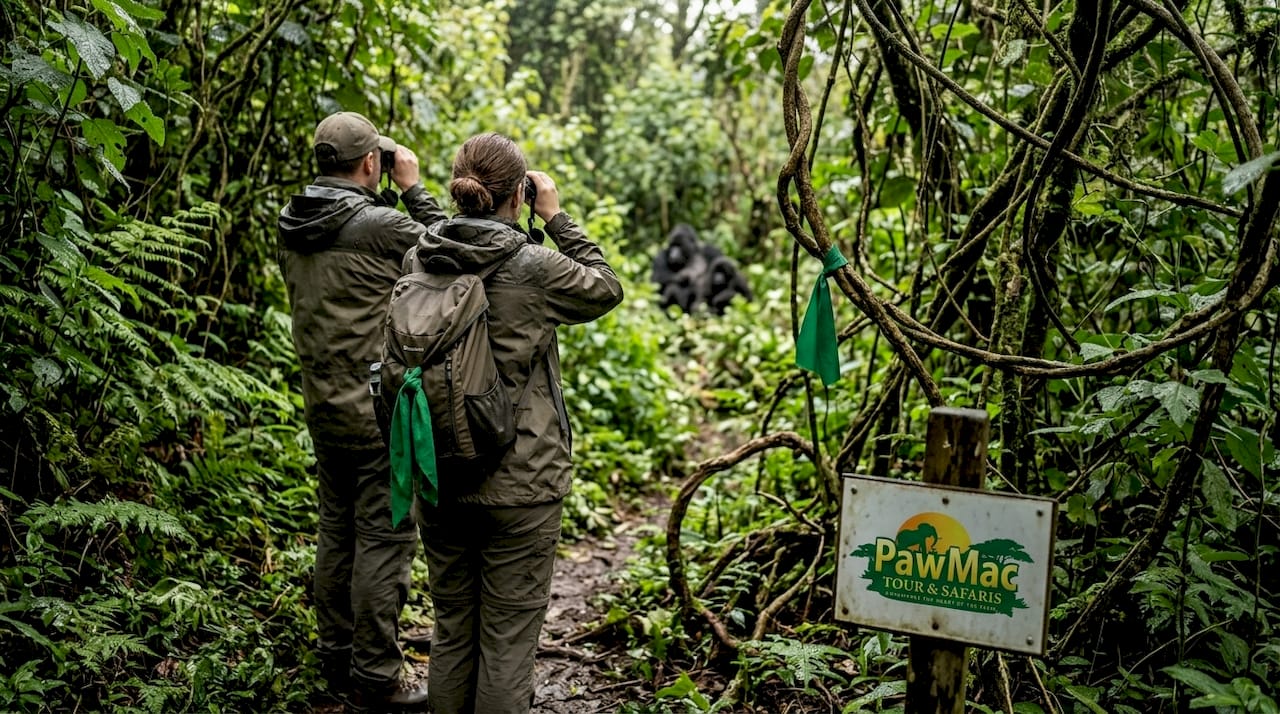
Gorilla trekking in Bwindi Impenetrable Forest ranks among the most extraordinary wildlife experiences on the planet. Bwindi is home to roughly half of the world’s remaining mountain gorilla population, and every trek takes you on foot through dense forest to spend one permitted hour with a habituated gorilla family. The gorilla trekking permit costs $800 USD per person, reflecting the premium conservation infrastructure that protects these critically endangered primates. That cost funds anti-poaching patrols, community programs, and habitat preservation. Many travelers describe the moment they lock eyes with a silverback as one of the most profound experiences of their lives. You can explore the full range of Uganda safari destinations to understand how Bwindi fits within a broader itinerary.

Plan Your Uganda Safari with Local Experts
 WhatsApp Us
Tree-climbing lions in Ishasha, Queen Elizabeth National Park attract travelers who have seen lions on dozens of African safaris but never witnessed this specific behavior. The Ishasha sector’s lions have developed a documented habit of resting in the broad canopy of ancient fig trees, a behavior scientists believe developed partly to escape ground-level insects and gain elevated vantage points. Sightings are genuine, not staged, and finding a pride stretched across branches twelve feet above the ground is a genuinely surreal experience.
Chimpanzee and primate tracking in Kyambura Gorge and Kibale Forest offers a different kind of immersion. Kibale Forest National Park holds one of East Africa’s highest densities of primates, with thirteen species including chimpanzees, red colobus monkeys, and L’Hoest’s monkeys sharing the canopy. Kyambura Gorge, sometimes called the “Valley of Apes,” creates a dramatic setting where habituated chimpanzee communities move through a forested rift. Quiet game viewing opportunities in Kyambura during the right seasons mean you may track chimpanzees with only your small group and a ranger.
Shoebill stork spotting at Mabamba Swamp stands in a category of its own. The shoebill is a prehistoric-looking wading bird that can reach five feet in height, with a distinctive shoe-shaped bill designed for hunting lungfish in papyrus swamps. Mabamba, located near the northern shore of Lake Victoria, offers canoe-based excursions through papyrus channels at dawn. Paddling silently through papyrus mist toward a motionless shoebill is genuinely otherworldly.
Murchison Falls boat cruises along the Nile provide low-traffic wildlife viewing that combines hippos, Nile crocodiles, elephants coming to drink, and hundreds of bird species along forested banks. The dramatic backdrop of Murchison Falls itself, where the Nile forces through a seven-meter gap in the rocks, adds visual spectacle to every cruise. You can review safari lodge recommendations near Murchison to plan your base.
Additional unique encounters worth highlighting:
- Night drives in Ziwa Rhino Sanctuary and Queen Elizabeth: Spotting nocturnal species like genets, African civets, and bushbabies adds a completely different sensory dimension.
- Walking safaris in Kidepo Valley National Park: One of Africa’s most remote parks offers foot-based game viewing in semi-arid savannah with minimal tourist infrastructure.
- Wetland birding safaris: Uganda’s 1,000-plus bird species make it a world-class birding destination. Targeting specific wetland zones delivers life-list birds unavailable elsewhere in East Africa.
Pro Tip: If you want a taste of luxury Uganda safaris alongside immersive wildlife encounters, pair Bwindi gorilla trekking with a night or two in a high-end forest lodge that offers guided nature walks and community visits.
Comparison table: Uganda’s unique tours at a glance
To help you weigh your options, compare these tours side by side in the table below.
| Tour location | Key species | Best season | Crowd level | Activity style |
|---|---|---|---|---|
| Bwindi Impenetrable Forest | Mountain gorillas | Jun–Sep, Dec–Feb | Low (permit-controlled) | On-foot tracking |
| Ishasha, Queen Elizabeth NP | Tree-climbing lions | Jun–Sep | Low to moderate | Game drive |
| Kyambura Gorge | Chimpanzees, primates | Dec–Feb | Very low | On-foot tracking |
| Kibale Forest | Chimpanzees, 13 primate species | Jun–Sep | Low to moderate | Guided walk |
| Mabamba Swamp | Shoebill stork, water birds | Nov–Apr | Very low | Canoe excursion |
| Murchison Falls | Hippos, elephants, Nile crocs | Jan–Mar, Jun–Aug | Low | Boat cruise, drive |
| Kidepo Valley NP | Lions, giraffes, elephants | Jun–Sep | Extremely low | Walking safari, drive |
As noted in one 2026 travel account, travelers reported no other safari vehicles across Kyambura and Murchison Falls during their visit, reinforcing that route and timing choices directly determine your solitude level. The best timing for unique tours is one of the most important variables you can control before you travel.
How to choose the best tour for your adventure style
Once you’ve compared the options, here’s how to select the tour that best matches your adventure style and priorities.
Choosing the right Uganda wildlife tour comes down to five practical steps:
-
Identify your must-see species. If mountain gorillas are non-negotiable, Bwindi and Mgahinga are your anchors. If you want chimpanzees and shoebills in the same trip, combine Kibale Forest with Mabamba Swamp and build your routing from there.
-
Assess your physical comfort level. Gorilla trekking can involve four to eight hours of hiking on steep, wet terrain. Walking safaris in Kidepo demand moderate fitness. Boat cruises and canoe excursions suit travelers of almost any physical ability. Be honest about what you can comfortably manage.
-
Prioritize low-crowd routes and timing. Uganda’s crowd levels vary significantly by season and route. Choosing shoulder season dates or less-visited park sectors significantly increases your chances of unscripted, immersive encounters.
-
Seek operators with locally embedded expertise. Guides who grew up near the parks, who know individual animal personalities, and who maintain relationships with Uganda Wildlife Authority rangers offer insights no generic operator can match. Look for explicit references to ranger-led briefings, habituation experience participation, and community partnerships.
-
Insist on flexible, adaptable itineraries. Wildlife doesn’t follow schedules. The best tours build buffer time for spontaneous sightings and allow guides to extend time at exceptional encounters. Understanding best timing for Uganda safaris helps you align your itinerary with realistic wildlife activity windows.
Pro Tip: When comparing operators, ask them directly: “How do you handle an itinerary adjustment when wildlife behavior requires it?” A confident, experienced operator will have a clear, enthusiastic answer. An operator who struggles to respond may not offer the flexibility you need.
Another smart move is reviewing how to select luxury safari camps that align with your priorities, since your lodge base often determines which routes and activities are logistically accessible each day.
Why the best Ugandan wildlife experiences come from going off-script
Having weighed how to select your ideal tour, let’s reframe what truly makes a Ugandan wildlife experience unforgettable.
The travel industry tends to reward checklists. Five Big Five species. Four parks. Three days. There’s a quiet pressure to maximize the number of verified sightings rather than the depth of any single encounter. But the travelers who return from Uganda most transformed are almost never the ones who saw the most animals. They’re the ones who sat quietly in the gorilla forest for a full hour while a young juvenile studied their face with unmistakable curiosity.
Immersion, not inventory, is what makes a safari stay with you. And Uganda’s geography is uniquely positioned to deliver it. The parks are not overrun. The ecosystems are genuinely wild. The rangers carry deep cultural knowledge alongside their wildlife expertise. None of that is accidental. It’s the result of Uganda’s investment in permit-controlled access, community conservation programs, and a tourism model that values quality over volume.
Our perspective at PawMac Safaris is that operators who explicitly explain encounter mechanics to their clients, covering briefing formats, on-foot versus vehicle expectations, and how guides read animal behavior, consistently deliver richer outcomes for travelers. That transparency signals that the operator thinks seriously about immersion, not just logistics.
The uncomfortable truth is that many travelers spend thousands of dollars on a safari and leave without ever pausing long enough for wildlife to stop noticing them. The gorillas will sit near you. The chimpanzees will look you in the eye. The shoebill will hold perfectly still while your canoe drifts within meters. But only if your itinerary allows for the quality of stillness that genuine encounters require. Explore Uganda safari insights to understand how that stillness gets built into the best itineraries.
Ready to design your unique Uganda wildlife adventure?
If personalized adventure and rare encounters excite you, it’s time to design your journey.
PawMac Safaris specializes in building exactly the kind of immersive, low-crowd, ranger-led experiences this article describes. Every itinerary we craft is rooted in deep local knowledge and a genuine commitment to ethical wildlife tourism.
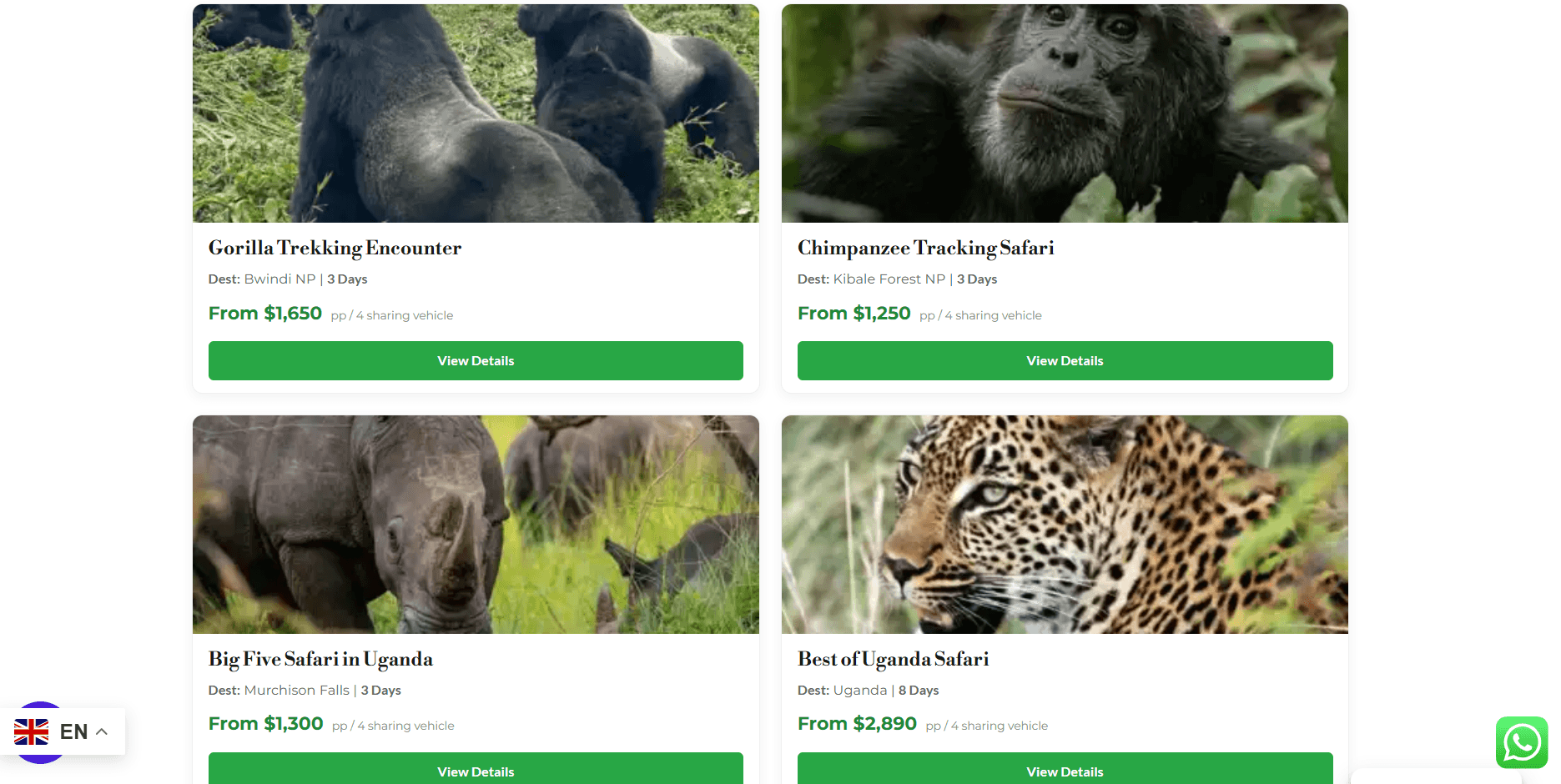
Whether you want to stand face-to-face with a mountain gorilla family in Bwindi, watch tree-climbing lions at sunset in Ishasha, or paddle silently toward a shoebill at dawn, we know where to find these extraordinary moments. Browse our Uganda wildlife tours to see itinerary ideas, or explore the full range of Uganda safari options by park and activity. Ready to make the gorilla trek the centerpiece of your trip? Discover everything about our gorilla trekking experiences and get in touch with our team to start designing your custom itinerary today.
Frequently asked questions
Are Uganda wildlife tours less crowded than in other destinations?
Yes, many Uganda tours, especially in conservation areas and outside peak routes, see very few other vehicles. One 2026 travel account reports no other safari vehicles encountered across Kyambura and Murchison Falls, confirming the exceptional solitude available to well-planned travelers.
What rare species can I encounter on unique Uganda tours?
Travelers can spot mountain gorillas, tree-climbing lions, chimpanzees, shoebill storks, and over 1,000 bird species, depending on the ecosystem and activity style chosen.
How does season affect my chances for unique wildlife sightings in Uganda?
Seasonality and route selection significantly affect both crowd levels and wildlife encounter quality. Choosing shoulder or off-peak timing often delivers more immersive and uncrowded experiences across Uganda’s major parks.
Can I customize my wildlife tour in Uganda for a more immersive experience?
Yes. Operators like PawMac Safaris offer fully flexible itineraries, private guiding options, and personalized activity combinations designed to maximize immersion and match your specific interests and fitness level.
Recommended
- Wildlife photography tours Uganda 2026: permits & gear guide
- African wildlife photography tour guide Uganda safaris 2026
- Wildlife Photography Safaris: The Essential Uganda Guide
- Bird Watching Safari in Uganda: Explore Avian Wonders with PawMac