


- 100 Views
- 13 Min Read
- (0) Comment
TL;DR:
- Uganda offers unique wildlife experiences within a compact landscape, including mountain gorillas, chimpanzees, and Big Five species.
- A 14-day tour emphasizes responsible tourism by supporting conservation efforts, local communities, and immersive ecosystem exploration.
Uganda stops travelers in their tracks. It is the only country on earth where you can track mountain gorillas through mist-shrouded rainforests, watch tree-climbing lions in the afternoon, and drift past hippos and elephants on the Kazinga Channel all within a single trip. Yet planning a 14 day Uganda tour that delivers genuine wildlife encounters AND leaves a positive mark on conservation and local communities is genuinely complex. This guide walks you through every stage, from securing gorilla permits months in advance to verifying your operator’s real-world impact, so you can travel with confidence, curiosity, and a clear conscience.
Table of Contents
- What makes the Pearl of Africa unique for wildlife and gorilla tours?
- Essential preparations: Permits, packing, and planning for your adventure
- Step-by-step: 14 day Pearl of Africa tour itinerary and daily highlights
- Making your journey matter: Sustainability, conservation, and local community impact
- Why a 14 day Uganda tour is the gold standard for ethical safari travel
- Book your ethical 14 day Pearl of Africa adventure
- Frequently asked questions
Key Takeaways
| Point | Details |
|---|---|
| Choose ethical operators | Request documentation of conservation and community support for your tour. |
| Book permits early | Secure gorilla and wildlife permits several months in advance for best availability. |
| Follow a diverse itinerary | A well-planned 14 day tour showcases Uganda’s top wildlife, culture, and conservation sites. |
| Prioritize local impact | Select tours and experiences that directly benefit local people and preserve habitats. |
| Commit to responsible travel | Practice sustainability—leave a positive mark on Uganda’s wildlife and communities. |
What makes the Pearl of Africa unique for wildlife and gorilla tours?
Uganda earns its nickname with striking consistency. No other destination in East Africa concentrates so many rare and flagship species within such a compact geography. You can move from tropical rainforest to open savanna to volcanic highland in a matter of hours, and each ecosystem hosts a completely different cast of wildlife.
The country protects roughly half of the world’s remaining mountain gorillas, shelters 1,100 bird species (more than the entire North American continent), and hosts the Big Five. For travelers exploring ethical safari destinations, Uganda consistently rises to the top because conservation and community benefit are baked into the country’s tourism model, not bolted on as an afterthought.
Key wildlife highlights you will encounter on a 14 day tour:
- Mountain gorilla trekking in Bwindi Impenetrable Forest or Mgahinga Gorilla National Park
- Chimpanzee habituation in Kibale National Park, home to East Africa’s largest chimp population
- Big game safaris in Queen Elizabeth National Park, including the famous tree-climbing lions of Ishasha
- Nile River experiences at Murchison Falls National Park, the world’s most powerful waterfall by flow volume
- Birding across the entire route, with rare species like the African Green Broadbill and Shoebill Stork
A well-constructed 14 day itinerary typically covers four to five national parks, integrating community village visits, conservation center stops, and cultural experiences between game drives and treks.
| National park | Signature experience | Ecosystem |
|---|---|---|
| Bwindi Impenetrable Forest | Mountain gorilla trekking | Afromontane rainforest |
| Queen Elizabeth National Park | Big Five game drives, boat safaris | Savanna and wetland |
| Murchison Falls | Nile River cruise, lion tracking | Savanna and river valley |
| Kibale National Park | Chimpanzee trekking | Tropical rainforest |
| Mgahinga Gorilla National Park | Golden monkey trekking | Volcanic highland |
Conservation impact documentation is now an ethical benchmark that discerning travelers apply when choosing African safari destinations. Uganda leads among its neighbors because permit revenue flows directly into Uganda Wildlife Authority budgets, funding ranger salaries, anti-poaching patrols, and habitat protection for critically endangered primates. When you choose Uganda, your tourism dollars work harder than almost anywhere else in Africa.
Essential preparations: Permits, packing, and planning for your adventure
Now that you know what makes Uganda extraordinary, let’s get into the nuts and bolts of getting ready for the journey. Proper preparation separates a good safari from an extraordinary one.
Booking gorilla and wildlife permits
Gorilla trekking permits in Uganda currently cost $800 per person per trek. Chimpanzee habituation permits in Kibale run $250. These are not optional add-ons; they are the backbone of your itinerary, and they sell out fast. Understanding the full breakdown of gorilla trekking permits is the first step every traveler should complete before anything else is booked. Aim to secure permits at least six to eight months before travel, especially for peak season dates between June and September and December through February.
Numbered steps for pre-trip preparation:
Plan Your Uganda Safari with Local Experts
 WhatsApp Us
- Confirm your travel dates and research the dry season windows for optimal game viewing and trekking conditions.
- Book gorilla trekking permits through a licensed Ugandan tour operator or directly via the Uganda Wildlife Authority.
- Choose your tour operator carefully, verifying that they hold active membership with the Association of Uganda Tour Operators (AUTO) and can show verified proof of community and conservation contributions.
- Arrange yellow fever vaccination and consult your doctor about malaria prophylaxis. Both are essential for Uganda entry.
- Apply for a Uganda e-visa at least four weeks in advance to avoid last-minute complications.
- Pack for multiple climates, since temperatures range from cool highland mornings at Bwindi to hot savanna afternoons at Murchison Falls.
| Packing category | Essential items | Why it matters |
|---|---|---|
| Trekking gear | Waterproof hiking boots, long pants, gloves | Dense undergrowth on gorilla treks |
| Clothing layers | Light fleece, moisture-wicking shirts | Temperature swings between parks |
| Health and safety | Malaria medication, insect repellent, sunscreen | Tropical and highland environments |
| Photography | Telephoto lens, spare batteries, dry bag | Long distances and humid conditions |
| Conservation etiquette | Reusable water bottle, biodegradable toiletries | Reducing plastic waste in protected areas |
Verified traveler reviews now ask tour operators about real conservation impact, not just marketing language. When you evaluate operators during your Uganda safari planning, request tangible evidence: receipts or records showing community payments, conservation fund contributions, or partnerships with recognized NGOs.
Pro Tip: Ask your tour operator to name the specific gorilla family you will trek and the local community project your visit supports. Operators who can answer immediately have nothing to hide. Those who deflect with vague language about “giving back” probably lack real accountability structures.
Step-by-step: 14 day Pearl of Africa tour itinerary and daily highlights
With your paperwork sorted and bags packed, here is how your adventure unfolds, day by day, region by region.
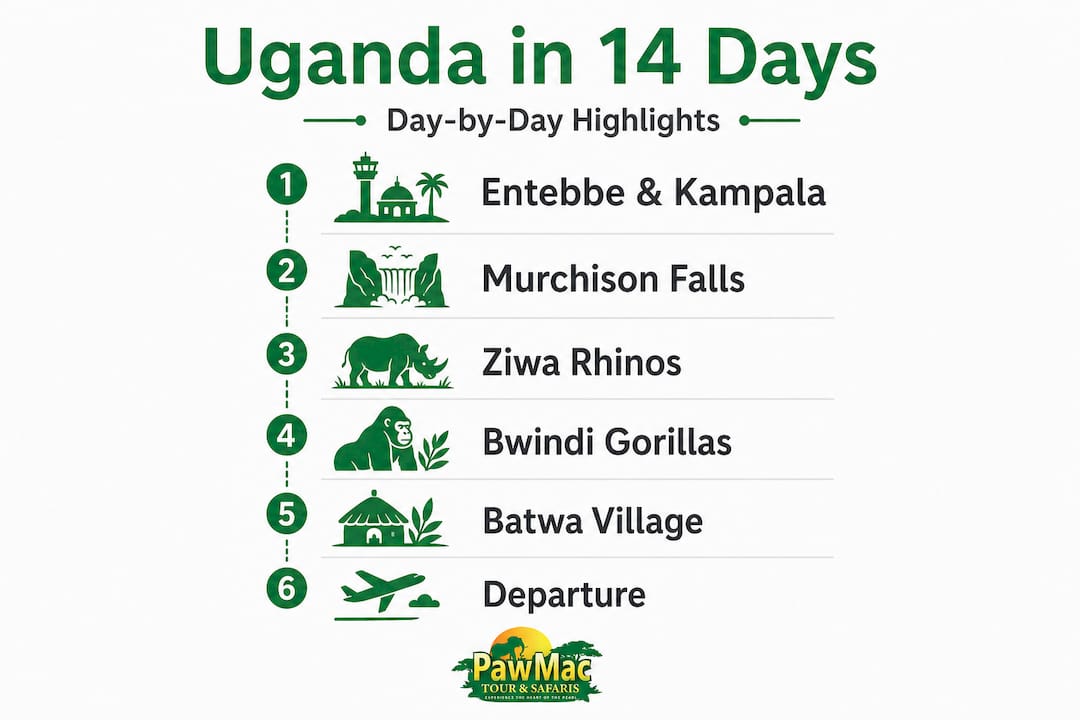
Days 1 to 2: Entebbe and Kampala
Arrive in Entebbe, visit the Uganda Wildlife Education Center, and explore Kampala’s vibrant markets and Kasubi Tombs. This cultural grounding gives meaningful context to the wildlife experiences ahead.
Days 3 to 4: Murchison Falls National Park
Drive north or fly by charter. Spend two full days on game drives and the essential Nile River boat cruise to the base of Murchison Falls. Lions, elephants, giraffes, and hippos are consistent sightings. Early morning drives produce the best predator activity.
Day 5: Ziwa Rhino Sanctuary
Stop at Ziwa on the return journey south. Uganda’s only wild white rhinos live here, and a guided walk places you within meters of these remarkable animals, an experience not available anywhere else in the country.
Days 6 to 7: Kibale National Park and chimpanzee trekking
Settle into the forest lodges around Kibale and dedicate a full morning to chimpanzee trekking. Afternoon options include the Bigodi Wetland Sanctuary community walk, which supports local conservation and generates direct income for surrounding villages.
Days 8 to 9: Queen Elizabeth National Park
Game drives through the Kasenyi plains deliver lions, leopards, buffalo, and Uganda kob. The afternoon boat cruise along the Kazinga Channel is one of the most productive wildlife viewing experiences in Africa. On day 9, drive south to Ishasha for an evening dedicated to spotting the legendary tree-climbing lions.
“Responsible travel reviews check for local and environmental benefit as part of their verification process.” This standard is exactly why choosing certified operators who integrate community visits into itineraries matters so profoundly.
Days 10 to 11: Transfer to Bwindi Impenetrable Forest
The drive through the Kigezi highlands is spectacular. Terraced hills, banana plantations, and mountain views fill every window. Spend the afternoon preparing for the gorilla trek, attending a briefing with your guide, and resting.
Day 12: Gorilla trekking day
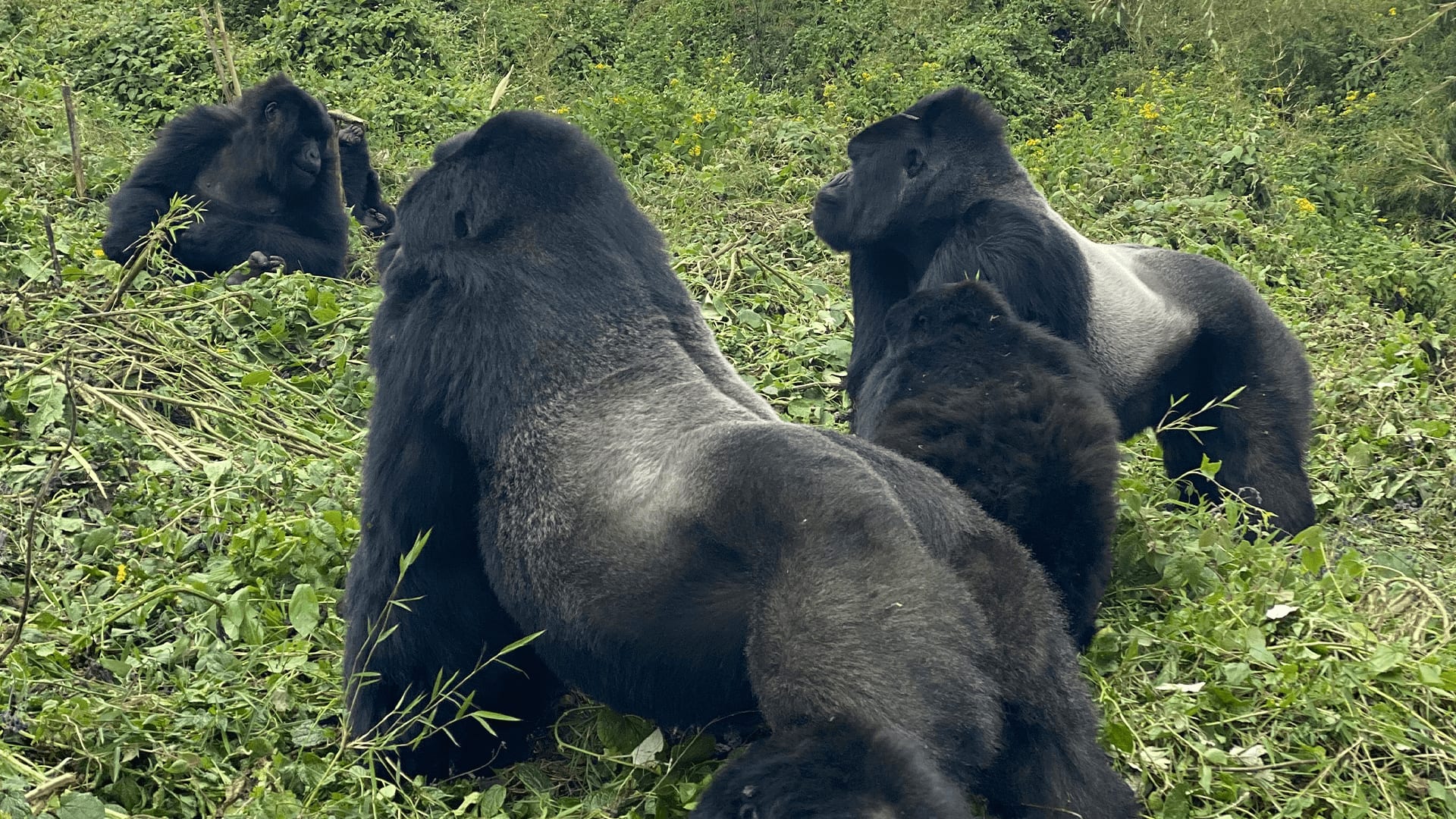
This is the day that changes people. You will hike through ancient rainforest, guided by a team that includes trackers, rangers, and a lead naturalist. When you find a habituated gorilla family, you have exactly one hour with them. That hour, watching a silverback rest, juveniles play, and mothers nurse their young, justifies every hour of preparation. The advantages of guided safaris are most visible on days like this, when expert local guides interpret animal behavior and keep both guests and gorillas safe.
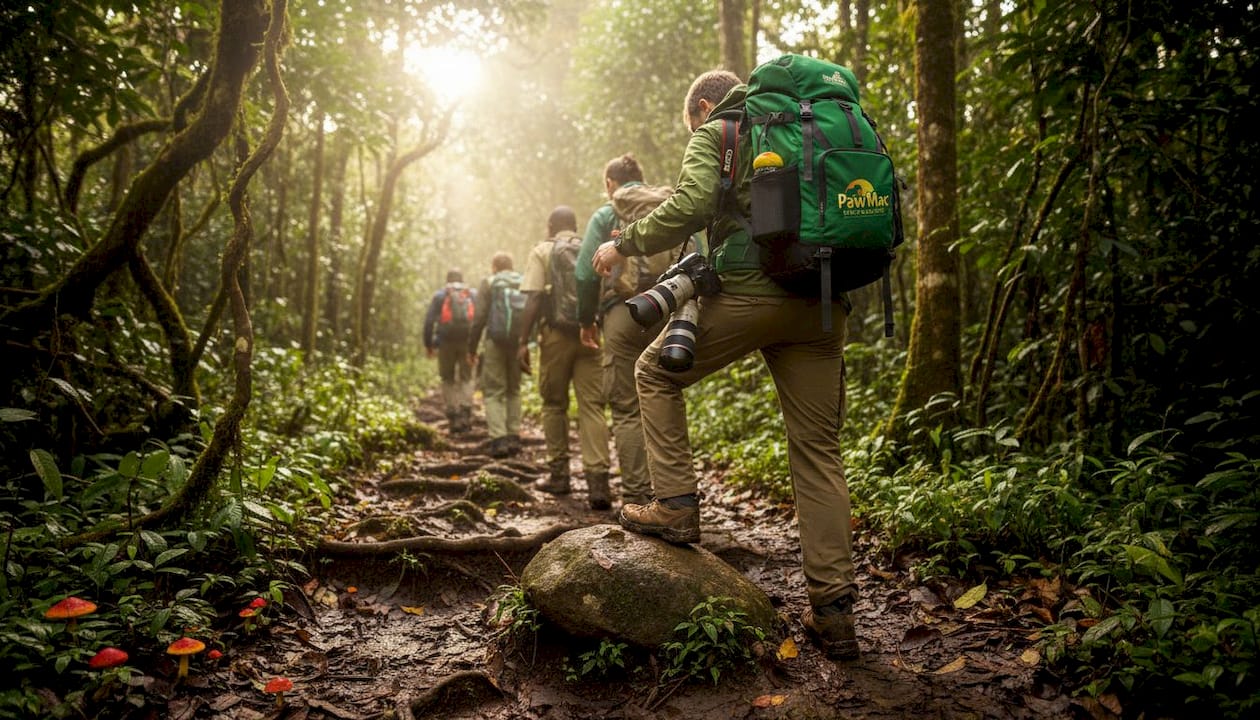
Day 13: Cultural immersion and departure preparation
Visit a Batwa community near Bwindi, attend a traditional performance, and participate in a forest walk guided by indigenous community members. This experience connects you directly to the human side of conservation, acknowledging that protecting gorillas means supporting the people who share their landscape.
Day 14: Return to Entebbe and departure
Drive or fly back to Entebbe, with a final stop at the lakeshore. Reflect on fourteen days that covered over 1,500 kilometers, five ecosystems, and encounters with some of the rarest animals on the planet.
Pro Tip: Schedule your gorilla trekking for day 12 rather than day 10 or 11. Your body will be acclimatized to the altitude, your stamina will be higher, and you will appreciate the experience more after several days of building wildlife context.
Making your journey matter: Sustainability, conservation, and local community impact
After seeing where and how your time is spent, let’s look at how your choices as a traveler can ensure real, positive impact throughout the journey.
Every gorilla permit you purchase contributes directly to Uganda Wildlife Authority ranger programs and habitat protection. The broader conservation funding model in Uganda depends on sustained, ethical tourism flows rather than short visits that exhaust local resources and move on. Responsible operators extend that model further by sourcing produce from local farmers, employing community guides, and channeling a percentage of revenue to schools, health clinics, and reforestation programs.
What sustainability looks like in practice on a 14 day Uganda tour:
- Staying at community-owned or conservation-certified lodges that reinvest profits locally
- Eating locally grown food rather than imported products
- Hiring locally trained guides and trackers who earn living wages and career development
- Participating in optional community visits that pay fair participation fees directly to village leaders
- Avoiding single-use plastics throughout the tour, particularly in forest zones
“Travelers should check for verified evidence of conservation and local impact, as per Responsible Travel.”
What documentation to request from your operator:
Ask for written confirmation that your accommodation holds recognized eco-certification (such as Rainforest Alliance or EcoTourism Uganda membership). Ask about the percentage of guides who are local community members. For sustainable safari practices, the best operators publish annual impact reports or share specific project updates with past guests.
A key statistic worth knowing: Uganda Wildlife Authority distributes 20% of all gorilla permit revenue directly to local communities surrounding Bwindi and Mgahinga. On a $800 permit, $160 flows to community development funds. Over a typical 14 day group tour with six guests, that single mechanism channels nearly $1,000 into rural Ugandan communities from trekking alone.
Why a 14 day Uganda tour is the gold standard for ethical safari travel
Here is an honest perspective that most travel content avoids saying plainly: short safaris rarely deliver meaningful outcomes for wildlife, communities, or travelers.
A four or five day trip to Uganda can tick boxes. You might see gorillas. You might photograph a lion. But you will miss the layered understanding that only comes from spending genuine time across multiple ecosystems and community settings. You will not understand why Batwa cultural preservation matters to gorilla conservation until you walk with a Batwa guide through Bwindi. You will not grasp the scale of Murchison Falls until you have watched the light change over it from morning to dusk.
The uncomfortable truth is that fast tourism also concentrates impact. When a steady stream of visitors passes through a single site in short rotations, pressure builds on fragile habitats, local guides burn out, and communities receive fragmented rather than sustained economic support. Longer tours spread that impact more responsibly across sites, operators, and communities. They also tend to generate higher trust between travelers and operators, which produces better feedback loops for conservation accountability.
Travelers who invest in responsible safari advice and choose immersive itineraries consistently report that they leave Uganda as advocates, not just tourists. They donate to conservation funds after they return, they share informed accounts of what ethical travel looks like, and they return for deeper experiences. That cycle is how sustainable tourism actually works, one committed traveler at a time.
The 14 day format also gives wildlife the respect it deserves. Gorillas are not a photo opportunity to be collected. They are endangered primates living in complex social structures inside fragile ecosystems. Spending enough time in Uganda to understand that context transforms how you experience the trek itself.
Book your ethical 14 day Pearl of Africa adventure
Uganda is ready to show you what responsible, immersive wildlife travel genuinely looks like. PawMac Safaris designs every journey around authentic encounters, certified local expertise, and verified conservation outcomes.

Whether you are planning your first gorilla trek or returning for a deeper exploration of Uganda’s landscapes, our team can build a fully customized 14 day itinerary around your travel dates and conservation priorities. Explore our range of Uganda wildlife safaris or browse dedicated Uganda safari tours to compare routes and park combinations. For travelers whose hearts are set on the forests of Bwindi and Mgahinga, our dedicated gorilla trekking experiences page covers everything from permit booking to trekking preparation, all handled by our local expert team.
Frequently asked questions
How difficult is gorilla trekking in Uganda?
Gorilla trekking is moderately challenging, requiring hikes through steep, dense forest that can last anywhere from one to eight hours depending on where the gorilla family is located that day. Most healthy adults with a reasonable fitness level complete the trek successfully with proper footwear and pacing guidance from their ranger team.
What proof should I request to ensure my safari supports conservation?
Ask your operator for written documentation or links to verified traveler reviews that confirm conservation and community impact, as recommended by Responsible Travel. Specific evidence includes community payment receipts, eco-lodge certification, and named NGO partnerships rather than vague marketing claims.
When should I book gorilla and wildlife permits for a 14 day Uganda tour?
Book permits at least six to eight months before your travel dates, and extend that to twelve months if you are traveling during peak season from June to September or December to February. Slots fill quickly because the number of daily trekking permits per gorilla family is strictly limited to protect the animals.
Are 14 day tours more sustainable than shorter safaris?
Longer itineraries distribute visitor spending more broadly across communities, guides, lodges, and park sites, reducing concentrated pressure on any single location. Longer immersive tours consistently show greater verified conservation and community impact than rapid short visits that cycle through high-traffic sites without deeper engagement.
Recommended
- Tailor-Made Uganda Safari 10–25 Days | PawMac Safaris
- African Safari Destinations | PawMac Safaris
- Top 4 Kenya safaris tours 2026
- 15 Days Ultimate Uganda Safari | PawMac Safaris


