


- 147 Views
- 10 Min Read
- (0) Comment
TL;DR:
- Permits sell out months in advance, so early booking is essential.
- Gorilla trekking requires meeting strict age, health, and park regulations.
- Planning logistics, accommodations, and ethical travel choices enhances the experience.
Standing face-to-face with a mountain gorilla in Uganda’s mist-shrouded rainforest is a bucket-list moment unlike anything else on Earth. But getting there takes more than booking a flight. Only 8 people per habituated gorilla family are permitted each day, which means permits sell out months in advance. Skipping the right steps, or trusting the wrong operator, can cost you the experience entirely. This guide walks you through every stage of the process, from choosing your destination to standing in the forest, so you can plan with confidence and trek responsibly.
Table of Contents
- Understand requirements and choose your trekking destination
- Acquire your gorilla trekking permit
- Plan your logistics: travel, accommodation, and gear
- What to expect on trek day and ethical guidelines
- Why most gorilla trekking guides miss the point
- Book your complete Uganda gorilla trekking adventure
- Frequently asked questions
Key Takeaways
| Point | Details |
|---|---|
| Secure permits early | Permits are limited and sell out months ahead, so book as soon as possible for your preferred dates. |
| Choose your region wisely | Bwindi and Mgahinga offer unique trekking experiences with different logistics and crowd levels. |
| Use trusted providers | Select reputable tour operators or Uganda Wildlife Authority channels to avoid scams and booking issues. |
| Pack for jungle conditions | Proper gear, health precautions, and respect for the forest are vital for a safe and responsible trek. |
| Respect conservation rules | Follow all guidelines to help protect gorillas and local communities for future generations. |
Understand requirements and choose your trekking destination
Before anything else, you need to know where you’re going and what the rules are. Uganda’s gorilla trekking regions each carry specific entry requirements and logistics that shape your entire trip. Getting this foundation right makes every step that follows much easier.
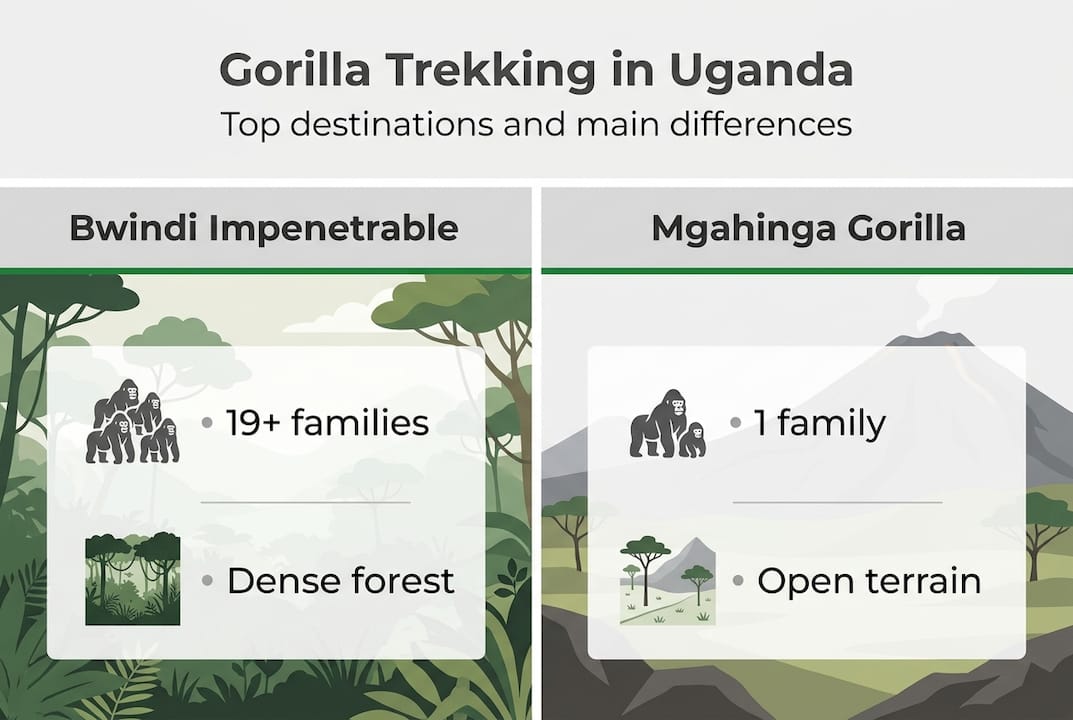
Uganda has two primary trekking destinations: Bwindi Impenetrable National Park and Mgahinga Gorilla National Park. Bwindi is the larger and more established option, home to over half the world’s remaining mountain gorillas and multiple habituated families spread across four sectors: Buhoma, Ruhija, Rushaga, and Nkuringo. Mgahinga sits in the Virunga Volcano range and offers a more remote, quieter experience with fewer visitors. Understanding why Uganda leads for gorilla trekking helps you appreciate the country’s unique conservation advantages over neighboring Rwanda and the Democratic Republic of Congo.
| Feature | Bwindi Impenetrable NP | Mgahinga Gorilla NP |
|---|---|---|
| Habituated families | 19+ families | 1 family (Nyakagezi) |
| Permit availability | Higher, more options | Limited, books fast |
| Crowd levels | Moderate | Very low |
| Nearest town | Buhoma / Kisoro | Kisoro |
| Terrain | Dense forest, steep | Volcanic slopes |
| Best for | First-timers, variety | Off-the-beaten-path |
Pro Tip: Prioritize Bwindi if this is your first gorilla trek. The higher number of habituated families means more permit slots and greater scheduling flexibility. Choose Mgahinga if you want a quieter, more exclusive atmosphere and are comfortable with limited backup options.
Every trekker must meet these baseline requirements before setting foot in the park:
- Minimum age of 15 years (strictly enforced for conservation and safety)
- Valid gorilla trekking permit (purchased in advance)
- Passport or valid travel ID
- Proof of yellow fever vaccination (required for entry into Uganda)
- Physical fitness for moderate to strenuous hiking
- Compliance with park rules: no flash photography, maintain a 7-meter distance from gorillas, no trekking if you have a cold or illness
Meeting these requirements isn’t just bureaucratic. It protects the gorillas, who are highly susceptible to human respiratory illnesses, and ensures a safe experience for every trekker in your group.
Acquire your gorilla trekking permit
Now that you know where to go, the next critical move is securing your permit before slots disappear. This is the single most time-sensitive step in the entire planning process, and it’s where most travelers make costly mistakes.
Gorilla trekking permits cost $800 for foreign non-residents in 2026. That fee is set by the Uganda Wildlife Authority (UWA) and covers your one-hour gorilla encounter, ranger guidance, and direct contribution to conservation and local community programs. It does not typically include transport, accommodation, or porter fees.
Here’s how to secure your permit correctly:
Plan Your Uganda Safari with Local Experts
 WhatsApp Us
- Choose your trek date and sector. Decide on your preferred month and Bwindi sector (or Mgahinga) before contacting anyone. Peak season runs June through September.
- Contact a licensed operator or UWA directly. You can book through the UWA Kampala office, but most international travelers find it far easier to use a reputable tour operator like PawMac Safaris, who handles the UWA transaction on your behalf.
- Pay a deposit to hold your permit. Operators typically require a deposit of 30 to 50 percent upfront to reserve your slot. Full payment is usually required 60 to 90 days before the trek date.
- Receive UWA permit confirmation. Once payment clears, UWA issues an official permit confirmation. Your operator should provide you with a copy.
- Verify permit details. Double-check the date, sector, and name spelling. Errors must be corrected well in advance.
Review the full permit cost and booking guide to understand exactly what your $800 covers and what additional fees to budget for. You should also explore discounted permit options available during the low season (April, May, and November), when UWA occasionally offers reduced rates for East African residents and select packages.
Pro Tip: Book 6 to 12 months ahead for peak season travel. Permits for June through September regularly sell out. Even low season dates can disappear quickly for popular sectors like Buhoma and Rushaga.
Plan your logistics: travel, accommodation, and gear
With your permit secured, attention shifts to the practical details that determine how smooth your overall experience will be. Travel to Uganda’s gorilla parks from Kampala or Entebbe takes planning, but the options are solid.
Organized tours that bundle transportation, lodging, and park fees remove most of the logistical stress for international visitors. You can also arrange these components independently, though it requires more coordination. Road transfers from Kampala to Bwindi take roughly 8 to 10 hours. Charter flights to Kihihi or Kisoro airstrips cut that to about 1 hour and are worth considering if your budget allows.
| Accommodation type | Cost range (per night) | Best for |
|---|---|---|
| Luxury forest lodge | $300 to $800+ | High-end travelers |
| Mid-range guesthouse | $80 to $200 | Comfort seekers |
| Budget bandas/camping | $20 to $60 | Budget travelers |
For gear, pack smart and pack light. Trekking can last anywhere from 1 to 8 hours depending on where the gorilla family is located that day.
- Sturdy waterproof hiking boots (already broken in)
- Rain jacket and waterproof pants
- Gardening or thick gloves for gripping vegetation
- Long-sleeved shirt and long pants (neutral colors)
- Insect repellent and sunscreen
- Small daypack with 2 liters of water and snacks
- Camera without flash
On the health side, confirm your vaccinations are current, including yellow fever, typhoid, and hepatitis A. Take antimalarial medication as prescribed by your doctor before departure. Review the full gorilla trek preparation checklist and consult the Uganda safari logistics guide for transport and park entry details.
“The forest doesn’t operate on a schedule. Dress for rain, pack for mud, and let your ranger lead. Respecting the environment and the guidelines isn’t just courtesy — it’s what keeps both trekkers and gorillas safe.” — PawMac Safaris field team
What to expect on trek day and ethical guidelines
You’ve done the planning. Now comes the part that makes it all worthwhile. Trek day is structured, guided, and genuinely awe-inspiring, but knowing what to expect helps you stay calm and present.
Here’s a typical timeline:
- 6:30 to 7:00 AM: Arrive at the park headquarters for registration and a pre-trek briefing from UWA rangers.
- 7:30 AM: Groups are assigned to specific gorilla families based on fitness level and preference.
- 8:00 AM: Trek begins into the forest. Rangers use radio contact with trackers who have been monitoring the gorilla family since dawn.
- Variable duration: Trekking time ranges from 1 to 8 hours depending on where the family has moved overnight.
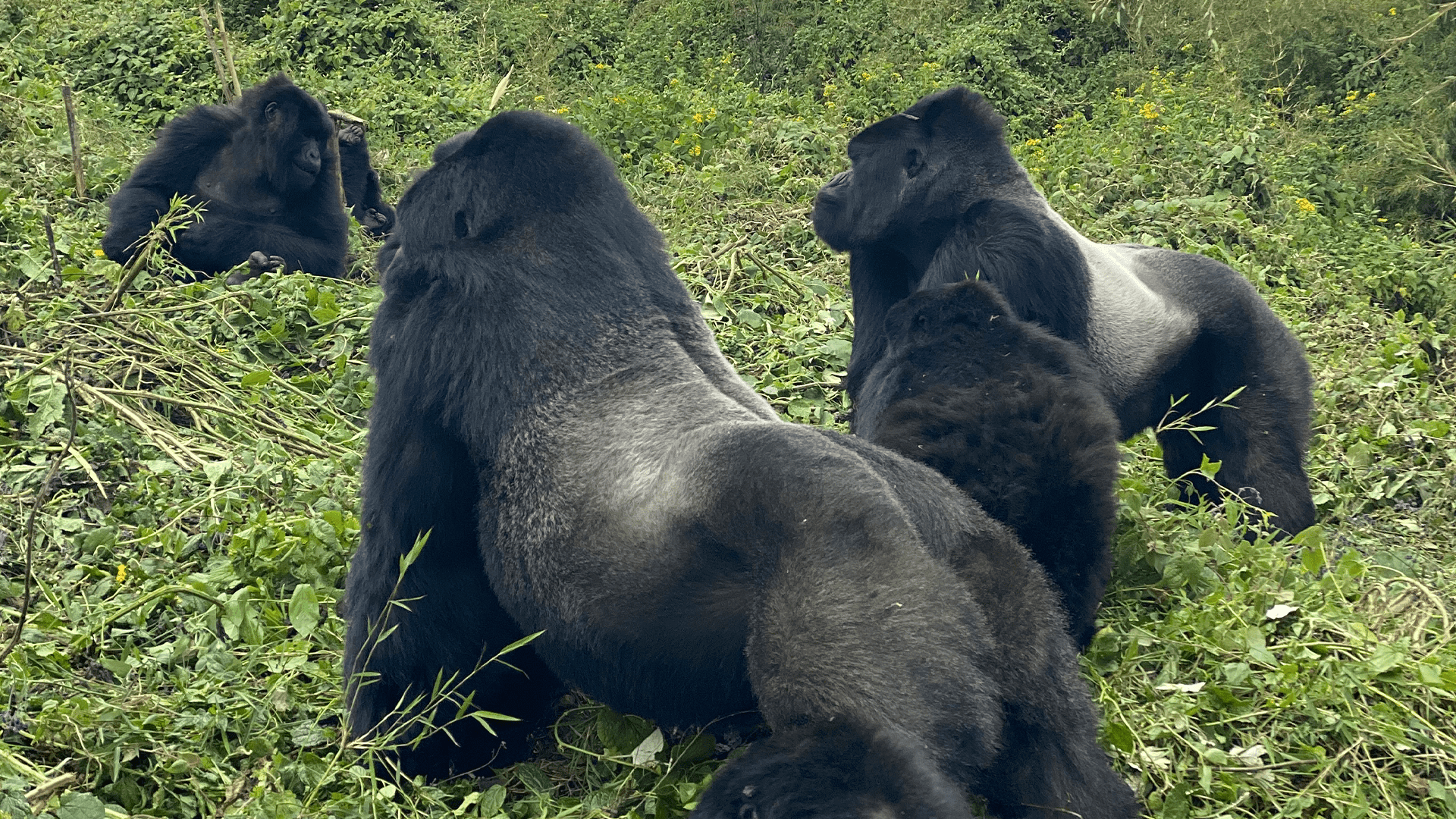
- Gorilla encounter: Once located, you spend exactly 60 minutes with the family. No exceptions.
- Return trek: You hike back to the starting point, often via a different route.
- Certificate presentation: Rangers present each trekker with a certificate of completion.
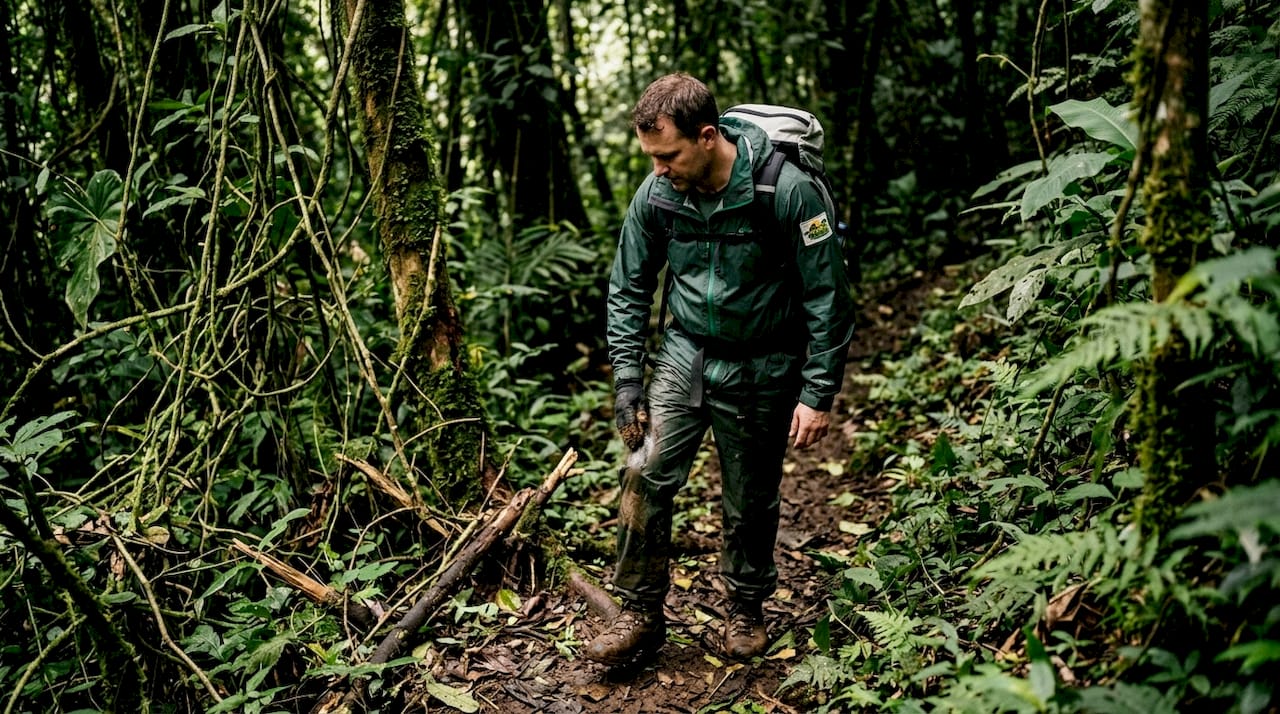
The physical demand is real. Terrain in Bwindi is steep, muddy, and dense. Most trekkers of moderate fitness manage well, but hiring a porter is recommended for carrying your bag and providing physical support on difficult sections.
Strict trekking etiquette applies throughout: maintain a 7-meter distance, avoid direct eye contact with silverbacks, no flash photography, and follow ranger instructions without question. These rules exist to protect both you and the gorillas.
Pro Tip: Stay well hydrated before and during the trek. Carry energy snacks like nuts or granola bars. Leave unnecessary gear at your lodge to keep your pack as light as possible.
Why most gorilla trekking guides miss the point
Every checklist tells you what to pack and when to book. Very few tell you what the experience actually demands of you as a traveler.
The truth is, no two gorilla treks are the same. The forest changes daily. A family that was 45 minutes away yesterday might take 6 hours to reach today. Weather shifts without warning. Group pace varies. Flexibility isn’t just a nice quality to have; it’s essential. Travelers who arrive expecting a predictable wildlife show often leave frustrated. Travelers who arrive open to the forest’s rhythm leave transformed.
The emotional weight of seeing a mountain gorilla is also rarely discussed. Many trekkers describe feeling unexpectedly emotional, even tearful, during the encounter. That reaction is valid and common. These animals share 98.3% of human DNA, and the connection you feel in that 60 minutes is unlike anything a screen can prepare you for.
Your choices also carry real conservation weight. Permit fees fund anti-poaching patrols, ranger salaries, and community development. Booking through ethical operators amplifies that impact. The in-depth gorilla trekking guide covers this conservation dimension in detail. Approach this trek not as a box to check, but as a responsibility you’ve chosen to take seriously.
Book your complete Uganda gorilla trekking adventure
Ready to turn this knowledge into an unforgettable journey? PawMac Safaris specializes in fully customized gorilla trekking packages that handle every detail, from permit acquisition to forest-edge lodges and private transfers.

Our team secures real-time permit availability directly through UWA, builds itineraries around your travel dates, and pairs you with experienced Ugandan guides who know Bwindi and Mgahinga intimately. Browse our gorilla trekking tours to see current packages, or explore the full range of Uganda wildlife tours for multi-park options. For a broader look at what Uganda offers, visit our Uganda safari experiences page and connect with our team for a personalized quote.
Frequently asked questions
When is the best time to book gorilla trekking in Uganda?
Book 6 to 12 months early, especially for peak season months from June to September, when permits sell out fastest across all Bwindi sectors.
What are the top mistakes travelers make when booking gorilla trekking?
The most common errors are waiting too long to secure permits, using unverified operators, and underestimating park rules. Working with reputable operators and booking early prevents most of these issues.
What should I pack for gorilla trekking in Uganda?
Bring waterproof hiking boots, a rain jacket, thick gloves, insect repellent, and a light daypack with water and snacks. Essential gear makes the trek safer and significantly more comfortable.
Are there age or health restrictions for gorilla trekking?
Trekkers must be at least 15 years old and in reasonable physical condition, as trails can be steep and demanding. Minimum age requirements are enforced strictly for both conservation and safety reasons.
Recommended
- Prepare for Gorilla Trekking in Uganda (2026) Checklist
- Gorilla Trekking Permit Uganda: Cost & Booking (2026)
- Gorilla Trekking in Uganda: Cost, Permits & Tours 2026
- Uganda Safari Guide: Gorilla Trekking, Wildlife & Planning


