

- 42 Views
- 10 Min Read
- (0) Comment
TL;DR:
- Gorilla trekking in Uganda is accessible with proper planning and reputable local operators.
- Bwindi has four sectors with varying difficulty levels and unique wildlife experiences.
- Booking permits early and choosing the right sector enhances your overall gorilla trekking experience.
Gorilla trekking in Uganda is often assumed to be the exclusive domain of seasoned adventurers with unlimited budgets. That assumption is wrong. With the right preparation and a trusted local operator, trekking through Bwindi Impenetrable National Park to sit within meters of a habituated gorilla family is genuinely within reach for most international travelers. Bwindi hosts around 400 gorillas across more than 20 families, making it the world’s most significant gorilla conservation site. The challenge for first-time trekkers isn’t the forest itself. It’s navigating permits, sector choices, and logistics without a clear, honest guide. This article gives you exactly that.
Table of Contents
- Understanding Bwindi: Sectors, permits, and what to expect
- Physical requirements, trek duration, and practical challenges
- Package options, pricing, and what’s included
- Travel logistics, gear, and health essentials
- A fresh perspective: What most guides miss about Bwindi gorilla trekking
- Explore custom Bwindi gorilla trekking with PawMac Safaris
- Frequently asked questions
Key Takeaways
| Point | Details |
|---|---|
| Bwindi has four trekking sectors | Each sector offers unique difficulty and features, with rangers matching you based on fitness and preference. |
| Book permits early | Permits cost $800 and sell out, so secure yours 3–6 months in advance for the best dates. |
| Prepare for tough terrain | Treks can last up to 7 hours with steep, muddy paths; hiring a porter and packing the right gear is essential. |
| Safari packages include key needs | Most packages cover permits, lodging, transport, meals, and support services—helping minimize logistical headaches. |
| Personalized planning enhances your trek | Matching sector, season, and operator to your needs delivers a safer, more rewarding experience. |
Understanding Bwindi: Sectors, permits, and what to expect
Bwindi Impenetrable National Park is divided into four distinct trekking sectors, and each sector offers a different experience in terms of terrain, gorilla families, and traveler difficulty. Understanding these differences is the single most important planning decision you’ll make.
| Sector | Difficulty | Best for | Notable features |
|---|---|---|---|
| Buhoma | Easiest | First-timers, older travelers | Established infrastructure, gentle trails |
| Ruhija | Moderate | Fit beginners | Higher altitude, misty forest |
| Rushaga | Challenging | Experienced trekkers | Habituation experience available |
| Nkuringo | Steepest | Adventure seekers | Dramatic valleys and ridge views |
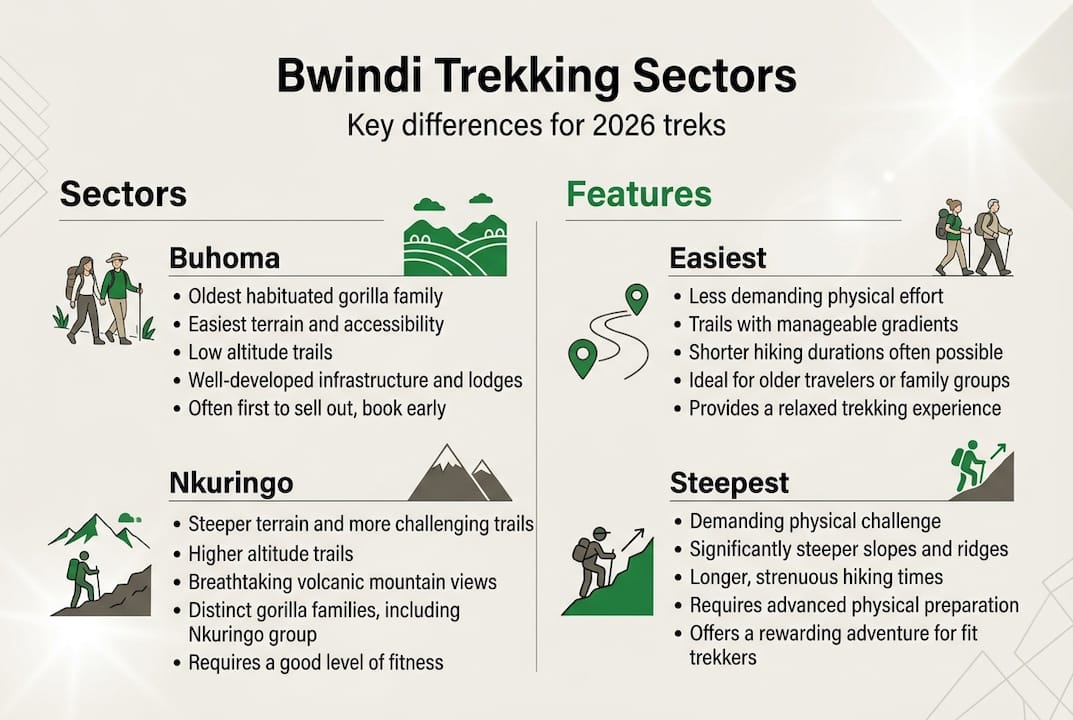
Rangers at each sector assess your group’s fitness level and assign you to a gorilla family accordingly. This system protects both the gorillas and the trekkers. You won’t always get to choose your exact family, but you can communicate fitness levels and preferences through your operator when booking.
Rushaga offers something unique: the gorilla habituation experience (GHEX), where you spend up to four hours with a semi-habituated family. This extended encounter costs $1,500 per person and is significantly more immersive than a standard one-hour visit. It’s worth considering if you want a deeper wildlife connection.
For standard trekking, the permits and logistics guide outlines everything you need to know about the Uganda Wildlife Authority (UWA) booking process. Permits for foreign non-residents cost $800 USD per person in 2026. East African residents pay $700, and Ugandan citizens pay UGX 250,000. You can book permits directly through UWA or through a licensed operator like PawMac Safaris, which handles the process on your behalf.
Permit fees fund gorilla conservation and directly support local communities around Bwindi. Every dollar you spend on a permit contributes to anti-poaching patrols, ranger salaries, and community development programs.
For booking Bwindi permits, plan to secure your spot at least 3 to 6 months in advance, particularly for dry season dates. Permits sell out fast, especially June through September. The Bwindi trekking logistics page at PawMac Safaris covers sector-specific timing and availability in more detail.
Physical requirements, trek duration, and practical challenges
Understanding the sectors and permits is only half the story. Here’s how to physically prepare and what to expect on trek day.
Gorilla trekking is not a casual nature walk. The terrain inside Bwindi is steep, often muddy, and unpredictable. Trek duration ranges from 2 to 7+ hours round trip, depending on where the gorilla family has moved that morning. You cannot predict this in advance. Some treks end in two hours; others push deep into the forest.
What fitness level do you actually need?
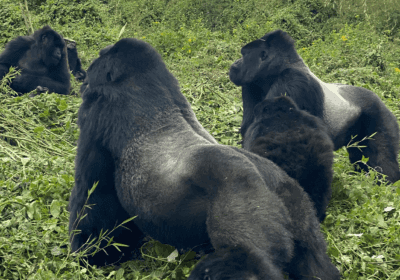
Plan Your Uganda Safari with Local Experts
 WhatsApp Us
- You should be able to walk uphill for 2 to 3 hours without stopping frequently.
- Core and leg strength matter more than cardiovascular speed.
- You don’t need to be an athlete, but you should be regularly active in the months before your trek.
- Travelers with mobility challenges can request a sedan chair carried by trained local porters, available at most sectors.
- The minimum age for standard trekking is 15 years old.
Season matters significantly. The dry seasons (June to September and December to February) offer firmer trails and clearer skies. The rainy seasons bring slippery paths and denser vegetation, but also fewer crowds and more permit availability. Neither season is wrong. They’re just different experiences.
| Season | Trail conditions | Crowd level | Permit availability |
|---|---|---|---|
| Dry (Jun-Sep, Dec-Feb) | Firm, easier | High | Limited |
| Wet (Mar-May, Oct-Nov) | Muddy, slippery | Low | More flexible |
Pro Tip: Hire a local porter for $15 to $20. They carry your bag, steady you on steep descents, and know the forest well. This single decision dramatically reduces physical strain and lets you focus entirely on the gorillas when you find them. Check the trek preparation checklist and trekking gear advice for a full breakdown of what to bring. More trek difficulty details are available if you want a sector-by-sector comparison.
Package options, pricing, and what’s included
With physical expectations set, let’s look at how to select and afford the right package for your trek.
Most travelers book gorilla trekking as part of a broader safari package rather than as a standalone permit purchase. This approach simplifies logistics and often saves money when working with a local operator who has existing relationships with lodges and transport providers.
Typical package inclusions:
- Gorilla trekking permit ($800 per person)
- Round-trip ground transport from Entebbe or Kampala
- Accommodation (budget, mid-range, or luxury lodge options)
- All meals during the safari
- Park entry fees and ranger guide services
- Porter hire at the trailhead
- Pre-trek briefing and sector assignment support
Typical package costs run $1,400 to $2,500 per person for a 3-day safari and $2,500 to $4,500 per person for a 5-day package. These figures exclude international flights. The 3-day Bwindi trek package from PawMac Safaris starts at approximately $1,500, while a 5-day gorilla and chimpanzee combination runs $2,400 to $4,500 depending on accommodation tier.
Key stat: The $800 permit alone represents roughly 40 to 55% of a 3-day package cost. Choosing a local operator with transparent pricing ensures the remaining budget goes toward quality, not markups.
For permit optimization tips and full Uganda gorilla trek pricing, compare mid-range and luxury options before committing. Local operators like PawMac Safaris can customize packages around your travel dates, sector preference, and budget, which international booking platforms typically cannot do.
Travel logistics, gear, and health essentials
Once you’ve chosen your package, it’s time to focus on getting there and staying safe. Here’s your logistics and health checklist.
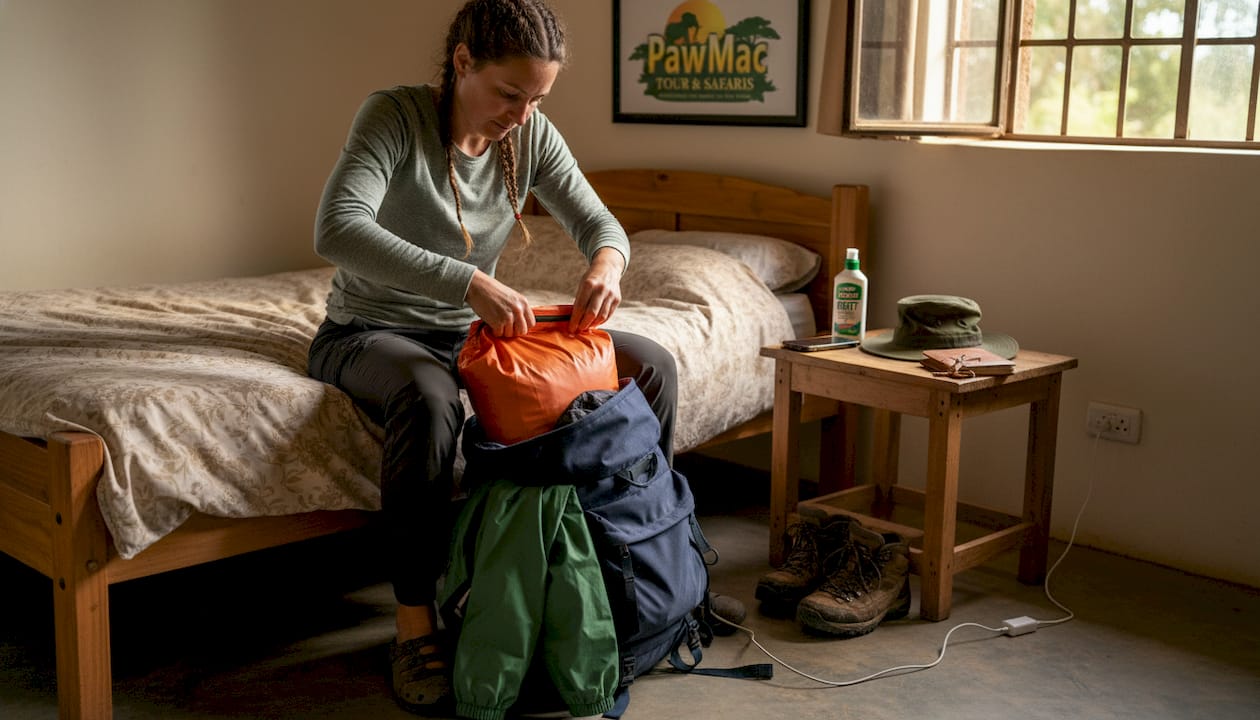
Bwindi sits in southwestern Uganda, roughly 8 to 10 hours by road from Entebbe or Kampala. A domestic flight to Kihihi airstrip cuts that to about 1.5 hours, followed by a short drive to the park. Most travelers opt for the scenic road journey, which passes through tea plantations, crater lakes, and rural villages. It’s part of the experience.
What to pack for your trek:
- Sturdy ankle-support hiking boots (broken in before travel)
- Lightweight rain jacket and waterproof layer
- Long-sleeved shirt and long pants to protect against nettles and insects
- Gardening gloves for gripping vegetation on steep sections
- Trekking poles, especially for Nkuringo and Rushaga sectors
- High-energy snacks and at least 2 liters of water
- Small daypack, camera with no flash, and a hat
Health preparation is non-negotiable. Malaria prophylaxis is strongly recommended for travel to Uganda. Start your medication before departure as directed by your doctor. You must also maintain a 7-meter distance from the gorillas at all times, and anyone showing cold or flu symptoms on trek day will be asked to stay behind. This protects the gorillas, who share 98% of human DNA and are highly susceptible to our respiratory illnesses.
Pro Tip: Pack a dry bag inside your daypack. Bwindi’s weather can shift from sunshine to heavy rain within minutes. Keeping your camera, documents, and snacks dry makes a real difference on a 6-hour trek. Browse the safari packing advice and discounted safari booking pages for additional planning resources. The full trek gear checklist covers every item in detail.
A fresh perspective: What most guides miss about Bwindi gorilla trekking
Most gorilla trekking guides focus on logistics. Fewer talk about the decisions that actually shape your experience.
Here’s an insight most travelers miss: Uganda’s cheaper permits and sector flexibility compared to Rwanda make it the smarter choice for value-focused travelers, but price alone shouldn’t drive your decision. The sector you choose, the season you travel, and the operator you work with matter far more than saving $50 on a lodge.
Traveling during the rainy season is genuinely underrated. Permits are easier to get, crowds thin out, and the forest feels more alive and intimate. Yes, the trails are muddier. But the gorilla families are just as present, and you’ll often have a more personal experience with your ranger guide. Read more about why Uganda as trekking destination consistently outperforms expectations for repeat safari travelers.
Operator reputation also matters enormously. A local operator with strong ranger relationships, sector knowledge, and genuine community ties will deliver a fundamentally different experience than a generic booking platform. Comprehensive travel insurance is another overlooked essential. If you’re ill on trek day, you lose your permit. Insurance can cover that loss.
Contrarian take: if you’re reasonably fit, choose the harder sector. Nkuringo’s steep ridges and Rushaga’s dense forest reward you with fewer trekkers, more time with rangers, and a sense of genuine wilderness that the easier sectors can’t match.
Explore custom Bwindi gorilla trekking with PawMac Safaris
You now have the knowledge to plan a gorilla trek that fits your fitness level, budget, and travel style. The next step is connecting with an operator who can turn that plan into reality.
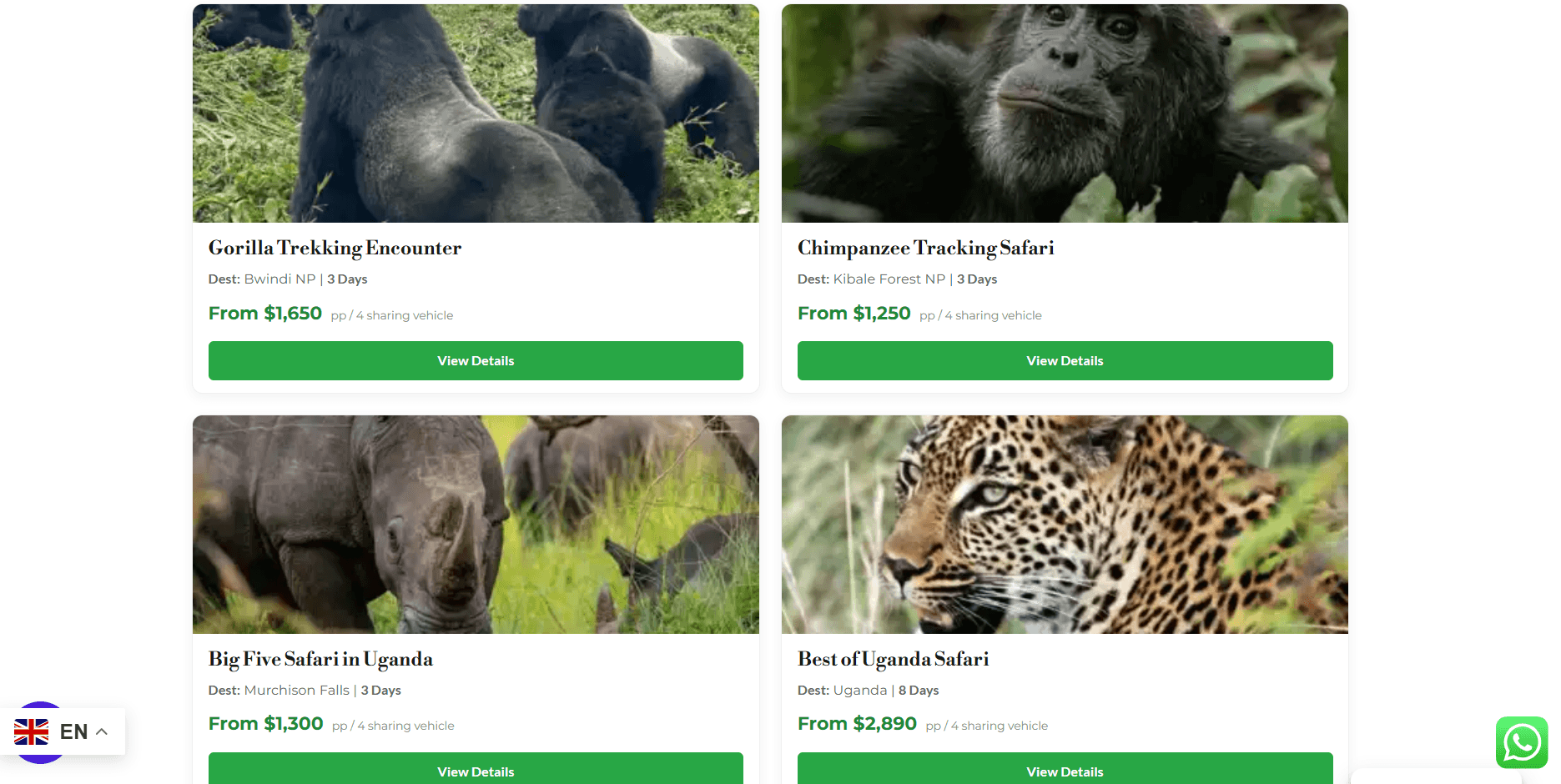
PawMac Safaris specializes in personalized gorilla trekking packages built around your exact needs. From securing your $800 permit to selecting the right sector, lodge, and travel dates, the team handles every detail with local expertise. Explore the full range of PawMac gorilla experiences or browse all wildlife tour packages to find your ideal match. Whether you’re planning a focused 3-day trek or a multi-country East Africa adventure, PawMac Safaris is ready to customize your journey from start to finish.
Frequently asked questions
How much is a Bwindi gorilla trekking permit in 2026?
In 2026, a permit costs $800 USD per person for foreign non-residents. East African residents and Ugandan citizens pay lower rates set by the Uganda Wildlife Authority.
How early should I book my Bwindi gorilla trekking permit?
Book at least 3 to 6 months in advance, especially for dry season dates. Permits sell out quickly through UWA and licensed operators, particularly between June and September.
What fitness level is needed for gorilla trekking in Bwindi?
Moderate fitness is required. Treks last 2 to 7+ hours on steep, muddy terrain, so regular walking and some uphill cardio before your trip will make a significant difference.
What is included in a typical PawMac Safaris gorilla trekking package?
Packages typically include the permit, lodging, all meals, ground transport, and porter support. 3-day packages run $1,400 to $2,500 and 5-day packages run $2,500 to $4,500 per person, excluding international flights.
Which Bwindi sector should I choose for gorilla trekking?
Buhoma is best for beginners, while Nkuringo and Rushaga suit more adventurous trekkers. Rangers assign families based on your fitness level and preferences communicated during the pre-trek briefing.
Recommended
- Gorilla Trekking Permit Uganda: Cost & Booking (2026)
- Gorilla Trekking in Uganda: Cost, Permits & Tours 2026
- Gorilla Trekking Uganda 2026 – Permits, Prices & Best Safaris
- Uganda Safari Guide 2026: Gorilla Permits & Logistics