


- 111 Views
- 19 Min Read
- (0) Comment
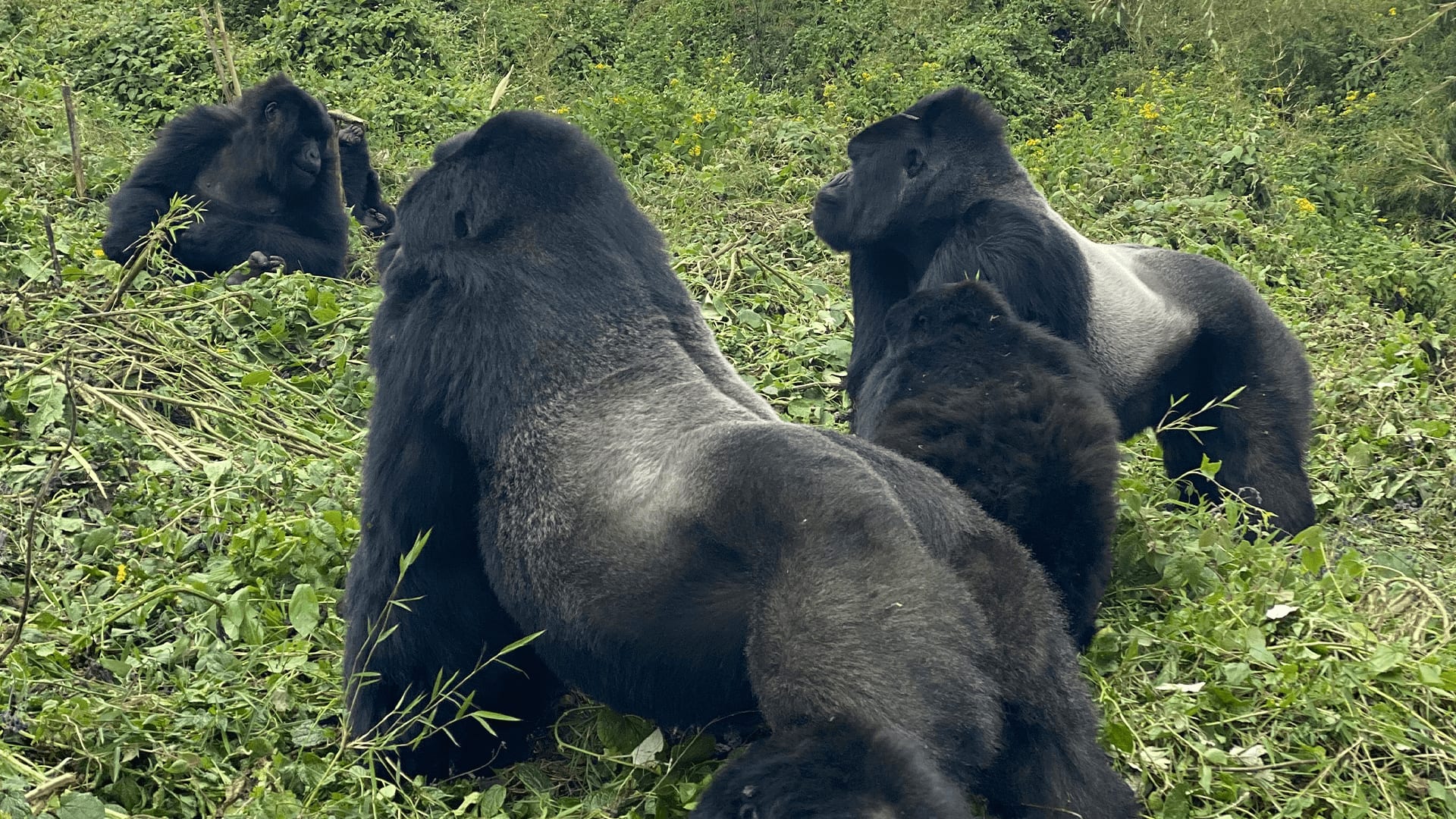
Uganda has only two national parks where travelers can trek mountain gorillas, but choosing between them can shape the entire rhythm, cost, and comfort level of your safari. Bwindi Impenetrable National Park is the best-known option, with multiple trekking sectors and the widest permit availability. Mgahinga Gorilla National Park is smaller, quieter, and visually dramatic, with volcanic scenery and a simpler trekking setup.
For first-time trekkers, the right choice depends less on which park is better overall and more on your fitness, available travel time, lodge expectations, preferred atmosphere, and how early you can secure permits. This comparison explains Uganda’s gorilla parks in practical terms so you can choose confidently and plan a smoother 2026 safari.
Table of Contents
- Quick Verdict: Which Gorilla Park Should First-Time Trekkers Choose?
- Uganda's Two Gorilla Parks at a Glance
- Bwindi Impenetrable National Park: Best for Choice, Availability, and Classic Rainforest Trekking
- Buhoma Sector
- Ruhija Sector
- Rushaga Sector
- Nkuringo Sector
- Mgahinga Gorilla National Park: Best for Simplicity, Scenery, and a Quieter Feel
- Bwindi vs Mgahinga: Detailed Comparison for First-Time Trekkers
- Trek Difficulty and Fitness
- Permit Availability and Booking Timing
- Lodging, Access, and Route Planning
- Photography and Overall Atmosphere
- Gorilla Trekking Costs in Uganda for 2026
- How to Choose the Right Gorilla Park for Your Travel Style
- Sample Uganda Gorilla Trek Itineraries for First Timers
- Practical Trekking Tips Before You Book
- Frequently Asked Questions
- Plan Your First Uganda Gorilla Trek with PawMac Safaris
Quick Verdict: Which Gorilla Park Should First-Time Trekkers Choose?
For most first-time trekkers, Bwindi Impenetrable National Park is the safer all-round choice because it has more habituated gorilla families, four trekking sectors, broader lodge options, and better permit availability. It is especially suitable if you want a classic rainforest trek or need flexibility around travel dates.
Mgahinga Gorilla National Park is the better choice if you prefer a quieter, more compact experience with one main trekking base, striking volcanic scenery, and the option to combine gorillas with golden monkey tracking. It can feel more intimate, but permits are limited, so early booking is essential.
| Traveler priority | Best choice | Why it works |
|---|---|---|
| Best permit availability | Bwindi | More sectors and more habituated gorilla groups generally mean more permit options. |
| Simplest logistics | Mgahinga | One main trailhead at Ntebeko makes planning easier once you are in Kisoro. |
| Widest lodge choice | Bwindi | From budget guesthouses to high-end forest lodges, Bwindi has the broadest accommodation range. |
| Classic rainforest atmosphere | Bwindi | Dense, ancient forest creates the iconic Uganda gorilla trekking feel. |
| Dramatic volcanic scenery | Mgahinga | The Virunga volcano backdrop gives the trek a very different visual character. |
| Best for a gorilla habituation add-on | Bwindi, especially the southern sectors | Uganda’s Gorilla Habituation Experience is associated with Bwindi, with limited availability. |
| Best for a quieter feel | Mgahinga | Fewer visitors and one gorilla group create a low-key, personal atmosphere. |
Uganda's Two Gorilla Parks at a Glance
Uganda’s mountain gorilla trekking takes place in the far southwest of the country, in cool highland forests near the borders with Rwanda and the Democratic Republic of Congo. The two official gorilla parks are Bwindi Impenetrable National Park and Mgahinga Gorilla National Park. Both are managed under Uganda Wildlife Authority regulations, and the same standard gorilla trekking permit price applies to both parks for foreign non-resident visitors.
The important difference is not the permit fee. It is the experience around the permit: how many trekking sectors exist, how much choice you have in lodges, how difficult the terrain may be, and how your gorilla trek fits into the rest of your Uganda safari.
| Park | Main trekking setup | Best for | Main planning challenge |
|---|---|---|---|
| Bwindi Impenetrable National Park | Four sectors: Buhoma, Ruhija, Rushaga, and Nkuringo | First-timers who want flexibility, classic rainforest, and strong lodge choice | You must match your lodge to the exact permit sector. |
| Mgahinga Gorilla National Park | One main base: Ntebeko, near Kisoro | Travelers who want a quieter, simpler, scenic gorilla trek | Permits are fewer because trekking centers around one habituated gorilla group. |
A key point for first-time travelers: a Bwindi permit is sector-specific. If your permit is for Rushaga, staying in Buhoma is not practical for trek morning. The drive between sectors can take several hours on mountainous roads. This is one of the most common planning mistakes in Uganda gorilla travel, and it is exactly why professional routing matters.
Bwindi Impenetrable National Park: Best for Choice, Availability, and Classic Rainforest Trekking
Bwindi is Uganda’s most famous gorilla trekking destination and one of the richest forest ecosystems in Africa. It is a UNESCO World Heritage Site, known for steep ridges, dense vegetation, misty valleys, and an ancient rainforest atmosphere that feels deeply immersive.
For first-time trekkers, Bwindi’s greatest strength is choice. There are four trekking sectors, each with its own character, lodge options, access routes, and fitness considerations. This makes Bwindi more flexible, but also more complex to plan correctly.
Buhoma Sector
Buhoma, in northern Bwindi, is often considered the classic Uganda gorilla trekking base. It was the first area in Uganda where gorilla tourism became established, and it remains one of the most polished sectors for visitor services, lodge variety, and community experiences.
Buhoma works especially well if your Uganda itinerary includes Queen Elizabeth National Park, particularly the Ishasha area known for tree-climbing lions. The road connection from Ishasha to Buhoma is one of the more logical safari routes in western Uganda, allowing travelers to combine savannah wildlife with rainforest trekking without overly complicated backtracking.
Plan Your Uganda Safari with Local Experts
 WhatsApp Us
For first-time trekkers who value comfort and smooth planning, Buhoma is a strong choice. The accommodation range is broad, from comfortable midrange lodges to premium forest stays. The terrain can still be demanding, as gorillas move freely and trails change daily, but Buhoma is often favored by travelers who want an established and well-supported trekking environment.
Ruhija Sector
Ruhija sits in eastern Bwindi at a higher elevation, giving it a cooler and often mistier feel. It is a strong option for birders, photographers who enjoy atmospheric forest, and travelers who want a slightly quieter base than Buhoma.
Ruhija can fit well with routes through Kabale or Lake Bunyonyi, and it is also useful when building itineraries that avoid unnecessary long drives between the north and south of Bwindi. The higher altitude means mornings can feel chilly, and the terrain can be slippery after rain. Good boots and a warm layer matter here.
For first-time trekkers, Ruhija is appealing if you want a less crowded feel without sacrificing the classic Bwindi rainforest experience. Lodge choice is more limited than in Buhoma or Rushaga, so booking early is wise during peak travel months.
Rushaga Sector
Rushaga, in southern Bwindi, is one of the most popular choices for travelers who want better permit flexibility. It has multiple habituated gorilla families and is commonly used for both standard gorilla trekking and the more specialized Gorilla Habituation Experience.
This sector is also practical for travelers entering Uganda through the southwest or flying to Kisoro. Rushaga has a growing lodge scene, with options ranging from simple accommodation to high-end properties with sweeping hill and forest views.
If you are comparing a standard trek with the longer habituation option, PawMac Safaris has a detailed guide on whether to choose a gorilla trek in Uganda or the Gorilla Habituation Experience. For first-time visitors, the standard trek is usually enough, but keen photographers and wildlife-focused travelers may value the extra time offered by habituation.
Nkuringo Sector
Nkuringo is known for some of the most dramatic views around Bwindi. The landscapes here are spectacular, with high ridges, deep valleys, terraced hillsides, and distant views toward the Virunga volcanoes on clear days.
The trade-off is physical demand. Nkuringo has a reputation for challenging treks, partly because of the steep terrain. This does not mean every trek is extremely difficult, since gorilla locations vary daily, but fit travelers tend to enjoy Nkuringo more than guests who are concerned about knees, stamina, or steep descents.
For active first-time trekkers who want scenic luxury and do not mind a demanding day in the forest, Nkuringo can be exceptional. For travelers who want the gentlest possible introduction to gorilla trekking, another sector may be easier to manage.
Mgahinga Gorilla National Park: Best for Simplicity, Scenery, and a Quieter Feel
Mgahinga is Uganda’s smallest national park, but it delivers one of the country’s most distinctive gorilla trekking experiences. The park lies on the volcanic slopes of Mount Gahinga, Mount Sabyinyo, and Mount Muhavura, creating a more open and dramatic landscape than much of Bwindi.
Unlike Bwindi, Mgahinga does not require choosing between four sectors. Treks begin from the Ntebeko visitor center near Kisoro, which makes logistics easier once permits and lodging are secured. The main gorilla group trekked here is the Nyakagezi family, known for a relatively stable presence in the park in recent years.
The main limitation is availability. Because Mgahinga has fewer gorilla permits than Bwindi, it is not always the easiest choice if your travel dates are fixed. When permits are available, however, Mgahinga is an excellent option for first-time trekkers who want a quieter setting, a more compact trekking base, and beautiful volcanic scenery.
Mgahinga also combines well with golden monkey tracking and cultural experiences around Kisoro. If you are seriously considering this park, the PawMac Safaris guide to Mgahinga gorilla treks for first-time travelers explains the experience in more detail.
Bwindi vs Mgahinga: Detailed Comparison for First-Time Trekkers
Both parks offer the same core reward: one unforgettable hour with a habituated mountain gorilla family after a ranger-led forest trek. What changes is the route to that moment. For first-timers, the small logistical differences can have a big impact on comfort and confidence.
| Factor | Bwindi Impenetrable National Park | Mgahinga Gorilla National Park |
|---|---|---|
| Number of trekking bases | Four sectors | One main base |
| Permit flexibility | Generally stronger | More limited |
| Lodge variety | Widest range | More limited around Kisoro and Ntebeko |
| Terrain feel | Dense rainforest, ridges, valleys | Bamboo, montane forest, volcanic slopes |
| Best safari combinations | Queen Elizabeth, Ishasha, Lake Bunyonyi | Golden monkeys, Kisoro landscapes, Lake Bunyonyi |
| Planning complexity | Higher because sector choice matters | Lower once permits are secured |
| Atmosphere | Iconic and varied | Quiet, scenic, intimate |
Trek Difficulty and Fitness
No gorilla park in Uganda can honestly be labeled easy every day. Gorillas are wild animals, and their location changes with feeding patterns, weather, and forest conditions. A trek may take less than two hours, or it may take most of the day.
In Bwindi, difficulty varies significantly by sector and by gorilla family location on the day. Nkuringo and parts of Rushaga can be steep. Buhoma may feel more manageable for some travelers, but it can still involve mud, roots, and sharp climbs. Ruhija’s higher elevation can make the air feel cooler and thinner, especially for guests arriving from lower altitudes.
Mgahinga is sometimes perceived as easier because it has one trekking base and a more open feel in places. That can be true on some days, but it should not be assumed. The gorillas may move higher into the forest, and altitude can add to the effort.
For most first-time trekkers, the best strategy is to be honest about fitness during the morning briefing. Rangers typically consider age, mobility, and stamina when assigning trekking groups where possible. Hiring a porter is strongly recommended, even for fit travelers. It supports local communities and gives you practical help on muddy slopes or steep sections.
Permit Availability and Booking Timing
Uganda gorilla permits are limited to protect the gorillas and preserve the quality of the encounter. Standard trekking allows a maximum of eight visitors per habituated gorilla family per day, and guests must be at least 15 years old.
For peak months such as June, July, August, September, December, and early January, first-time trekkers should ideally secure permits 6 to 12 months ahead. If you are flexible with sectors and travel dates, 3 to 6 months may work in shoulder seasons, but premium lodge availability can still tighten quickly.
Bwindi usually gives planners more room to maneuver because it has more sectors and more gorilla families. Mgahinga is more constrained, so it suits travelers who can commit early or remain flexible with nearby dates.
When comparing itineraries online, look for clarity on permit sector, lodge location, driving times, and what is included in the total price. That same principle of clear structure and decision support is central to conversion-focused website optimization, and it applies just as much when you are evaluating a high-value safari investment.
Lodging, Access, and Route Planning
Access is one of the biggest differences between a good Uganda gorilla safari and a tiring one. By road, the journey from Entebbe or Kampala to Bwindi or Mgahinga commonly takes a full day, often around 8 to 10 hours depending on the sector, road conditions, and stops. Many itineraries break the journey with Lake Mburo National Park, Lake Bunyonyi, or another Uganda safari highlight.
Domestic flights can make the journey more comfortable. Flights from Entebbe to Kihihi are commonly used for Buhoma and parts of northern Bwindi, while flights to Kisoro are useful for Rushaga, Nkuringo, and Mgahinga. Flight schedules, luggage limits, weather, and road transfers from the airstrip all need to be considered.
The most important rule is simple: book your lodge near your assigned trekking sector. A beautiful lodge in the wrong sector can create a punishing pre-dawn drive and may put your trek at risk. This is where local planning makes a major difference.

Photography and Overall Atmosphere
Bwindi offers the deeper rainforest atmosphere. Expect layered vegetation, filtered light, vines, giant ferns, and close forest scenes. Photography can be magical but challenging because the forest is often dark and gorillas may be partly hidden by leaves.
Mgahinga often feels more open in sections, especially where bamboo and volcanic slopes shape the landscape. The broader scenery can be striking, and the park’s mountain backdrop gives it a different personality from Bwindi.
In both parks, flash photography is not allowed, and your time with the gorillas is limited to one hour on a standard trek. If photography is a major priority, discuss your expectations before permits are booked. A good planner will consider not only the park, but also season, lodge location, trek style, and whether habituation is worth the added investment.
Gorilla Trekking Costs in Uganda for 2026
Cost transparency is essential when comparing gorilla parks in Uganda. The gorilla permit is only one part of the total safari cost, but it is the non-negotiable foundation of the trip.
As of the Uganda Wildlife Authority tariff period commonly used for 2024-2026 planning, the standard gorilla trekking permit for foreign non-resident visitors is USD 800 per person. Permit categories for residents, citizens, and regional travelers may differ, and all fees should be reconfirmed at the time of booking because official tariffs can change.
| Cost item | 2026 planning estimate | Notes |
|---|---|---|
| Standard gorilla trekking permit | USD 800 per foreign non-resident visitor | Same core permit price for Bwindi and Mgahinga. |
| Gorilla Habituation Experience | Often planned around USD 1,500 per foreign non-resident visitor | Limited availability, longer forest experience, usually booked well ahead. |
| Budget lodging near gorilla parks | About USD 80 to USD 180 per person per night | Simple comfort, often best for cost-conscious travelers. |
| Midrange lodging | About USD 180 to USD 450 per person per night | Good balance of comfort, location, and service. |
| Luxury lodging | About USD 500 to USD 1,500+ per person per night | Premium forest lodges vary widely by season and exclusivity. |
| Ultra-premium lodge stays | About USD 1,500 to USD 3,000+ per person per night | Applies to select high-end properties and peak-season dates. |
| Private 4×4, guide, fuel, and operations | About USD 250 to USD 450 per vehicle per day | Depends on route, vehicle category, group size, and itinerary length. |
| Domestic flights | Often around USD 300 to USD 500+ one way per person | Useful for time-limited travelers, subject to schedule and baggage limits. |
| Porter support | About USD 15 to USD 25+ per trek | Highly recommended and separate from discretionary tips. |
A short 3 or 4 day gorilla itinerary by road can often fall in the USD 1,400 to USD 3,200 per person range depending on lodge level, group size, and routing. Luxury road-based itineraries commonly move into the USD 3,500 to USD 6,500+ per person range, while premium fly-in gorilla safaris can reach USD 4,500 to USD 9,000+ per person when high-end lodges, private guiding, flights, and additional safari days are included.
These are planning ranges, not fixed PawMac Safaris prices. The final quote depends on travel season, permit availability, accommodation choice, number of travelers, vehicle use, domestic flights, and whether you combine gorillas with chimpanzee tracking, Queen Elizabeth National Park, Murchison Falls National Park, or cultural experiences.
How to Choose the Right Gorilla Park for Your Travel Style
If you want the most reliable first-time planning path, choose Bwindi and let permit availability guide the best sector. This approach gives your safari planner more flexibility to match budget, lodge style, and onward routing.
If you want a quieter gorilla trek and are attracted to mountain scenery, choose Mgahinga, but book early. It is especially appealing for travelers who like the idea of one main trailhead and a less busy park atmosphere.
If you are worried about fitness, do not choose solely by park name. Instead, discuss your mobility, hiking experience, and preferred pace with your safari planner. In Bwindi, sector choice matters. In Mgahinga, altitude and gorilla movement still matter.
| Travel style | Recommended choice | Planning advice |
|---|---|---|
| First safari in Uganda with limited time | Bwindi fly-in or well-paced road itinerary | Use Kihihi or Kisoro flights if budget allows. |
| Premium traveler wanting comfort and lodge choice | Bwindi, especially Buhoma, Rushaga, or Nkuringo | Match the lodge carefully to the permit sector. |
| Active traveler wanting scenery | Nkuringo or Mgahinga | Prepare for steep terrain and changing weather. |
| Traveler seeking a quieter feel | Mgahinga or Ruhija | Book early because options are more limited. |
| Photographer wanting more time with gorillas | Bwindi with habituation consideration | Compare permit cost and physical demands before committing. |
| Traveler combining gorillas with savannah wildlife | Buhoma or other Bwindi sectors based on route | Queen Elizabeth and Ishasha pair especially well with northern Bwindi. |
For a detailed sense of the actual trek day, including the ranger briefing, forest walk, gorilla encounter, and return, review PawMac Safaris’ guide on what to expect on gorilla trekking in Uganda.
Sample Uganda Gorilla Trek Itineraries for First Timers
A 3-day fly-in gorilla trek is best for travelers with limited time and a premium comfort preference. You fly from Entebbe to the nearest airstrip, transfer to a lodge near your permit sector, trek the next morning, and return by air after your stay. This reduces road fatigue but increases cost.
A 4-day road-based Bwindi trek gives more room to enjoy the journey. You can travel from Entebbe or Kampala toward southwestern Uganda, overnight en route or near the park, trek gorillas, then return with a scenic stop such as Lake Bunyonyi or Lake Mburo. This is often the best balance for first-time visitors who want value without rushing.
A 6 to 8 day Uganda safari with gorillas and wildlife is ideal if you want more than one major experience. A well-designed route can combine Bwindi with Queen Elizabeth National Park, Ishasha, chimpanzee tracking, or a boat safari, depending on your priorities and budget. This style of itinerary gives a richer view of Uganda and avoids making the gorilla trek feel like a one-stop checklist item.
A luxury gorilla and culture itinerary can focus on slower travel, premium lodges, private guiding, and meaningful cultural encounters around Bwindi or Mgahinga. This is especially rewarding for travelers who value hospitality, photography time, and a deeper sense of place.
Practical Trekking Tips Before You Book
The best Uganda gorilla trekking experiences are usually built before you arrive. Good planning reduces unnecessary road time, avoids sector mistakes, and helps you arrive at the trailhead rested and confident.
- Secure your gorilla permit before locking in lodge bookings, especially for peak travel months.
- Confirm the exact permit sector in Bwindi before choosing accommodation.
- Add a buffer night after long international flights if your schedule allows.
- Pack broken-in waterproof hiking boots, long trousers, long sleeves, a rain jacket, and garden-style gloves for gripping vegetation.
- Carry at least 1.5 to 2 liters of water, a packed snack, insect repellent, and a small daypack.
- Hire a porter, even if you are fit, because the support is useful and the income benefits nearby communities.
- Bring cash for porters and discretionary tips, preferably in small denominations.
- Tell your guide or ranger about knee issues, asthma, recent illness, or fitness concerns before the trek begins.
- Avoid planning a tight same-day departure after trekking, since return times can vary widely.
Gorilla trekking is highly regulated for conservation reasons. You will be asked to keep distance, follow ranger instructions, avoid trekking when sick, and limit your time with the gorillas. These rules protect one of Uganda’s most extraordinary wildlife treasures.
Frequently Asked Questions
Which gorilla park in Uganda is best for first-time trekkers? Bwindi is usually the best all-round choice for first-time trekkers because it offers more permits, more sectors, and more lodge options. Mgahinga is excellent for travelers who want a quieter, simpler, more scenic experience and can secure permits early.
Is Mgahinga easier than Bwindi? Not always. Mgahinga has simpler logistics because treks start from one main base, but altitude and gorilla movement can still make the hike demanding. Bwindi’s difficulty varies by sector, with Nkuringo and parts of Rushaga often considered more strenuous.
How much is a gorilla permit in Uganda in 2026? For foreign non-resident travelers, the standard Uganda gorilla trekking permit is commonly planned at USD 800 per person under the current 2024-2026 tariff period. Always confirm the latest official fee when booking.
Can I choose which gorilla family I trek? Travelers usually book a permit for a park or sector, not a specific gorilla family. Rangers assign groups on trek morning while considering gorilla locations, visitor fitness, and operational requirements.
How early should I book a Uganda gorilla trek? For peak travel months, book 6 to 12 months in advance if possible. For shoulder seasons, 3 to 6 months may work, but early planning still gives better lodge and routing options.
Can I combine gorilla trekking with a Big Five safari in Uganda? Yes. Many travelers combine Bwindi or Mgahinga with Uganda’s savannah parks, especially Queen Elizabeth National Park and Murchison Falls National Park. The best route depends on your available days, budget, and preferred pace.
Do I need to be very fit for gorilla trekking? You do not need to be an athlete, but you should be comfortable walking on uneven, muddy, and sometimes steep forest trails. Porters, walking sticks, and honest communication with rangers can make the trek more manageable.
Plan Your First Uganda Gorilla Trek with PawMac Safaris
Choosing between Uganda’s gorilla parks is not about finding one universal winner. It is about matching the right park, sector, lodge, route, and budget to your travel style. Bwindi gives first-time trekkers the greatest flexibility and the most classic rainforest experience. Mgahinga offers simplicity, volcanic beauty, and a quieter atmosphere when permits are available.
PawMac Safaris helps travelers plan personalized Uganda gorilla trekking and wildlife safaris with expert local guidance, comfortable 4×4 vehicles, and practical route planning. Whether you want a premium fly-in Bwindi escape, a scenic Mgahinga trek, or a longer Uganda safari combining gorillas, chimpanzees, and Big Five wildlife, the right planning starts with choosing the right gorilla park for you.


