


- 47 Views
- 18 Min Read
- (0) Comment
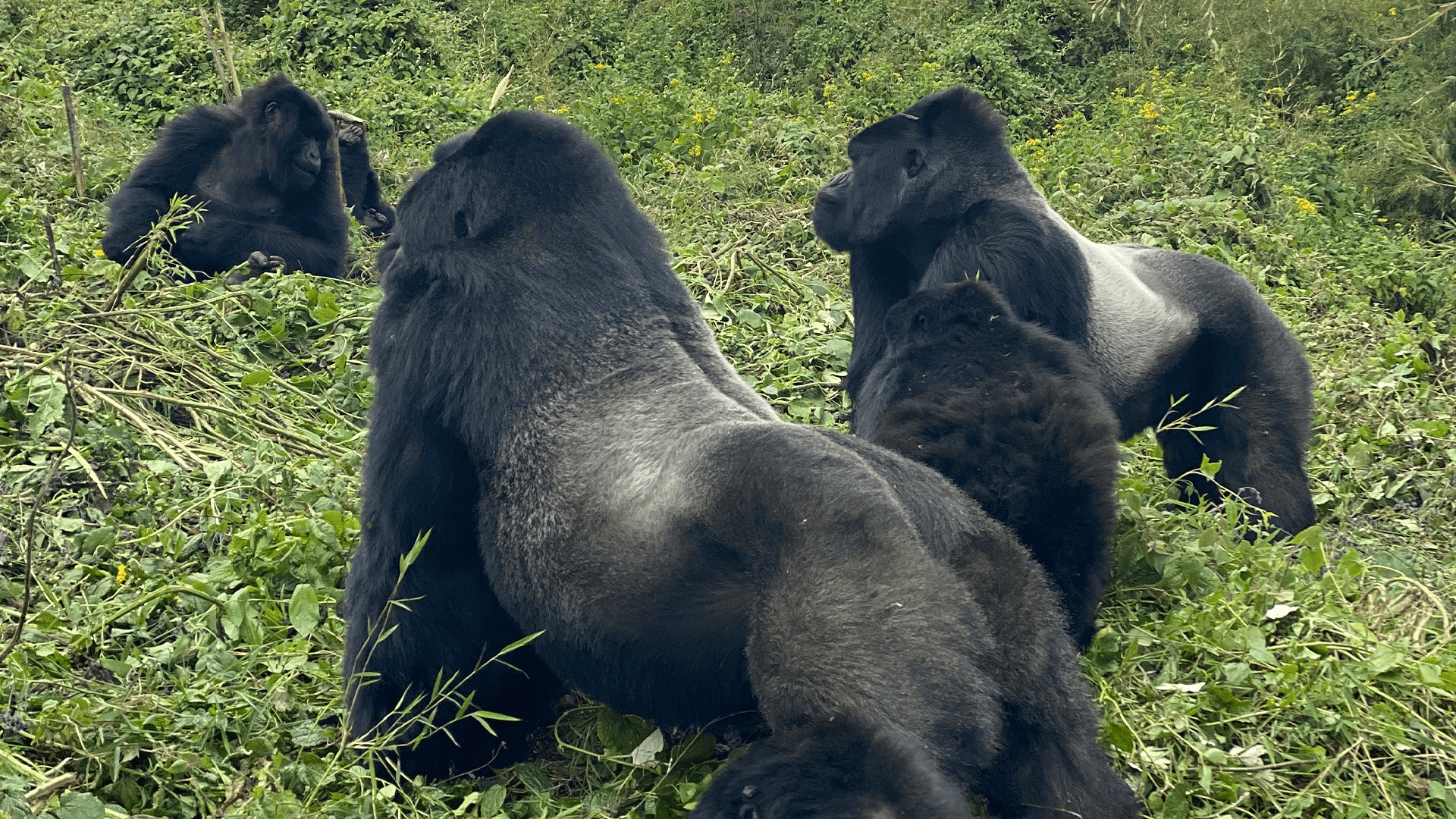
Uganda is famous for gorilla trekking, and rightly so. Standing in Bwindi Impenetrable Forest or Mgahinga Gorilla National Park with a mountain gorilla family is one of the most powerful wildlife experiences on earth. But if you only build your journey around gorillas, you miss the wider richness that makes Uganda the Pearl of Africa.
For travelers searching how to explore tours in Uganda beyond gorilla trekking, the real opportunity is variety. In one well-planned trip, you can track chimpanzees in Kibale, watch elephants along the Nile, search for tree-climbing lions in Ishasha, walk with rhinos at Ziwa, photograph shoebills in Mabamba, raft the Nile in Jinja, hike volcanic slopes, and meet communities whose stories bring the landscapes to life.
That variety is why PawMac Safaris often recommends treating gorilla trekking as one highlight, not the entire safari. Uganda rewards travelers who slow down, connect different habitats, and choose experiences that match their interests, fitness level, budget, and travel style.
Why Look Beyond Gorilla Trekking in Uganda?
Gorilla trekking is permit-driven, physically demanding, and highly regulated. Foreign non-resident gorilla permits are typically USD 800 per person in 2026, and the encounter itself is limited to one hour once your group finds the gorillas. It is unforgettable, but it is only one part of Uganda’s safari story.
Adding other Uganda tours gives your itinerary better balance. Game drives offer wider landscapes and big mammals. Boat safaris slow the pace and bring you close to hippos, crocodiles, elephants, kingfishers, fish eagles, and papyrus channels. Chimpanzee tracking adds a louder, faster, more social primate experience. Cultural visits give meaning to the places you pass through rather than reducing the journey to wildlife checklists.
A broader itinerary also protects the quality of your trip. If forest weather is challenging, savanna and boat activities can still deliver excellent sightings. If a traveler in your group is not eligible for gorilla trekking due to age, health, or fitness, Uganda still has enough premium experiences to create a rewarding safari.
Best Uganda Tours to Add Beyond Gorillas
The strongest Uganda itineraries usually combine several ecosystems rather than rushing from one famous stop to another. Below are the most rewarding tour styles to consider.
1. Murchison Falls National Park and the Victoria Nile
Murchison Falls is one of Uganda’s best choices for travelers who want classic wildlife, dramatic scenery, and a strong sense of scale. The Nile squeezes through a narrow rock gap before exploding into the falls, creating one of the country’s most iconic natural sights.
A typical Murchison experience includes morning game drives on the northern bank, a boat cruise to the base of the falls, and often a hike or drive to the top of the falls. Wildlife sightings may include elephants, buffalo, giraffes, lions, warthogs, Jackson’s hartebeest, hippos, crocodiles, and a rich variety of birds.
Logistically, Murchison works well as a 3 to 5 day tour from Entebbe or Kampala. Many itineraries include Ziwa Rhino Sanctuary on the way, which is important if you want a Big Five focused route in Uganda. Expect road travel of around 5 to 6 hours from Kampala to the park, depending on traffic, route conditions, and lodge location.
For deeper planning, PawMac Safaris has a dedicated Murchison Falls guide for wildlife, boats, and game drives that explains the park’s best activity combinations.
Plan Your Uganda Safari with Local Experts
 WhatsApp Us
2. Queen Elizabeth National Park, Kazinga Channel, and Ishasha
Queen Elizabeth National Park is one of Uganda’s most versatile safari destinations. It combines crater landscapes, savanna, wetlands, forested gorges, and the famous Kazinga Channel, where boat cruises regularly bring travelers close to hippos, buffalo, crocodiles, elephants, and dense birdlife.
The northern Kasenyi plains are strong for game drives, especially for lions and Uganda kob. The Kyambura Gorge area offers chimpanzee tracking in a dramatic forested ravine, though sightings are generally less predictable than in Kibale. Farther south, the Ishasha sector is known for tree-climbing lions, often seen resting in fig trees during warm hours.
Queen Elizabeth is especially useful for travelers who want a full safari feel without going as remote as Kidepo. It also pairs naturally with Kibale Forest to the north and Bwindi to the south. A 2 to 4 night stay allows enough time for game drives, a Kazinga Channel boat cruise, and, if your schedule allows, Ishasha.
If this park is high on your list, review PawMac Safaris’ Queen Elizabeth National Park safari itinerary guide before choosing where to stay.
3. Kibale Forest for Chimpanzee Tracking and Bigodi Wetland
Kibale Forest is Uganda’s primate capital and one of the best places in Africa for chimpanzee tracking. The forest is known for high chimpanzee sighting success, excellent guiding, and access from the Kanyanchu Visitor Centre.
Chimpanzee tracking feels very different from gorilla trekking. Chimps are louder, faster, and more mobile. You may hear pant-hoots echoing through the canopy before you see them. Once located, the experience can involve watching feeding, grooming, social displays, and movement through the trees.
For 2026 planning, Kibale chimpanzee tracking permits for foreign non-residents are commonly budgeted at around USD 250 per person. Chimpanzee habituation, when available, costs more and offers a longer field experience. Permit availability should still be confirmed before finalizing lodges and transport.
The nearby Bigodi Wetland Sanctuary is a highly worthwhile add-on. It is excellent for birds, monkeys, community interaction, and slower walking exploration. Many travelers find that Bigodi gives them a more personal understanding of how conservation, wetlands, and local livelihoods connect.
4. Kidepo Valley National Park for Remote Wilderness
Kidepo Valley National Park is Uganda’s wild frontier. It is remote, vast, and dramatically different from the greener western circuit. Travelers who make the journey are rewarded with open savanna, mountain backdrops, low visitor numbers, and a feeling of true wilderness.
Kidepo can offer sightings of lions, elephants, buffalo, giraffes, zebras, and many dry-country bird species. The Narus Valley is usually the main wildlife-viewing area, while the Kidepo Valley itself feels more arid and expansive. Cultural experiences with communities in the wider Karamoja region can add significant depth when arranged respectfully.
The main consideration is logistics. Overland travel from Kampala can take 9 to 12 hours or more and is best broken up with an overnight stop. Fly-in options save time but increase the budget. For luxury travelers, Kidepo is one of Uganda’s most exclusive safari choices because access, remoteness, and limited lodge capacity naturally reduce crowds.
PawMac Safaris’ Kidepo Valley safari guide is useful if you are deciding whether the extra travel time is worth it for your style of trip.
5. Lake Mburo and Lake Bunyonyi for Softer Safari Days
Not every safari day needs to be intense. Lake Mburo National Park and Lake Bunyonyi are excellent for pacing, especially for families, honeymooners, senior travelers, and guests who want variety between longer drives.
Lake Mburo is the closest savanna park to Kampala and Entebbe. It is known for zebras, impalas, elands, buffalo, giraffes, birdlife, boat rides, and guided walking or cycling options in certain areas. Because it is smaller than Murchison or Queen Elizabeth, it works well as a 1 to 2 night stop at the beginning or end of a western Uganda route.
Lake Bunyonyi is not a classic big-game destination. Its value is scenery, relaxation, canoeing, island views, local culture, and a gentler pace after demanding forest activities. It pairs especially well with Bwindi or Mgahinga, helping travelers recover after trekking while still enjoying one of Uganda’s most beautiful landscapes.
6. Jinja and the Source of the Nile for Adventure
Jinja adds a completely different energy to a Uganda safari. It is the country’s Nile adventure hub, with activities such as white-water rafting, kayaking, stand-up paddleboarding, boat cruises, cycling, horseback riding, and visits to the Source of the Nile.
White-water rafting is the headline activity for active travelers, with half-day and full-day options often ranging from about USD 125 to USD 180 per person depending on operator, season, inclusions, and group size. Travelers should check safety standards carefully, including life jackets, helmets, rescue kayakers, briefing quality, and insurance suitability.
Jinja is also one of the easiest add-ons from Kampala or Entebbe, often reached in 2 to 3 hours depending on traffic. It works well at the start of a trip for travelers recovering from long-haul flights, or at the end as a high-energy finale after wildlife viewing. For more details, see PawMac Safaris’ Jinja Nile adventure guide.

7. Rwenzori, Sipi Falls, and Volcano Hiking
Uganda is also a superb hiking destination. The Rwenzori Mountains, often called the Mountains of the Moon, offer some of Africa’s most extraordinary alpine trekking, with rainforest, bamboo, giant lobelias, bogs, high ridges, and glacier scenery on longer routes.
Rwenzori trekking is not a casual add-on if you plan a multi-day route. Short hikes can fit into a western Uganda itinerary, but serious treks require fitness, proper gear, and time. Budget roughly USD 900 to USD 2,500 or more per person for multi-day guided Rwenzori treks depending on duration, route, support crew, accommodation style, and whether technical summit attempts are involved.
Sipi Falls, near Mount Elgon, is a more accessible hiking and cultural option. It is excellent for waterfall walks, coffee tours, photography, and cooler highland scenery. Mgahinga also offers volcano hiking and golden monkey tracking, making it an excellent extension for travelers already visiting southwestern Uganda.
8. Birding, Shoebills, and Wetland Tours
Uganda is one of Africa’s best birding destinations, with more than 1,000 recorded bird species. Even travelers who do not consider themselves birders often become fascinated once they see the color and variety along Uganda’s waterways, forests, and savannas.
The shoebill is the most sought-after bird for many visitors. Mabamba Swamp, near Entebbe, is one of the most practical places to search for it, often by canoe through papyrus channels. Other strong birding areas include Murchison Falls, Queen Elizabeth, Kibale, Bigodi Wetland, Lake Mburo, Semuliki, and Bwindi.
Birding tours can be added as half-day experiences or designed as full specialist itineraries. A serious birding safari needs a guide who knows calls, microhabitats, timing, and ethical viewing distances. For photographers, morning light and patient positioning matter more than rushing to tick off species.
9. Cultural and Heritage Tours That Add Context
Cultural tours in Uganda are most rewarding when they are planned with respect, fair compensation, and enough time for conversation. Rather than treating communities as a quick stop, the best cultural experiences help travelers understand food, music, crafts, language, land use, conservation pressures, and local history.
Options include Kampala heritage and market tours, Batwa cultural experiences near Bwindi and Mgahinga, coffee tours around Sipi, Bigodi community walks near Kibale, pastoral community experiences around Lake Mburo, and cultural visits in the Karamoja region when traveling to Kidepo.
For travelers who want a richer safari, these encounters are not secondary. They explain why conservation matters on the ground and how tourism can support livelihoods when arranged responsibly. PawMac Safaris can help shape cultural tours in Uganda around your comfort level, schedule, and interests.
Quick Comparison of Uganda Tours Beyond Gorilla Trekking
| Tour experience | Best destinations | Ideal trip length | Typical 2026 cost considerations | Best for |
|---|---|---|---|---|
| Big game and Nile safari | Murchison Falls, Ziwa Rhino Sanctuary | 3 to 5 days | Park fees, boat cruise, rhino tracking, 4×4 transport, lodge tier | First-time safari travelers, Big Five routes |
| Chimpanzee tracking | Kibale, Kyambura, Budongo | 2 to 4 days | Chimp permit from about USD 250 in Kibale, guide, lodge, transfers | Primate lovers, photographers, active travelers |
| Tree-climbing lions and boat safari | Queen Elizabeth, Ishasha, Kazinga Channel | 3 to 5 days | Park fees, boat cruise, longer routing if including Ishasha | Wildlife variety, families, photographers |
| Remote wilderness safari | Kidepo Valley | 4 to 6 days | Higher transport or flight costs, limited lodge inventory | Luxury travelers, repeat safari guests, low-crowd seekers |
| Nile adventure | Jinja, Source of the Nile | 1 to 3 days | Rafting or activity fees, transfers, safety-vetted operator | Adventure travelers, couples, groups |
| Hiking and mountains | Rwenzori, Sipi Falls, Mgahinga | 1 to 8 days | Trekking guides, gear, porter support, route duration | Active travelers, landscape photographers |
| Birding and wetlands | Mabamba, Bigodi, Murchison, Queen Elizabeth | Half-day to 10+ days | Specialist guide, canoe or boat fees, early starts | Birders, photographers, slower travelers |
| Cultural tours | Kampala, Bwindi, Bigodi, Sipi, Karamoja | Half-day to 3 days | Community fees, local guide, transport, fair gratuities | Meaningful travel, families, educational trips |
Realistic 2026 Budget Ranges for Exploring Uganda Tours
Uganda safari costs vary widely because distance, permits, accommodation level, vehicle type, and season all matter. A short Jinja add-on costs far less than a fly-in Kidepo safari. A private luxury itinerary costs more than a small-group mid-range tour. The key is to compare what is included rather than looking only at the headline price.
As a practical planning guide, budget travelers using simple lodges and shared logistics may spend around USD 180 to USD 300 per person per day for non-gorilla safari sections. Mid-range private safaris commonly fall around USD 300 to USD 550 per person per day, depending on routing and lodge quality. Luxury Uganda safaris can range from USD 600 to USD 1,200+ per person per day, especially when premium lodges, private guiding, domestic flights, or remote parks are included.
Permit-heavy activities need separate attention. Gorilla trekking is usually the largest single permit cost at about USD 800 per foreign non-resident in 2026. Chimpanzee tracking in Kibale is commonly planned around USD 250 per foreign non-resident. Golden monkey tracking, rhino tracking, boat cruises, park entry fees, and community activities are smaller individually, but they add up across a multi-day itinerary.
Accommodation is another major driver. Budget guesthouses may range from about USD 40 to USD 120 per room per night. Mid-range safari lodges often sit around USD 150 to USD 350 per room or per person depending on meal plan and location. Luxury lodges in prime safari areas can exceed USD 500 to USD 1,500+ per person per night, especially for full-board or all-inclusive properties in high season.
Sample Uganda Routes Beyond Gorilla Trekking
The best route depends on whether you want wildlife density, primates, adventure, culture, comfort, or remoteness. These sample structures show how different tours can fit together.
| Route style | Suggested flow | Recommended duration | Why it works |
|---|---|---|---|
| Classic wildlife without gorillas | Entebbe, Ziwa, Murchison Falls, Queen Elizabeth, Lake Mburo | 7 to 9 days | Strong wildlife, boat safaris, rhinos, manageable variety |
| Primate and wildlife balance | Entebbe, Kibale, Queen Elizabeth, Ishasha, Lake Bunyonyi | 7 to 10 days | Chimps, savanna, lions, scenery, optional gorilla add-on |
| Adventure and nature route | Entebbe, Jinja, Sipi Falls, Murchison Falls | 6 to 8 days | Nile adventure, waterfalls, hiking, game drives |
| Remote premium Uganda | Entebbe, Kidepo, Murchison Falls, Kibale | 10 to 12 days | Wilderness, low crowds, primates, high-end pacing |
| Birding and wetlands focus | Entebbe, Mabamba, Kibale, Bigodi, Queen Elizabeth, Murchison | 8 to 12 days | Shoebill, forest birds, wetland species, river habitats |
If you have 10 to 14 days, Uganda becomes much easier to enjoy without rushing. You can build in rest nights, allow for road conditions, and avoid turning every day into a transfer. For many travelers, this is the difference between a trip that feels impressive and a trip that feels truly personal.
Choosing the Right Tour Style for Your Travel Personality
A successful Uganda safari is not just about choosing famous places. It is about matching the route to the traveler.
If you are visiting Uganda for the first time and want iconic wildlife, combine Ziwa Rhino Sanctuary, Murchison Falls, Queen Elizabeth, and either Kibale or Lake Mburo. This gives a strong cross-section of Uganda without requiring the longest drives.
If primates are your main passion but you want more than gorillas, combine Kibale chimpanzee tracking, Bigodi Wetland, Mgahinga golden monkeys, and forest walks around Bwindi or Mgahinga. This creates a deeper primate-focused journey.
If you dislike crowds and have a higher budget, consider Kidepo with carefully chosen lodges and either overland scenic routing or flights. Kidepo is best for travelers who value atmosphere, space, and patience over guaranteed rapid sightings.
If you are traveling as a family, avoid packing too many long drives into consecutive days. Lake Mburo, Jinja, Murchison Falls, and Queen Elizabeth often work well because they offer varied activities, flexible pacing, and less physically demanding options than mountain trekking.
If you are a photographer, prioritize time in each location. Two nights is usually the minimum for meaningful wildlife photography in a park, while three nights gives more chances with light, weather, and animal movement. Uganda’s forests are darker than open savanna, so plan gear and expectations accordingly.
Comfort, Vehicles, and Small Details That Change the Trip
Uganda rewards good logistics. Distances may look short on a map, but roads, ferry timings, park gates, weather, and lodge locations all affect the real experience. A well-maintained 4×4 vehicle, a guide who understands timing, and a route that avoids unnecessary backtracking are not luxuries. They are the foundation of a smooth safari.
Comfort also includes small details travelers often overlook. Ask about room location if you are sensitive to generator noise, nearby roads, or early lodge activity. The same principles used in professional soundproofing and acoustic solutions apply to travel comfort: distance, insulation, and vibration control can make rest easier after long safari days.
PawMac Safaris plans Uganda tours with these practical realities in mind, including lodge-to-activity distances, permit timing, park gate access, vehicle comfort, and realistic driving days. This is especially important when combining several destinations such as Murchison Falls, Kibale, Queen Elizabeth, Lake Bunyonyi, and Jinja.
When to Explore Uganda Beyond Gorilla Trekking
Uganda can be visited year-round, but seasons shape the experience. The drier months from June to September and December to February are popular for wildlife viewing, forest trekking, and road reliability. These months also bring higher demand for lodges and permits, so early booking is wise.
The wetter months from March to May and October to November can be excellent for lush landscapes, birding, photography, and fewer crowds. Some roads and trails may be muddier, but travelers with flexible expectations often enjoy the quieter atmosphere. Wet-season travel can also create better value in selected lodges, though discounts vary.
For Kidepo and long overland routes, dry-season planning is generally more comfortable. For birding, the green seasons can be very rewarding. For Jinja adventure activities, water levels and operator schedules should be checked close to travel dates.
How PawMac Safaris Helps You Build a Better Uganda Tour
A strong Uganda itinerary is built around more than destination names. PawMac Safaris helps travelers connect the right parks, permits, lodges, guides, and activity timings so the trip feels seamless rather than rushed.
Because PawMac Safaris focuses on Uganda, the planning process can account for local realities such as drive times, park conditions, lodge locations, permit availability, seasonal pricing, family needs, photography goals, and comfort level. Whether you want a budget-conscious wildlife route, a mid-range primate and savanna combination, or a premium private safari with remote wilderness, the itinerary can be shaped around your priorities.
For broader inspiration, you can compare route ideas in the PawMac Safaris guide to Uganda safari itineraries, options, costs, and experiences.
Frequently Asked Questions
Can I visit Uganda without doing gorilla trekking? Yes. Uganda has excellent non-gorilla safari options, including Murchison Falls, Queen Elizabeth, Kibale chimpanzee tracking, Kidepo Valley, Lake Mburo, Jinja, Mabamba Swamp, Sipi Falls, and cultural tours. Gorilla trekking is iconic, but it is not required for a rewarding Uganda trip.
What is the best non-gorilla safari in Uganda for first-time visitors? Murchison Falls is one of the strongest first-time choices because it combines game drives, Nile boat safaris, dramatic scenery, and the option to add Ziwa Rhino Sanctuary. Queen Elizabeth is another excellent choice, especially if you want the Kazinga Channel and Ishasha tree-climbing lions.
How many days do I need to explore Uganda beyond gorillas? A 5 day trip can cover one major region well, such as Murchison Falls and Ziwa or Kibale and Queen Elizabeth. A 7 to 10 day itinerary gives much better variety. A 12 to 14 day safari allows a more complete Uganda circuit with less rushing.
Is chimpanzee tracking worth adding if I already plan to see gorillas? Yes. Chimpanzee tracking is very different from gorilla trekking. Chimps are more vocal and active, and Kibale Forest offers one of Uganda’s best primate experiences. Many travelers find that gorillas and chimpanzees complement each other rather than repeat the same experience.
What is the most budget-friendly way to add more Uganda tours? Choose geographically efficient routes, travel in a small group, use mid-range or budget lodges, avoid unnecessary domestic flights, and combine nearby experiences. For example, Kibale, Queen Elizabeth, Lake Bunyonyi, and Lake Mburo can form a logical western route with fewer wasted transfer days.
Are Uganda cultural tours safe and respectful? They can be, when arranged through responsible local guides and community-linked programs. The best cultural tours are not staged quick stops. They allow fair payment, consent, conversation, and context. PawMac Safaris can help choose experiences that respect both travelers and host communities.
Plan a Uganda Safari That Goes Further
Gorilla trekking may bring many travelers to Uganda, but the country’s deeper value is found in its range. The Nile, savannas, forests, wetlands, mountains, birds, cultures, and remote parks all deserve space in your itinerary.
If you want to explore tours in Uganda beyond gorilla trekking, PawMac Safaris can design a personalized route around your dates, budget, comfort level, and must-see experiences. From expert local guides and comfortable 4×4 vehicles to custom wildlife, primate, cultural, and adventure packages, your safari can be built to show you more of Uganda with confidence and care.
Start planning your custom Uganda safari with PawMac Safaris and discover how much more the Pearl of Africa has to offer.


