


- 110 Views
- 10 Min Read
- (0) Comment
TL;DR:
- Uganda’s Ishasha sector hosts rare and remarkable lions that climb trees regularly.
- Safari costs vary based on lodges, duration, season, and activities, ranging from $1,200 to over $6,500.
- Visiting during dry seasons and booking permits early enhances safety, access, and overall experience.
Most people picture lions prowling open savannahs when they think of an African safari. Uganda quietly breaks that assumption. In the remote Ishasha sector of Queen Elizabeth National Park, lions do something almost no other lions in the world do: they climb trees. Watching a pride of big cats draped across the branches of a fig tree, tails dangling lazily in the afternoon heat, is a sight that stays with you long after you’ve returned home. This guide covers exactly where to find them, what a 2026 safari costs, how to combine the experience with gorilla trekking, and how to plan every detail with confidence.
Table of Contents
- Why Uganda’s tree climbing lions are a must-see
- Understanding Uganda safari packages: What’s included and what affects cost
- Uganda safari cost breakdown 2026: Tree climbing lions, gorilla treks, and more
- Planning your Uganda adventure: Best timing, packing, and booking tips
- Why the cost isn’t everything: True value of a Uganda safari
- Ready to book your Uganda safari in 2026?
- Frequently asked questions
Key Takeaways
| Point | Details |
|---|---|
| Tree climbing lions are unique | Ishasha in Queen Elizabeth National Park offers the rare chance to see lions lounging in trees. |
| 2026 safari costs vary | A Uganda safari ranges from $1,200 to $5,000 or more, depending on your choices and activities. |
| Gorilla trekking is extra | Gorilla permits add substantially to trip cost, so plan your budget accordingly. |
| Season timing matters | June to September brings the best wildlife sightings for your tree climbing lion adventure. |
| Plan for value, not just price | Booking with ethical providers ensures both unforgettable experiences and support for conservation. |
Why Uganda’s tree climbing lions are a must-see
With your curiosity piqued, let’s set the stage with what truly makes Uganda’s tree climbing lions an extraordinary sight.
The Ishasha region of Queen Elizabeth National Park is the most famous site for tree climbing lions, and for good reason. The behavior itself is rare globally. Only two populations in the world are known to climb trees consistently: one in Tanzania’s Lake Manyara and one right here in Ishasha. That alone makes Uganda’s southern circuit a bucket-list destination for serious wildlife travelers.
“Seeing a lion eight feet off the ground, perfectly balanced on a branch, redefines what you think you know about these animals. It’s one of those moments that no photograph fully captures.”
Why do they do it? Researchers believe the behavior developed as a response to biting insects on the ground, the need to catch cool breezes above the tall grass, and a better vantage point for spotting prey across the flat floodplains. Whatever the reason, the spectacle is unforgettable.
Sightings in Ishasha differ sharply from typical lion encounters elsewhere in Africa. In most parks, you spot lions resting flat in the grass. Here, you look up. Your guide scans the canopy of ancient fig and acacia trees, and suddenly you see a tail hanging down, then a paw, then an entire pride.
Alongside the lions, the Uganda wildlife parks in this region offer remarkable biodiversity. Expect to see:
- Uganda kob grazing in large herds across the Ishasha plains
- African buffalo in the hundreds, especially near the Ishasha River
- Hippos and Nile crocodiles along the waterways
- Elephants moving through the acacia woodlands
- Over 600 bird species recorded across Queen Elizabeth National Park
Pro Tip: Schedule your game drive for early morning or late afternoon. Lions are most active and visible in the trees during cooler hours, and the golden light makes for stunning photography.
Ethical viewing matters here. Stay in your vehicle, maintain a respectful distance, and follow your guide’s instructions. The lions in Ishasha are wild, not habituated to close human contact in the same way gorillas are, so responsible behavior protects both you and the pride.
Understanding Uganda safari packages: What’s included and what affects cost
Understanding the uniqueness of tree climbing lions, the next step is breaking down how Uganda safari packages work and what influences their price.
A typical Uganda tree climbing lion safari package covers guided game drives in Ishasha, park entry fees, meals, basic to mid-range lodging, and ground transportation between destinations. Some packages also include community village visits, which add genuine cultural depth to the experience.
Plan Your Uganda Safari with Local Experts
 WhatsApp Us
What’s usually not included: premium alcoholic beverages, gratuities for guides and camp staff, personal travel insurance, and some inter-park transfers. Always read the fine print before booking.
Luxury and mid-range safari options differ significantly in accommodation quality, private vehicle access, and inclusions. Here’s a quick comparison:
| Safari tier | Accommodation | Vehicle access | Avg. cost per person (5 days) |
|---|---|---|---|
| Budget | Tented camps, shared rooms | Group vehicle | $1,200 to $1,800 |
| Mid-range | En-suite lodges | Semi-private | $2,200 to $3,200 |
| Luxury | Premium lodges, private villas | Private 4×4 | $4,000 to $6,500+ |
Group size matters too. Smaller groups often pay more per person but gain flexibility, private guides, and faster movement between sighting locations. Larger groups split costs but sacrifice some spontaneity.
Season also plays a role. Peak dry season (June to September) commands higher lodge rates due to demand. Traveling in the shoulder months of December to February can reduce costs while still offering solid wildlife viewing.
Key cost drivers to watch:
- Lodge tier: The single biggest variable in your total bill
- Duration: Adding even one extra day significantly increases value
- Private vs. group vehicle: Private costs more but delivers a far richer experience
- Add-ons: Boat cruises on the Kazinga Channel, chimp tracking, and cultural visits each carry separate fees
Explore top safari lodges to compare specific properties before committing to a package.
Pro Tip: Booking your 2026 safari at least four to six months in advance often unlocks early-bird rates and guarantees availability at the most sought-after lodges in Ishasha.
Uganda safari cost breakdown 2026: Tree climbing lions, gorilla treks, and more
With package details in mind, it’s time to map out what you’ll actually pay in 2026 for these unique Uganda safari adventures.
A focused 3 to 5 day tree climbing lion safari in Ishasha, without gorilla trekking, typically costs as follows:
| Duration | Budget tier | Mid-range tier | Luxury tier |
|---|---|---|---|
| 3 days | $900 to $1,200 | $1,500 to $2,000 | $2,800 to $4,000 |
| 5 days | $1,400 to $1,800 | $2,400 to $3,200 | $4,500 to $6,500 |
The most popular combination itinerary pairs Ishasha with Bwindi Impenetrable Forest for gorilla trekking. This is where costs climb considerably. Gorilla trekking permits are a significant added cost, often exceeding $800 per person in 2026. That permit fee alone goes directly to Uganda Wildlife Authority and funds conservation efforts.
For a combined 7 to 8 day lions and gorillas itinerary, budget roughly:
- Budget: $2,000 to $2,800 per person
- Mid-range: $3,200 to $4,500 per person
- Luxury: $5,500 to $9,000+ per person
Here’s a simple numbered approach to budgeting your 2026 Uganda safari:
- Set your base: Decide on lodge tier first, as it anchors everything else.
- Add permits: Factor in the $800 gorilla permit per person if trekking is on your list.
- Calculate transport: Ground transfers between Ishasha and Bwindi take roughly 3 to 4 hours; factor in fuel surcharges.
- Budget for extras: Allocate at least $150 to $200 per person for tips, drinks, and optional activities.
- Add travel insurance: Non-negotiable for international travelers visiting remote national parks.
For those exploring gorilla trekking packages, note that permit availability in 2026 is limited. Securing permits early is as important as booking your lodge.
Planning your Uganda adventure: Best timing, packing, and booking tips
Once you know the costs, the last piece is timing and planning. Let’s look at practical ways to maximize your Uganda safari experience.
Dry seasons in Uganda, especially June through September, offer the best wildlife viewing opportunities. Trails are drier, roads are more accessible, and animals concentrate around water sources, making sightings more predictable. December to February is a shorter dry window that also works well.
The wet seasons (March to May and October to November) bring lush, green landscapes and fewer crowds. Birdwatching peaks during these months, but some roads in Ishasha can become difficult to navigate.
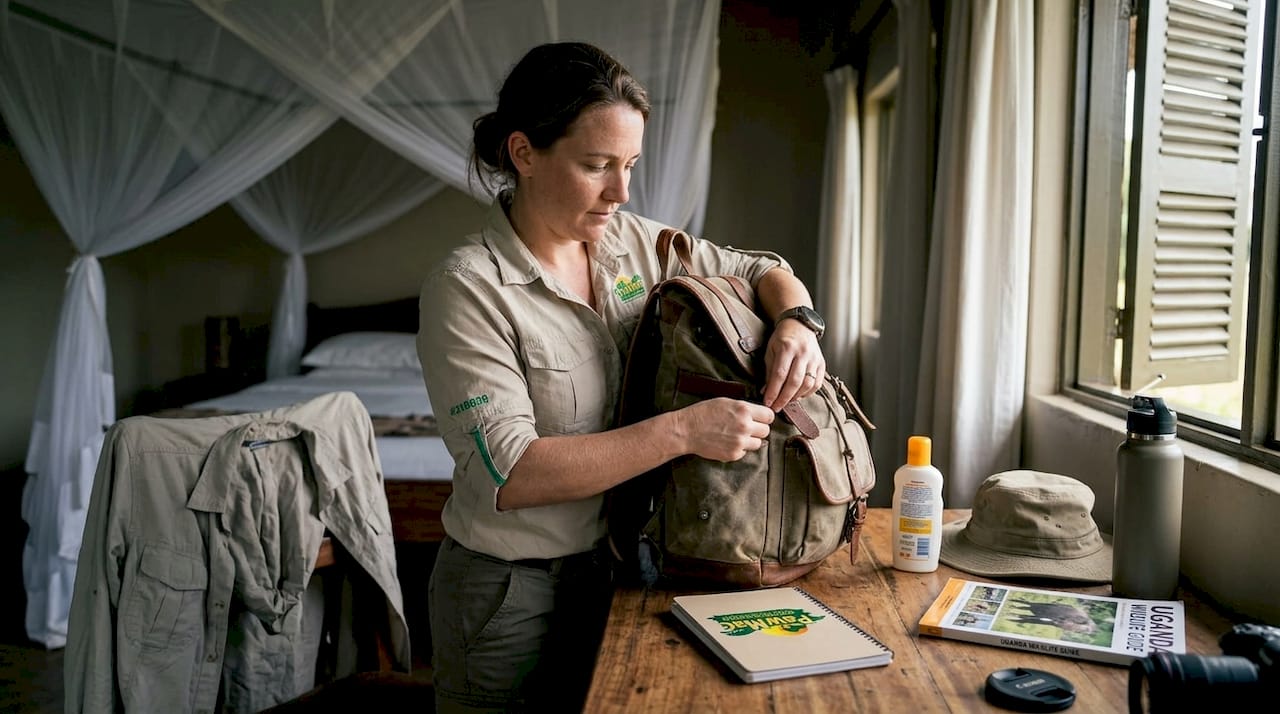
For packing, a well-prepared traveler brings:
- Neutral-colored clothing: Khaki, olive, and brown tones blend into the environment and don’t startle wildlife
- Sturdy walking shoes: Essential for gorilla treks and community walks
- Insect repellent and malaria prophylaxis: Consult your doctor at least 6 weeks before departure
- A quality camera with a telephoto lens: Tree climbing lions are often 20 to 30 feet up; zoom matters
- Rain gear: Even in dry season, afternoon showers are possible
- Valid yellow fever vaccination certificate: Required for entry into Uganda
Review the full Uganda packing guide to avoid leaving anything critical behind.
Pro Tip: Before finalizing any booking, confirm in writing that your package includes park entry fees, a certified guide, and ground transfers. These are sometimes listed as inclusions but charged separately by less transparent operators.
Booking pitfalls to avoid:
- Applying for your Uganda visa too late (apply online at least 3 weeks ahead)
- Skipping travel insurance that covers medical evacuation
- Waiting until the last minute for gorilla permits, which sell out months in advance
- Choosing an operator without verified local guides and safety protocols
Use the safari planning guide to cross-check your itinerary against expert-recommended logistics before you commit.
Why the cost isn’t everything: True value of a Uganda safari
After you’ve mapped out practical plans, it’s worth reflecting on the deeper value and meaning of your safari investment.
At PawMac Safaris, we’ve seen travelers return from Ishasha genuinely changed. Not because it was expensive, but because it was real. Watching a lion climb a tree isn’t a zoo exhibit or a nature documentary. It’s a living, breathing moment that no screen can replicate.
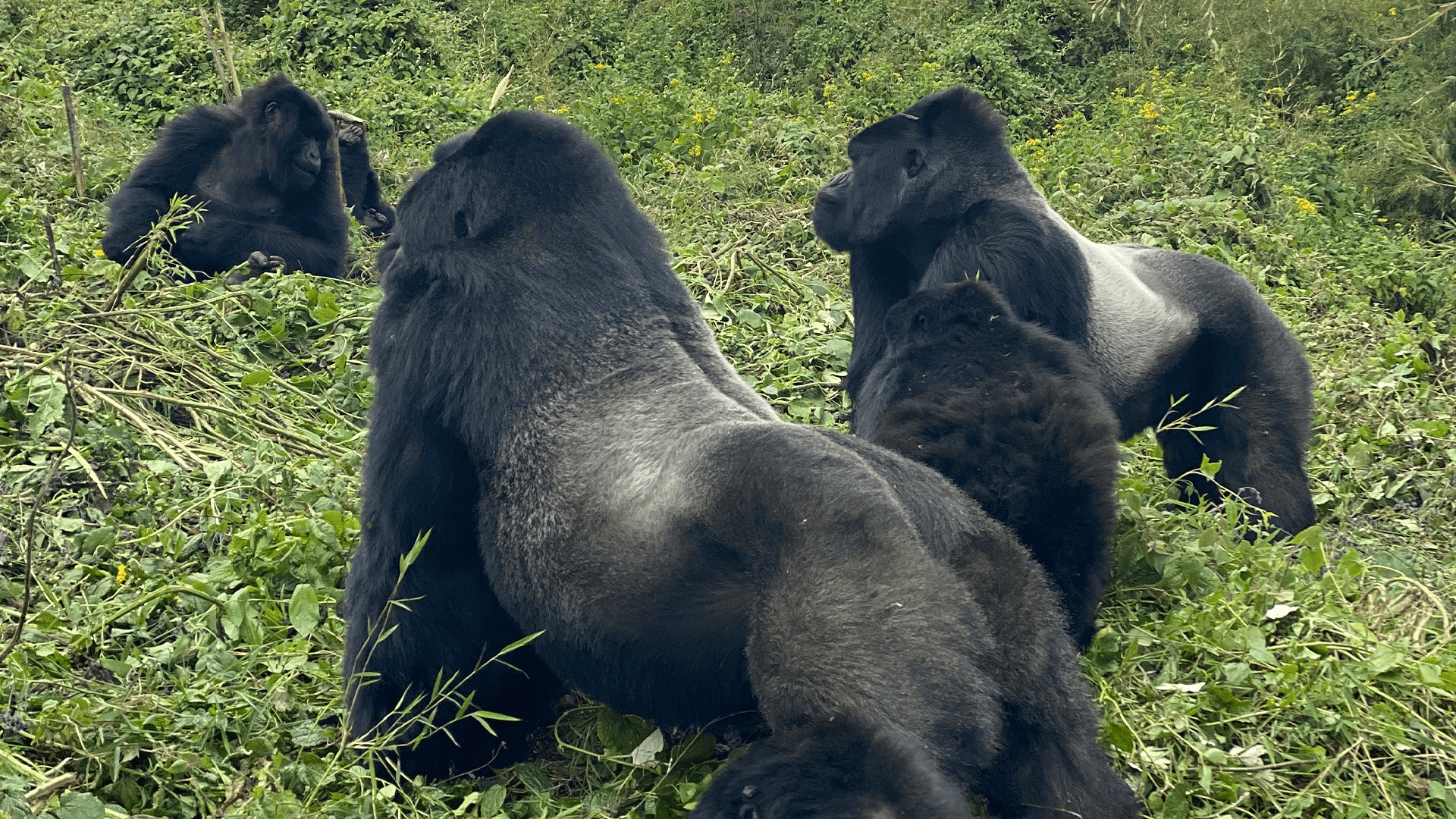
The same is true for gorilla trekking. Sitting within meters of a habituated gorilla family in Bwindi’s mist-covered forest is the kind of experience that reframes your understanding of the natural world. That $800 permit funds ranger salaries, anti-poaching units, and community programs that keep these animals alive for future generations.
Choosing an ethical safari operator means your money flows into local economies, supports conservation, and funds guides who have spent years learning these ecosystems. Personalized experiences and ethical wildlife encounters add immense value to your safari investment, far beyond what any price tag reflects. The cost is real. So is the return.
Ready to book your Uganda safari in 2026?
If you’re inspired to plan your own encounter with Uganda’s tree climbing lions, here’s where to begin.
PawMac Safaris specializes in crafting personalized Uganda safari itineraries that combine Ishasha game drives, Bwindi gorilla trekking, and cultural experiences into seamless, expertly guided journeys. Whether you’re after a focused 3-day Ishasha escape or a full 10-day Uganda wildlife adventure, the team is ready to help you build the perfect trip.

Browse detailed Uganda safari tours to explore available itineraries, or check out gorilla trekking trips to add Bwindi to your plans. For the full range of options, visit Uganda wildlife tours and connect with a safari specialist today.
Frequently asked questions
Where in Uganda can I see tree climbing lions?
The Ishasha sector in Queen Elizabeth National Park is the top location for spotting tree climbing lions in Uganda, with sightings most common in the fig and acacia trees along the Ishasha plains.
How much does a Uganda safari cost in 2026?
Uganda safari costs vary widely, ranging from about $1,200 to $5,000 or more per person depending on length, lodge tier, and whether gorilla trekking is included in the itinerary.
Do I need a special permit to see tree climbing lions?
No special permit is required for tree climbing lions, but you will need a park entrance ticket and a certified guide for all game drives in Queen Elizabeth National Park. Most packages include both. Review gorilla permit costs separately if adding Bwindi to your trip.
Is Uganda safe for safari travelers in 2026?
Uganda is considered safe for safari travel in 2026, with no recent incidents reported in the major national parks. Always follow your operator’s health and security guidance, and carry comprehensive travel insurance.
What’s the best time of year for a tree climbing lion safari?
June to September is the ideal dry season window for Uganda wildlife safaris, offering better road conditions, clearer skies, and higher chances of spotting tree climbing lions in the Ishasha sector.
Recommended
- Tree-Climbing Lions of Uganda’s Ishasha Region | PawMac Safaris
- Gorilla Trekking Uganda 2026: $800 Permit + Full Costs
- How to book a discounted gorilla safari in Uganda 2026
- Gorilla Trekking Uganda 2026 – Permits, Prices & Best Safaris


