

- 124 Views
- 11 Min Read
- (0) Comment
Table of Contents
- 2026 Logistics Summary by PawMac Safaris
- Key takeaways
- Understanding what a budget safari in Uganda means
- Key cost components and how to save on your Uganda budget safari
- Planning logistics for an affordable Uganda budget safari
- Experience and benefits of choosing a budget safari in Uganda
- Plan your budget safari with PawMac Safaris
- FAQs
Key Takeaways
| Point | Details |
|---|---|
| Permit cost dominates | Gorilla trekking permits are fixed at 800 per person for foreign non residents and often drive the majority of a budget. |
| Daily budget range | Budget safaris aim for 180 to 280 dollars per person per day including lodging transport and park fees. |
| Off peak savings | Booking in March through May or November lowers accommodation costs by 20 to 35 percent. |
| Group travel savings | Sharing 4×4 vehicle space lowers per person transport costs by 30 to 40 percent versus private hire. |
| Early booking advantage | Permits and core lodgings should be booked four to five months in advance to lock in availability. |
2026 Logistics Summary by PawMac Safaris
- Gorilla permits: $800 per Foreign Non-Resident in 2026
- Budget safari daily costs: $180-$280 per person including lodging, transport, and park fees
- Off-peak months (March-May, November) reduce accommodation costs by 20-35%
- Group bookings through PawMac Safaris lower per-person transport expenses by 30-40%
Many travelers assume Uganda safaris require luxury budgets exceeding $500 per day. That misconception stops thousands from experiencing gorilla trekking and wildlife encounters. Budget safaris in Uganda are entirely feasible when you understand the real cost structure. PawMac Safaris manages affordable ground logistics that prioritize permit access, efficient routing, and cost-effective lodging without sacrificing wildlife encounters. This guide breaks down exactly what budget safari planning entails, from permit booking to transport coordination, so you can experience Uganda’s national parks within a realistic financial framework.
Key takeaways
| Planning Factor | Budget Reality | PawMac Safaris 2026 Standard |
|---|---|---|
| Gorilla permits | $800 fixed cost per trek | Book 3-6 months ahead for availability |
| Daily safari costs | $180-$280 per person | Includes budget lodging, transport, park fees |
| Transport efficiency | Shared 4×4 safari vans | PawMac Professional Ground Logistics reduces solo traveler costs |
| Accommodation | $40-$80 per night budget lodges | Pre-vetted properties near park gates |
| Best booking window | Off-peak seasons | March-May and November offer 20-35% lodging discounts |
Understanding what a budget safari in Uganda means
A budget safari involves strategic cost management across permits, lodging, transport, and park access. You’re not cutting corners on wildlife encounters. You’re eliminating unnecessary luxury markups.
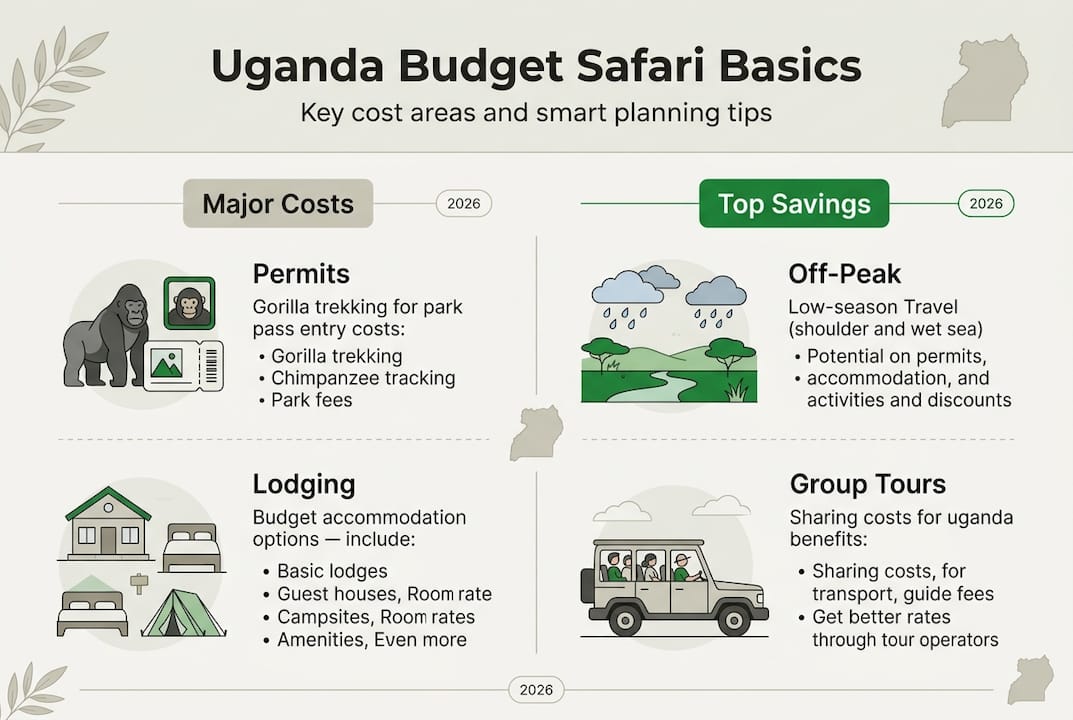
PawMac Safaris defines budget safaris as trips where daily costs stay between $180 and $280 per person. This range covers essential logistics without premium accommodations or private vehicle use.
The largest single expense is the gorilla trekking permit at $800. That cost is fixed regardless of your overall budget level. Park entry fees for Queen Elizabeth, Murchison Falls, and other reserves add $40-$50 per day. These are non-negotiable.
Budget lodging options include bandas, guesthouses, and basic lodges within 5-15 kilometers of park gates. These properties provide clean rooms, meals, and proximity to trekking start points without the $200+ nightly rates of luxury lodges.
Transport represents the most flexible cost component. PawMac Safaris operates customized 4×4 safari vans with pop-up roofs. Sharing vehicle space with 2-4 other travelers reduces your per-person transport expense by 30-40% compared to private vehicle hire.
Group departures and off-peak travel create additional savings. Booking during March through May or November typically yields 20-35% lower accommodation rates. Fewer tourists mean better permit availability and more flexible sector assignments for gorilla trekking.
Budget safaris require advance planning. Gorilla permits sell out 3-6 months ahead during peak seasons. Budget lodges near popular parks like Bwindi fill quickly. PawMac Safaris coordinates permit acquisition and lodging reservations as part of ground logistics management.
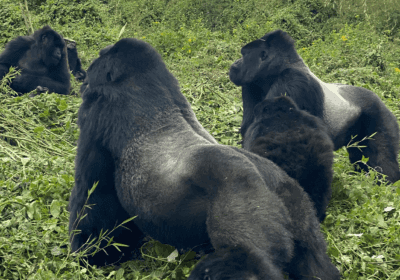
You’ll experience the same wildlife, the same trekking routes, and the same conservation areas as travelers spending $500+ per day. The difference lies in accommodation standards and vehicle sharing, not in the quality of animal encounters or guide expertise.
Plan Your Uganda Safari with Local Experts
 WhatsApp Us
Pro Tip: Book your gorilla permit and core accommodations 4-5 months before travel. This locks in availability and allows you to build the rest of your itinerary around confirmed trekking dates.
Key cost components and how to save on your Uganda budget safari
PawMac Safaris breaks down safari costs into four primary categories: permits, park fees, accommodation, and transport. Understanding each component helps you identify where savings are possible.
PawMac Safaris 2026 Budget vs. Midrange Cost Comparison
| Cost Component | Budget Range | Midrange Range | Savings Strategy |
|---|---|---|---|
| Gorilla permit | $800 (fixed) | $800 (fixed) | Book 4-6 months ahead for availability |
| Park entry fees | $40-$50/day | $40-$50/day | Combine multiple parks in one trip to reduce travel days |
| Accommodation | $40-$80/night | $150-$250/night | Use budget lodges and guesthouses near park gates |
| Ground transport | $60-$90/day (shared) | $180-$250/day (private) | Join group departures or share 4×4 safari van |
| Meals | $15-$25/day | $30-$50/day | Eat at lodges or local restaurants, avoid hotel dining |
| Guide fees | Included in transport | Included in transport | PawMac Safaris includes licensed guides in all packages |
Gorilla trekking permits dominate the expense structure. At $800 per person, this single cost often equals 3-4 days of other safari expenses combined. Permit booking requires payment 60-90 days before your trek date. PawMac Safaris secures permits directly through Uganda Wildlife Authority channels.
Park entry fees are non-negotiable but predictable. Queen Elizabeth National Park charges $40 per day. Murchison Falls costs $45. Bwindi Impenetrable Forest adds $40 on top of the gorilla permit. These fees fund conservation and anti-poaching operations.
Accommodation offers the widest savings opportunity. Budget lodges near Bwindi sectors like Buhoma and Rushaga charge $40-$80 per night. These properties provide private rooms, hot water, and meals. You sacrifice amenities like swimming pools and spa services, not cleanliness or safety.
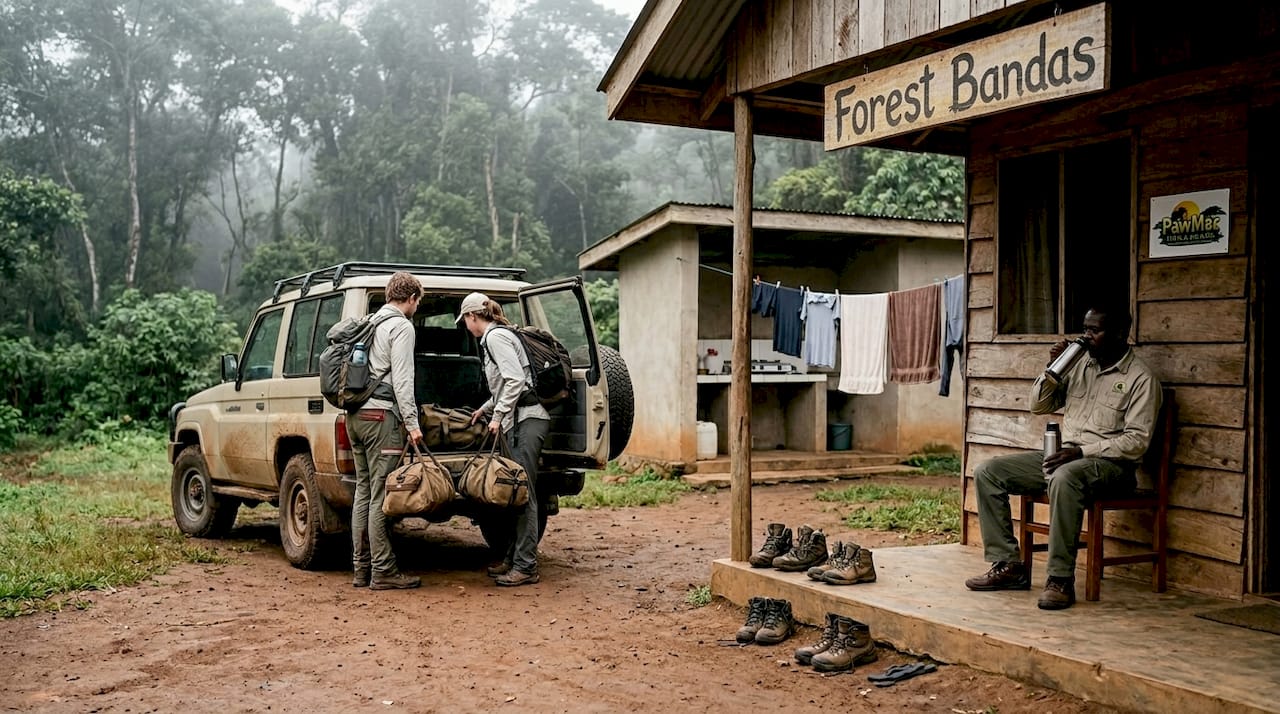
Transport costs drop significantly when you share vehicle space. A private 4×4 safari van costs $180-$250 per day. Split that cost among four travelers, and your per-person expense falls to $45-$63 daily. PawMac Safaris coordinates group departures to maximize vehicle occupancy.
Off-peak travel creates immediate savings. March through May and November see 20-35% lower lodge rates. Roads are passable. Wildlife viewing remains excellent. Fewer tourists mean more personalized guide attention and easier gorilla permit acquisition.
Combining multiple parks in a single trip reduces overall per-day costs. A 7-day itinerary covering Bwindi, Queen Elizabeth, and Murchison Falls spreads transport expenses across more activity days. This approach is more cost-efficient than single-park short trips.
Meals at local restaurants or lodge dining rooms cost $5-$10 per meal. Hotel restaurants in larger towns charge $15-$25. Bringing snacks for long drive days eliminates the need for expensive roadside stops.
Pro Tip: Request PawMac Safaris to align your gorilla trek with a group departure. Shared transport and coordinated logistics can reduce your total safari cost by $300-$500 compared to solo travel arrangements.
Planning logistics for an affordable Uganda budget safari
PawMac Safaris approaches budget safari planning through a five-step logistics framework. Each step directly impacts your final cost and trip success.
-
Define your core priorities. Decide which experiences are non-negotiable. Gorilla trekking? Big five game drives? Chimpanzee tracking? Budget safaris work best when you focus on 2-3 primary activities rather than attempting to cover every park.
-
Select your travel window. Off-peak months (March-May, November) offer the best value. Accommodation costs drop 20-35%. Gorilla permits are easier to secure. Roads remain accessible despite occasional rain.
-
Book permits and core lodging early. PawMac Safaris recommends securing gorilla permits 4-6 months before travel. Budget lodges near Bwindi and Queen Elizabeth fill 2-3 months ahead during peak seasons.
-
Coordinate transport and routing. Ground logistics determine your daily costs. PawMac Safaris uses customized 4×4 safari vans that handle Uganda’s road conditions. Shared vehicle arrangements reduce per-person transport expenses by 30-40%.
-
Pack strategically to avoid extra costs. Bring essential gear from home rather than purchasing or renting on arrival. This includes rain gear, trekking boots, insect repellent, and sun protection. The Uganda safari packing guide covers specific requirements for gorilla trekking and game drives.
PawMac Professional Ground Logistics coordinates all transport between parks, lodges, and trekking start points. You don’t arrange separate transfers or negotiate vehicle rates. Everything is included in your upfront package cost.
Itinerary duration affects per-day costs. A 5-day safari covering Bwindi and Queen Elizabeth costs $900-$1,400 per person (excluding permits). Extending to 7 days and adding Murchison Falls increases total cost to $1,260-$1,960 but reduces the per-day average.
Group size directly impacts affordability. Solo travelers pay higher per-person rates because transport and guide costs aren’t shared. Joining a scheduled group departure or traveling with 2-3 companions cuts individual expenses by 25-40%.
Sector selection for gorilla trekking influences lodging costs. Buhoma and Ruhija sectors have more budget accommodation options than Nkuringo. PawMac Safaris aligns permit sectors with available budget lodging to optimize costs.
Pre-trip preparation reduces on-ground expenses. Bringing your own trekking gear eliminates rental fees. Downloading offline maps prevents mobile data charges. Carrying US dollars for tips and small purchases avoids unfavorable currency exchange rates.
Pro Tip: Book gorilla permits for weekdays rather than weekends when possible. Some budget lodges offer midweek discounts of 10-15% that can save you $20-$40 over a multi-night stay.
Experience and benefits of choosing a budget safari in Uganda
Budget safaris deliver identical wildlife encounters and conservation access as luxury trips. PawMac Safaris ensures budget travelers receive the same quality guiding, permit access, and safety standards.
You’ll trek to the same gorilla families in Bwindi. Budget and luxury travelers follow identical routes, spend the same hour with gorillas, and receive the same pre-trek briefings. The $800 permit grants equal access regardless of your accommodation choice.
Game drives in Queen Elizabeth and Murchison Falls cover the same sectors. Budget safari vehicles use identical tracks as luxury lodges. Wildlife doesn’t differentiate between vehicle types. Your chances of seeing lions, elephants, and leopards depend on timing and guide skill, not your nightly accommodation rate.
Smaller group sizes often characterize budget departures. PawMac Safaris limits shared vehicle groups to 4-6 travelers. This creates more opportunities for questions, route flexibility, and personalized guide attention compared to large tour bus operations.
Local interaction increases on budget safaris. Staying in community-run lodges and eating at local restaurants puts you closer to Ugandan daily life. You’ll learn about coffee farming, traditional crafts, and regional culture through direct conversation rather than staged performances.
Budget travel supports community-level conservation. Many budget lodges are owned by cooperatives or local families. Your accommodation fees directly fund schools, clinics, and sustainable development projects near national parks.
“Budget safaris remove financial barriers while maintaining the core wildlife experience. Travelers gain the same conservation education, the same animal encounters, and often more authentic cultural exchange than luxury safari participants.” — PawMac Safaris Lead Guide, 12 years Uganda field experience
Guide expertise remains consistent across budget and luxury operations. PawMac Safaris employs licensed Uganda Wildlife Authority guides for all trips. These professionals complete the same training, pass identical certification exams, and maintain equal knowledge of animal behavior and park regulations.
Photography opportunities are identical. Budget safari vehicles feature pop-up roofs for unobstructed viewing and shooting angles. You’ll capture the same landscape shots, the same animal portraits, and the same gorilla trekking moments as photographers on luxury trips.
Safety standards don’t vary by price point. All PawMac Safaris vehicles undergo regular mechanical inspections. Drivers maintain commercial licenses and first aid certification. Emergency communication equipment is standard across all trip categories.
Plan your budget safari with PawMac Safaris
PawMac Safaris operates budget-focused ground logistics across Uganda’s primary safari destinations. We coordinate gorilla permits, sector-aligned lodging, and shared transport to keep your costs between $180 and $280 per day.
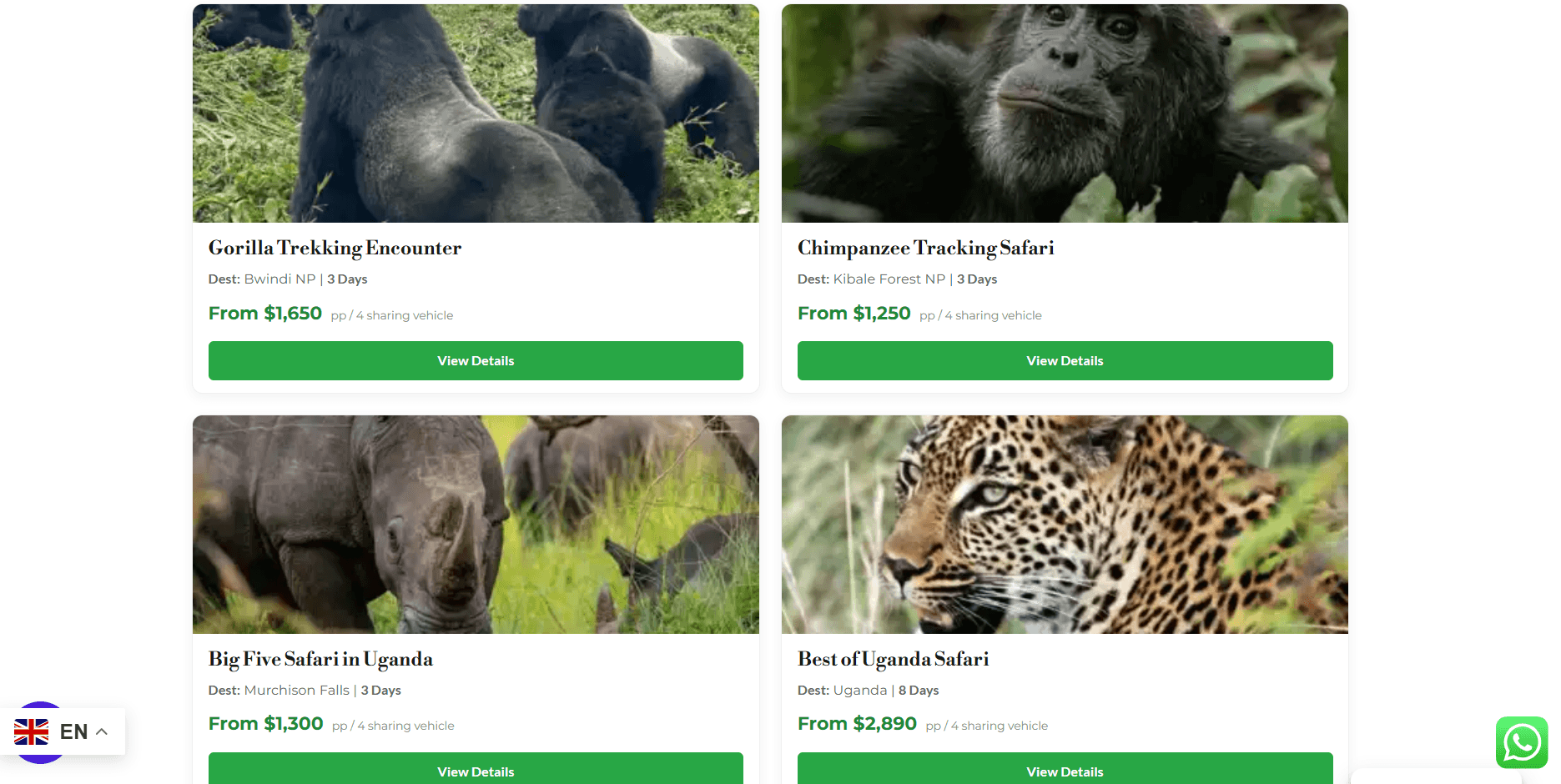
Our 2026 budget packages cover Bwindi Impenetrable Forest, Queen Elizabeth National Park, and Murchison Falls. Each itinerary includes permit booking, licensed guides, 4×4 safari van transport, and pre-vetted budget accommodations near park gates. You’ll experience gorilla trekking, big five game drives, and boat safaris without premium pricing.
Group departures run monthly during peak and off-peak seasons. Joining a scheduled trip reduces your per-person cost by 30-40% compared to private arrangements. We handle all logistics coordination so you focus on wildlife encounters rather than operational details.
Explore our Uganda safari packages to compare budget itineraries. Each package lists exact inclusions, daily schedules, and total costs. We customize routes based on your priorities and travel window.
Need a custom 2026 quote for specific dates or group size? Contact PawMac Safaris with your preferred travel months and core activities. We’ll build a budget-optimized itinerary that fits your timeline and financial parameters.
FAQs
How much does a budget safari in Uganda cost per day in 2026?
Budget safaris cost $180-$280 per person daily, covering shared transport, budget lodging, park fees, and guide services. This excludes the $800 gorilla permit, which is a separate one-time expense. Group travel and off-peak booking reduce costs toward the lower end of this range.
When is the best time to book a budget safari to save money?
Book during off-peak months (March-May, November) for 20-35% lower accommodation rates. Secure gorilla permits 4-6 months ahead regardless of season. Budget safari planning requires advance coordination to lock in permit availability and preferred lodging.
What should I pack for a budget safari to avoid extra costs?
Bring trekking boots, rain gear, insect repellent, sun protection, and a daypack from home. Renting gear on arrival costs $10-$25 per item. Pack layers for variable temperatures and quick-dry clothing for wet season travel. Review the complete packing checklist in the Uganda safari packing guide.
Recommended
- Is Uganda Safe for Safari in 2026? 0 Incidents & $800 Permits
- Uganda Safari Guide 2026: Gorilla Permits & Logistics
- How to book a discounted gorilla safari in Uganda 2026
- Safari Travel Insurance Guide for Uganda Adventures 2026